Best 2 Piece Computer Speakers: Our Checklist for 2026
Disclosure: We may earn a commission when you buy through links on this page, at no extra cost to you. As an Amazon Associate I earn from qualifying purchases. Learn more

Use this checklist to choose the best 2 piece computer speakers for your desk, covering sound, connections, placement, controls, build and value.
A two piece speaker set is the simplest sound upgrade a desk can get: a left and a right speaker, no separate subwoofer, and a footprint that fits beside a monitor. Yet sets that look alike in photos can sound completely different in a real room. This checklist for the best 2 piece computer speakers shows you how to judge sound, connections, placement, and build before money changes hands.
Work through the evaluation criteria first, then use the buyer checklist and red flags to screen the models in the product table. A set that passes on sound and connections will serve you well even if its styling feels ordinary, and that is what makes the best 2 piece computer speakers a practical buy rather than a flashy one.



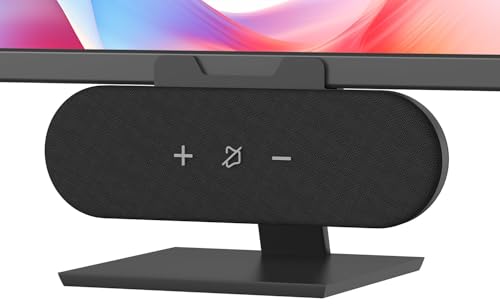
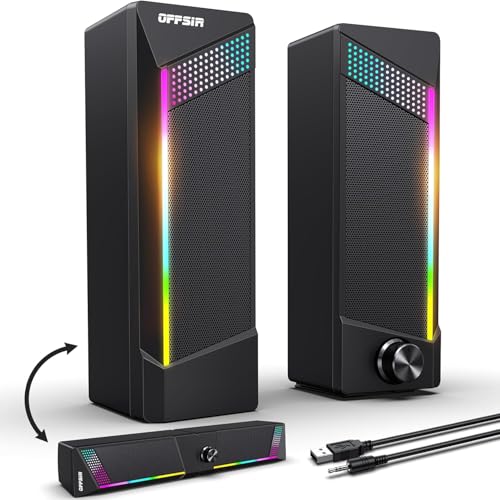


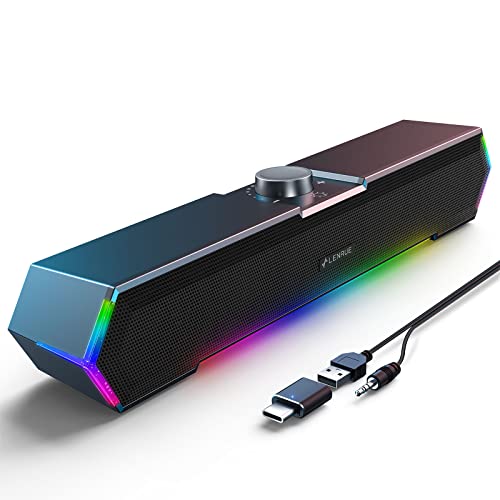
How We Evaluate 2 Piece Computer Speakers
Each criterion below includes a practical benchmark, so you can score any set from its listing details and your own desk measurements. Two piece sets live or die on balance, because there is no subwoofer to hide weak low end or harsh treble.
Sound Quality and Tuning
Judge a set first on clarity at desk distance, since you will sit about two to three feet from the drivers. Voices in video calls, podcasts, and games should sound natural without pushing volume, and music should stay composed when a busy track gets loud. Driver size in this category is usually around two to three and a half inches, often helped by a passive radiator or a ported cabinet for low end support. A stated frequency response that reaches toward 80 to 100 Hz suggests usable bass for a desktop set, while claims far below that deserve skepticism.
Connectivity (Bluetooth Version, Codecs, Wired)
Decide how the set will connect before anything else, because this decides daily convenience. USB audio gives a clean digital feed from a computer and often powers the speakers too, while a 3.5 mm auxiliary input suits consoles, older laptops, and handhelds. Bluetooth adds phone and tablet flexibility, and a recent version such as 5.0 or later keeps pairing stable across a room. The strongest sets offer two inputs so a computer and a phone can both stay connected. Whatever you choose, confirm the cables in the box are long enough to reach your setup without stretching.
Placement and Room Size (for Speakers)
Two piece sets are built for near field listening, which means a desk in a small to medium room is their home ground. Check the cabinet depth against your desk, because deeper speakers crowd the space behind a monitor, and confirm you can angle the drivers toward ear height. Stereo separation improves when the speakers sit roughly as far apart as they are from you, forming a triangle. If your desk forces the pair close together, look for a set with a wide, forgiving sound rather than one that needs perfect positioning. Readers with bigger rooms or a separate gaming rig can compare the layouts in our guide to the best 3 piece computer speakers, which add a subwoofer to the arrangement.
Controls and Front Panel Access
You will touch the volume control far more often than any other part of the set, so it should sit on the front or top of the right speaker where your hand falls naturally. A combined power and volume knob is fine, but separate tone controls for bass and treble help tame a boomy desk or a bright room. A headphone jack on the front is genuinely useful for late night listening, and it should mute the speakers when you plug in. Remote controls are rare at budget prices and matter less at a desk, where everything is within reach anyway.
Build Quality and Cabinet Materials
A stiff cabinet that does not buzz at your usual volume is the build benchmark that matters most. Wood or dense composite cabinets generally sound cleaner than thin plastic shells, and they feel more stable on the desk. Check that the speaker cables between the two units are long enough for your monitor width, and that any hardwired cable is not so short it dictates your layout. Rubber feet sound like a detail, yet they stop a light set from creeping across the desk when bass heavy tracks play.
Power and Wattage Claims
Treat wattage as a rough guide rather than a quality score, because makers quote it in different ways. Peak watt numbers look dramatic and mean little, while RMS figures are the more honest measure of sustained output. For near field desk use, even a modest RMS rating fills the space in front of a monitor easily, since you sit so close. What you actually need is clean volume with headroom to spare at your normal listening level, not the loudest set in the category. If you listen mostly to speech and video, clarity at low volume matters more than any watt figure.
What a Set That Passes Our Checklist Looks Like
The three profiles below describe passing sets at different prices, without naming products. Match them against the product table to see which profile your budget really buys.
The Strong All Round Profile
A strong all round set pairs clear, balanced tuning with both USB and auxiliary inputs, front controls, and a cabinet that stays silent at working volume. It typically sits in the midrange, around $70 to $150, and it suits mixed use: calls in the day, music and video in the evening. Bass reaches low enough for satisfying music without a subwoofer, and voices stay forward and easy to follow. If your desk time mixes everything, aim for this profile and stop second guessing.
The Budget Profile
A value set keeps one wired connection, simple controls, and honest tuning, and it gives up Bluetooth and tone controls to hold a price around $30 to $70. This profile suits a first upgrade from laptop speakers, a spare desk, or a student's homework setup where simple and sturdy wins. The key check is distortion: a good value set stays clean at the moderate volumes a desk actually needs. Shoppers on the tightest budgets can compare the entry level options in our guide to the best inexpensive computer speakers before deciding how low to go.
The Compact Profile
A compact set shrinks the cabinets to fit tight desks, monitor arms, and small apartments, sometimes with USB power so no wall outlet is needed. The trade off is bass and maximum volume, both of which shrink with cabinet size, so judge these sets on voice clarity and tidy design instead. This profile suits laptop focused desks and anyone who travels between workspaces. Measure your available width and depth first, because compact only helps if the pair truly fits your surface.
Quick Buyer Checklist
- Does the set connect the way you need, by USB, auxiliary, or Bluetooth?
- Will both cabinets fit your desk with room to angle them toward you?
- Is the volume control on the front or top of a speaker?
- Are the cables long enough for your monitor width and computer position?
- Does the stated response suggest usable bass without a subwoofer?
- Is there a headphone jack if you listen late at night?
- Does the warranty run for at least a year from a reachable brand?
Red Flags to Watch For
- Enormous peak watt claims on a tiny set, with no RMS figure anywhere.
- A frequency response with no stated tolerance, which makes the numbers meaningless.
- Very short fixed cables between the speakers that force one layout only.
- No named warranty terms or support contact behind a polished listing.
- Cabinets so light they buzz or walk across the desk at normal volume.
Two or more of these signs usually mean the listing is selling numbers rather than sound. Buyers focused on pure audio quality above all can cross check expectations in our guide to the best sounding computer speakers, which weighs tuning more heavily than features.
Tips to Get the Most From Your 2 Piece Computer Speaker
Raise the speakers so the drivers point near ear level, using books or small stands if the cabinets sit low, because treble clarity depends on that angle. Pull them a few inches away from the wall behind the desk to reduce boomy reflections, and keep them clear of loose papers that can buzz. Set your computer output volume high and control loudness from the speaker knob, which usually gives cleaner sound at low levels. Dust the drivers gently with a dry cloth, and keep drinks behind the speakers rather than beside them to protect both the set and your keyboard.
2 Piece Computer Speakers: Your Questions Answered
Wired or wireless: which sounds better?
A wired USB or auxiliary connection gives the most consistent sound and never needs pairing, which suits a fixed desk. Bluetooth sounds very close for music and video at desk distance, and it wins when you often play audio from a phone. Latency is the one real gap, since competitive games can expose a slight delay on some wireless sets. If you game seriously, keep a wired option available even on a Bluetooth capable set.
Do 2 piece computer speakers need a subwoofer?
No, a well tuned two piece set covers speech, most music, and video comfortably at a desk. A subwoofer adds deep bass for films and electronic music, but it also adds cost, cables, and a box that needs floor or desk space. Many listeners find voices clearer without one, because the balance stays focused. If you later crave more low end, some sets accept an added subwoofer output, so check for that port if you want an upgrade path.
How much wattage do I need for a desk setup?
Far less than listings imply, because near field listening is efficient. A set with a modest RMS rating will reach comfortable and even loud levels across a desk without strain. Spend attention on distortion behavior instead: a set that stays clean at your maximum realistic volume beats a louder set that hardens at the edges. Room size matters more than watts, and a small office needs less of everything than a living room desk corner.
Where should I place 2 piece computer speakers?
Place them at equal distances from your chair, angled slightly inward, with the drivers near ear height. Keep the gap between them close to your listening distance for a stable stereo image, and avoid pushing them into corners where bass builds up unevenly. If one speaker must sit nearer a wall, use tone controls to trim bass rather than moving your whole desk. Small changes here improve sound more than a price jump usually does. Gamers with dedicated setups can also see our guide to the best computer speakers for gaming for latency focused advice.
Can I use 2 piece computer speakers with a television?
Yes, if the set has an auxiliary or optical style input that matches your television output, and the cable run is practical. Desktop sets are tuned for close listening, so voices stay clear, but they may not fill a large living room the way a soundbar does. For a bedroom or study television, the result is often very satisfying. Check maximum volume against your room size before you retire the old setup.
Wrapping Up
Sound clarity, the right connection, and a fit for your desk are the three checks that decide this purchase. Run every candidate through the checklist, ignore wattage theater, and remember that placement tweaks you control matter as much as the numbers on a listing. Judged on those basics, the best 2 piece computer speakers for you are the set you stop noticing because everything simply sounds right, so compare your finalists in the product table and choose with confidence.