Best 2.2 cu ft Microwaves in 2026: Buying Guide for Real Homes
Disclosure: We may earn a commission when you buy through links on this page, at no extra cost to you. As an Amazon Associate I earn from qualifying purchases. Learn more

Compare the best 2.2 cu ft microwave types by wattage, sensor cooking, counter fit and cost to find a large model your household will use.
A big casserole dish that will not fit, a dinner plate that bumps the walls, and leftovers for four people reheated in two rounds. That daily friction is why many households step up in size. If you want room for family meals without guesswork, the best 2.2 cu ft microwave gives you that extra space, and the product table will help you sort the options by household size, counter space, and budget.
This size sits at the large end of countertop models. It suits busy kitchens and shared homes, but it demands more counter depth and clearance than smaller models, so measuring first matters as much as choosing features.
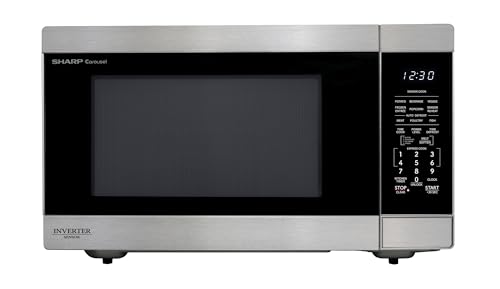
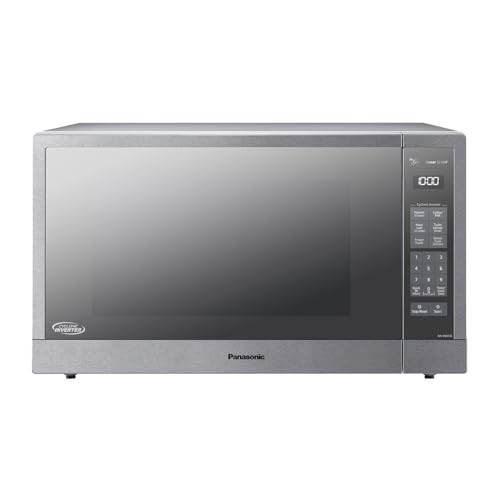


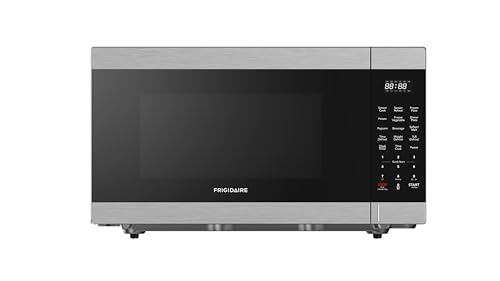

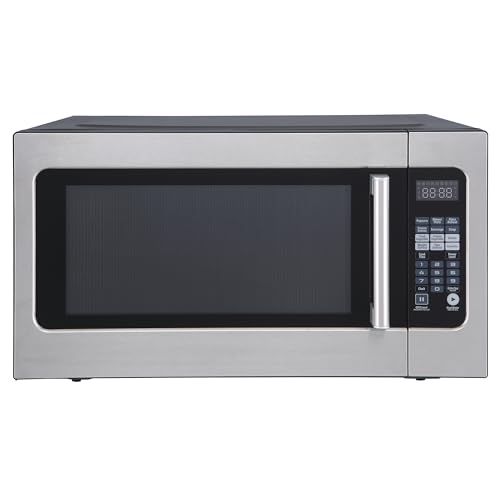
Quick Answer: What a 2.2 cu ft Model Does Best
A 2.2 cu ft microwave holds a large casserole dish, a tall mixing bowl, and most family size serving platters with room for steam to circulate. It works best for households of four or more and for reheating several portions at once. If you mostly warm single servings, this size will feel oversized. Use the product table above to compare capacity, wattage, and footprint.
Before You Buy: A Quick Checklist for Choosing a Microwave
Start with fit, then look at power and controls. A large cavity helps only if the door opens fully, the turntable turns freely, and you can lift hot dishes out without tilting them.
Size: Match It to Your Space and Your Dishes
Capacity labels describe interior volume, not usable width. Bring the measurements of your largest dish, including handles, and compare them with the interior width and height listed by the maker. A 2.2 cu ft cavity usually takes a 9 by 13 inch baking dish, while a 0.7 or 1.1 cu ft model often will not. If you rarely cook that large, our guide to the best mini microwave shows when a compact model is the smarter use of space.
Which Type Fits Your Routine
Most 2.2 cu ft models sit on the counter, which keeps setup simple and lets you move the unit later. If counter space is tight, a best drawer microwave opens from the front and loads from above, while a best built in microwave sits inside cabinetry for a flush look. Both built options need planned cabinet space and often professional fitting, so they cost more overall. Countertop placement remains the flexible choice for renters and for kitchens that may change layout.
Features Worth Paying For and Ones to Skip
Sensor cooking adjusts time based on steam from the food, which helps with rice, vegetables, and reheating plates without constant checking. Inverter power delivers steady lower power for defrosting and melting, rather than cycling full power on and off. Convection and air fry modes add browning, but they raise the price and add cleaning work. Skip extra preset menus you will never use, and skip a trim kit unless you plan a built placement. Focus on clear controls, a responsive keypad, and a turntable you can remove for washing.
Wattage, Power and Energy Use
Most large countertop models run at about 1000 to 1200 watts, and that range heats family portions evenly without long waits. Lower wattage in a large cavity often means uneven results, with cool centers and hot edges. Our explainer on inverter vs regular microwave covers how steady power changes defrosting in more detail. For energy use, a microwave still uses less electricity than heating a full oven for small tasks, because the cooking time is much shorter.
Safety Features and Certifications
Look for a child lock that disables the keypad, a door that latches firmly, and a listing from UL or ETL on the label or spec sheet. Those listings show the model was certified to United States safety standards for electrical appliances. Keep the vents clear, never run the unit empty, and stop using it if the door is bent, the latch feels loose, or you see sparking. Those faults need a qualified technician, not a home repair attempt.
Counter Space and Dimensions
A typical 2.2 cu ft countertop model is about 24 inches wide, about 13 to 14 inches tall, and about 19 to 20 inches deep before you add clearance. Makers usually ask for a few inches of air space on the sides and top and more at the back for venting. Measure depth with the door open as well, and check that upper cabinets will not block you when you lift out a hot, heavy dish at chest height.
Realistic Budget Ranges
Expect to pay about $200 to $300 for a basic large countertop model with sensor reheating, and about $300 to $500 for added inverter power, convection, or an air fry mode. Models under $200 in this size do exist, but they often cut wattage or use thinner materials. If you are comparing across all sizes, see our overview of the best microwave options to judge whether the extra capacity is worth the higher price for your household.
Types Compared: Three Ways to Buy This Size
Instead of chasing a single model, think in types. The three groups below cover most homes, and each one trades price, evenness, and extra functions in a different way.
Standard Countertop Type for Most Homes
This type pairs the full 2.2 cu ft cavity with about 1100 watts, sensor reheat, auto defrost by weight, and a glass turntable around 16 inches across. It handles daily reheating, frozen meals, and large dishes without extra modes to learn. Controls are usually a numeric keypad with a few one touch starts. Choose this type if you want the space itself, not added cooking methods, and if several people in the home need controls they can learn in a day.
Value Type for Tight Budgets
Value models in this size keep the large cavity but trim the extras. You may get about 1000 watts, fewer presets, and a simpler display. Heating can take a minute longer on dense foods, and you may need to stir or turn food once during cooking for even results. This type suits a shared house, a break room, or a family that reheats often but rarely cooks raw food in the microwave. Check door feel and keypad clarity in person if you can, since those parts show cost cutting first.
Upgrade Type for More Even Cooking
Upgrade models add inverter power, and some add convection heat for browning and baking in the same cavity. Defrosted meat tends to keep softer edges, and sauces rewarm without splitting as often, because power stays steady at low settings. These models cost more, weigh more, and need more careful cleaning around extra elements and racks. Choose this type if you defrost weekly, melt and soften often, or want one appliance to cover tasks you would otherwise give to a small oven.
How We Chose What to Recommend Here
We weighed usable capacity, wattage matched to that capacity, ease of use for several people, and how simple the interior is to clean. We also looked at noise, safety listings, door quality, and warranty length. Our notes draw on maker specifications and patterns in verified buyer reviews, with a focus on fit in real homes and total cost over time.
Is a 2.2 cu ft Microwave the Right Size for You?
Choose this size if you cook for four or more, reheat large platters, warm tall jars, or use deep bowls that crowd a smaller cavity. A family that batch cooks soup or casseroles on weekends will use the space every week. Choose a 1.6 cu ft model instead if you live alone or with one other person, mostly reheat single plates, and have shallow counters. The smaller footprint leaves room for food prep, which matters more than empty cavity space you fill twice a month.
Think about height as well as volume. Tall items need clearance above the dish so steam can escape and so you can grip the rim with mitts. If that pairing exceeds the interior height, a larger volume number will not solve the problem. Measure before you order, and keep the box until you have tried your biggest dish inside.
Common Mistakes to Avoid
- Measuring only the counter width and forgetting depth, door swing, and vent clearance, which leaves the unit pushed against the wall and overheating.
- Buying the largest cavity on a low wattage motor, which gives you space without the power to heat that space evenly.
- Paying for convection or air fry modes you will use once, while skipping sensor reheat that you would use daily.
- Placing the microwave on a wobbly cart or high shelf, which makes removing heavy, hot dishes unsafe.
- Ignoring the turntable diameter, so your largest plate fits the cavity on paper but cannot rotate.
Cost of Ownership and Care
Running costs stay modest. A large model uses more power per minute than a compact one, but fewer repeat cycles often balance that out for family meals. Budget for small extras such as a cover to limit splatter and replacement turntable rollers if they crack. There are no filters to replace on a standard countertop model, unlike over the range types.
Wipe the interior after messy foods while it is still warm, and wash the turntable and roller ring in the sink weekly if you cook daily. Our step by step guide on how to clean a microwave explains a steam method that loosens dried splatter without harsh sprays. Leave the door ajar for a few minutes after cleaning so moisture dries, and check the door seal monthly for trapped food that could stop it closing fully.
Your Questions, Answered
What size microwave do I need for a 9 by 13 inch dish?
You need an interior width of at least 15 inches once handles are counted, plus room for the dish to sit on the turntable and rotate. Most 2.2 cu ft models meet that, while many 1.2 cu ft models do not. Check the listed interior dimensions, not only the volume, and confirm the turntable diameter is wider than the short side of your dish.
Can a 2.2 cu ft microwave fit on a standard kitchen counter?
Yes, in most kitchens, because standard counters are about 24 inches deep. The unit itself may be about 19 to 20 inches deep, which leaves a small margin for the cord and rear venting. The tighter test is width between a sink, stove, or wall, and the height under upper cabinets. Measure all three spaces, and allow the clearance the maker lists, before you commit.
Does a larger microwave use a lot more electricity?
It uses more watts while it runs, but it often runs for less total time on family portions because you can heat one large dish instead of two smaller loads. For a single mug or a small plate, the difference is only a few cents over a month of daily use. Using the right power level for defrosting also avoids wasted extra cycles.
Why does food heat unevenly in a large microwave cavity?
Microwave energy forms hot and cool zones inside any cavity, and a larger space does not remove them. The turntable helps, but dense foods still benefit from a pause midway to stir, turn, or rearrange pieces toward the edges. Covering food loosely evens moisture, and letting it stand for a minute or two after cooking lets heat spread to the center.
Can I place a 2.2 cu ft microwave in a cabinet cubby?
Only if the cubby meets the clearance and venting rules in the manual and the model is approved for that placement. Many countertop models need open air on several sides, and a closed cubby can trap heat and shorten the life of the electronics. If you want a fully enclosed look, choose a model made for built placement with a matching trim kit instead.
Final Thoughts
For most larger households, the space, wattage, and simple controls of a standard countertop type make it the easiest place to start. Value types keep the same room for less money, and upgrade types reward frequent defrosting with steadier results. Whichever route you take, measure your counter and your largest dish first, then check the best 2.2 cu ft microwave options in the product table above against that fit. That order saves returns and gets you a unit your whole household can use with confidence.