Best 1.2 cu ft Microwaves (2026): Size, Features and Buying Tips
Disclosure: We may earn a commission when you buy through links on this page, at no extra cost to you. As an Amazon Associate I earn from qualifying purchases. Learn more
What matters when choosing the best 1.2 cu ft microwave: size, features, budget and the mistakes to avoid.
Picture a weeknight in a busy household. One person is reheating soup, another is softening butter for baking, and a plate of leftovers is waiting its turn. A microwave that is too small turns that simple routine into a queue, while a huge one swallows counter you cannot spare. The best 1.2 cu ft microwave for your home sits in the middle, roomy enough for family dishes yet modest in footprint.
This guide helps you choose by space, household size, and budget rather than by marketing claims. You will find a sizing checklist, the types worth comparing, and the ownership costs people often forget. Start with the product table on this page, then use the sections that follow to narrow your choice with confidence.

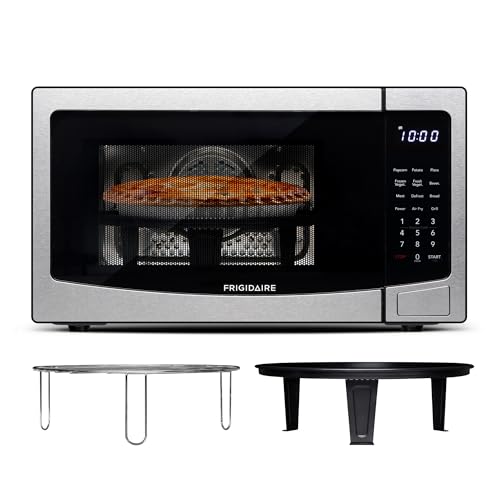
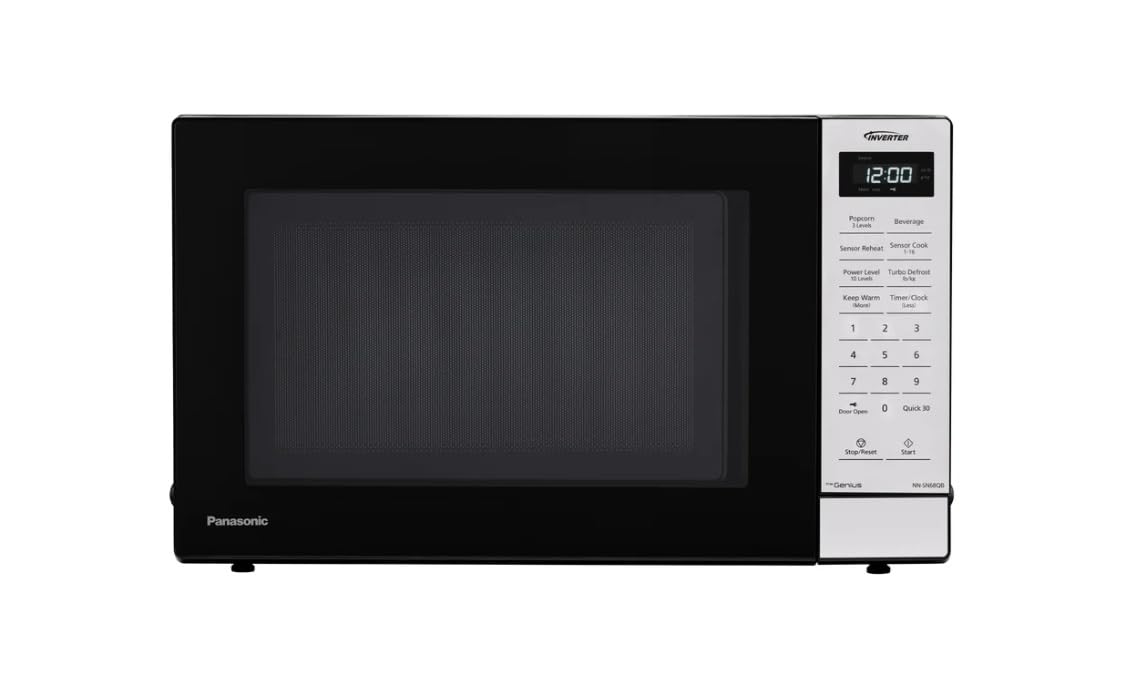

Quick Answer: What a 1.2 cu ft Microwave Does Best
A 1.2 cu ft cavity holds a standard dinner plate, a medium casserole dish, and most large mugs or bowls without crowding. That makes the best 1.2 cu ft microwave a practical default for households of two to four people who reheat full meals, defrost family portions of meat, and cook vegetables or grains in the microwave several times a week. If you are still weighing every size against each other, our broader guide to the best microwave options shows how this capacity sits within the full range.
Before You Buy: A Quick Checklist for Choosing a Microwave
Size: Match It to Your Space
Capacity numbers describe the interior, and the step between sizes changes what fits more than the digits suggest. Models around 0.7 cu ft suit a single user with a mug and a small bowl, while 1.1 cu ft handles a dinner plate but little more. At 1.2 cu ft you gain room for a covered casserole and taller containers. Jumping to 1.6 or 2.2 cu ft helps only if you regularly heat large platters, and it costs you counter depth. If your kitchen is truly tight, compare this size against the models in our guide to the best mini microwave before you commit.
Which Type Fits Your Routine
Nearly every 1.2 cu ft model is a countertop unit, which means no installation beyond plugging it in and leaving clearance for vents. Convection versions add a heating element and fan so you can roast or bake small items. Inverter models change how power is delivered, which the wattage section below explains. Smart models add app or voice control, and air fryer combos add crisping. A permanent installation is a different purchase entirely, covered in our guide to the best built in microwave, and drawer or over the range styles rarely come in this exact capacity.
Features Worth It and Ones to Skip
Sensor cooking earns its place because it measures steam from the food and adjusts time for reheating and popcorn, which reduces guesswork on the meals you make most. A mute option for the beeper, a child lock, and an add 30 seconds button all get used daily. Inverter power is worth paying for if you defrost often. Air fryer and convection functions are worth it only when your oven is small or often busy. Long lists of preset menus for foods you never cook, by contrast, add cost without adding value, and touch panels with tiny lettering slow everyone down.
Wattage, Power and Energy Use
Most 1.2 cu ft models draw about 900 to 1100 watts of cooking power, and that range matters more than the capacity number for speed. Higher wattage reheats a full plate evenly in less time, while lower wattage can leave the center of a dense casserole cool. Just as important is how power levels behave. Traditional models cycle full power on and off, while inverter models deliver steady lower power, so sauces and defrosting meat cook more gently. Our explainer on inverter vs regular microwave designs walks through the difference in plain terms. Running costs stay modest either way, since a microwave heats food, not a whole oven cavity.
Safety Features and Certifications
Look for a listing mark from UL or ETL on the rating label, which points to an independent safety review against United States standards. A two step door latch with a child lock matters in homes with curious toddlers, because the door must stay sealed for the unit to run. Check that the door closes with a firm, even fit and that the viewing screen has no damage. Adequate vent clearance is also a safety point, since blocked vents trap heat. Place the unit on a stable surface away from the sink splash zone, and plug it into its own outlet rather than a crowded power strip.
Counter Space and Dimensions
Exterior size for this class usually runs about 20 to 21 inches wide, 12 to 13 inches tall, and 16 to 17 inches deep, but measure your own unit before ordering because trim and handles vary. Leave at least an inch of clearance on the sides and top and more at the back if the manual asks for it. Measure the space between the counter and the bottom of your upper cabinets, since some kitchens leave less than the height of the microwave plus its clearance. Also check the door swing. The door needs room to open fully so you can slide a hot dish straight out.
Realistic Budget Ranges
Prices in this size band fall into clear tiers. Under about $100 you get basic reheating and defrosting with simple dial or membrane controls. Between about $100 and $200, expect sensor cooking, better interiors, and quieter doors. From about $200 to $300, inverter power and stainless finishes become common. Above about $300 you are paying for convection, air fry functions, or smart controls, so spend there only when those extras replace another appliance in your kitchen.
Three Configurations Worth Comparing
Instead of chasing a single winner, compare the three configurations this size comes in. A basic countertop model covers reheating, defrosting, and simple cooking at the lowest cost, and it suits renters and anyone who uses the oven for everything else. A sensor cooking model adds automatic reheat and cook programs plus inverter power on many versions, which suits families reheating varied plates every day. A multi function model adds convection baking or air frying, which suits small households that want one appliance to do the work of two. Match the configuration to your routine first, and the specific model choice becomes much easier.
What We Look at When Comparing These Microwaves
Our comparison weighs capacity against real dishes, cooking power, ease of use for every member of the household, and how simple the interior is to clean. We also weigh operating noise, because a loud unit in an open plan kitchen gets annoying fast, along with safety listings and the length of the warranty. The assessment draws on manufacturer specifications and patterns in verified buyer feedback about door latches, control panels, and turntable reliability over time.
Is a 1.2 cu ft Microwave the Right Size for You?
Choose this size if your household reheats full dinner plates, defrosts family portions, and pops large bags of popcorn. Singles in a studio may find it more than they need, since a smaller cavity heats a mug of soup faster and leaves counter free. Large families who cook whole chickens or oversized platters in the microwave will outgrow it and should look one size up. A simple test helps. Measure your largest everyday dish, including its handles, and compare it with the interior width and the turntable diameter in the specifications. If the dish fits with an inch to spare, this size will serve you well.
Common Buying Mistakes to Avoid
- Measuring the cavity but not the counter, so the unit arrives and blocks a cabinet door or a vent.
- Buying convection or air fry functions you will rarely use, which raises the price and complicates cleaning.
- Ignoring wattage and choosing a slow unit that reheats a full plate unevenly.
- Forgetting replacement costs such as a turntable plate or a light bulb when comparing two close prices.
- Placing the microwave inside a closed cabinet, which traps heat and moisture around the vents.
Cost of Ownership and Care
Running costs stay low because most sessions last only a few minutes, but ownership includes a few small items. A splatter cover, which costs very little, keeps the interior cleaner and protects the waveguide cover from food buildup. Turntable rollers and glass trays are replaceable if chipped. Wipe the door seal and the latch area weekly, because trapped crumbs can stop the door from sealing well. Our step by step guide on how to clean a microwave covers the deeper routine. For realistic expectations about service life and repair decisions, see our article on how long does a microwave last.
Frequently Asked Questions
What size microwave do I need for a family of four?
For most families of four, 1.2 cu ft is the comfortable middle ground. It fits a full dinner plate for each person in turn, a medium casserole, and a large popcorn bag. Step up a size only if you regularly heat serving platters wider than about 13 inches, and step down if counter depth under your cabinets measures less than about 16 inches.
How many watts should a 1.2 cu ft microwave have?
Aim for about 900 to 1100 watts. Below that range, frozen meals take noticeably longer and the centers of dense foods lag behind the edges. Above it, you gain speed mainly on large items. Remember that recipe times on food packaging usually assume about 1100 watts, so a lower powered unit needs extra minutes added in small steps.
Can a 1.2 cu ft microwave fit in an RV or a dorm room?
It can fit in many RV kitchens, where the cavity size is handy for real meals, but check the cabinet opening and your power supply first, because these units draw more current than mini models. In a dorm room it is often too large, and many residence halls cap appliance wattage or ban microwaves above a set size, so confirm the rules before buying.
How do you clean a microwave without harsh chemicals?
Fill a microwave safe bowl with water and a spoonful of vinegar, run it until the window steams, then wait a few minutes before opening the door. The steam loosens dried splatters so a soft cloth lifts them away. Wash the glass tray in the sink, dry everything before replacing it, and leave the door ajar for a short while to clear lingering odors.
Is a microwave with inverter power quieter than a regular one?
Often, yes, though the difference is modest. Because inverter models run the magnetron at a steady reduced output instead of cycling it on and off at full power, the surging hum many people notice at low settings softens. Fan design and door construction still matter more to overall noise, so check buyer comments about sound if your kitchen opens onto your living space.
Final Thoughts
The right choice depends on your counter, your household, and the meals you actually make. A basic model serves simple routines, a sensor model smooths out daily reheating, and a multi function model earns its premium when it replaces a second appliance. Measure your space, check the wattage, and compare the configurations in the product table above. Chosen that way, the best 1.2 cu ft microwave for your home is the one that fits your kitchen and your habits, not the one with the longest feature list.