Best 3tb Hard Drives: What Actually Matters Before You Buy for 2026
Disclosure: We may earn a commission when you buy through links on this page, at no extra cost to you. As an Amazon Associate I earn from qualifying purchases. Learn more

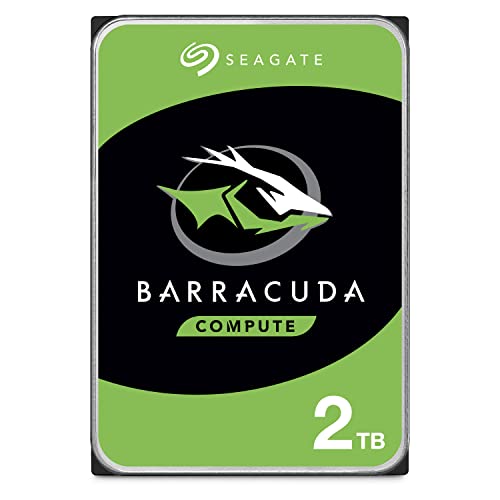
Use this checklist to compare the best 3tb hard drives by speed, durability, warranty and value before you choose storage for home or office.
A 3TB drive sits in a sweet spot for many homes and small offices. It holds large photo libraries, game folders and years of documents without the price jump of much larger models. This guide gives you a clear checklist for judging best 3tb hard drives on speed, durability, ease of use and value, so you can compare options with confidence.
Start by naming your main job for the drive, then work through the criteria below. You can also scan the product table for a quick side by side view of capacity, interface and warranty before you read the details.





How We Evaluate 3tb Hard Drives
Think of this section as a scorecard. A drive that looks strong on price alone can disappoint if it is slow for your workload, noisy in a quiet room or covered by a short warranty. Rate each candidate on every point below, and pay extra attention to the two or three points that match your daily use. That simple habit prevents most buying regrets.
Intended Use and Who It Is For
Your main job decides almost everything else. A drive used for weekly backups needs steady write speed and strong reliability ratings, while a drive for a media library needs quiet operation and enough room for growth. A drive that will travel in a bag needs shock protection and a compact case. Write down your top job, your second job and how full the drive will be in two years. If you expect to pass 80 percent full, consider stepping up in capacity now.
Ease of Use and Setup
Good drives are simple from the first plug in. Look for a clear quick start guide, a standard USB or SATA connection that matches your computer, and software that is optional rather than required. Formatting should take minutes, and the drive should appear in your file manager without extra drivers on modern systems. If other family members will use the drive, choose a model with a simple backup program and plain status lights that show activity and errors at a glance.
Key Performance Specs
For spinning drives, rotational speed and cache size shape how snappy the drive feels. A 7200 rpm drive with a larger cache usually opens folders and copies mixed files faster than a 5400 rpm model, though it may use more power and make a little more noise. Check the stated transfer rate, but value steady real world speed over a peak number. Interface matters too, since USB 3 or faster and SATA III both avoid bottlenecks for this capacity.
Price vs Value
Budget options often land around $60 to $90 and suit basic backup duty with shorter warranties. Mid range options around $90 to $140 usually add faster rotation, larger cache and an extra year of coverage. Premium options above that range tend to focus on quiet operation, metal cases or longer rated workloads. Judge value by cost per terabyte plus warranty length, not by sticker price alone. A slightly higher price is often worth it for a drive that holds your only copy of important files.
Maintenance and Long Term Costs
A hard drive has few running costs, but plan for them early. You may need a replacement cable, a padded case for travel or a second drive for a true backup rotation. Drives also age, so budget to replace a heavily used drive after several years rather than waiting for failure. Keep at least one copy of critical files somewhere else, such as cloud storage or a second drive stored apart. That small habit matters more than any single spec. For backup planning ideas, see our guide to the best hard drives for backups.
Size, Weight, and Fit for Your Space
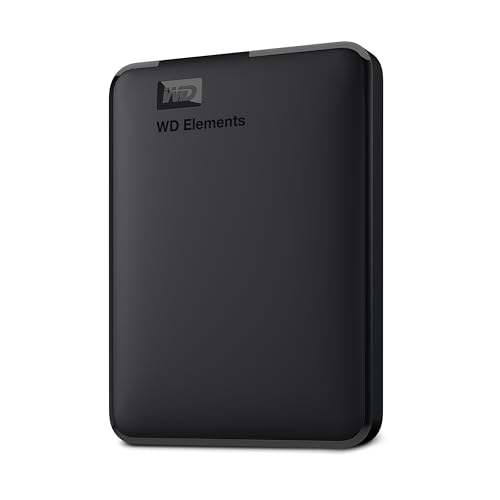
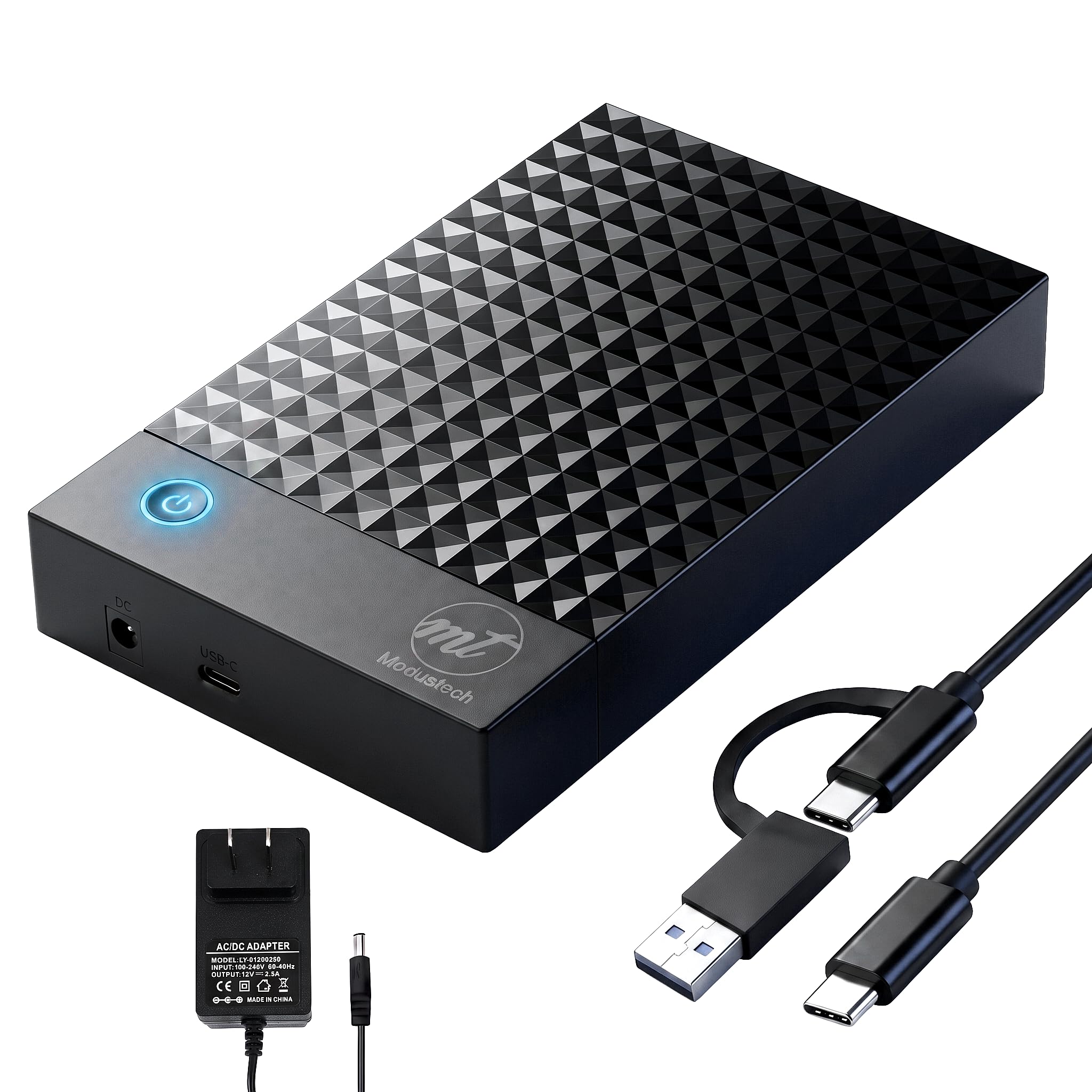
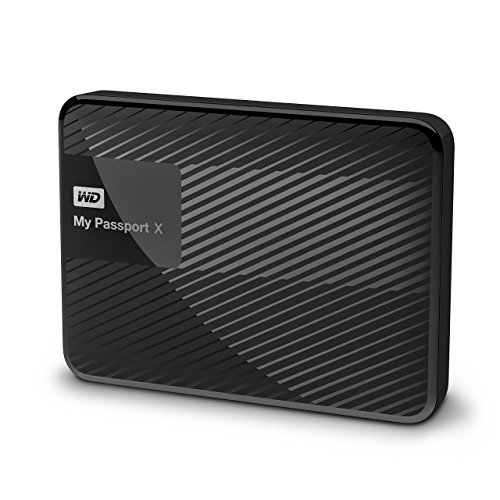
Portable 2.5 inch drives fit in a jacket pocket and draw power from the USB port, which makes them ideal for laptops and travel. Desktop 3.5 inch drives are larger, need their own power supply and stay in one place, but they often run cooler and cost less per terabyte. Measure your desk or shelf space, check cable length and leave room for airflow around vents. A drive that fits neatly is more likely to stay connected and actually get used for backups.
Warranty and Customer Support
A two year warranty is a reasonable minimum at this capacity, and three years is better for a drive that will hold work files. Read what the warranty covers, how you start a claim and whether advance replacement is offered. Good support pages include clear formatting guides, health check tools and honest notes about compatible systems. If you want a broader view of build standards, read our guide to the best quality hard drives for context on what separates careful designs from basic ones.
What Each Price Tier Delivers
Use the tiers below to match the product table to your needs. The same checklist applies at every price, and the best fit is the tier that covers your workload without paying for traits you will never use.
Balanced Choice
An all around choice balances speed, noise and warranty rather than winning one single test. Look for 7200 rpm performance or a well tuned 5400 rpm design, a cache of at least 64 MB, a metal or sturdy case and a warranty of three years. This tier suits mixed use, meaning backups, media storage and everyday file access on the same drive. Expect to pay in the middle of the range, around $90 to $130, and check that backup software is included without a subscription.
Value Choice
A value focused choice keeps the essentials and trims extras you may not miss. You still want a proven interface, clear health monitoring support and at least a two year warranty, but you can accept a plastic case, a shorter cable or bundled software with fewer options. This tier works well for a second backup drive or for archiving files you open rarely. Prices often fall around $60 to $90. Avoid going so cheap that the seller hides the rotational speed or warranty terms.
Premium Profile
A premium tier drive earns its price through quiet operation, a robust case, longer workload ratings and stronger support. Some models in this tier add hardware encryption, helpful for work files or personal records you carry between places. Others focus on cool, steady performance for a drive that stays on all day. Expect prices above around $140. This tier makes sense when downtime would be costly or when the drive will serve a small team rather than one person.
Quick Buyer Checklist
Before you buy, answer each question below with a clear yes. If you hit a no, pause and look for a drive that fixes that point.
- Does the capacity leave at least 20 percent free space after you copy your current files?
- Does the interface match your computer without an adapter you might lose?
- Is the rotational speed and cache size stated clearly by the maker?
- Is the warranty at least two years, with claim steps you understand?
- Does the size fit your desk, bag or drive bay with room for airflow?
- Do you have a plan for a second copy of your most important files?
- Does the total cost, including any case or cable, fit your budget?
If you are still comparing basic drive types, our guide to the best hard disk drives explains the wider category in plain terms.
Red Flags to Watch For
Walk away from listings with vague specs that hide rotational speed, cache or interface version behind marketing words. Be cautious when a seller offers a very long warranty but provides no clear claim process or support address. Unusually low prices paired with many reviews that mention early failure deserve extra care. Also watch for drives sold as new that show signs of prior use, such as high power on hours in a health check. Finally, avoid models that require special software just to copy files, since that can trap your data if the program stops working.
Best 3tb Hard Drives for Specific Needs
Most buyers share the same core needs, but a few jobs change the checklist in important ways. Network storage is the clearest example, because a drive in a NAS box runs for long hours and often works alongside identical drives in an array.
Best Nas 3tb Hard Drives
When you shop for best nas 3tb hard drives in spirit, focus on drives rated for always on use, with firmware tuned for arrays and higher annual workload ratings. Vibration control matters because several drives spin in one enclosure. Choose a model listed as compatible with your NAS brand, keep all drives in the array the same capacity, and plan cooling carefully. A consumer desktop drive can work in a pinch, but a NAS rated drive is the safer long term choice.
Care and Maintenance Tips
Read the manual before first use, especially the notes on safe removal and formatting. Clean and inspect the drive regularly, wiping dust from vents and checking cables for wear. Store a portable drive in a dry place away from heat and direct sun, and never move a spinning desktop drive while it is working. Run a health check every few months, listen for new clicking sounds and copy important files elsewhere at the first sign of trouble. For more on everyday drive care, see our guide to the best hdd hard drives.
3tb Hard Drives: Your Questions Answered
What features matter most when buying 3tb hard drives?
Reliability, interface match and warranty matter most. A drive that connects cleanly to your computer, carries at least a two year warranty and reports its health through standard tools will serve you better than one that wins only on peak speed. Add rotational speed and cache as your next checks, then noise and case build. One extra tip is to confirm the file system the drive ships with, since reformatting for a different system takes time.
How much should I spend on a 3tb hard drive?
Most buyers do well in the range of about $80 to $130. Spending less can work for a second backup drive, while spending more makes sense for always on use or a metal case. Include small extras in your total, such as a travel case or a longer cable. A useful rule is to spend a little more on the drive that holds your primary copy, and save on the drive that holds a duplicate.
Are expensive 3tb hard drives worth it?
They can be worth it when the higher price buys a longer warranty, quieter operation or a rating for heavier workloads. They are less worth it when the price only buys styling or bundled software you will not use. Compare the warranty length and workload rating side by side. If those two numbers match a cheaper option, the cheaper option is usually the smarter buy for home use.
How do I maintain a 3tb hard drive?
Keep the drive cool, dry and free of dust, and always eject it safely before you unplug it. Run the maker health tool a few times a year and watch the reported temperature and error counts. Keep at least 10 percent of the space free so the drive can manage files smoothly. If the drive starts to feel much slower, test it soon rather than waiting, because early action gives you time to copy files to a fresh drive.
How long does a 3tb hard drive last?
Many drives last three to five years of regular use, and some last longer with light duty and good cooling. Lifespan varies a lot, so treat any drive as temporary storage for your only copy. Heat, drops and constant heavy writes shorten life the most. Plan a replacement cycle for important drives, and retire a drive from primary duty once health tools report growing errors, even if it still seems to work.
Final Thoughts
Focus on fit for your main job, a clear spec sheet and a warranty you trust. Those three points will guide you to best 3tb hard drives that feel fast enough, stay reliable and cost a fair price for the value they deliver. Use the checklist above, compare your shortlist with the product table, and keep a second copy of anything you cannot replace. If you also need a portable option, our guide to the best hard external hard drives covers that format in more detail.