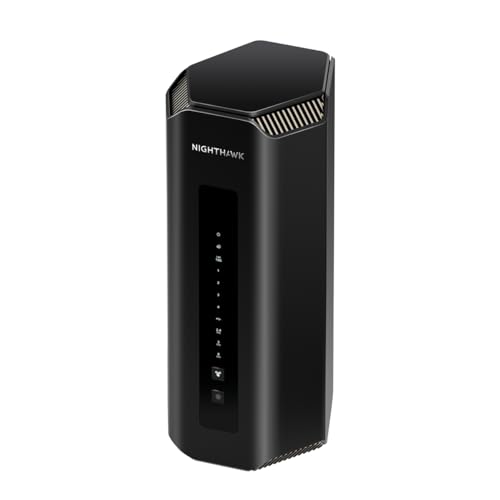
Best 1gb Routers 2026 Buying Guide for Gigabit Internet
Disclosure: We may earn a commission when you buy through links on this page, at no extra cost to you. As an Amazon Associate I earn from qualifying purchases. Learn more
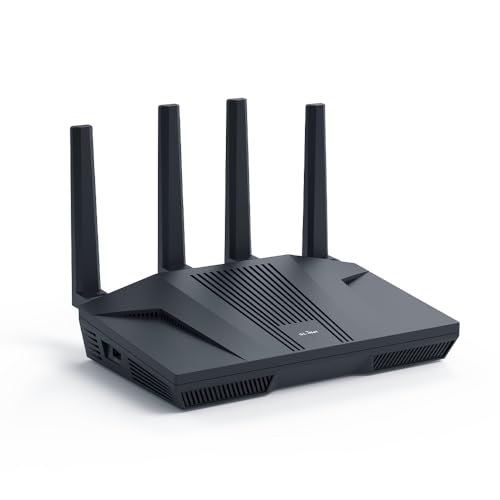
Best 1gb routers made simple: match WAN speed, wifi standard and coverage to your gigabit plan and home size.
A 1 gigabit internet plan needs a router that can deliver that speed where you use it, and the best 1gb routers do that with the right WAN port, wifi standard, and device capacity. The headline plan speed is only part of the story, since wifi, placement, and device capacity decide what you feel in each room. The product table shows the main options side by side so you can match a router to your home.
Start with your plan and your modem, since a router cannot exceed what your connection provides. Then check the WAN port speed, wifi standard, and coverage for your house size. A router that matches your plan, covers your rooms, and handles your devices together is worth more than one with a single extreme figure.


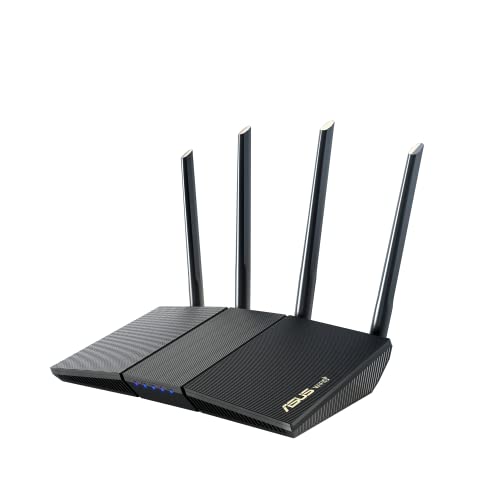

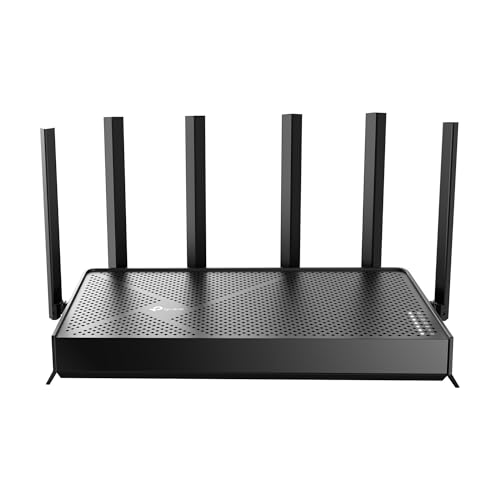

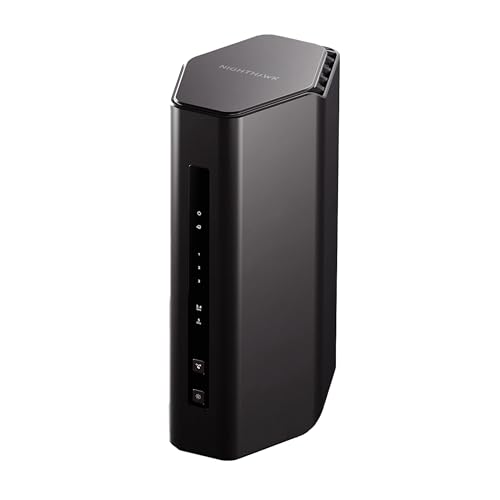


Who Should Buy a 1gb Router
A 1gb router suits a home on a gigabit plan with several people streaming, gaming, and video calling at once. It also suits a home office where video calls and large uploads need steady performance, and a household with many smart devices competing for airtime. If your plan is slower, a good midrange router may serve you just as well for less money.
It is less suited to a small flat with a few devices and a slower plan, where coverage and simplicity matter more than gigabit capacity. Also consider a mesh system for a large house, since one router, however fast, cannot cover every corner alone.
Key Features of the Best 1gb Routers
WAN speed and wifi standard come first. The WAN port should match or exceed your plan speed, and the wifi standard should suit your devices, with wifi 6 as a solid baseline and wifi 7 for newer devices and busy homes. Speed ratings on the box describe combined bands under ideal conditions, so treat them as a guide, not a promise for one device.
Device capacity, ports, and security come next. Multi user technologies help when many devices share the network, while wired ports matter for fixed devices such as a desktop, a console, or a TV box. Automatic security updates, a guest network, and simple parental controls add everyday value. For provider and plan specific choices, see best routers for spectrum, best wlan routers, and best routers for 1gb internet.
Placement, Coverage, and Setup
Place the router centrally, raised, and away from thick walls, metal objects, and other electronics for the best coverage. A router hidden in a cupboard or behind a TV will underperform no matter how fast it claims to be. Check speed in the rooms you actually use, not just beside the router, since distance and walls change results.
Use wired connections for fixed devices that need steady speed, such as a work desktop or a game console, and reserve wifi for mobile devices. Keep firmware updated, change default passwords, and set up a guest network for visitors. If dead zones persist, a mesh add on or a wired access point usually helps more than a faster single router.
Common Mistakes to Avoid
One mistake is buying a router faster than your internet plan and expecting the plan to speed up, which it cannot. Another is placing the router poorly and blaming the model for dead zones. A third is judging a router by one speed check beside it, which hides real room performance.
Also avoid ignoring device capacity, since a home with dozens of smart devices needs a router that handles many connections well. Finally, do not neglect security updates and passwords, which protect your network far more than raw speed. A fast but insecure router is a poor buy.
Living With a Gigabit Router Day to Day
A gigabit router only delivers its speed when the whole chain cooperates, from the internet plan to the device in your hand. Check wired devices first for full speed, since wifi speeds vary with distance, walls, and neighbours. If wired speeds match your plan but wifi lags, placement and channel settings usually matter more than a new router.
Device management becomes more important as households add phones, laptops, televisions, and smart gadgets. Give important devices priority where the router allows it. A regular glance at connected devices also reveals forgotten gadgets or neighbours using an old shared password.
Over time, revisit placement as furniture and routines change. A central, elevated, open position usually beats a corner spot, however tidy the corner looks. Small placement changes often improve coverage more than expensive upgrades.
A Final Check Before You Order
Before ordering, confirm your internet plan speed and whether your provider supplies a modem that must stay in place. Check WAN port speed against your plan, since a slower WAN port caps everything downstream. Also confirm wifi standards on your main devices, since an old phone or laptop cannot use the newest wifi features however good the router is.
Compare coverage features honestly against your home size and layout, including mesh options for large or awkward homes. A single strong router suits a smaller home, while a mesh system suits a large house with thick walls. Read recent feedback on stability, since a fast router that needs frequent restarts will frustrate everyone in the house.
Finally, budget for cables and placement accessories, since a gigabit setup often needs a better cable run or a small switch. A short, high quality cable to a desktop can deliver full speed immediately, while a long old cable may cap it.
Long Term Value
A gigabit router often serves a household for many years, through plan upgrades, new devices, and changing layouts. Choose a model with a strong update history and solid support, since security updates matter long after the purchase. A router that receives regular firmware updates stays safer and more stable than one abandoned by its maker.
Plan for growth by choosing a router with spare ports and modern wifi standards, so new devices join easily without replacing the whole setup. Households with many smart gadgets should also check how many devices the router handles comfortably, since a router that struggles under fifty connected gadgets will frustrate everyone.
Keep router login details in a safe place, since losing them turns a simple settings change into a full factory reset. A password manager note solves this neatly.
Frequently Asked Questions
Do I need a special router for 1gb internet?
You need a router whose WAN port and wifi can handle gigabit speeds, though many modern routers do. Check the WAN port rating and wifi standard rather than assuming any router suffices. An older router with a slower WAN port will cap your plan, no matter how fast the plan itself is.
Will a 1gb router give me 1gb on wifi?
Not usually for a single device, since wifi speed depends on the device, distance, walls, and interference. Wired devices come closest to plan speed, while wifi devices typically run slower, especially far from the router. For the fastest wifi, use a modern device near the router on a clear band.
What is the difference between wifi 6 and wifi 7?
Wifi 7 offers faster top speeds and better handling of many devices and busy airwaves than wifi 6. Wifi 6 remains a strong choice for most homes and devices. Choose wifi 7 if you have newer devices and a busy household, and wifi 6 if your devices and budget point that way.
Should I choose a mesh system or a single router?
For a large or awkwardly shaped house, a mesh system usually gives more even coverage than a single router. For a smaller home, a single well placed router often suffices. Choose by coverage needs first, then by speed, since a fast router cannot fix a dead zone alone. Wired backhaul between mesh nodes, where possible, keeps speeds steadier than wireless links alone.
How do I check my router speed properly?
Use a wired device for plan speed, and wifi devices in the rooms you actually use for real coverage. Run speed checks at different times, since neighbours and peak hours affect wifi. Compare results to your plan and to your needs, not just to the box rating. Note the room and time for each check, since both affect wifi results more than people expect.
Final Thoughts
Match the router to your plan, your house, and your devices, and check speeds where you actually live and work. WAN speed, wifi standard, coverage, and device capacity together matter more than any single headline number. The product table above compares the main options, so use it to narrow your choice before you order. With the right match, the best 1gb routers deliver the gigabit plan you already pay for.