Best 18v Impact Drivers (2026): Buying Guide
Disclosure: We may earn a commission when you buy through links on this page, at no extra cost to you. As an Amazon Associate I earn from qualifying purchases. Learn more

What to check before you buy the best 18v impact driver: torque, speed modes and battery platform, and which type fits your home.
Torque figures alone make choosing an 18v driver confusing, because two tools with similar numbers can feel very different on a long deck screw or a stubborn lag bolt. The best 18v impact driver for you is the one that matches your fasteners, your battery platform, and the spaces you work in. Size, speed control, and runtime matter just as much as raw power.
This guide compares the main types of 18v models by power, battery platform, runtime, and handling, with no single winner pushed for every job. Use the comparison table below to line up the types side by side, then work through the criteria that follow. If you want the wider picture across all voltages, start with our guide to the best impact driver and come back here for the 18v details.
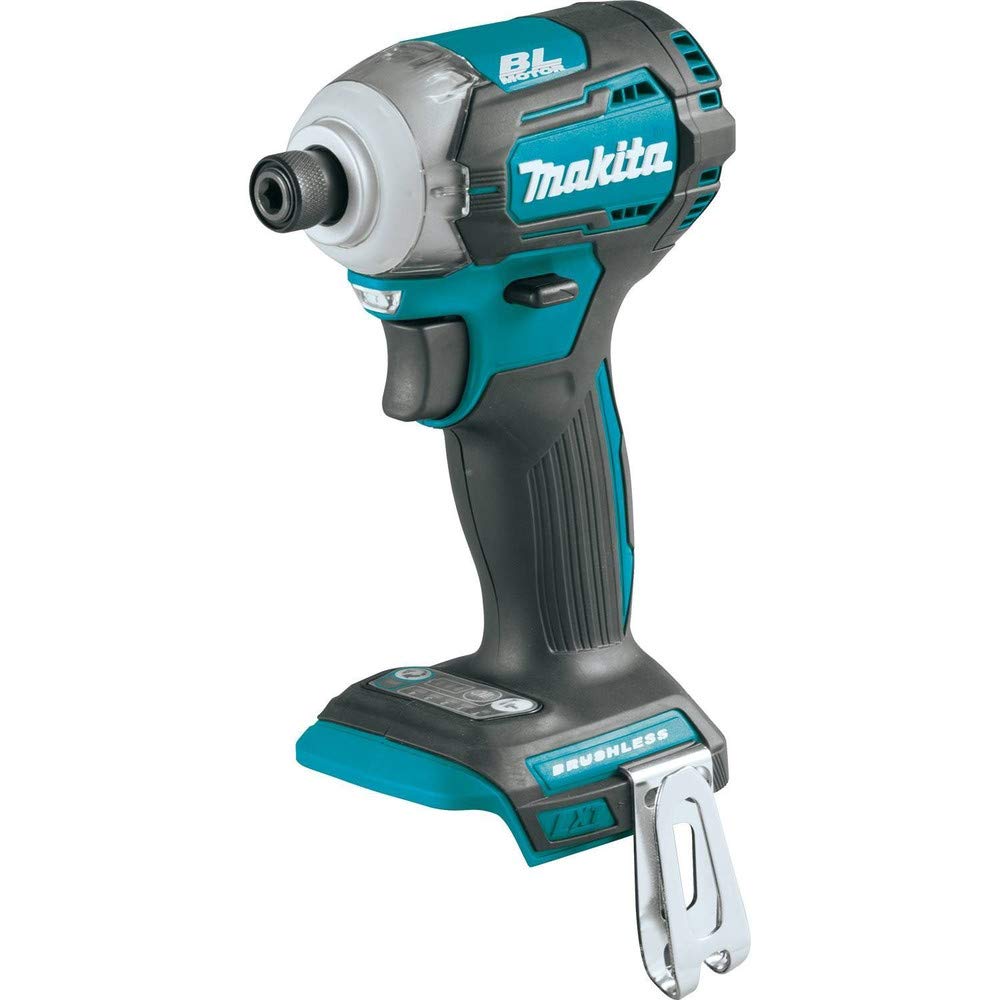


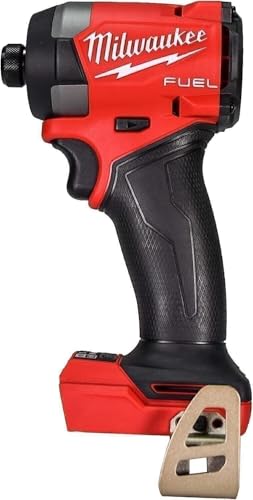


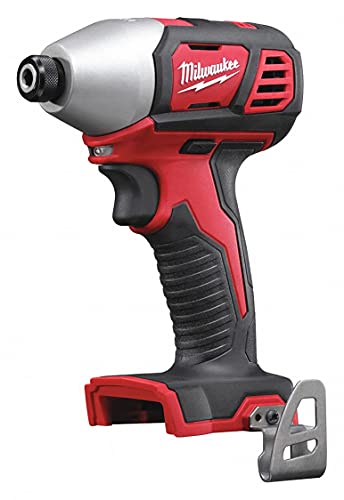
18v Impact Driver Types at a Glance
Most 18v models fall into three groups, and each group trades power, size, and noise in a different way. Knowing which group fits your projects narrows the field fast, before you compare torque numbers or prices.
- Standard brushless models: the all round choice for decks, framing, and general construction, with the highest torque in the 18v class.
- Compact models: shorter bodies for work inside cabinets, between studs, and above your head, with moderate torque.
- Hydraulic models: oil based impulse mechanisms that run far quieter, suited to indoor finishing work and occupied homes.
Household projects such as hanging shelves, building storage, and fixing fences usually sit in the compact or standard group. Our guide to the best impact driver for home use covers that lighter end of the range in more depth if your list of jobs is mostly indoors.
18v Impact Driver Types Compared
Standard Brushless Models for General Work
A standard 18v brushless driver is the safest default for mixed work, from driving long structural screws to assembling outdoor furniture. Expect the strongest torque in the class, three or four speed settings, and a body long enough to need both hands for steady control on large fasteners. Weight is the main cost, since a big battery on a full size body gets tiring during a long day of overhead work.
Compact Models for Tight Spaces
Compact 18v drivers shorten the head length so the tool fits between joists, inside cabinet carcasses, and behind plumbing where a standard body will not go. You give up some peak torque, yet most compact models still drive deck screws and medium lag bolts without drama when you use pilot holes. If most of your driving happens in cramped spots, look at the best compact impact driver options before paying for torque you cannot use.
Hydraulic Models for Quieter Indoor Work
Hydraulic drivers replace the usual metal hammer and anvil with an oil filled impulse unit, and the change cuts noise sharply while softening the kick you feel in your wrist. Peak torque is lower, so they suit trim screws, cabinet hardware, and flat pack assembly rather than heavy lag bolts. The smoother pulse also reduces cam out, which helps when you drive visible screws into finished surfaces.
How to Evaluate 18v Impact Drivers
Judge every model against the same short list: torque and speed settings, the battery platform behind it, size and weight in your hand, build quality, and warranty cover. Maker specification sheets give you comparable numbers for torque, impacts per minute, and no load speed, so use those published figures rather than marketing claims.
How to Choose the Right 18v Impact Driver
Match the Driver to Your Fasteners
Start with the largest fastener you drive often, not the largest you might ever meet. Short wood screws and cabinet hardware need only modest torque and reward fine trigger control, while lag bolts and structural screws ask for the top torque figures and a slower starting speed. Deck screws sit in the middle, where impacts per minute matter because speed across hundreds of screws saves real time.
Torque, Speed and Control Modes
Torque for 18v drivers is quoted in inch pounds, and higher numbers help with large fasteners in dense timber. Multiple speed modes matter more day to day, because a low mode lets you start small screws without snapping them or spinning them through soft material. Some models add an assist mode that slows the first turns, then speeds up once the screw bites.
Battery Platform and Runtime
Your existing batteries should steer this purchase, because the platform you already own decides your real cost. A driver sold without a battery looks cheap until you add a pack and charger from a new system. Amp hour ratings tell you runtime: a slim 2.0 Ah pack keeps weight down for overhead work, while a 5.0 Ah pack drives far more screws per charge on a deck build.
Brushless Motors Explained
Brushless motors control power electronically instead of through carbon brushes that rub and wear, so they waste less energy as heat and usually extend runtime per charge. Brushed models still exist at low prices and drive screws perfectly well, but they need brush replacement over time and offer fewer control options. For a driver you plan to keep for years, brushless is the sensible default in this class.
Size, Grip and Lighting
Head length decides where the tool can work, so measure your tightest common spot, such as inside a cabinet, and compare it with the stated length before you buy. Grip shape matters over hundreds of screws: a slim handle with a rubber overmold stays secure when your hands are dusty or gloved. Weight figures should include the battery you will actually fit, not the bare tool alone.
Accessories and Warranty
Budget for impact rated bits from the start, because ordinary driver bits can shatter under repeated hammer blows. A small case of the sizes you use most, plus a magnetic bit holder, covers nearly all home and site work. Warranty length varies by maker, and a longer term with local service support protects a tool that earns its keep weekly. Our walkthrough on how to use an impact driver shows the bit changes and trigger habits that keep those accessories lasting longer.
How Much Should You Spend
Entry level 18v kits at about $80 to $120 usually pair a brushed or basic brushless driver with one small battery, which suits light home use. Spending about $120 to $180 typically buys a brushless model, two batteries, and extra speed modes, and this is where most buyers get the best balance. Kits above about $200 add higher output batteries, tougher cases, and flagship torque that only regular framing or deck work justifies. Tool only purchases under about $100 make sense solely when you already own matching batteries and a charger.
18v vs Other Options: Pros and Cons
The 18v class sits in a useful middle ground. Compared with 12v tools, an 18v driver brings clearly more torque and a far wider battery platform, at the cost of extra size and weight on every job. Note that some brands label the same class as 20v max, which describes peak voltage rather than a stronger tool, so compare torque and platform instead of the volt badge.
An impact driver is also not the tool for every turning job. It excels at driving screws and bolts with its quarter inch hex chuck, but it cannot match the socket capacity of an impact wrench on large lug nuts. If your work leans toward vehicle fasteners, read our comparison of impact driver vs impact wrench first, and see the guide to the best impact driver for automotive for the driving tasks that stay within driver territory.
Care That Keeps an Impact Driver Working
Blow dust out of the motor vents with dry air after dusty jobs, because packed vents trap heat and shorten motor life. Wipe the chuck and check that bits still lock in without play, since a worn chuck lets bits tilt and strip screw heads. Store batteries partly charged in a cool dry place rather than on a charger for months, and keep the tool itself out of damp sheds where contacts corrode.
FAQ
What is the best 18v impact driver?
There is no single answer, because the right choice depends on your fasteners, your battery platform, and where you work. A standard brushless model suits varied construction work, a compact body suits cabinets and tight bays, and a hydraulic model suits quiet indoor finishing.
Are 18v impact drivers worth it?
Yes, for most people who drive screws regularly, because the class balances real torque with a manageable size and the widest battery sharing of any platform. A 12v tool feels nicer for light assembly, yet it runs out of strength on lag bolts and long structural screws.
How long does an impact driver last?
A well kept 18v driver often serves for many years of regular use, and brushless models remove brush wear, one of the common failure points in older tools. Batteries usually age out first, losing noticeable runtime after a few years of heavy cycling, though the platform means replacements stay easy to find. The chuck and the gear case are the other wear areas to watch. Replacing a tired pack usually restores a driver that otherwise still feels solid.
Is an impact driver worth it if you already own a drill driver?
It depends on volume. For a handful of screws each month, your drill driver with a clutch already does the job, and a second tool adds cost and storage. Once you face a deck, a fence, or a room of flat pack furniture, the driver wins on speed and on how little twisting force reaches your wrist.
How do you clean an impact driver?
Remove the battery first, then wipe the body with a dry or slightly damp cloth and clear the vents with a soft brush. Never spray water or solvents into the vents or around the trigger, because liquid inside the housing attacks the electronics and the switch contacts. Clean around the battery contacts with a dry cloth only, and let the tool dry fully before refitting a pack. A drop of attention after dusty work prevents most of the grime buildup that makes triggers feel gritty.
What is the most reliable impact driver brand?
No single brand wins for everyone, and reliability has as much to do with support as with the tool itself. Look for a maker with a clear warranty process, service centers you can actually reach, and spare parts and batteries that stay on sale for years. A platform that keeps supporting older tools protects your purchase long after a new model appears. Reading recent owner reports for a specific model tells you more than any brand level reputation, since quality varies between models in the same range.
Final Thoughts
Pick your type first, standard, compact, or hydraulic, then check torque, speed modes, and the battery platform you will live with. The product table above pulls those details together so you can compare without rereading every section. Chosen that way, the best 18v impact driver is simply the one sized for your fasteners, light enough for your longest jobs, and powered by packs you already own or are happy to build on.