Best 18 Inch Chainsaws in 2026: Gas, Battery and Corded Guide
Disclosure: We may earn a commission when you buy through links on this page, at no extra cost to you. As an Amazon Associate I earn from qualifying purchases. Learn more

Compare the best 18 inch chainsaw by gas, battery and corded types, plus bar size, safety features and upkeep for firewood and yard work.
An 18 inch bar sits in the middle of the chainsaw range, big enough for felling small trees and bucking firewood logs, yet still manageable around a yard. The hard part is that the best 18 inch chainsaw for you depends less on the bar than on the power source, weight, and chain setup behind it. This guide compares gas, battery, and corded types, then walks through the features that actually change how the saw cuts and how tiring it feels to use.
Read the three power types below side by side, then continue for sizing advice and care steps. If you are still deciding whether you even need this size class, our guide to the best chainsaw covers the full range from small pruning saws up to large felling saws.


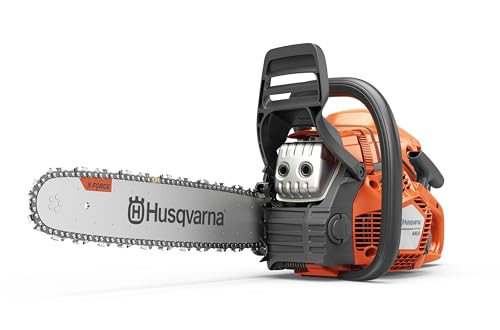
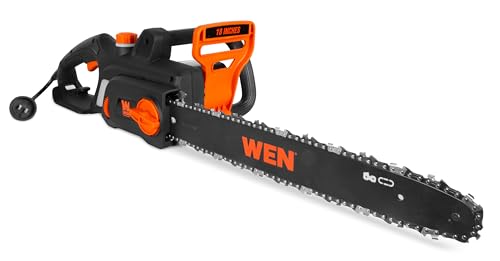


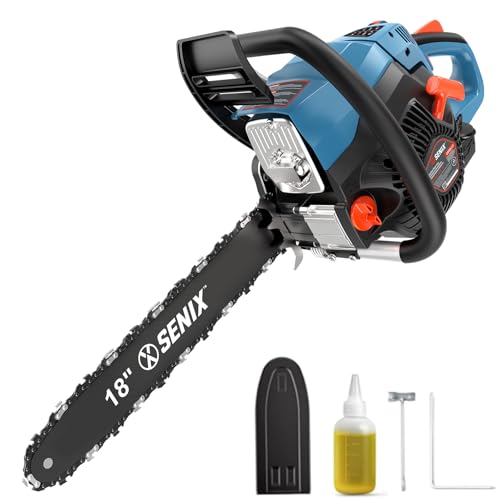
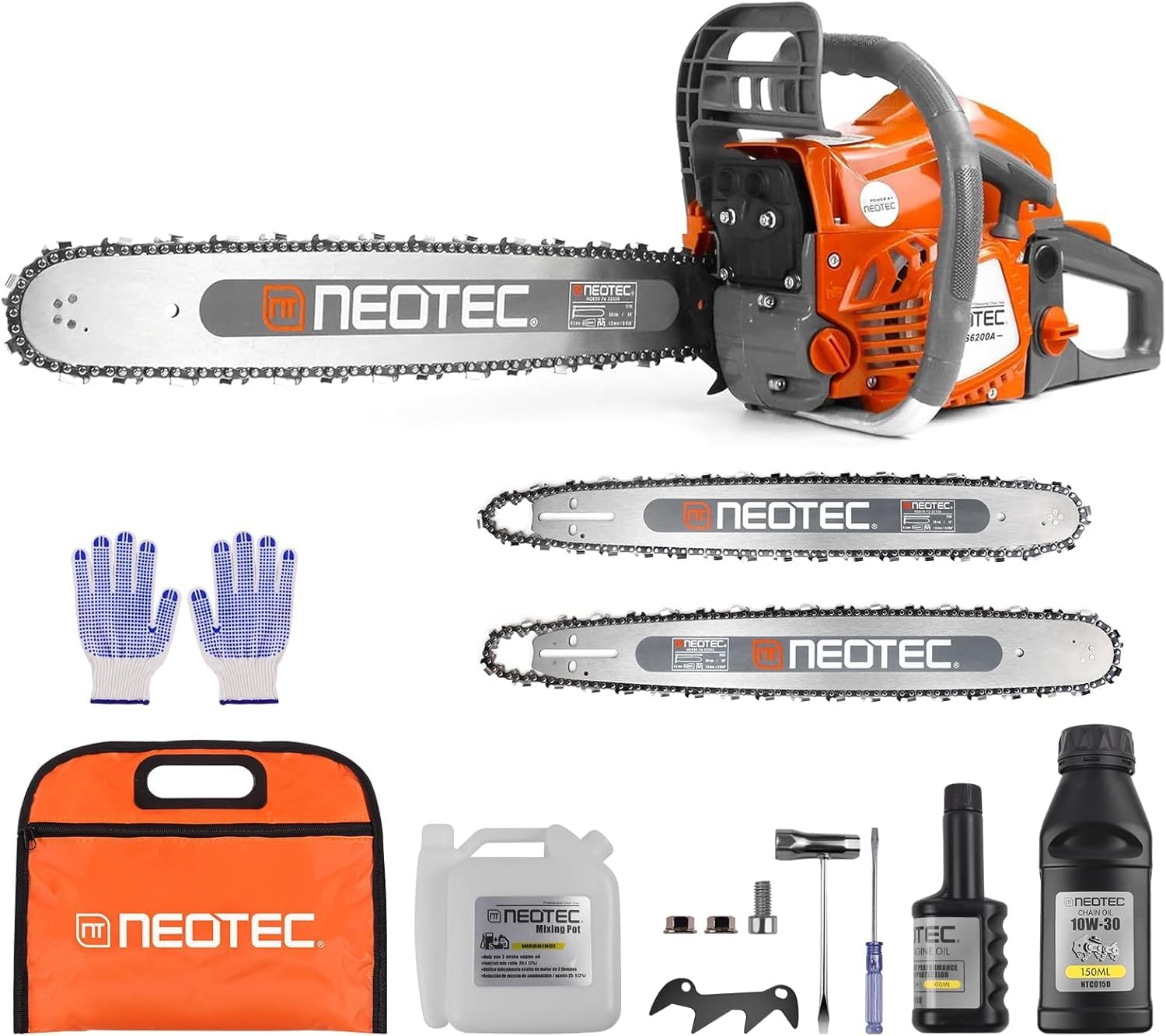
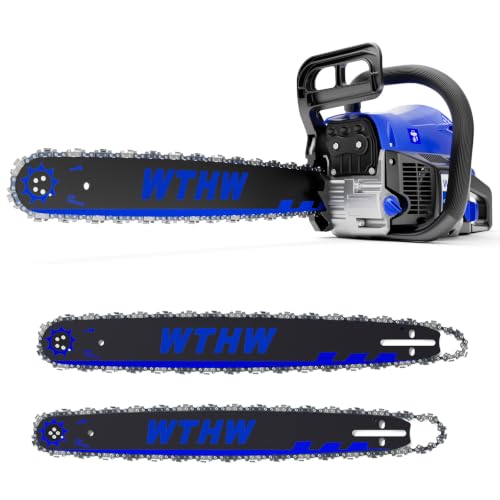

18 Inch Chainsaw Types at a Glance
Every 18 inch saw falls into one of three power types, and the type decides most of your ownership experience. Gas models give you unlimited run time and the strongest cutting power in this size, but they need fuel mixing, pull starting, and more upkeep. Battery models start with a button and run quietly, yet run time depends on the pack you own. Corded electric models cost the least and need almost no upkeep, but the cord limits where you can work.
Three Power Types Compared
Gas 18 Inch Chainsaws
Gas saws in this size usually run engines of about 40 to 50 cc, which is enough power to buck hardwood logs of 14 to 16 inches without bogging down. They suit rural properties, large firewood piles, and storm cleanup far from an outlet. Expect more weight, more noise, and routine work like mixing fuel and cleaning the air filter. If you cut for hours at a time, a gas saw repays that effort with steady power and no waiting on a charger.
Battery 18 Inch Chainsaws
Battery saws use brushless motors powered by large packs, commonly in the 40 volt to 80 volt classes, and they have closed the power gap with gas for most yard tasks. One charged pack typically handles a modest stack of limbs and logs, and a second pack keeps you working while the first charges. They start instantly, need no fuel, and store indoors without fumes. If quiet operation and low upkeep matter most, compare the options in our guide to the best battery chainsaw before you commit to a battery platform.
Corded Electric 18 Inch Chainsaws
Corded models draw steady power from an outlet, so they never run out of charge and never need fuel. Motors in this class are rated by amps rather than cubic centimeters, and they handle pruning, limbing, and cutting small logs near the house with ease. The trade off is reach, since a heavy duty outdoor extension cord of 100 feet or less sets your working radius. They are also the lightest and cheapest way into the 18 inch size, with the simplest upkeep of any type.
How We Compare 18 Inch Chainsaws
We judge each saw on the same five factors, using maker specifications and patterns in verified buyer feedback. Those factors are build materials and weather resistance, cutting capacity for the bar size, ease of assembly out of the box, durability of the chain and oiler systems, and warranty length. When you weigh the best 18 inch chainsaw for your own yard, run the same five checks in that order, because a saw that fails on capacity or warranty rarely makes up for it with a low price.
How to Choose the Right Chainsaw
Size and Form Factor
Bar length is measured from the tip of the bar to where it enters the housing, and an 18 inch bar can cut a log of about 16 inches in one pass or a wider log in two passes from opposite sides. Form factor matters just as much. Rear handle saws give you two handed control and suit ground work like bucking and felling, while top handle saws are built for trained arborists working in a tree and are a poor match for general yard use. Shorter bars of 12 to 16 inches feel nimble for pruning, while 20 inch and longer bars add weight that most homeowners do not need.
Features Worth Paying For
Three features earn their cost on an 18 inch saw. An automatic oiler keeps the chain lubricated as you cut, and an adjustable one lets you match oil flow to dry hardwood or wet softwood. A chain brake that stops the chain when the saw kicks back is a safety feature worth insisting on, not an upgrade. Tool free chain tensioning lets you snug a stretched chain in seconds without hunting for a wrench. A battery saw sold with a battery and charger in the box also saves a second purchase, and a carrying case keeps the sharp chain covered in storage and in the truck.
Materials and Weather Resistance
Housings on homeowner saws are usually molded polymer, which resists dents and keeps weight down, while pro leaning models use magnesium parts that shrug off heat and rough handling. Neither type is waterproof, so store the saw dry and never leave it out in rain between sessions. Bar and chain steel quality shows up in how often you sharpen and how soon the bar rails wear into a groove. A saw that lives in an unheated shed will start and run more reliably if you wipe it down and oil the bar before putting it away.
Size for Your Space
Think about where the saw works and where it sleeps. An 18 inch saw needs a shelf or floor space of roughly 36 inches once you add the bar cover and a fuel can or charger. Tight suburban lots also favor battery or corded models, since gas exhaust and noise carry across fences and some neighborhoods limit engine noise hours. If your trees sit at the far end of a large lot, a corded saw may never reach them, and that fact alone can settle the type question.
Assembly and Setup
Most 18 inch saws ship with the bar and chain packed separately, so plan on about 15 minutes to mount the bar, loop the chain in the correct direction, and set the tension before the first cut. The chain should sit snug against the bar yet still pull around by hand with a gloved grip, with no sag hanging below the bar. Gas models also need the fuel mix measured correctly for the engine, and battery models need the first pack charged in full. Our chainsaw buying guide explains these setup checks alongside the sizing rules if you want the full picture in one place.
How Much Should You Spend?
Corded 18 inch saws often sell for about $80 to $150 and cover light yard work near the house. Battery models with a pack and charger included usually land at about $200 to $400, with the battery platform driving much of that cost. Gas saws in this size commonly run about $200 to $500, and the top of that range buys stronger engines, better vibration control, and longer warranties. Spending under about $100 limits you to corded power, while about $300 to $500 is where all three types overlap and features, not power source, should drive your choice.
Is an 18 Inch Chainsaw the Right Size for You?
This size fits you if your regular work includes cutting firewood logs, taking down trees up to about 14 inches across, and clearing storm damage a few times a year. It is more saw than a pruner needs, and keen gardeners with only shrubs and small limbs will tire of the weight quickly. In that case, the guide to the best chainsaw for homeowners points to smaller bars that cover typical suburban tasks with less bulk to store and carry.
Safety should shape this decision as much as cutting capacity. An 18 inch saw can kick back hard, so budget for chaps, gloves, eye and ear protection, and a helmet if you fell trees. Never cut above shoulder height, never work from a ladder with a chainsaw, and hire a professional for any tree near a house, a road, or a power line. If you have never run a saw before, a safety course from a local dealer will teach stance and grip habits that protect you more than any single feature can.
Care and Off Season Storage
After each session, brush chips from the bar groove, check the chain for dull or damaged cutters, and top up the bar oil tank so the saw is ready next time. Sharpen the chain when it starts throwing dust instead of chips, and flip the bar each time you swap chains so both rails wear evenly. For storage longer than a month, gas saws need the fuel drained or treated, while battery packs store best indoors at a partial charge. The full routine in our guide on how to clean a chainsaw walks through the sprocket area and air filter steps that quick wipe downs often miss.
FAQs
What is the best 18 inch chainsaw?
There is no single answer, because the right pick depends on your power source and workload. Gas suits long cutting days and remote work, battery suits quiet yards and quick starts, and corded suits light work near an outlet. Match the type to your property first, then compare chain brake design, oiler adjustment, and warranty within that type. A saw that fits your routine will serve you better than a stronger saw you dread pulling out.
What size chainsaw do I need for cutting firewood?
A good rule is a bar at least 2 inches longer than the thickest log you cut often, so an 18 inch bar handles logs up to about 16 inches comfortably. If most of your wood is 10 to 12 inches, a 16 inch saw will feel lighter across a long splitting session. Oversizing the bar adds weight and chain cost without cutting your usual logs any faster.
How long does an 18 inch chainsaw last?
A homeowner grade saw that is cleaned, sharpened, and stored dry often lasts 5 to 10 years of seasonal use. The chain and bar are wear parts and will be replaced several times in that span, while the engine or motor usually outlasts them. Running a dull chain is the fastest way to shorten that life, since the extra strain heats the bar and loads the motor or engine on every cut.
Is an 18 inch chainsaw worth it for a small yard?
It is worth it only if fallen limbs and firewood are regular jobs on your property. For a small yard with a few ornamental trees, a 12 or 14 inch saw or even a pruning saw covers the work at half the weight and cost. Renting a larger saw for the rare big cleanup can also make more sense than owning one that sits unused for years.
How do you clean an 18 inch chainsaw after cutting wet wood?
Wet wood packs damp chips into the bar groove and around the sprocket, so clear those areas the same day before the residue hardens and holds moisture against the metal. Wipe the bar and chain with a light coat of oil afterward, and check that the oiler port is open by running the saw briefly near a clean surface and looking for a fine oil line.
What is the most reliable chainsaw brand?
Reliability in this size class tracks more with the dealer network and parts supply near you than with any single badge. A brand your local shop services, with chains, bars, and sprockets in stock, will keep your saw running with less downtime. A warranty of at least two years and a printed parts list are practical signs the maker supports the saw long term.
Final Thoughts
Start with the power type that matches your property, then let chain brake design, oiler control, weight, and warranty settle the choice. Judged that way, the best 18 inch chainsaw is simply the one you can handle safely for a full session and maintain without fuss. Before you order, confirm that the bar, chain, and any battery or fuel supplies the saw needs are easy to buy in your area.