Best 18 Cu Ft Refrigerators by Budget for 2026
Disclosure: We may earn a commission when you buy through links on this page, at no extra cost to you. As an Amazon Associate I earn from qualifying purchases. Learn more

Compare the best 18 cu ft refrigerators by budget tier, with configuration tradeoffs, energy costs, glass shelf options, and long term costs.
Prices in this size class stretch from a few hundred dollars to well past two thousand, and the gap is not obvious from a showroom floor. The best 18 cu ft refrigerators for your kitchen depend on how the space is laid out, how your household shops, and which features you will still care about in five years. This guide sorts the class by budget so you can see exactly what each extra dollar buys.
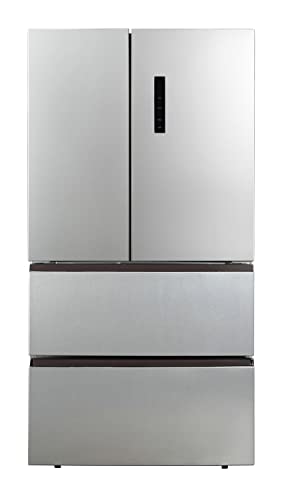
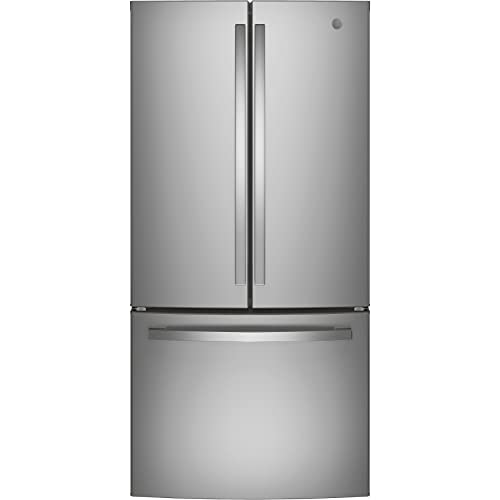
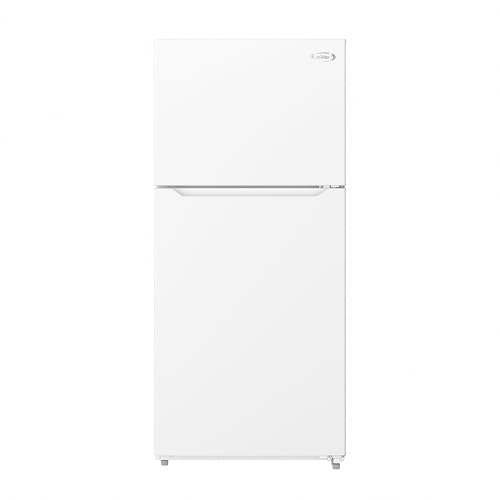
Start with fit, because an 18 cu ft label covers several layouts with very different footprints. The product table shows the picks for this class, and the sections after it explain size, price tiers, and the features that hold their value.







Start with Size: Will an 18 Cu Ft Refrigerator Fit Your Space?
Size governs this purchase before budget does, because the same rated capacity arrives in cabinets of very different shapes. A typical top freezer model in this class stands about 65 to 68 inches tall, runs about 28 to 30 inches wide, and reaches about 30 to 33 inches deep once handles are counted. Measure the doorway path as well as the alcove, since a refrigerator that fits the kitchen but not the hall is a return waiting to happen. Leave about an inch of breathing room on the sides and top for airflow.
Counter depth versions trade interior room for a built in look, sitting shallower so the box aligns with the counter edge. Rated capacity counts every corner, so a counter depth model can feel noticeably smaller inside even at the same 18 cu ft rating. Door swing matters too, because a wide french door or a long top freezer door needs clear space to open fully against counters and islands. Shoppers in older homes with narrow kitchens often find that a standard depth top freezer uses the space most honestly.
What Your Money Gets You at Each Price Tier
Budget Tier: Simple Layouts and Lower Bills
Budget models in this class run about $700 to $1,000 and are almost always top freezer designs with wire or basic glass shelves. You get honest cooling, a simple thermostat dial, and little else, which keeps both the purchase price and the repair bills low. Finishes are usually white or black rather than stainless look coatings. For a rental unit, a first apartment, or a garage backup role, this tier covers the essentials without paying for styling.
Midrange Tier: Better Shelves and Quieter Running
Midrange models run about $1,000 to $1,600 and add the upgrades most households actually feel: spill proof glass shelves, humidity controlled crisper drawers, and gallon door bins. Bottom freezer and french door layouts appear at this level, along with LED lighting that makes the back corners usable. Compressors run quieter and cycle less abruptly than budget units. This is the tier where a family kitchen stops working around the refrigerator and starts working with it.
Premium Tier: Flexible Storage and Finish Choices
Premium models run about $1,600 to $2,500 and spend the extra money on flexibility rather than raw capacity. Expect convertible drawers with their own temperature setting, door in door access panels, and fingerprint resistant finishes. Inverter compressors at this level hold temperatures steadier and run with less vibration, which suits open plan homes. You are paying for convenience features and quieter operation, not for a larger box, so buy this tier only when those touches match your daily routine.
Features Worth Paying For (and Ones to Skip)
Temperature Control and Food Safety
Temperature control is the feature everything else depends on, so check how each model lets you set and verify it. The refrigerator section should hold about 37 degrees Fahrenheit and the freezer about 0 degrees, and models with a digital readout make it far easier to confirm both numbers. A cheap dial with no display can drift several degrees without any sign. A separate small thermometer costs very little and removes the guesswork in any tier.
Energy Efficiency and Energy Star Ratings
An 18 cu ft refrigerator typically uses about 350 to 550 kilowatt hours a year, and the yellow energy guide label on each model states its own figure. Energy Star certified models sit at the efficient end of that range and can trim the yearly total by roughly ten percent against a basic unit. The savings are modest per year but real over a decade of constant running. Compare the label figure rather than the marketing badge when two models sit side by side.
Configuration: Top Freezer, Bottom Freezer, French Door, or Side by Side
Configuration decides how the rated capacity is divided and how often you bend down. Top freezer models are the cheapest and most space efficient, but fresh food sits low. Bottom freezer designs put fresh food at eye level and ask you to dig through a freezer drawer instead.
French door models feel spacious and suit wide platters, though they are rare and costly at exactly 18 cu ft. Side by side layouts give narrow doors for tight kitchens but split the width so wide items struggle.
Capacity and Household Size
A common planning rule allows about 4 to 6 cu ft of total space per person, which puts an 18 cu ft refrigerator right for a household of three or four. Households that shop weekly and cook from fresh ingredients will feel comfortable at that size, while bulk shoppers will not. Remember that the freezer claims roughly a third of the rated volume in top freezer layouts. If your freezer fills first, capacity on paper will not match capacity in practice.
Ice Maker and Water Dispenser
A factory ice maker adds convenience and a plumbing job, because it needs a water line run to the refrigerator. It also claims freezer space and is the part most likely to need a repair visit over the life of the appliance. Through door water and ice dispensers are uncommon at this size and push a model toward the premium tier. If your household rarely uses ice, a pair of trays is the cheaper and more reliable answer.
Noise Level
Noise rarely appears on a specification sheet, yet it decides how a refrigerator feels in a small or open plan home. Inverter compressors run at variable speed, so they avoid the hard start and stop clicks of a basic compressor and settle into a lower hum. Budget models are not loud, but their cycling is easier to notice in a quiet apartment at night. If the kitchen shares a wall with a bedroom, the midrange tier is usually worth the step up.
Picking the Right Layout for Different Uses
18 Cu Ft Refrigerators with Glass Shelves
Glass shelves change how this size class behaves day to day, because a tempered glass shelf contains a spill on one level instead of letting it drip through wire racks onto everything below. Glass also gives a clear view to the back of the shelf, so leftovers stop disappearing behind jars. Look for shelves that split or slide, since a tall bottle or a stockpot needs one section to drop or move. In this size range, full glass shelving usually starts in the midrange tier, and it is one of the upgrades buyers mention most after a year of use.
Layout choice beyond the shelves comes down to the two anchor points of this class: capacity per dollar and the space the cabinet leaves your kitchen. Shoppers who need far more room should compare the best 29 cu ft refrigerators before committing, since a bigger box changes the whole budget picture. Everyone else can treat the tier guide above as the shortlist and the best recommended refrigerators page as a cross check of the wider market.
Long Term Costs to Factor In
The purchase price is only the first payment on a refrigerator that runs every hour of every day. Electricity at the figures above adds up year after year, and a water filter for a dispenser model needs replacing about twice a year at a modest cost per cartridge. Delivery, haul away of the old unit, and a water line kit for an ice maker can add about $100 to $250 to the first bill. A model with common parts and a simple design usually costs less to repair in year eight than a feature heavy model, which is worth weighing against premium tier convenience.
Frequently Asked Questions
Can I put an 18 cu ft refrigerator in the garage?
Yes, if the model is rated for garage use, because a standard refrigerator can stop cooling properly when the garage turns cold. Garage ready models are built to keep working across an ambient range of about 38 to 110 degrees Fahrenheit. In a cold garage, a standard unit may sense that the refrigerator section is already cold and skip cycles, letting the freezer warm up. Check the rating in the specifications before placing any model in an unheated space.
How long should an 18 cu ft refrigerator last?
Most refrigerators in this class last about 12 to 18 years before repair costs start to rival replacement. Simple top freezer models tend to reach the upper end of that range because they carry fewer parts that can fail. Cleaning the condenser coils once or twice a year and keeping door gaskets clean helps any model approach its full lifespan. When a compressor fails on an older unit, replacement is usually the smarter spend.
How much electricity does an 18 cu ft refrigerator use?
Expect about 350 to 550 kilowatt hours a year, with the exact figure printed on the energy guide label of each model. Older and larger models sit at the top of the range, while a current Energy Star certified unit sits near the bottom. Placement matters as well, since a refrigerator wedged against a hot oven or in direct sun works harder. Leave the airflow gaps described earlier and the label figure stays realistic.
What size refrigerator does a family of four need?
Using the planning rule of about 4 to 6 cu ft per person, a family of four needs about 16 to 24 cu ft in total, so an 18 cu ft model works when the household shops weekly. The catch is the split between sections, because the freezer share of a top freezer layout can fill fast with bulk buys. Families who freeze large quantities often do better with a slightly larger model or a small separate freezer. Measure your current freezer load before deciding.
Are counter depth refrigerators worth it?
They are worth it when the kitchen walkway is tight or the design calls for a flush, built in line along the counters. The premium is often about $200 to $400 over a standard depth model of the same rated size. What you give up is interior depth, which shows up as shallower shelves and less room for wide trays. In a roomy kitchen, standard depth gives more usable space for less money.
Wrapping Up
The short version: measure first, let the tier match your routine, and spend on temperature control and shelving before styling. The best 18 cu ft refrigerators for most households sit in the midrange, where glass shelves, quiet compressors, and sensible layouts meet a fair price. Compare your finalists in the product table, and check the energy guide figure on the exact model before you order.