
Best 16 oz Water Bottles (2026): Size, Features and Buying Tips
Disclosure: We may earn a commission when you buy through links on this page, at no extra cost to you. As an Amazon Associate I earn from qualifying purchases. Learn more

What matters when choosing the best 16 oz water bottle: size, features, budget and the mistakes to avoid.
Sixteen ounces is the size that quietly disappears into a household routine. It fits the car cup holder on the school run, sits beside a laptop without crowding the desk, and empties at about the pace most people actually drink. Choosing the best 16 oz water bottle for your home comes down to space, who will use it each day, and what you want to spend.
This guide walks through the materials, lids, and care details that separate a bottle you reach for daily from one forgotten in a cabinet. The product table on this page lists current options, so you can narrow your choice first.


Quick Answer: The Three Types Worth Considering
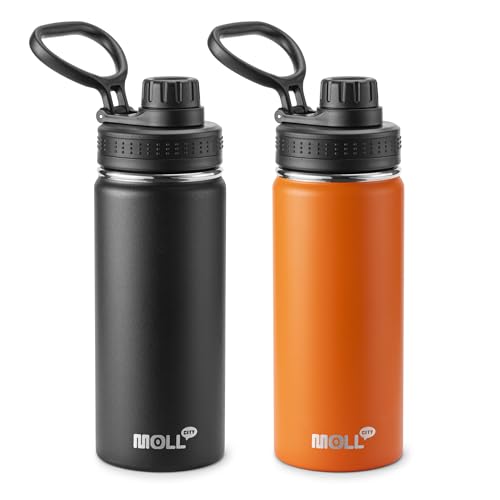
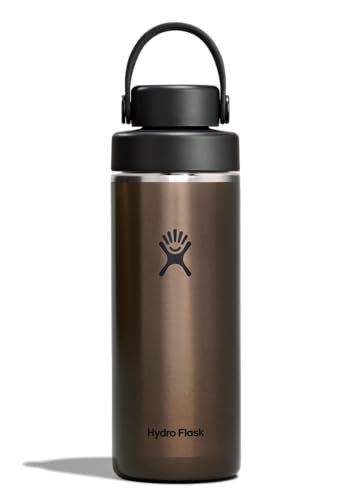
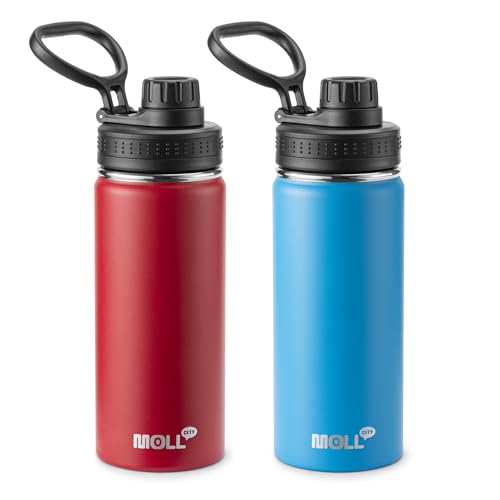
At this size, three bottle types cover almost every household. Insulated stainless steel keeps drinks cold through a workday and shrugs off drops. Glass tastes the cleanest and suits desk and home use where breakage risk is low. Lightweight hard plastic costs the least and tolerates rough handling from kids and gym bags. Your routine, not the shelf display, should decide which type you bring home.
Before You Buy: A Quick Checklist for Choosing a Water Bottle
Size: Match It to Your Space
Sixteen ounces equals two cups of water, roughly one tall glass poured twice. That is smaller than the 20 oz and 24 oz bottles many adults carry, and far smaller than 32 oz, 40 oz, or half gallon jugs built for all day outdoor work. The payoff is fit. A 16 oz bottle slips into standard car cup holders, lunch bags, and most backpack side pockets, and it stands on a crowded refrigerator shelf without tipping. If you refill often and hate carrying weight, this size suits you. If you drink heavily during long shifts away from a tap, a larger bottle will save you trips. Readers comparing every size can start with our overview of the best water bottle options.
Which Type Fits Your Routine
Material decides taste, weight, durability, and cleaning effort. Stainless steel resists dents and does not hold flavors from yesterday's drink. Glass gives the purest taste and shows at a glance when it needs washing, though it needs a sleeve and a gentler hand. Hard plastic is light and cheap, and modern versions are free of BPA, but plastic can pick up odors over time. Insulated steel adds vacuum insulation between two walls, keeping ice water cold for hours at the cost of weight and width. Filtered and collapsible bottles serve narrow jobs like travel, and a guide to what to look for when buying a water bottle covers those specialty types.
Features Worth Paying For, and Ones to Skip
A good lid matters more than almost any extra. Look for a seal that closes with a firm click or a full turn, because a 16 oz bottle spends much of its life lying sideways in a bag. Straw lids suit drivers and desk workers who sip without tilting, while chug style caps suit workouts. Handles help small hands and anyone carrying the bottle by two fingers across a parking lot. Time markers printed on the side help some people pace their intake. Fruit infusers, built in filters for tap water that is already safe, and self cleaning ultraviolet caps mostly add cost and parts to lose, so skip them unless you have a specific reason.
Lead and Cadmium in Coatings and Glazes
The bottle body is rarely the concern here. The risk, when it appears, sits in decorative paints and enamel style finishes on the outside of some cheaply made bottles, where heavy metals have occasionally shown up in regulator reviews. Plain stainless steel and clear glass carry the least uncertainty. If you choose a brightly coated bottle, buy from a maker that states its finishes are lead free and cadmium free, and retire any bottle whose coating is chipping into flakes, since flakes can transfer to hands and then to food.
Dishwasher, Microwave, and Heat Safety
Check the care icons before your first wash, because each material plays by different rules. Most hard plastic bottles go on the top rack of the dishwasher, though heat drying cycles can warp thinner walls. Glass bodies usually tolerate the dishwasher well, while silicone sleeves and straws often wash better by hand. Insulated steel is the strictest: many makers ask for hand washing to protect the vacuum seal and outer finish, though lids are often dishwasher safe. No common water bottle belongs in an oven, and microwaving a sealed or metal bottle is unsafe, so pour drinks in warm.
Set Size and Replacement Part Availability
Singles suit one user testing a new style. Pairs and multipacks cost less per bottle and keep a clean one ready while another sits in the wash, which matters for school and sports schedules. Before committing to a multipack, confirm the maker sells replacement lids, straws, and seals on their own. A bottle whose lid cracks in month three is only a bargain if a new lid costs a few dollars. Open stock availability, meaning you can reorder the same bottle later, also keeps a family set matching.
Realistic Budget Ranges
Under $20 buys a solid hard plastic or basic single wall steel bottle with a simple screw cap, and for many homes that is enough. Between about $20 and $30, you gain vacuum insulation, better seals, and finishes that survive daily washing. Above about $30 and up to $50, you pay for premium insulation, thicker steel, glass with a well fitted sleeve, or a lid system with interchangeable tops. Past that point, extra money mostly buys styling rather than function.
Three Bottle Types Compared for Real Homes
Insulated Stainless Steel for Cold Drinks All Day
This is the type most households settle on. Vacuum insulation keeps water cold from breakfast to dinner, the steel body survives drops onto tile and concrete, and the bottle sweats very little, so desks and car seats stay dry. The trade off is weight: a filled insulated bottle feels noticeably heavier than plastic, and most need hand washing. If your family drinks mostly cold water and shares bottles between house, car, and sideline, our guide to the best stainless steel water bottle styles explains lid and finish choices.
Glass for the Cleanest Taste at Home and Desk
Glass never lends a metallic or plastic note to plain water, and it rinses clean without holding coffee or sports drink flavors. A silicone sleeve adds grip and a modest cushion against bumps, and the bottle looks at home on a dining table in a way sportier styles do not. The limits are real: glass is heavy per ounce carried, it can break in a crowded gym bag, and insulated glass is rare, so drinks warm over a few hours. For readers who drink mostly at home or at a fixed desk, the best glass water bottle roundup covers sleeve and cap styles.
Lightweight Hard Plastic for Kids, Gym, and Spares
Hard plastic bottles cost the least, weigh the least, and forgive the roughest treatment, which makes them the default for school bags, gym kits, and the spare bottle kept in the car. Wide mouth versions accept ice cubes and a bottle brush easily, and printed ounce markers help younger drinkers track progress. Expect to replace them more often than steel, since repeated drops and hot wash cycles cloud the walls and lids loosen over time. For trips where a lost bottle would sting less than a lost steel one, our guide to the best water bottle for travel explains what survives luggage routines.
How We Chose the Types Above
We ranked types, not brands, using the factors households feel every day: material and durability, ease of cleaning, lid and seal design, fit in cup holders and bags, and value. The shortlist reflects maker specifications and patterns in verified buyer feedback about leaks, dents, and lid wear. The ranking is not based on personal use.
Is a 16 oz Water Bottle the Right Size for You?
Sixteen ounces works best as a refill friendly size. A 16 oz bottle makes daily intake simple to track: drain it twice and you have had about four cups. It suits desk workers near a sink, students moving between classes, drivers who refill at stops, and anyone who finds a large bottle too heavy to carry all day. It falls short for long hikes, hot outdoor labor, or workouts where you cannot refill, since a larger size serves you better there. Children often do well at this size too, because a full bottle stays light enough for small hands to lift and tilt safely.
Common Buying Mistakes to Avoid
- Buying for looks alone and ending up with a bottle too wide for your car cup holder, which then rolls around the footwell.
- Ignoring the lid style, so a bottle meant for slow desk sipping ends up in a gym bag where its loose cap leaks onto your clothes.
- Paying for insulation you never use, adding weight and hand washing to a bottle that only travels from refrigerator to couch.
- Skipping the replacement parts check, then throwing away a sound bottle because one cracked lid is no longer sold.
- Choosing a multipack before anyone has lived with the bottle for a week, multiplying a poor fit across the household.
Cost of Ownership and Care
The purchase price is only the start. Figure in a bottle brush that reaches the bottom, replacement straws or seals once or twice a year for lids with moving parts, and the eventual lid swap most steel bottles need after a hard drop. Daily care is simple: rinse after use, wash with warm soapy water several times a week, and let the bottle dry fully with the cap off. A baking soda soak handles the stale smell that builds up in plastic and in lid gaskets. Our step by step guide on how to clean a water bottle covers brushes, soaking times, and the spots most people miss.
FAQ
How many times should you refill a 16 oz water bottle in a day?
For most adults, two to three refills across the day is a sensible target, giving you roughly four to six cups of water from the bottle alongside drinks with meals. Your needs shift with heat, exercise, and body size, so treat the count as a pacing tool rather than a rule. People with medical conditions that affect fluid intake should follow the amount their clinician recommends.
Does a 16 oz water bottle fit in a standard car cup holder?
Usually, yes. Most 16 oz bottles measure about 2.6 to 3 inches across the base, which matches the cup holders in most cars. Insulated steel models sit at the wider end of that range, so measure your holder and compare it with the listed base diameter before ordering. Tall slim bottles fit more cars than short wide ones of the same volume.
Can you put hot drinks in a 16 oz water bottle?
It depends on the material. Single wall stainless steel and glass rated for hot liquids can hold tea or hot water, though the outside of a single wall bottle gets hot to hold. Most hard plastic bottles are meant for cold drinks only, and hot liquid can warp them or stress the seal. Insulated steel handles hot drinks well, but leave the lid cracked for a minute before sealing so pressure does not build.
Why does a water bottle start to smell stale?
The smell usually comes from the lid, not the bottle body. Moisture and tiny traces of drink collect under the silicone seal and around the threads, where a quick rinse never reaches. Pull the seal out once a week, wash it separately, and let every part dry fully before reassembling. Bottles stored sealed while still damp develop the odor fastest, so storing yours with the cap off prevents most of it.
Final Thoughts
The right choice is the bottle your household actually refills. Pick insulated steel if cold water all day matters most, glass if taste and easy washing at home come first, and hard plastic if low cost and low weight win. Whichever type you choose, the best 16 oz water bottle is the one whose lid you trust in a bag and whose size fits your cup holder, and the product table above can help you compare finalists.


