Best 16 Inch Pizza Peels (2026): Buying Guide
Disclosure: We may earn a commission when you buy through links on this page, at no extra cost to you. As an Amazon Associate I earn from qualifying purchases. Learn more
What to check before you buy the best 16 inch pizza peel: blade material, handle and oven fit, and which type fits your home.
A big family pizza night sounds simple until a loaded 16 inch crust has to move from your counter into a hot oven without folding, spilling, or sticking. The best 16 inch pizza peel for your home depends less on looks and more on your oven space, your storage space, and how many people you usually feed. A wide blade that thrills an outdoor oven owner can crowd a small apartment kitchen daily.
This guide helps you choose by household size, storage room, and budget. You will compare sizes, types, and materials, then check cleaning and ownership costs. For a broader look at every size, see our guide to the best pizza peel range after you read the comparison table below.


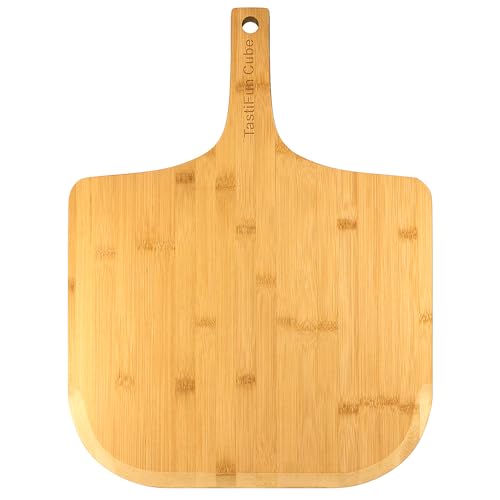

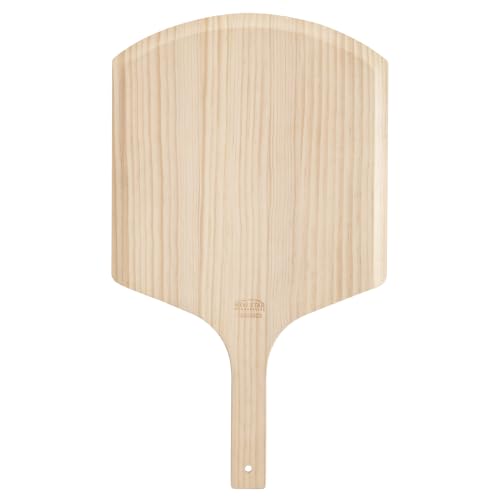
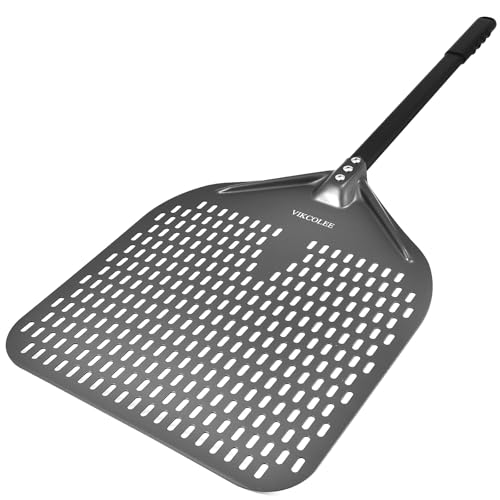
Quick Answer: Which Type Suits Most Homes
For most homes, a flat metal blade in the 16 inch size gives the easiest daily routine, since the thin edge slides under a baked pizza for retrieval and wipes clean fast. Choose wood if launching raw dough is your main struggle, because a dusted wooden surface tends to release dough with less sticking. Choose a perforated or sliding design only if you want help shedding excess flour or placing dough gently.
Whichever type you pick, confirm two measurements first. Your stone, steel, or oven floor must hold a full 16 inch pizza, and your storage spot must hold the full length of blade plus handle. The sections below walk you through both checks, plus the technique basics in our guide to how to use a pizza peel.
Before You Buy: A Quick Checklist for Choosing a Pizza Peel
Work through this checklist in order. Size and fit come first, because no material can rescue a peel that cannot enter your oven or live in your kitchen comfortably.
Size: Match It to Your Space
A 16 inch peel carries pizzas up to about 16 inches across, and your dough should sit slightly inside the blade edges so nothing drapes over the side during the launch. Smaller 12 inch and 14 inch peels suit couples and small stones, while the 16 inch size suits families sharing one large pizza instead of baking two smaller rounds. Measure your stone or steel, your oven floor, and the door opening before ordering. Also measure where the peel will live, since a wide blade needs a tall cabinet or a wall hook.
Which Type Fits Your Routine
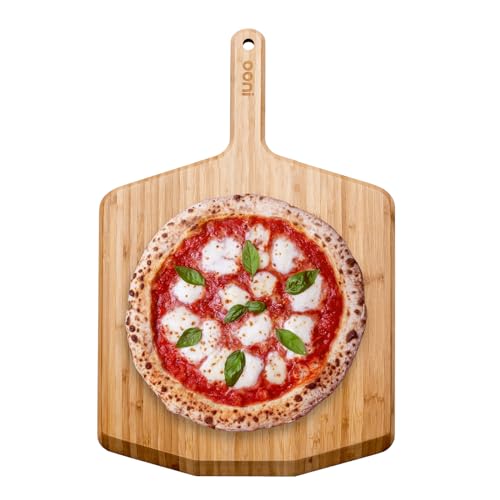
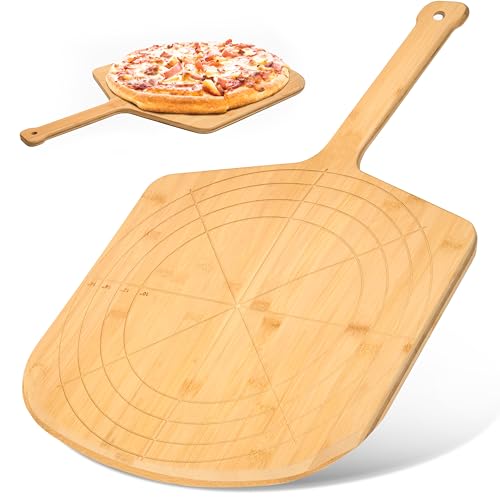
Wooden and bamboo peels shine at launching, because floured dough rests on them calmly while you add toppings. Metal and aluminum peels shine at retrieval, because a thin blade slips under a crisp crust that a thick wooden edge would push across the stone. Perforated peels let loose flour fall through the holes instead of baking onto your crust. Sliding peels use a moving cloth surface that carries dough into the oven with almost no tugging. Turning peels are small round tools for rotating a pizza mid bake, so treat one as a companion rather than your main peel. Folding handles suit tight storage, as long as the hinge locks firmly.
Materials and Food Safety
Wood and bamboo blades feel forgiving under dough, but they are porous, so wipe them promptly after contact with raw toppings and let them dry fully before storage. Aluminum and steel blades are nonporous and scrub clean with ease, which suits households that bake often and share the tool among several cooks. Check that any coated finish is described by the maker as food safe and heat safe for oven use. Avoid blades with rough splinters or sharp stamped edges, since each flaw can catch dough or shed debris near food.
Dishwasher Safe or Hand Wash
Most wooden and bamboo peels need hand washing only, because long hot dishwasher cycles can dry the surface and open cracks. Many plain metal peels tolerate the dishwasher, yet hand washing still protects polished finishes and riveted handle joints from repeated heat stress. Consider who cleans up in your home before you buy. A peel that survives the family routine without special handling may serve you better than a fussier blade nobody else maintains.
Realistic Budget Ranges
At under $20, expect a basic wooden or plain metal peel with a simple handle and a finish that needs a little more care from you. In the range of about $20 to $40, you gain smoother edges, sturdier handle joints, and lighter blades that feel balanced with a loaded pizza aboard. At about $40 to $80, you pay for perforated designs, folding handles, and thicker materials. Spending more rarely changes pizza quality on its own, so put budget toward the size and type that match your routine first.
Types Compared: Three Ways to Cover Launch and Retrieval
A pizza night involves two jobs. You must launch soft raw dough without distortion, then retrieve a hot finished pizza without tearing it. These three type groups handle that pair differently.
Wood for a Calm Launch
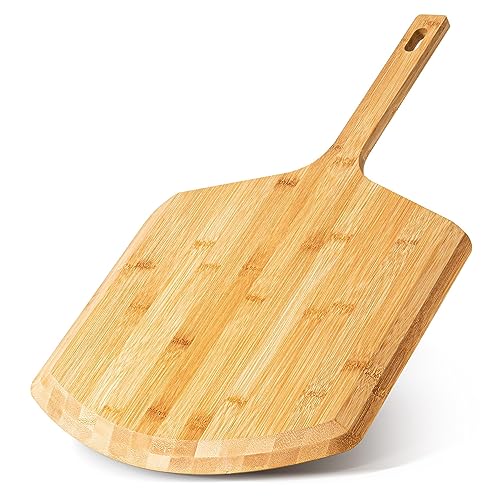
A wooden blade gives raw dough a slightly grippy, forgiving platform, so your topped pizza holds its round shape while you work. Readers comparing the best wooden pizza peel options will notice thicker blades, and that thickness is the trade off. A thick edge launches beautifully but struggles to scoop a finished pizza off the stone. Pair a wooden launching peel with a thin metal tool or a wide spatula for retrieval if your household bakes large pizzas weekly.
Metal for Launch and Retrieval in One Tool
A flat aluminum or steel blade is the one tool answer for many homes. The thin front edge slides under baked crust, and the same blade can launch dough if you dust it with flour or semolina and work with steady confidence. Metal suits renters and small households that cannot store two peels. The watch point is moisture, since wet dough left sitting on cold metal while you answer the door can bond to the surface. Build your pizza, then move it promptly.
Perforated and Sliding Designs for Release Help
Perforations cut contact between blade and dough and shake loose the surplus flour that would otherwise scorch on the stone and taste bitter. A best sliding pizza peel design goes further, using a moving surface that deposits dough gently with almost no forward shove from you. Both styles reward a little practice and cost more than plain blades. Choose them if misshapen launches are your recurring problem, not as a default upgrade where a plain peel already works well.
Selection Criteria Worth Checking
Judge any listing by ease of use, durability, cleaning effort, design, and value, in that order for daily home use. Ease of use shows in blade balance, a front edge thin enough to scoop, and a handle you can grip with an oven mitt on. Durability shows in a single piece blade or firmly riveted joints and edges free of burrs. Base your judgment on maker specifications and patterns in verified buyer reviews, such as repeated mentions of warping or handles loosening.
Is a 16 Inch Pizza Peel the Right Size for You?
Choose this size if your household regularly shares one large pizza, hosts pizza nights for friends, or bakes big flatbreads. One large pizza means one launch and one bake, which simplifies an evening with kids or guests. If you cook mainly in a standard home oven, review the fit notes in our guide to the best pizza peel for home oven before ordering, because many home stones measure under 16 inches wide.
Step down to a 14 inch peel if your stone is smaller, your oven door opening is narrow, or your storage lacks a tall cabinet. A peel that is slightly small for your ambitions still gets used weekly, while an oversized peel that lives in a hallway closet tends to be skipped. Also think about counter depth. Assembling a 16 inch pizza on the peel claims real counter room, so cramped galley kitchens may work happier with a smaller peel.
Common Buying Mistakes to Avoid
- Buying the 16 inch size before measuring your stone or steel, so the pizza overhangs the hot surface and cooks unevenly.
- Judging by blade width alone and forgetting total length, so the peel cannot be stored safely in your kitchen.
- Letting topped dough sit on the peel while the oven heats, so moisture soaks through the flour dusting and the launch sticks.
- Paying for perforated or sliding features while your real problem is a stone that is too small.
- Storing a wooden peel beside the sink, where steam and splashes slowly warp and stain the blade.
Cost of Ownership and Care
A pizza peel asks for almost no running cost, yet small supplies keep it working well. Budget for semolina or flour for dusting, and for food safe mineral oil if you choose wood or bamboo, since an occasional light coat keeps the surface from drying out. Store the peel hanging from a hook or standing in a tall cabinet, never flat under heavy pans that can bend a thin blade. Our step by step notes on how to clean a pizza peel cover stain removal and odor care in detail.
Daily care takes under a minute. Brush off flour, wipe or wash off sauce promptly, and dry the blade fully before putting it away. Never use the peel as a cutting board, since knife cuts trap moisture and food residue.
Your Questions, Answered
What is the most reliable pizza peel brand?
No single brand earns that title for every home, because reliability in a peel comes from construction more than from a logo. Look for a blade made from one solid piece or joined with flush, tight rivets, plus a clear warranty and an easy return window. Check recent buyer reviews for repeated complaints about the same failure point, such as a handle loosening. A modest peel with sound construction will outlast a famous name bought in the wrong material.
How do you clean a pizza peel right after baking?
Clean it while the oven cools, before melted cheese and sauce harden onto the surface. Scrape residue off gently with a bench scraper, then wash or wipe the blade and dry it standing upright so air reaches both faces. If raw meat toppings touched the blade, wash with hot soapy water rather than a quick wipe. Prompt cleaning also stops tomato acids from leaving pale stains on pale wood.
Is a pizza peel worth it for home bakers?
Yes, if you bake pizza more than a few times a year, because the peel solves the one step a rimmed baking sheet handles badly. A sheet has raised edges, so dough must be lifted or dragged off it, which stretches the base and spills toppings. A flat peel slides out cleanly and leaves the pizza undisturbed on the stone. If you only bake pizza on a sheet pan itself, skip the peel and spend the money on a better pan.
How long does a pizza peel last?
A metal peel can serve for many years, while a wooden peel often gives several years of weekly use before the surface shows real wear. Replace either type when the blade warps enough to rock on the counter, when cracks run deep enough to trap food, or when the handle moves in your grip under a light twist. Small scratches and darkened patches on wood are cosmetic only. Retire a damaged peel to workshop duty rather than forcing it back into food service.
What size pizza peel do I need for my oven?
Match the peel to the pizza you bake most, then check the diagonal path into your oven, not just the width of the stone. A loaded peel enters at a slight angle, so the door opening must clear both the blade corners and your mitt covered hand. If clearance feels tight on paper, pick the size below and stretch your dough a little less wide. A peel you can maneuver calmly beats a larger one that makes every launch tense.
Final Thoughts
Start with fit, then type, then budget. Confirm your stone and storage can handle the 16 inch blade, decide whether wood, metal, or a release focused design matches your habits, and only then compare prices. Used well, the best 16 inch pizza peel turns pizza night into a calm routine your whole household can share. Check the product table above once more against your measurements, and choose the peel your kitchen will welcome weekly.