Best 16 Gauge Stainless Steel Kitchen Sinks 2026 Guide
Disclosure: We may earn a commission when you buy through links on this page, at no extra cost to you. As an Amazon Associate I earn from qualifying purchases. Learn more

Busy kitchens need strong, quiet sinks: see how to pick the best 16 gauge stainless steel kitchen sinks by finish, bowl shape, and mounting.
Choosing among the best 16 gauge stainless steel kitchen sinks can feel confusing when every option promises a better result. This guide suits a busy kitchen that needs a strong, quiet, and easy to clean sink. It explains what matters, what to check before you buy, and which trade offs are worth accepting.
Instead of praising one design above all others, this guide focuses on the factors that shape real satisfaction over time: size, steel quality, bowl layout, and mounting style. Use the product table to compare the picks side by side, then match them to your space, budget, and habits.




Is a 16 Gauge Stainless Steel Kitchen Sink the Right Choice for You
A 16 gauge stainless steel kitchen sink suits people who want a sturdy, quiet sink that stands up to heavy pots and daily use. Think about how often you will use it, how large your pots and trays are, and who else will share the kitchen. A choice that fits those answers will feel easy to live with, while a choice made on looks alone may disappoint within weeks.
List your top three needs before shopping, such as bowl size, mounting style, and accessories, and let those needs guide every comparison. If a model fails on a top need, its other strengths rarely make up for that gap in daily use.
Key Features to Compare
Focus on the features tied to your top needs first, then use the remaining features to separate close options. A model that scores well on your priorities is a better buy than a model with a longer feature list that misses them.
What 16 Gauge Really Means
Gauge describes steel thickness, and a lower number means thicker steel, so 16 gauge is thicker and sturdier than 18 gauge. Thicker steel resists dents from heavy pots and feels solid under daily use. It also helps the sink sound quieter when water runs, especially when sound pads are fitted underneath.
Finish and Scratch Resistance
A brushed finish hides small scratches better than a mirror finish, which suits a sink used every day. Check how the finish looks under kitchen lighting, and think about water spots if your water is hard. A finish that is easy to wipe down will look better after months of use than a finish that shows every mark.
Bowl Shape and Depth
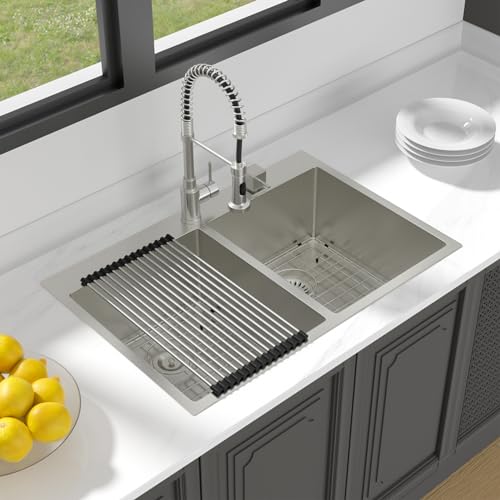
A single deep bowl suits large pots and baking trays, while a double bowl helps separate washing and rinsing. Depth matters for splashing and for back comfort, because a very deep bowl can mean bending further. Measure your cabinet depth and check that the drain and disposal still fit underneath.
Mounting Style and Accessories
Undermount sinks give a clean counter edge and make wiping crumbs into the sink easy, while top mount sinks suit more counter materials. Check the included grids, strainers, and cutting boards, and whether they fit the bowl shape. A grid protects the base from scratches and keeps dishes off standing water.
Choosing Between the Main Options
The main types of 16 gauge stainless steel kitchen sink differ in size, bowl layout, and mounting, and those differences shape price and performance. A compact single bowl suits tight spaces and simple routines, while a large workstation sink with ledges suits heavy use. Compare types by how they handle your busiest days, not by how they handle an ideal day.
Price often rises with size, finish quality, and included accessories, but the most expensive sink is not always the best value. Check what each one includes as standard, and what you would need to add separately.
Daily Use and Practical Tips
Good installation makes a real difference to how a 16 gauge stainless steel kitchen sink performs, so follow the manufacturer's instructions and check the cutout size, cabinet width, and plumbing placement before finalizing anything. A careful first setup prevents many common frustrations.
Small habits, such as rinsing after use and wiping the bowl dry, keep the finish looking even over time.
Common Mistakes and How to Avoid Them
A common mistake is choosing on price alone, without checking the minimum cabinet size, bowl depth, or drain position. Another is ignoring the return policy and warranty terms, which matter when a sink does not suit your space. Measure twice, read the key specifications, and keep packaging until you are sure the choice is right.
If you want to compare nearby options before you decide, the related guides on best quality stainless steel kitchen sinks, best stainless steel undermount kitchen sinks, best stainless steel farmhouse kitchen sinks, best stainless kitchen sinks, and best gauge for kitchen sinks cover similar choices and use cases.
Frequently Asked Questions
Is 16 gauge thick enough for a kitchen sink?
Yes, 16 gauge steel is a popular choice for a durable kitchen sink, because it resists dents and feels solid under heavy pots. Thinner steel can flex and sound louder, while much thicker steel adds weight and cost without a clear daily benefit. Pair the sink with sound pads and a grid for the quietest and most scratch resistant result.
How do I keep a stainless steel sink looking good?
Rinse the sink after use, wipe it dry when you can, and clean it with a soft cloth and mild soap. Avoid steel wool and harsh chlorine cleaners, which can dull the finish or leave marks. A regular wipe prevents water spots and food film from building up.
Does a 16 gauge sink need special support?
A 16 gauge sink is heavier than a thin sink, so check that the cabinet and counter can carry its weight plus a full bowl of water. Undermount sinks need strong clips and sealant, and the installer should confirm the counter material suits that style. Good support prevents sagging and keeps the seal tight over time.
Single bowl or double bowl: which suits a family kitchen?
A single bowl suits large pots, baking trays, and soaking, while a double bowl suits households that wash and rinse in separate bowls. Think about your largest items and your usual washing routine rather than following a trend. A large single bowl with a dish rack can offer much of the flexibility of two bowls.
Can a 16 gauge sink handle a garbage disposal?
Yes, most 16 gauge sinks accept a standard disposal, provided the drain opening and cabinet space match. Check the disposal weight and the clearance under the sink. A professional install helps when plumbing space is tight or the existing drain needs moving.
Final Thoughts
When you compare the best 16 gauge stainless steel kitchen sinks, return to your top three needs and to the product table above. A sink that meets those needs, fits your cabinet, and stays within your budget will serve you well for years. If you remain unsure between two close options, choose the one that is easier to install, easier to clean, and easier to return.