
Best 14 Inch Frying Pans (2026): Size, Features and Buying Tips
Disclosure: We may earn a commission when you buy through links on this page, at no extra cost to you. As an Amazon Associate I earn from qualifying purchases. Learn more

What matters when choosing the best 14 inch frying pan: size, features, budget and the mistakes to avoid.
Saturday breakfast shows the problem fast. Six eggs, a pile of potatoes, and a sauce starting in a second pan because the first one ran out of room. A best 14 inch frying pan solves that crowding, but only if it fits your stove, your cabinets, and the way your household actually cooks.
This guide helps you choose by space, household size, and budget rather than by cooking show ambitions. You will compare materials, handles, stove fit, and care needs, and the product table on this page gathers the key options in one place. If you are still deciding whether a smaller pan suits you better, see our guide to the best frying pan for the broader size picture.
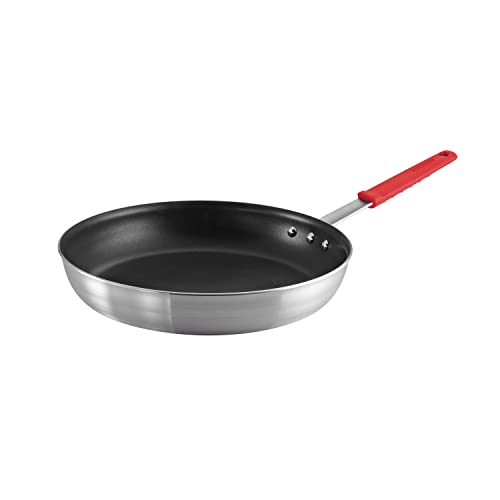


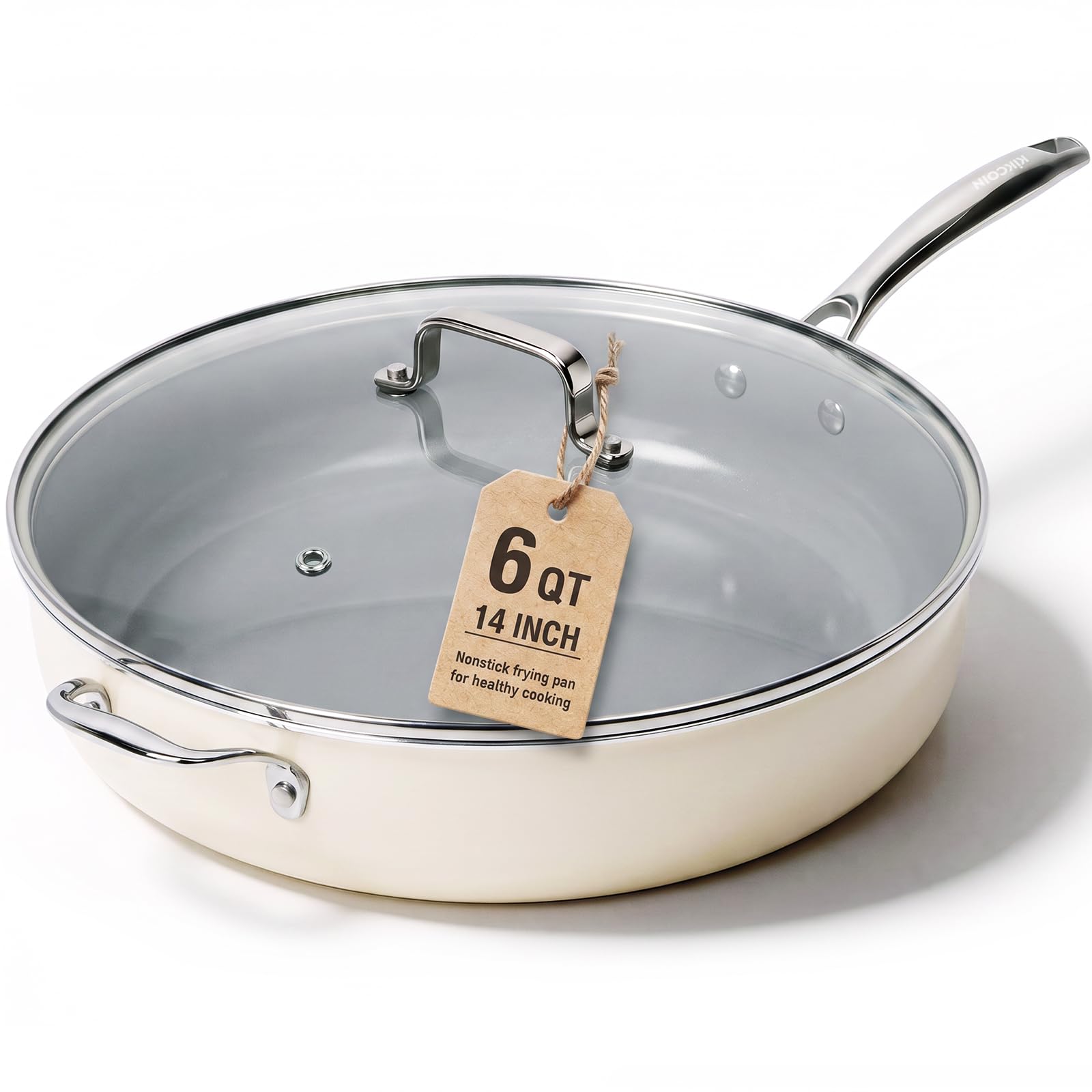
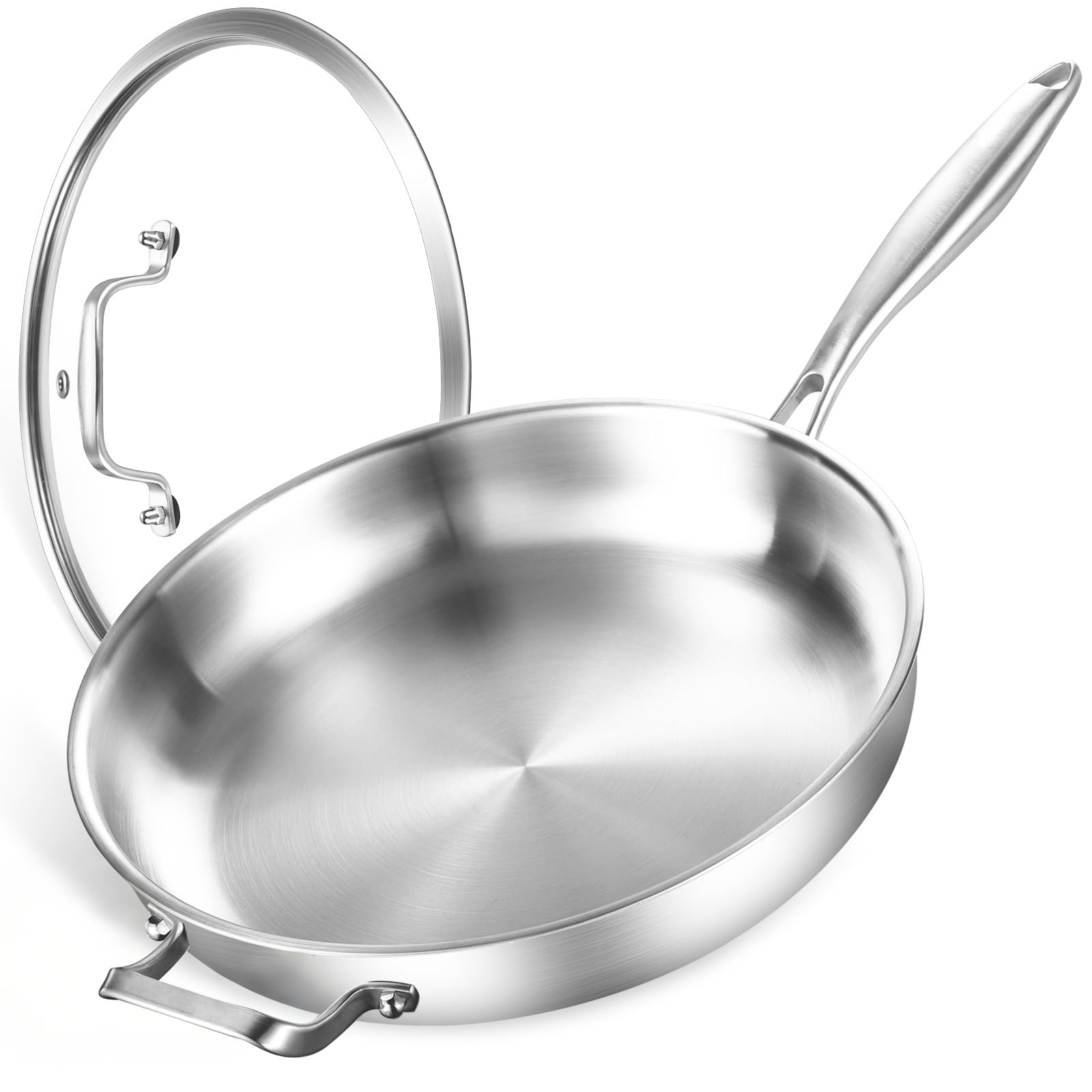

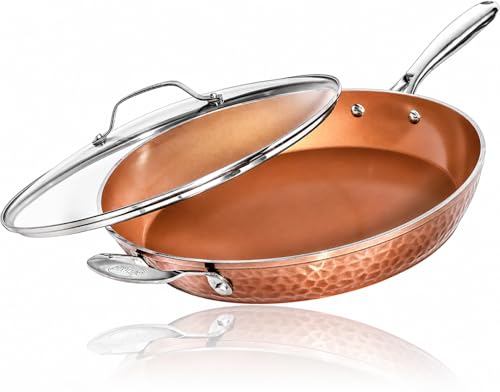


Quick Answer: Three Types That Fit Most Homes
For easy daily cooking and simple cleanup, a nonstick type is the most forgiving choice for eggs, fish, and reheated leftovers. For browning meat and building pan sauces, a stainless steel or carbon steel type gives you stronger searing and a surface that tolerates metal tools better. For cooks who value durability above easy release, cast iron holds heat steadily but adds real weight at this size.
None of these types wins on every point. Your stove, storage space, and weekly care habits matter as much as the material itself. The checklist below covers those trade offs in order.
Before You Buy: A Quick Checklist for Choosing a Frying Pan
Size: Match It to Your Space
A 14 inch pan measures across the top rim, and the flat cooking base is smaller than that full width. Your largest burner should come close to the base diameter, or the outer food cooks slowly while the center browns fast. Check cabinet depth and oven width too, because the handle adds several inches beyond the rim. Smaller 8 inch, 10 inch, and 12 inch pans store more easily, while deep versions hold sauces better but crowd a stovetop when other pots are in use.
Which Type Fits Your Routine
Nonstick suits eggs, pancakes, and delicate fish, and it releases food with little added fat. Stainless steel handles high heat searing and deglazing, though eggs will stick without care. Cast iron and carbon steel build natural release over time and reward regular use. Ceramic coatings offer easy release without a traditional nonstick coating, while copper and tri ply builds spread heat quickly and evenly. If easy release is your top priority, compare the options in our guide to the best nonstick frying pan before you settle on this larger size.
Features Worth It and Ones to Skip
A helper handle opposite the main handle is worth paying for at this size, because a full pan of food is heavy and awkward with one hand. A lid is useful if you melt cheese, finish thick cuts gently, or steam vegetables in the same pan. Pour spouts sound handy, yet on a wide round pan they add little, since sauces pour cleanly from the rim anyway. Skip decorative handle finishes and extra accessory bundles you will store but rarely use.
Is It Non Toxic?
Material safety questions usually center on nonstick coatings. Traditional nonstick uses a PTFE coating, and modern pans sold in the United States are made without PFOA. Ceramic coatings avoid PTFE entirely and use a mineral based layer instead, though that layer tends to lose release sooner. Stainless steel, cast iron, and carbon steel have no coating to wear away at all. Whichever route you choose, follow the maker heat guidance and replace a pan once a coating is scratched, flaking, or badly worn.
Induction, Gas and Glass Top Compatibility
Induction cooktops need a magnetic base, so bring a small fridge magnet when you shop in person and check that it grips the pan bottom firmly. Gas burners forgive slightly warped bases, but glass tops do not, because a rocking pan heats unevenly and can scratch the surface as it shifts. Heavy cast iron demands a lift and place habit on glass, never a sliding one. Flat, thick bases give the steadiest contact across all three stove types.
Oven Safe Temperature and Handles
Check two ratings before you buy, the pan body limit and the handle limit, since they often differ. Silicone wrapped and plastic handles usually cap out far lower than bare metal ones, which limits stovetop to oven recipes like frittatas and thick cutlets. A metal handle with a stay cool design is the flexible middle ground for most homes. Also confirm the full length fits your oven with the door closed, because a 14 inch pan plus handle is longer than many standard oven racks are deep.
Realistic Budget Ranges
Under $30, expect a basic nonstick or simple steel pan that serves a starter kitchen well for a few years of regular use. About $50 to $100 buys thicker bases, better handles, and coatings or cladding that hold up longer. Under $200, you are paying for premium construction, even heating, and warranties that reflect a longer service life. Spending more does not fix a size mismatch, so confirm fit first and let the budget decide build quality second.
Types Compared: Choosing a 14 Inch Frying Pan by Material and Build
Nonstick Types for Easy Everyday Cooking
Nonstick is the type most households reach for daily, and at 14 inches it shines for big egg batches, quesadillas for a crowd, and fish fillets that would tear on other surfaces. Hard anodized aluminum bodies heat quickly and keep the pan light enough to move when full. The limits are heat and lifespan. High empty preheating shortens coating life, and even careful owners should expect replacement sooner than with bare metal. Choose this type when easy mornings matter more than hard searing.
Stainless Steel and Carbon Steel Types for Searing and Long Service
Stainless steel gives you fond, the browned bits that turn into a fast pan sauce, and it tolerates deglazing, scrubbing, and high heat without complaint. Carbon steel starts lighter, seasons into a slicker surface over time, and responds faster when you raise or lower the burner. Both reward a proper preheat before food goes in. Our guide to the best stainless steel frying pan covers clad builds in depth, and the carbon steel vs stainless steel comparison explains seasoning, weight, and upkeep side by side.
Cast Iron and Ceramic Types for Specific Routines
Cast iron holds heat through a full load of burgers or potatoes, so the temperature barely dips when cold food lands. That steadiness comes with weight that some cooks will not enjoy lifting one handed, plus seasoning care after wet or acidic cooking. Ceramic coated types suit cooks who want easy release without a traditional coating and who cook mostly at moderate heat. They are lighter than cast iron and simple to wipe clean, but the coating is the wear point, so gentle tools and moderate temperatures protect your money best.
How We Compare 14 Inch Frying Pans
Our comparison weighs heat distribution, durability, material safety, stovetop and oven compatibility, and cleaning effort, using maker specifications and patterns in verified buyer feedback. We favor factors a household feels daily, such as handle comfort when the pan is loaded. The goal is a clear framework for judging any pan against the same criteria.
Is a 14 Inch Frying Pan the Right Size for You?
Choose this size if you cook for four or more people, batch cook on weekends, or often brown food that steams instead of sears in a smaller pan. Four chicken breasts, a full round of French toast, or a family stir fry all fit without stacking. A two person household that cooks small portions may find the pan slow to heat for a single egg and clumsy to wash in a small sink.
Storage is the quiet deciding factor. A 14 inch pan will not hang from short racks or nest inside a standard set. Measure your deepest cabinet and largest burner before ordering. If those checks pass, the extra surface earns its space quickly.
Common Buying Mistakes to Avoid
- Buying the width without measuring the burner, so the edges sit over cool glass and cook unevenly.
- Skipping the helper handle, then struggling to move a loaded pan safely from stove to table.
- Ignoring replacement cost on coated pans, which wear out years before bare metal types do.
- Paying for extras like matching lids and utensil sets that duplicate what your kitchen already holds.
- Choosing heavy cast iron when wrist strength or a glass top makes daily lifting a problem.
Cost of Ownership and Care
Ownership cost is mostly about lifespan. A coated pan replaced every few years can cost more over a decade than one durable steel pan, while cast iron and carbon steel ask for seasoning time instead of replacement money. Utensils matter too, since wood and silicone tools protect coatings and extend the years you get from them. Store pans with a cloth or felt pad between stacked surfaces to prevent scratches that start coating failure.
Daily care is simple. Let the pan cool before washing so a sudden temperature change does not warp the base, use warm soapy water, and dry steel and iron fully before storing. For stuck residue, a soak beats aggressive scouring on almost every surface. Our step by step guide on how to clean a frying pan covers burnt on spots, discoloration, and seasoning repair for each material.
Your Questions, Answered
What size frying pan do I need for a family of five?
A 14 inch pan usually covers a family of five for one pan meals, because you can cook five cutlets, burgers, or fillets in a single layer without a second batch. For side dishes or eggs for two, a smaller pan still heats faster and washes easier. Many families keep both sizes and treat the large pan as the main dish pan rather than the only pan.
How long does a 14 inch frying pan last?
Lifespan depends on material more than size. Nonstick and ceramic coatings often give a few years of good release with gentle care, while stainless steel, carbon steel, and cast iron can serve for decades because there is no coating to wear out. Warping, not age, ends most steel pans early, so gradual heating and cooling protect them. A pan that rocks on the stove or heats in hot spots is ready to retire.
Is a 14 inch frying pan worth it if I already own a 12 inch pan?
It can be, if your 12 inch pan regularly forces you into two batches or leaves food steaming in its own juices. The jump sounds small, yet the cooking surface grows enough to fit an extra portion or two with space around each piece. If your current pan rarely feels crowded, the money is better spent upgrading material or buying a lid that fits what you own.
Can a 14 inch frying pan go under the broiler?
Only if both the body and the handle carry a broiler safe rating from the maker, and many coated pans and wrapped handles do not. Bare metal handles on steel, carbon steel, and cast iron usually tolerate broiler heat best. Keep the handle turned away from the element, use thick mitts, and remember the whole pan, handle included, stays dangerously hot long after it leaves the oven.
What is the most reliable type of 14 inch frying pan for daily use?
Reliability depends on what daily use looks like in your kitchen. For low effort mornings and quick cleanup, nonstick is dependable until its coating ages. For cooks who sear often and want one pan to keep indefinitely, clad stainless steel or carbon steel is the steadier long term bet. Cast iron is equally durable but only suits cooks comfortable with its weight and seasoning routine.
Final Thoughts
Start with fit, then material, then budget. A pan that matches your burner, your cabinets, and your lifting comfort will get used daily, while a technically better pan that fights your kitchen will not. When those basics line up, the best 14 inch frying pan for your home is simply the type you will reach for without thinking. Use the product table above to compare your finalists on size, material, and stove fit before you decide.


