
Best 12x42 Binoculars at Every Price: What Your Money Really Gets You for 2026
Disclosure: We may earn a commission when you buy through links on this page, at no extra cost to you. As an Amazon Associate I earn from qualifying purchases. Learn more

Compare the best 12x42 binoculars at every price point. Learn what you get at budget, midrange, and premium levels and where spending more pays off.
A 12x42 sits at the powerful end of handheld glass, with prices starting under $100 while premium models cost many times that for what looks like the same two numbers on the box. The gap between cheap and costly is real, but it hides in glass quality, coatings, and build rather than in the headline specifications. Finding the best 12x42 binoculars for your budget starts with knowing which of those hidden differences you will actually notice in the field.
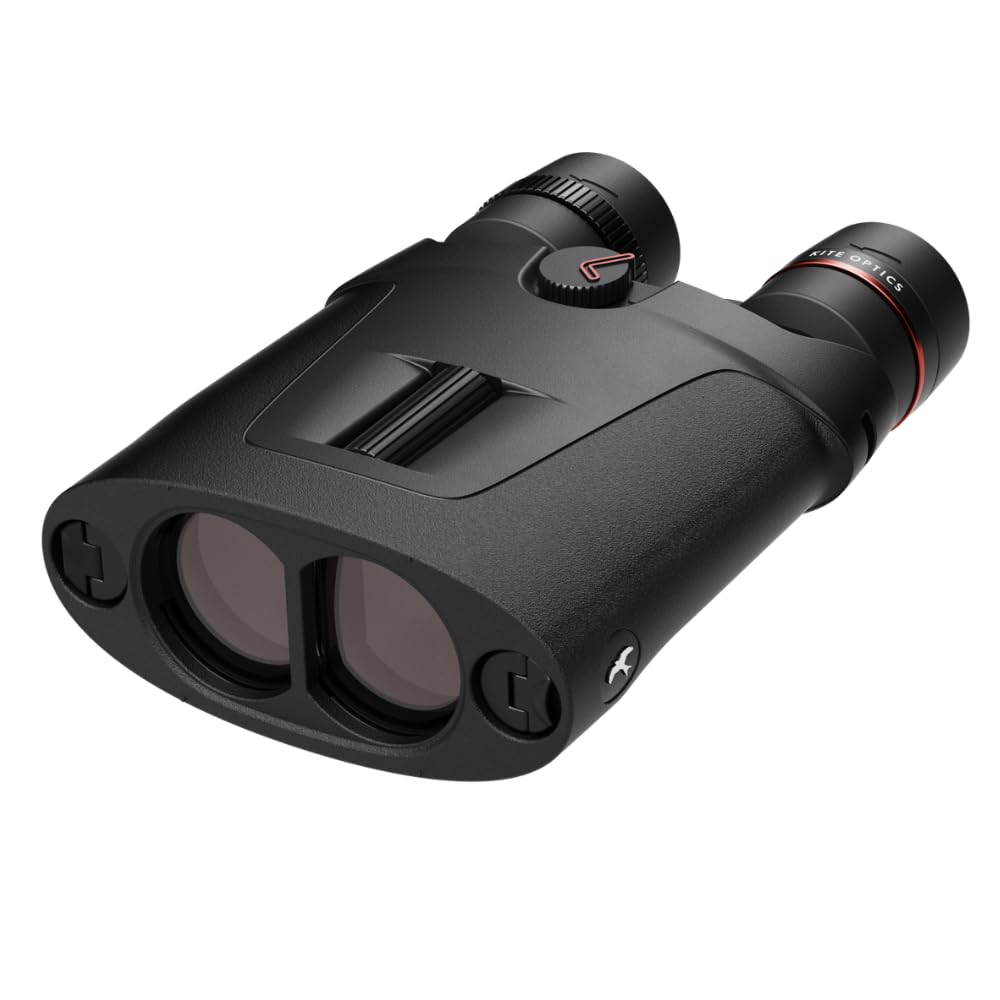
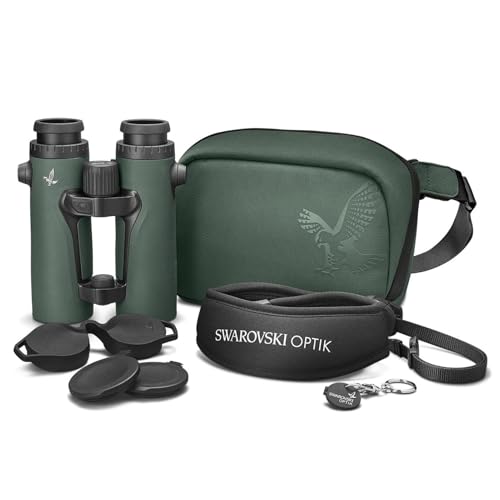
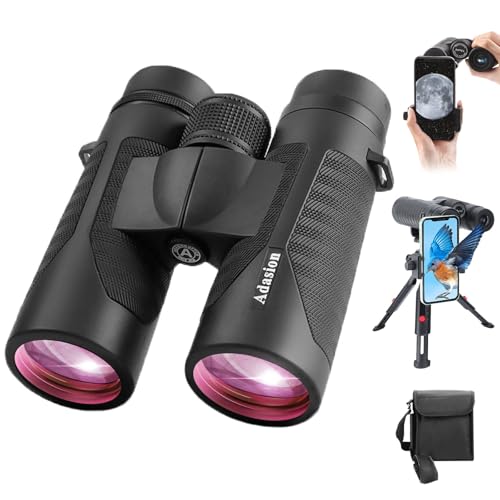
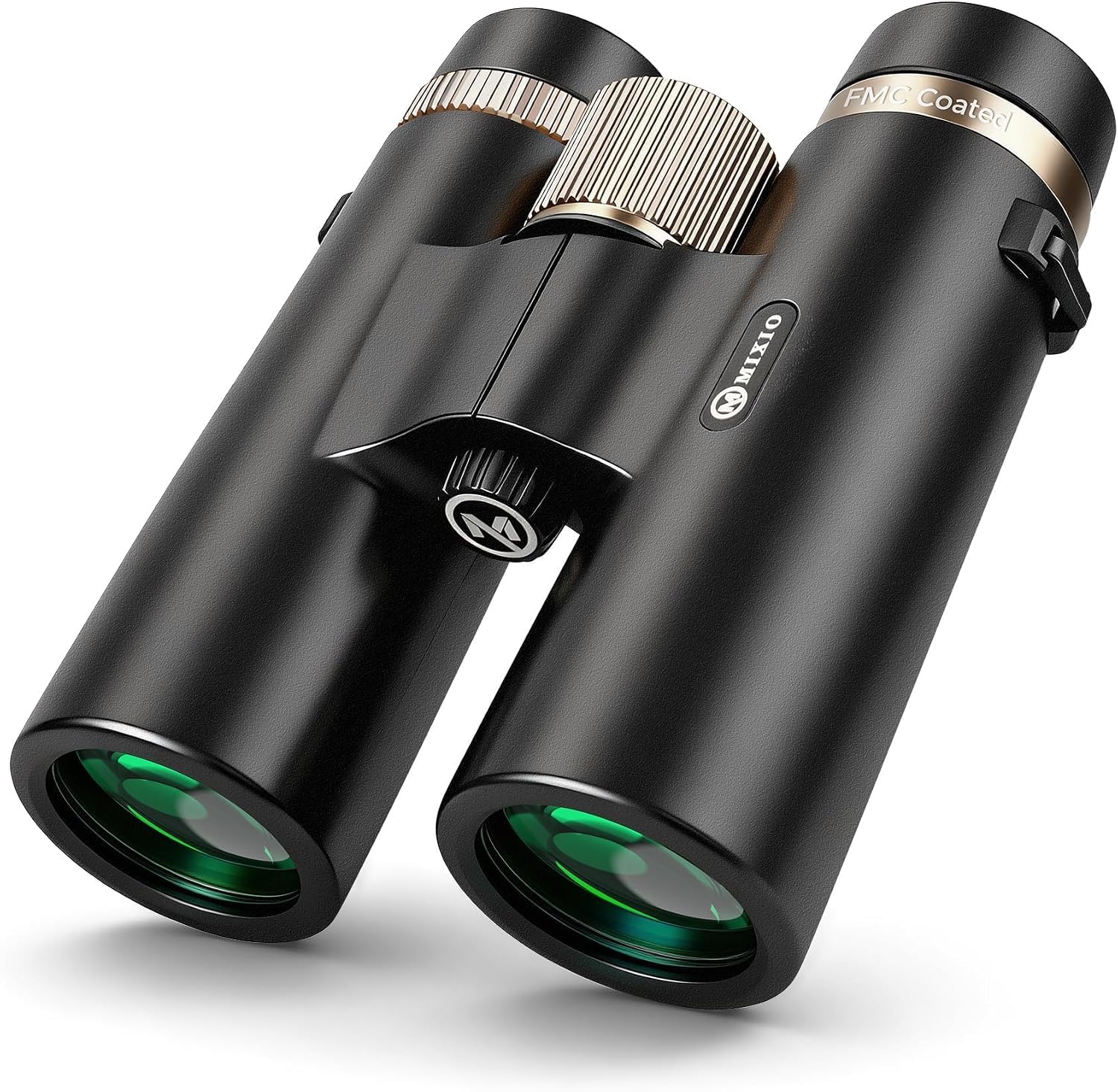
This guide walks through what each price tier buys you, which features deserve your money, and which buyers should choose a different size instead. The comparison table below gathers the current options in one place so you can match the tiers and features discussed here against real models as you read.



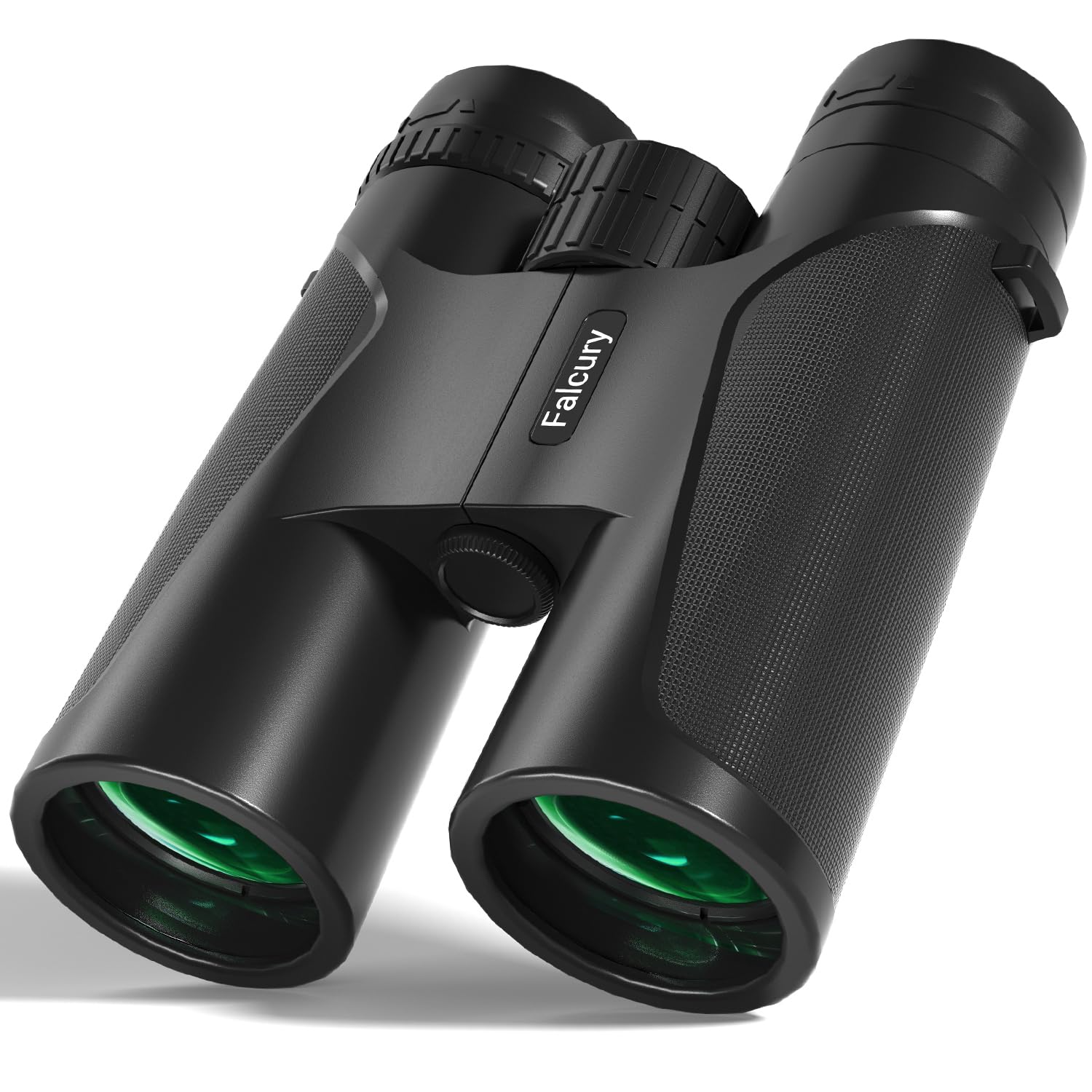
Who Should Buy 12x42 Binoculars?
The 12x42 format magnifies a subject twelve times through a 42 mm objective lens at each barrel. Shoppers comparing the best 12x42 binoculars get more magnification than the common 10x42 offers, which pulls distant detail closer but narrows the field of view and amplifies hand shake.
Open Country Hunters and Long Range Wildlife Watchers
If you glass across valleys, sage flats, or alpine basins, the added reach helps you pick out antler tips, ear flicks, and bedded animals at distances where a 10x42 leaves you guessing. You will do most of this viewing seated or braced, which keeps the image steady enough to use the power well. For a wider look at hunting glass in other sizes, see our guide to the best rated binoculars for hunting before you commit to this much magnification.
Birders Who Watch Raptors, Shorebirds, and Waterfowl
Birders scanning mudflats, reservoirs, and hawk watch platforms work at ranges where extra magnification turns a distant speck into an identifiable bird. Leg color, bill shape, and wing pattern all resolve sooner, and you disturb wary flocks less because you can stand farther back. If most of your birding happens this way, see our guide to the best binoculars for birdwatching for size comparisons aimed at birders.
Boaters, Stargazers, and Tripod Users
Mounted on a tripod, a 12x42 becomes a small spotting scope for reading buoy numbers, watching nesting colonies, or scanning a shoreline without fatigue. Under dark skies the same glass shows moon craters, the moons of Jupiter, and wide star fields, and a steady mount removes the shake that limits handheld astronomy. If you instead hike long miles with glass around your neck all day, weight may matter more than reach, so see our guide to the best rated compact binoculars for smaller options.
What Your Money Gets You at Each Price Tier
Budget Tier: Functional Glass With Clear Trade Offs
Budget 12x42 models start around $50, and they do show you a magnified image that works fine for casual stadium, travel, and backyard use. Expect simpler BK7 prisms on many models, coatings on only some lens surfaces, and a narrower field of view with softness toward the edges. Focus wheels can feel gritty, eye relief is often short, and weather sealing may be absent, so one foggy morning can end a session. Buy here only if the binocular is a spare or an occasional use tool.
Midrange Tier: Where Most Buyers Should Land
In the midrange tier, the improvements are the ones your eyes register immediately. BaK4 prisms, fully multicoated lenses, and phase coating on roof prisms deliver a brighter, sharper, and higher contrast image, and many models add ED glass that keeps color fringing off bright edges. Waterproof and fogproof bodies, longer eye relief, and smoother focus wheels are standard expectations at this level. If you want context beyond this one size, see our guide to the best rated binoculars for how ratings compare across formats.
Premium Tier: Refinement You Feel More Than Measure
At about $400 and above, you pay for polish rather than a different category of image. Premium glass adds dielectric prism coatings, very wide and flat fields that stay sharp nearly to the edge, and lighter magnesium bodies with armor that shrugs off hard field use. Focus mechanisms feel precise, close focus distances shrink, and warranties and service support are usually stronger. Serious users who glass for hours daily notice these gains, while occasional users rarely will.
Key Features to Compare
Magnification and Hand Shake
Twelve power magnification enlarges everything, including the tremor in your hands, so image steadiness is the defining challenge of this format. Bracing your elbows on your knees, a pack, or a vehicle window settles the view a great deal, and leaning against a tree helps during long scans. Many 12x42 models accept a tripod adapter on the front hinge, which turns shaky glass into a stable optic for sessions longer than a few minutes. A small number of image stabilization models cancel shake electronically, but they cost far more and add batteries and weight.
Exit Pupil and Low Light Performance
Divide the objective lens size by the magnification and you get the exit pupil, which is 3.5 mm on a 12x42. A 10x42 gives you 4.2 mm instead, so it delivers a visibly brighter image at dawn and dusk when your own pupils open wider than 3.5 mm. The twilight factor of a 12x42 is about 22, which favors detail in dim light, but brightness still trails lower power glass of the same objective size. If most of your viewing happens in the first and last minutes of light, weigh this penalty honestly.
Field of View and Close Focus
Most 12x42 models show about 260 to 330 feet of width at 1,000 yards, noticeably less than a comparable 10x42. That narrower window makes fast or nearby subjects harder to find and follow, because the bird or animal leaves your view sooner and you have less surrounding context to relocate it. Close focus distance matters for a different kind of viewing: models that focus down to about 6 to 8 feet let you study butterflies, dragonflies, and feeder birds at your feet, while others stop at 15 feet or more.
Glass, Prisms, and Coatings
Almost every 12x42 uses a roof prism design for its slim, straight barrels, though a few porro prism models offer strong value and a wider sense of depth. Inside a roof prism binocular, phase coating keeps colors true and contrast high, so its absence is a warning sign on any model above budget tier. ED glass elements reduce the purple and green fringing that outlines high contrast subjects like dark branches against bright sky. Fully multicoated means every air to glass surface carries multiple coating layers, and it is the single coating claim worth requiring at midrange prices and up.
Eye Relief, Fit, and Sealing
Eye relief of 15 mm or more lets glasses wearers see the full field without dark edges, and twist up eyecups hold the correct distance for both glasses and bare eyes. Check that the interpupillary distance range, often about 56 to 74 mm, covers the spacing of your eyes, and that the diopter adjustment on one barrel can balance your two eyes. Weight runs about 24 to 30 ounces, which a chest harness carries far more comfortably than a neck strap. A weatherproof body sealed with O rings and purged with nitrogen keeps internal fog from ruining a cold morning.
Long Term Costs to Factor In
The purchase price is only the start of what a 12x42 costs you over its life. A chest harness for around $40 protects your neck and your glass, a tripod adapter usually runs under $25, and a hard case, lens cleaning supplies, and replacement objective covers add small but real amounts. Warranty terms differ sharply by tier, and a brand with a strong no fault repair policy can save you the price of a new binocular after one bad drop.
Common Mistakes to Avoid
- Choosing 12 power for dense woods, where the narrow field loses warblers and deer in cover before you ever center them.
- Ignoring eye relief while wearing glasses, which leaves dark crescents at the edges and cuts the usable field sharply.
- Judging a binocular by magnification alone, since poor coatings make a 12 power image dimmer and duller than good 10 power glass.
- Skipping the tripod adapter for long glassing sessions, which guarantees arm fatigue and a shaking image within minutes.
- Storing binoculars loose in a hot car trunk, where heat and grit degrade seals, armor, and lens coatings over time.
How to Make Your 12x42 Binoculars Last Longer
Clean the lenses of your 12x42 only when they truly need it, because every wipe is a small chance to scratch a coating. Blow off grit with a bulb blower first, then use a clean microfiber cloth with a drop of lens fluid, working in small circles from the center outward. Never use a shirt tail or paper tissue, since both drag abrasive particles across the glass.
Store the binocular in its case in a dry room, with the eyecups down and the strap attached so a fumbled grab does not become a drop. Check strap lugs and hinge tension a few times a year. Never open the barrels yourself, because the nitrogen fill that prevents internal fog escapes the moment a seal breaks.
FAQ
Are 12x42 binoculars hard to hold steady by hand?
Yes, 12x42 binoculars are noticeably harder to hold steady than 8x42 or 10x42 models, because the higher magnification enlarges every small hand movement. Most people manage fine for short looks, especially seated with elbows braced on their knees or a solid rest. For scans lasting several minutes, a tripod adapter changes the experience completely. Technique helps too: hold the barrels near the objective ends, keep your elbows tucked against your body, and breathe out slowly before a careful look.
Are 12x42 binoculars a good choice for birding?
Yes, 12x42 binoculars suit birding at open water, shorelines, and hawk watches, where birds stay distant and mostly still. They struggle in thick woods, where fast warblers cross the narrow field before you can settle on them, so many birders pair them with a wider lower power glass. Scanning slowly in overlapping sweeps helps you avoid missing birds between fields of view. For more on matching glass to birding styles, see our guide to the best binoculars birding options and trade offs.
How much should you spend on a first pair of 12x42 binoculars?
Spend about $200 on a first pair of 12x42 binoculars, which lands you in the tier where coatings, sealing, and eye relief stop holding the image back. Cheaper glass often gets abandoned because a dim, shaky view makes the format itself seem flawed. Buying once at midrange also protects resale value if you later decide the magnification is not for you.
Are 12x42 binoculars bright enough at dawn and dusk?
Yes, 12x42 binoculars are usable at dawn and dusk, but they are not the brightest choice for those hours. Their smaller exit pupil delivers less light to your eye than a 10x42, and the difference grows as light fades and your pupils widen. Strong coatings claw back some of that loss, which is one more reason cheap 12 power glass disappoints at last light. If twilight performance is your top priority, a lower magnification with the same 42 mm objective serves you better.
What is the difference between 10x42 and 12x42 binoculars?
The difference between 10x42 and 12x42 binoculars is magnification only, since both share the same 42 mm objective lens size. The 12 power model makes subjects look about 20 percent larger and reveals finer detail at long range, while the 10 power model offers a wider field of view, a brighter exit pupil, and a steadier handheld image. Following moving subjects is easier at 10 power, because they cross your view more slowly. Neither is better in general; the right choice depends on your typical viewing distance.
The Bottom Line
Choosing well in this format comes down to three things: honest steadiness, coatings that protect brightness, and a price tier that matches how often you will use the glass. The product table above shows how current models spread across those tiers, so use it to shortlist candidates that fit your main use. When the fit is right, the best 12x42 binoculars reward you with reach that smaller glass simply cannot match.


