Best 12x20 Gazebos (2026): Buying Guide
Disclosure: We may earn a commission when you buy through links on this page, at no extra cost to you. As an Amazon Associate I earn from qualifying purchases. Learn more

What to check before you buy the best 12x20 gazebo: roof type, frame material and anchoring, and which type fits your home.
A 12x20 footprint sounds simple until you start comparing roof panels, frame gauges, and anchoring kits that vary a lot at this size. Choosing the best 12x20 gazebo means matching a large structure to your surface, your wind and snow exposure, and how you plan to gather under it. This guide walks through the main types, the materials that hold up outdoors, and the measurements to confirm before you order. Use the comparison table below to see how the main types differ at a glance.
At 240 square feet, this is one of the largest common residential sizes, closer to a covered outdoor room than a small shade canopy. That scale brings real benefits for dining and lounging, but it also raises the stakes on level ground, secure anchoring, and help during assembly. The sections ahead keep the focus on those decisions.

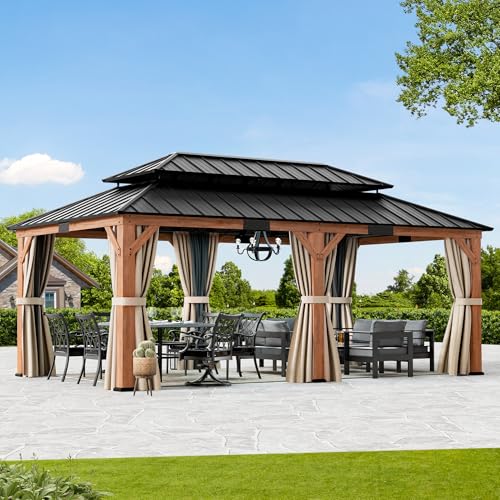

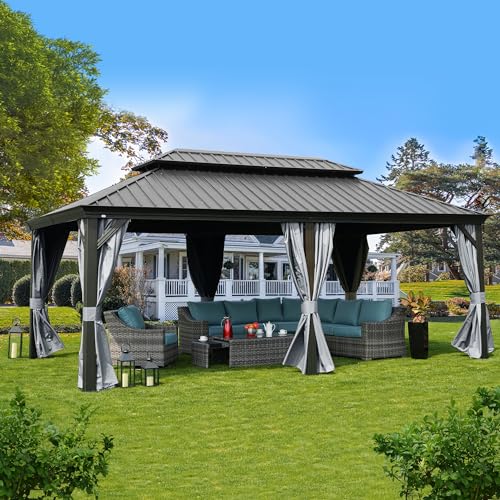


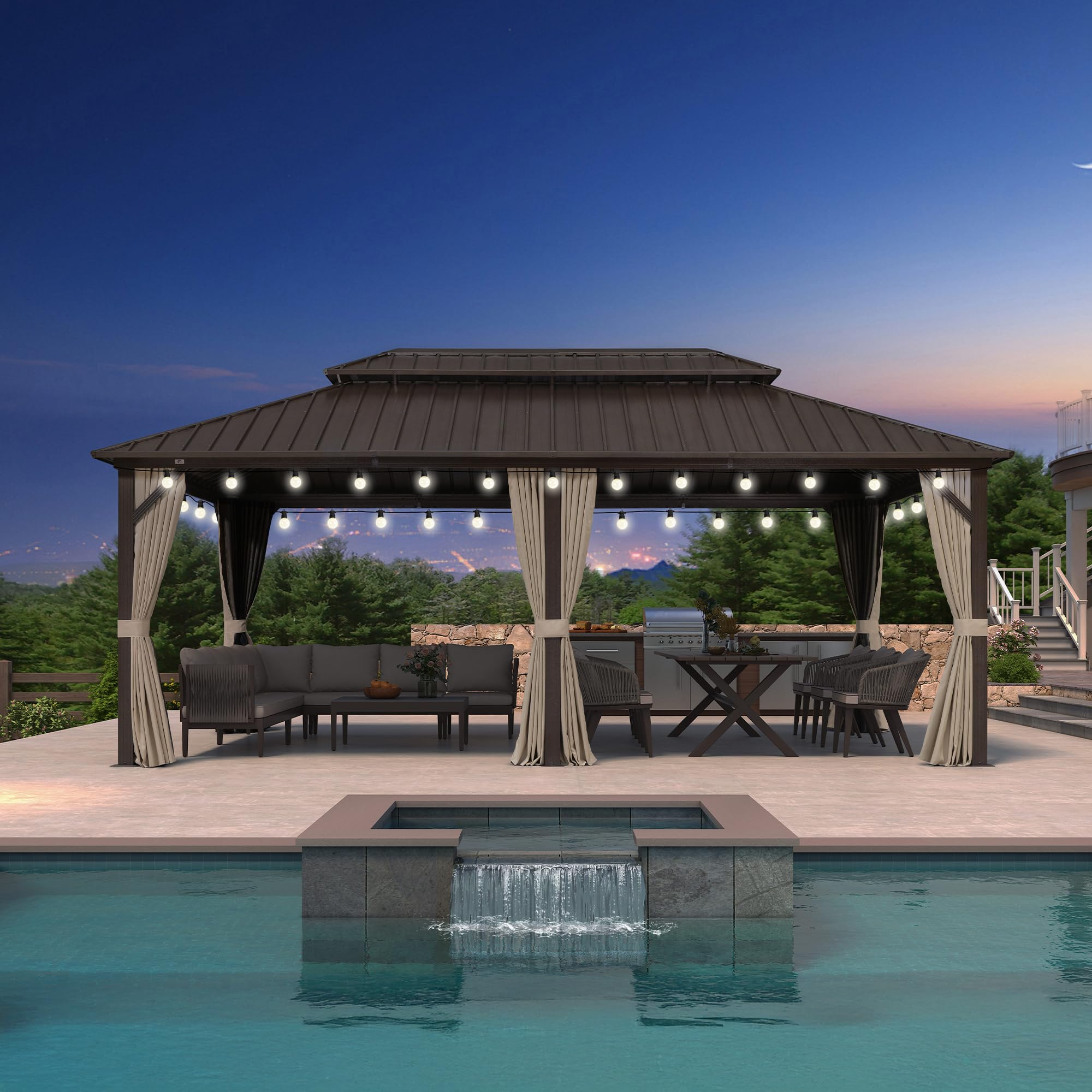


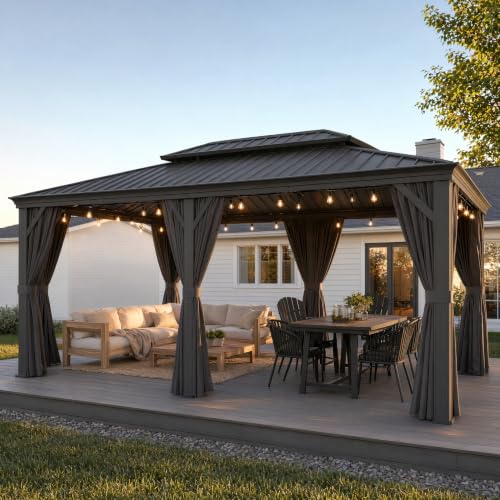
Types of 12x20 Gazebos Compared
Most models at this size fall into three groups, and the right group depends on whether the structure stays up all year or comes down between events. Roof construction, frame weight, and cost all follow from that one choice.
Hardtop Models for Permanent Placement
Hardtop versions use metal or polycarbonate roof panels on a fixed frame, and they suit yards where the gazebo stays in one place through every season. The rigid roof sheds rain well and handles snow better than fabric when the maker rates it for that load. You pay more and spend longer on assembly, but you gain a structure that needs little seasonal handling once it is anchored.
Soft Top Models for Seasonal Shade
Soft top versions pair a steel or aluminum frame with a fabric canopy, usually polyester with a water resistant coating. They cost less and go up faster than hardtop models, and many owners remove the canopy before winter or a major storm. If you are weighing the two roof styles directly, our guide to hardtop vs soft top gazebo lays out the tradeoffs in upkeep and lifespan.
Pop Up Models for Temporary Cover
Pop up versions use a folding frame that expands without tools, which makes them handy for markets, tailgates, and one day events on rented ground. A true 12x20 pop up is long and heavy to carry, and its roof and joints are built for short outings rather than permanent exposure. Treat it as portable shelter, secure it well while it is up, and store it dry between uses.
What Matters Most When Comparing 12x20 Gazebos
Five factors do most of the work in this size class, and you can judge any listing against them without relying on marketing claims. Start with build materials and weather resistance, since the roof and frame decide how the structure ages. Next look at size and capacity in real furniture terms, then assembly, because a 20 foot frame needs staging space and at least two helpers. Durability ties back to joint hardware and finish quality, and the warranty tells you how long the maker stands behind the frame and roof.
- Frame and roof materials rated for your wind, rain, and snow conditions
- Usable floor area once posts, braces, and furniture are in place
- Assembly time, crew size, and the anchoring hardware included
- Finish quality at joints and edges where rust and wear begin
- Warranty length for the frame, the roof, and fabric parts
How to Choose the Right Gazebo
Size and Form Factor
Smaller sizes such as 10x10, 10x12, and 12x12 cover a seating set or a small dining table, while 12x14 and 12x16 add room for a second zone. The 12x20 stretches that layout into separate dining and lounge areas under one roof, and 14x20 goes further still for very large yards. The rectangular form also pairs well with a long table or rows of chairs, where a square footprint would waste space at the corners. Choose the smallest size that fits your furniture plan, since every added foot raises cost, weight, and assembly effort.
Type and Frame Material
Beyond roof style, frame material shapes weight and upkeep. Aluminum frames resist rust and stay light enough to reposition during setup, while steel frames feel sturdier but need an intact powder coated finish to keep corrosion away. Wood frames bring a traditional look and serious weight, along with sealing and staining duties. Weigh rust, weight, and sealing duties carefully before you commit to either material.
Features Worth Paying For
Mosquito netting earns its cost where insects cut evenings short, and curtains add privacy plus low sun and wind protection on open sides. A vented upper roof section helps hot air escape and reduces lift in breezes. Ceiling hooks support a light or fan rated for outdoor use, and solar lights add soft lighting without wiring. Skip features you will not use, such as full sidewalls in a mild, sheltered yard, since each add on raises price and storage needs.
Weather Resistant Materials
Look for roof fabric or panels that resist fading and shed water rather than pooling it, with seams and edges finished to keep moisture out. Galvanized or powder coated steel and anodized aluminum handle damp ground and sprinkler spray better than bare metal. Whatever you choose, treat any stated wind or snow rating as a limit that assumes correct anchoring, not a promise for extreme storms. Remove fabric canopies ahead of severe weather if the maker directs it.
Size for Your Space
Measure the full footprint, then add clearance on every side for roof overhang, curtain swing, and walking room around the posts. A 12x20 needs a level area noticeably larger than 12 by 20 feet once you count that margin. Check for slopes, tree roots, and underground lines before you settle the spot, and confirm that doors, paths, and garden beds still work with the posts in place. Leave room to reach each post base, because you will need access for anchors and later upkeep.
Assembly and Anchoring
Plan on two to four adults, ladders for the roof work, and a full day for a hardtop build at this size. Sort panels and hardware first, keep the frame square before you tighten bolts, and anchor every post to concrete, pavers, or ground anchors suited to your surface. Our step by step guide on how to assemble a gazebo covers staging, squaring, and safe lifting in more detail. Never leave a large frame partly anchored overnight, since wind can shift or damage it.
Care and Off Season Storage
Wash fabric canopies with mild soap and water, let them dry fully, and store them indoors to slow fading and mildew. Brush snow off roofs within the limit the maker allows, clear leaves from panels and gutters, and tighten any loose bolts you find during the season. Touch up chips in coated metal before rust spreads under the finish. For cold climates, the routine in our guide on how to winterize a gazebo explains what to remove, cover, and inspect before winter.
How Much Should You Spend?
Expect soft top and pop up models at about $300 to $800, with lighter frames and fabric roofs that need eventual replacement. Mid range hardtop models at about $1200 to $2500 usually bring thicker posts, better panels, and longer frame warranties. Above about $2500, you are paying for heavier gauges, stronger roof systems, and finishes built for year round exposure. Under about $200, listings at this size are rare and typically very light duty, so read the frame and roof specs with extra care.
Is a 12x20 Gazebo the Right Size for You?
This size fits hosts who regularly seat large groups, combine dining and lounge furniture, or cover a long patio zone in one structure. It can hold a table for group meals at one end and seating at the other, with walking room between. If your gatherings stay small, a 12x12 or 12x14 will shade you for less money and far less assembly.
Backyard Hosts With Big Gatherings
On open lawn, the long footprint gives parties a defined center and room for serving tables along one side. Homeowners comparing lawn placements will find placement and drainage tips in our guide to the best gazebo for backyard setups. Keep the site level and away from low spots where water collects after rain.
Patio Diners Who Want Two Zones
A concrete patio suits this size well when its slab is large and level enough for all four corner posts and side clearance. You can anchor posts directly to the slab, which gives a firm hold in wind. For slab layout ideas and surface checks, see our guide to the best gazebo for patio arrangements before you drill any holes.
Owners Weighing a Pergola Instead
If you want open sky, climbing plants, and partial shade rather than full rain cover, a pergola may serve you better than a roofed gazebo. The choice comes down to how much weather protection you truly need at this footprint. Our breakdown of gazebo vs pergola compares cover, cost, and upkeep so you can decide before buying either structure.
FAQs
What is the best 12x20 gazebo?
There is no single winner for every yard, because the right pick depends on roof style, exposure, and whether the structure stays up all year. A hardtop suits permanent placement in wet or snowy areas, while a soft top suits seasonal shade at lower cost. Judge listings by frame gauge, roof material, anchoring hardware, and warranty rather than by award labels, and shortlist only models that fit your surface and local weather.
What size gazebo do I need for a hot tub and seating?
Measure the hot tub first, then add at least 2 feet of access space around it for the cover, steps, and service panels. In a 12x20, a typical tub takes roughly one third of the floor, leaving the rest for seating if the posts clear the tub corners. Confirm the roof height over the tub, since steam and splashing call for materials that tolerate constant moisture.
How long does a 12x20 gazebo last?
A cared for aluminum or steel hardtop frame can serve for many seasons, while fabric canopies are wear items that fade and weaken sooner in strong sun. Lifespan drops when canopies stay up through storms, snow sits on the roof, or chipped finishes go untouched. Following the maker's storage and load guidance, and replacing worn fabric early, does more for longevity than any single material claim.
Is a 12x20 gazebo worth it for a small yard?
Usually not, because the structure plus its clearance can consume most of a small yard and crowd paths, beds, and play space. A large roof also casts deep shade that nearby planting may not tolerate. If the footprint leaves you less than a comfortable border on all sides, step down a size and you will likely use the space more. Measure with tape on the ground before deciding, not from a sketch.
How do you clean a 12x20 gazebo roof and frame?
Start from the ground with a soft brush and a hose, working panel by panel so dirt does not dry back onto cleaned sections. Use mild soap on stubborn spots and rinse well, since residue attracts grime. For fabric, clean it while it is supported by the frame so seams are not stressed, and let it dry before folding or closing curtains. Avoid pressure washing panels and coatings, which can force water into joints and strip finishes.
Do I need a permit for a 12x20 gazebo?
Many areas treat a 240 square foot permanent structure as work that needs a permit, setback checks, or approval from a homeowners association. Rules vary by city and by whether the gazebo is anchored to a slab or considered temporary. Call your local building office before you buy, not after delivery, since a required setback could rule out your planned spot. Keep the maker's spec sheet handy, as offices often ask for size and anchoring details.
Final Thoughts
Start with your surface and your weather, pick the roof type that matches how long the structure stays up, and measure twice before you order. The product table above pulls the main types together so you can compare frame, roof, and upkeep side by side. When those basics line up, the best 12x20 gazebo for your home is simply the one that fits your space, anchors securely, and gives your gatherings room to breathe.