Best 12v Impact Drivers (2026): Buying Guide
Disclosure: We may earn a commission when you buy through links on this page, at no extra cost to you. As an Amazon Associate I earn from qualifying purchases. Learn more

What to check before you buy the best 12v impact driver: torque, head length and battery platform, and which type fits your home.
A small driver can still struggle with long screws, stall in dense wood, or feel awkward inside a cabinet. Choosing the best 12v impact driver is less about chasing the biggest torque number and more about balance, control, and battery support. The comparison table below sorts the main options by power, size, and runtime.
This guide explains the types available and where a 12 volt tool fits beside larger models. If you want the broader category first, see our guide to the best impact driver.

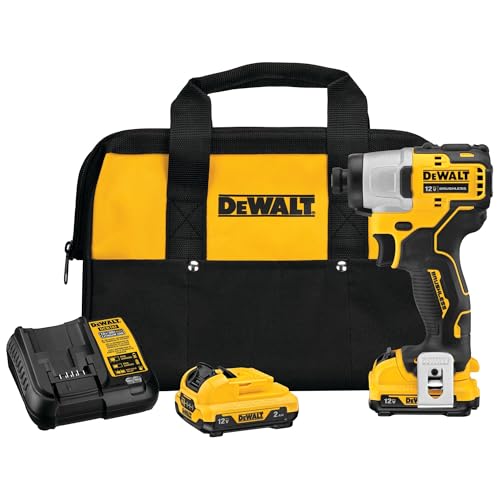


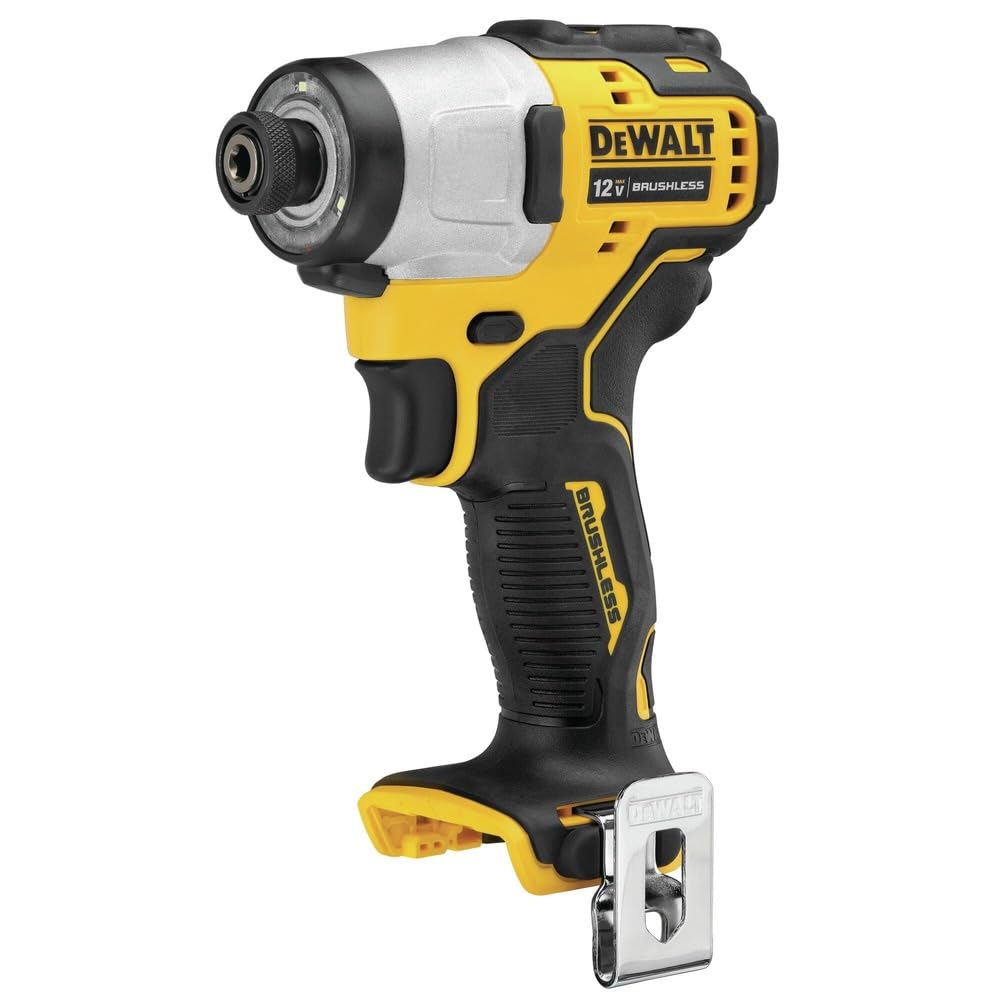


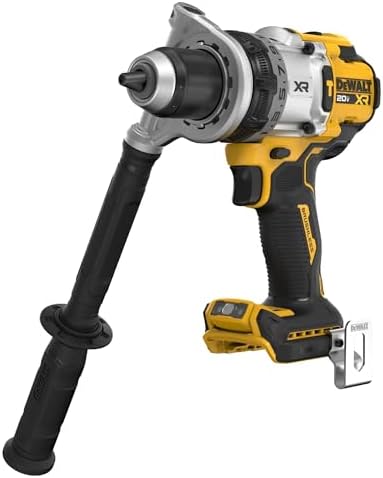
12v Impact Driver Types at a Glance
Most 12 volt models fall into three broad types. Brushed compact models cost the least and suit occasional screw driving around the home. Brushless compact models add better efficiency, more speed settings, and stronger torque in a similar body size. Hydraulic models trade some peak force for much quieter operation, which matters for indoor work near other people.
Types Compared Instead of Named Picks
Brushed Compact Models for Occasional Use
Brushed models are the simple starting point for flat pack furniture, hinge work, and light repair jobs. Their motors cost less to build, so kits often include two batteries for a modest price. The trade off is more heat during long runs and brushes that wear over time. For a homeowner who drives screws a few times each month, that limit rarely matters, and the low cost leaves room in the budget for a good bit set.
Brushless Compact Models for Regular Work
Brushless models remove the wearing brushes and use electronics to deliver power only as the load demands it. That usually means longer runtime from the same battery, cooler running, and finer speed control at the trigger. Many also add two or three speed modes, so you can slow the tool for cabinet screws and raise the speed for deck hardware. If you plan weekly projects, this is the class most buyers should compare first.
Hydraulic Models for Quiet Indoor Work
Hydraulic drivers use fluid pulses instead of metal hammer strikes, so they sound softer and vibrate less in your hand. Peak torque is lower, so they are not the choice for large lag bolts in framing lumber. Their strength is control in finished spaces, such as fitting kitchen cabinets or working in an occupied office. If noise has stopped you from using an impact tool indoors, this type deserves a close look.
Who Should Buy a 12v Impact Driver
Cabinet and Furniture Builders
You work inside boxes, drawers, and face frames where a larger driver head simply will not fit. A short 12 volt body lets you keep the bit straight, which protects screw heads and finished surfaces. Low speed control matters more to you than peak torque, because most cabinet screws are small and easy to strip. Look for a model with a precise trigger and a bright work light that points at the fastener.
Home Users Working in Tight Spaces
You fix appliances, fit brackets under sinks, and build storage in closets and lofts. A compact tool reaches fasteners that a full size driver cannot, and its lighter weight makes awkward angles less tiring. This is also where a guide to the best impact driver for home use can help you decide if one small tool will cover most household jobs or if you need a drill combo as well.
Key Features to Compare
Torque, Speed, and Impact Rate
Torque tells you how much twisting force the tool can deliver, while speed tells you how fast it drives under light load and the impact rate tells you how often it strikes under heavy load. For 12 volt tools, focus on usable control rather than the peak claim. A driver that starts slowly and builds force smoothly will seat small screws without damage, and it will still handle lag screws of moderate size in softwood when you drill a pilot hole first.
Size, Weight, and Grip Shape
Measure the head length if you work inside cabinets, because a difference of one inch decides whether the bit stays straight. Weight should include the battery you will actually use, not the bare tool figure alone. Grip shape shapes comfort too: a slim handle suits smaller hands and gives better trigger reach, while a rubber overmold helps when your hands are dusty. If compact reach is your top priority, compare this class with the best compact impact driver options as well.
Battery Platform and Runtime
A 12 volt battery is smaller and lighter than larger packs, but runtime depends on capacity measured in amp hours and on how hard you drive the tool. A kit with two batteries removes waiting time, since one can charge while the other works. Platform matters beyond this one tool, because the same batteries may power a small drill, a ratchet, or a work light. Buying into a platform you will expand is often worth more than a small saving today.
Speed Modes and Trigger Control
Single speed tools keep things simple, but extra modes give you a soft start for finished surfaces and a stronger setting for structural screws. A precision mode that slows the tool as the screw seats can save you from snapped heads and split trim. Trigger feel is part of this picture: a good trigger lets you creep the bit into place before you commit to full speed. Test this idea in store if you can, by feathering the trigger gently.
How to Choose the Right Impact Driver
Type and Motor Choice
Start by matching the type to your workload, as covered in the types section above. Then consider the wider format question that many buyers raise, covered in our explainer on impact driver vs impact wrench, since a wrench suits large sockets and vehicle work while a driver suits hex bits and screws. For screw driving at home and in workshops, the driver format is the correct tool, and the 12 volt size is the lightest way to own one.
Features Worth Paying For
Pay for brushless efficiency if you work often, for extra speed modes if you handle both delicate and heavy fasteners, and for a second battery in every case. A bundled bit set is useful only when the bits are impact rated, so check that detail before you value the bundle. A drill combo kit can make sense for new buyers, because the drill handles holes and the driver handles fasteners, and both share the same batteries and charger.
Accessories and Warranty
Budget for impact rated bits, a magnetic bit holder, and a case that keeps the charger with the tool. Warranty length varies, and a longer warranty on the tool than on the battery is common. Keep your receipt, because warranty claims often need proof of the purchase date.
How Much Should You Spend?
Expect to spend about $60 to $100 for a brushed kit for occasional use, about $100 to $150 for a brushless kit with two batteries, and about $150 to $200 for a quiet hydraulic model or a kit with larger batteries. Spending more mainly buys control, runtime, and platform depth rather than raw force. If your budget is fixed, put the money into the brushless motor and the second battery before you pay for extra accessories.
12v vs Other Impact Drivers: Pros and Cons
The strengths of the 12 volt format are size, weight, and control. It fits where larger tools cannot, it tires your arm less, and its gentler force protects small fasteners and finished materials. For furniture, cabinets, appliances, and general home repair, those strengths cover the great majority of screws you will meet.
The limits appear with large lag bolts, long structural screws, and heavy vehicle work. Larger voltage platforms deliver more torque and longer runtime under constant load, so builders who frame decks all day should look there instead. A balanced view is simple: choose 12 volt for access and comfort, and choose a larger platform only when your fastener list regularly includes the biggest sizes. For a structured method, read how to choose an impact driver alongside this guide.
How to Make Your Impact Driver Last Longer
Store batteries partly charged in a dry place away from heat, and top them up before a big job rather than leaving them on the charger for weeks. Check bits for cracks and replace worn ones early, because a worn bit slips and damages both the screw and the collet. After dusty work, brush dust from the vents with a soft brush so the motor can cool properly on the next job.
Let the tool do the striking instead of pushing with your full body weight, since excess pressure bends small screws and strains the mechanism. If the driver stalls repeatedly on a fastener, stop and drill a pilot hole or step up to a larger tool rather than forcing the drive. Learning correct technique protects the tool as much as the work, and our guide on how to use an impact driver walks through grip, pressure, and bit seating in detail.
FAQ
What is the best 12v impact driver?
There is no single answer, because the right choice depends on your platform, your fastener sizes, and how often you work. For most buyers, a brushless compact model with two batteries and at least two speed modes is the safest all round answer. Cabinet workers may value the shortest head, while buyers who already own 12 volt batteries from one platform should stay with that platform to save money and share chargers.
Are 12v impact drivers worth it?
Yes, if your work is mostly screws for furniture, cabinets, fixtures, and home repair. You gain a tool that fits tight spaces and stays comfortable during long overhead tasks, and you give up force you would rarely use. They are less worthwhile as your only driver if you regularly build decks or drive long structural screws, where a larger platform finishes the same work with less strain on the battery.
How long does an impact driver last?
The tool body often outlasts several sets of bits and at least one set of batteries. Brushless models remove one common wear item, so their service life tends to be longer under regular use. Batteries usually fade first, showing shorter runtime before they fail outright. Buying from a platform with spare batteries still on sale protects your investment, because a sound tool with no available battery has little practical value.
Is an impact driver worth it if you already own a drill?
For many owners, yes, because the two tools do different jobs well. A drill makes clean holes and drives small screws gently, while the driver delivers repeated force without twisting your wrist when a screw meets resistance. Owning both also means you can drill a pilot hole and drive the screw without swapping bits. If you only hang the odd picture, a drill alone is enough and the driver can wait.
How do you clean an impact driver?
Remove the battery first, then wipe the body with a dry or slightly damp cloth and clear the vents with a soft brush. Avoid blowing dust deeper into the housing with strong air pressure, and never use solvents on the grip or housing. Clean the collet with a dry cloth so grit does not stop bits seating fully. If dust has entered after cutting work overhead, a gentle shake with the vents facing down helps clear loose debris.
What is the most reliable impact driver brand?
Reliability depends more on support than on a name. Look for a maker with spare batteries on sale, a clear warranty process, and service centers or mail in repair you can actually reach. Consistent quality also shows in small details, such as metal collet parts and chargers that report battery health. A platform with a long sales history is a safer bet than a new label, because parts and batteries tend to remain available for years.
Final Thoughts
A 12 volt driver earns its place by fitting the work, not by winning a spec contest. Match the type to your jobs, value control and battery support over peak torque, and spend first on a brushless motor and a second battery. When you compare your shortlist in the product table above, you will see why the best 12v impact driver for one buyer is the quiet hydraulic tool and for another is the simple brushed kit.