
Best 12v Compressor: Buying Guide for 2026
Disclosure: We may earn a commission when you buy through links on this page, at no extra cost to you. As an Amazon Associate I earn from qualifying purchases. Learn more

Compare the best 12v compressor types by power, duty cycle, hose length and noise. This buying guide helps you choose a portable unit for tires and inflatables.
A best 12v compressor is a portable air pump that runs from a vehicle power outlet or battery, and it can save a trip to a service station when a tire runs low. The right model depends on what you inflate, how often you use it and how much space you can carry. The product table gives a quick overview, while this guide explains the features that matter most.
Start by listing your main jobs, such as car tires, bike tires, sports balls or inflatable gear. A small unit may handle a bike tire easily but struggle with a large truck tire, while a larger unit may be too bulky for a small car trunk. Use the sections that follow to compare power, duty cycle, hose design and value before you buy.


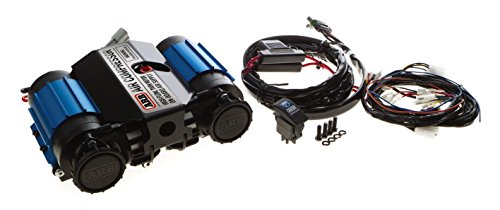
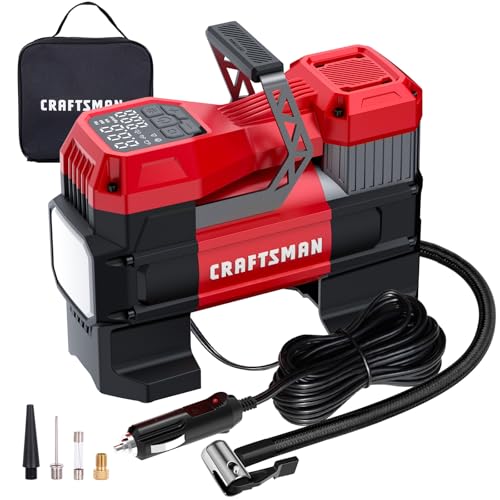
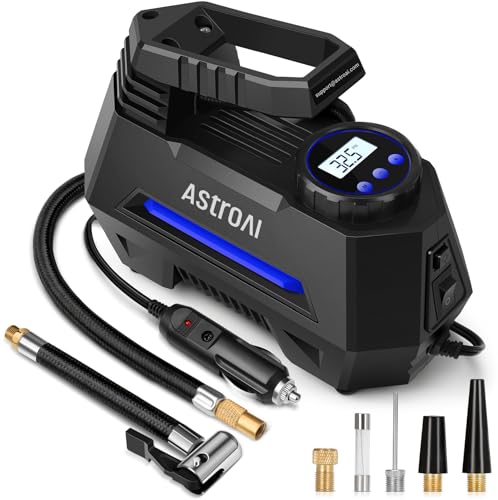

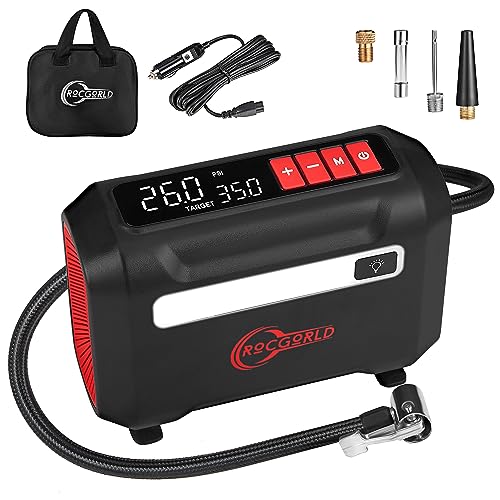
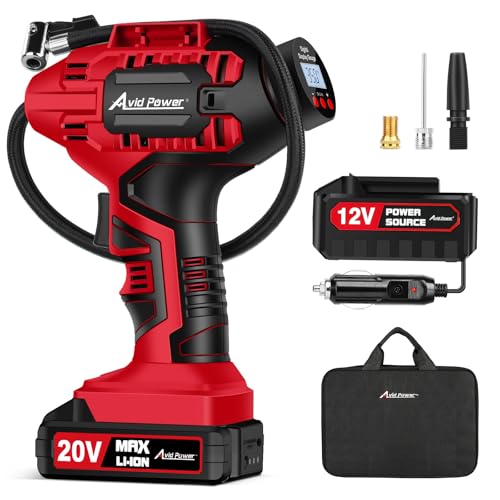
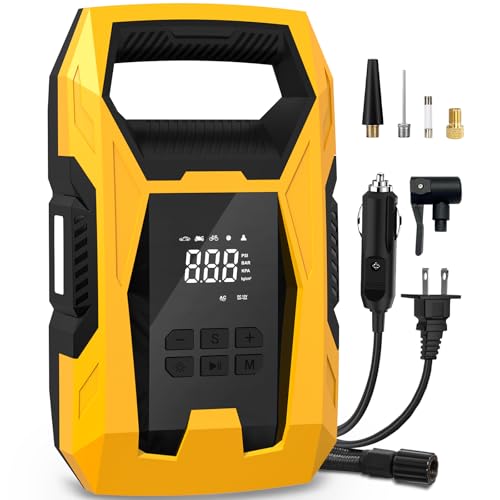
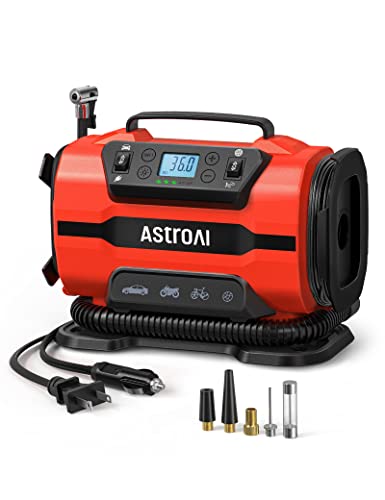
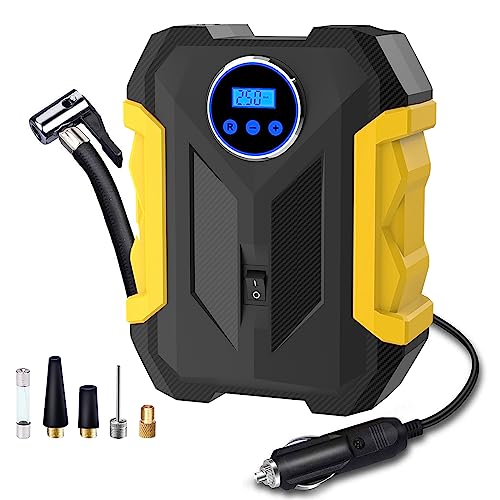
Spending Levels: What Each Budget Buys
Budget units often cost about $25 to $60 and suit occasional top ups for car tires and sports balls. They are usually compact and light, but they may run slower and need rest periods between tires. Mid range units often cost about $60 to $120 and usually offer faster inflation, longer hoses and better cooling. Premium units often cost about $120 to $250 and may add higher airflow, longer duty cycles and sturdier cases for frequent or heavy use.
Choose a budget unit if you inflate tires a few times a year and value a small size. Choose a mid range unit if you travel often, tow a trailer or inflate larger tires. Choose a premium unit if you run a workshop, support a fleet or need to inflate several large tires in one session. In every tier, check the maximum pressure rating and the duty cycle, because those limits decide whether the unit can finish the job without overheating.
How to Choose the Best 12v Compressor: Buying Guide
Compare compressors by the jobs you will actually do, not by headline power alone. The factors below help you judge real world usefulness when picking a 12v compressor.
Intended Use and Who It Is For
Car owners mainly need a unit that reaches the pressure for their tires and fits in the trunk. Cyclists and sports players need a unit that handles lower volumes and smaller valves with an adapter. Campers and boat owners may need a unit that also inflates air beds and inflatable gear, so check for nozzle adapters. If you inflate large tires, choose a unit with higher airflow and a longer duty cycle.
Maintenance and Long Term Costs
Long term costs are usually low, but filters, hoses and adapters can wear with use. Check whether the maker sells replacement hoses, fuses and adapters, and keep the intake filter clean so the motor does not overheat. Store the unit in a dry place, coil the hose loosely and avoid kinking the power cord. A protective case can reduce damage during travel.
Safety and Certifications
Safety starts with following maker guidance on maximum pressure, duty cycle and rest periods. Never exceed the pressure rating for a tire or inflatable, and check pressure with a separate gauge when accuracy matters. Keep the unit away from water, let it cool before storing it and keep it away from children when it is hot. A unit with overheat protection and a stable base is easier and safer to use on uneven ground.
Ease of Use and Setup
Ease of use depends on hose length, power cord length, display clarity and valve connection type. A longer hose lets you reach all four tires without moving the unit, while a digital display can make it easier to set a target pressure. Screw on connectors usually seal better than push on types, but they take a little longer to attach. Check whether the unit works from a vehicle outlet, direct battery clips or both, because that choice affects where you can use it.
Price vs Value
Value means matching airflow, duty cycle and build quality to your jobs, not buying the highest pressure rating you can find. A mid range unit often gives the best balance for most drivers, with faster inflation and a longer hose than a budget unit. Premium units make sense for frequent use, large tires or workshop work, where time and durability matter more. Read the warranty for the motor and accessories separately, because accessories often carry a shorter term.
Warranty and Customer Support
A clear warranty and responsive support matter when a motor, hose or gauge fails. Check how long the motor is covered, whether wear parts are included and how replacement parts are ordered. Keep your receipt and the manual. A maker with a clear parts list is usually easier to deal with than one that only sells complete units.
Types of 12v Compressors
Compressor types differ mainly in size, airflow and intended workload. Choosing the right type early can save you from a unit that is too slow or too bulky for your needs.
Mid Range Options
Mid range options suit most drivers who want faster inflation without a large case. They usually offer a balance of airflow, hose length and duty cycle, and they handle car and SUV tires well. They are a good choice for road trips, family cars and light trailer use.
Compact Options
Compact options suit small cars, motorcycles and occasional use. They are light and easy to store, but they may inflate more slowly and need rest periods between tires. They work best for top ups, bike tires and sports balls rather than full inflation of large tires.
Premium Options
Premium options suit frequent users, large tires and workshop settings. They usually offer higher airflow, longer duty cycles and stronger housings, so they can handle several tires in one session. They save time when the workload is heavy.
Setup and Care Tips
- Read the manual before first use, and note the maximum pressure and duty cycle for your model.
- Clean and inspect the hose, filter and power cord regularly, and replace worn parts before they fail.
- Store the unit in a dry place with the hose coiled loosely, so the cord and fittings stay in good condition.
- Register the product for warranty if the maker offers that option, and keep the receipt with the manual.
- Let the unit cool after use, and check tire pressure again after a short drive, because pressure can change as tires warm up.
If you need a unit mainly for quick top ups, compare the smaller option in our guide to best 12v inflator. For a car-focused pick, see our portable air compressor for car guide. For garage or workshop air tools, read our guide to an air compressor for home garage.
FAQs
How long does a 12v compressor last?
A 12v compressor often lasts several years with light use and simple care. Motors wear faster when the unit is run past its duty cycle or used on tires above its rating. Keep the filter clean, store the unit dry and let it cool between tires to extend its life. If airflow drops sharply, check the hose and filter first.
How much should I spend on a 12v compressor?
Most drivers spend about $60 to $120 for a reliable mid range 12v compressor with a decent hose and duty cycle. Occasional users can spend less, while frequent users and large tire owners may benefit from spending more. Set your budget after listing your main jobs, because a unit that cannot finish a large tire will cost more in time and frustration. Keep a small reserve for adapters or a replacement hose.
Are expensive 12v compressors worth it?
Expensive 12v compressors are worth it when you inflate often, handle large tires or need to work quickly. Higher priced units usually offer faster airflow, longer duty cycles and stronger cases, which can save time on long trips. For occasional top ups on a small car, a budget or mid range unit may do the same job at a lower cost. Compare duty cycle and hose length, because those details often explain much of the price gap.
What features matter most when buying 12v compressors?
The features that matter most are airflow, maximum pressure, duty cycle and hose length. Airflow decides how fast a tire inflates, while duty cycle decides how long the unit can run before it needs a rest. Hose and cord length decide whether you can reach every tire without moving the unit. A clear pressure display, a secure valve connector and available replacement parts also make daily use much easier.
How do I maintain a 12v compressor?
Maintain a 12v compressor by cleaning the intake filter, inspecting the hose for cracks and checking the power cord for damage. Coil the hose loosely after use, store the unit in a dry place and avoid running it past its rated duty cycle. Replace worn adapters and fuses promptly, and keep the manual for pressure limits and warranty details. A short check before each trip can prevent a failure when you need the unit most.
Wrapping Up
Choose by your main jobs, tire size and how often you will use the unit, not by pressure rating alone. Prioritize airflow, duty cycle, hose length and a secure valve connection, and check that replacement parts are available. The product table can help you compare options once you know your priorities. For most drivers, a best 12v compressor is the one that finishes your tires without overheating, fits your vehicle and stays ready for the next trip.

