Best 120v Induction Cooktops (2026): Buying Guide
Disclosure: We may earn a commission when you buy through links on this page, at no extra cost to you. As an Amazon Associate I earn from qualifying purchases. Learn more

What to check before you buy the best 120v induction cooktop: burner count, circuit limits and pan fit, and which type fits your home.
Picture a small apartment kitchen on a weeknight. The main stove is crowded, the rice needs a burner of its own, and your lease rules out any rewiring. A plug in induction unit solves that problem neatly, because it runs on an ordinary household outlet and stores away when dinner is done. Choosing the best 120v induction cooktop comes down to your space, how many people you cook for, and what your circuit can handle. This guide walks through each of those points so you can match a unit to your home, and the comparison table below sums up the main types side by side.



Quick Answer: The Three Types Worth Considering
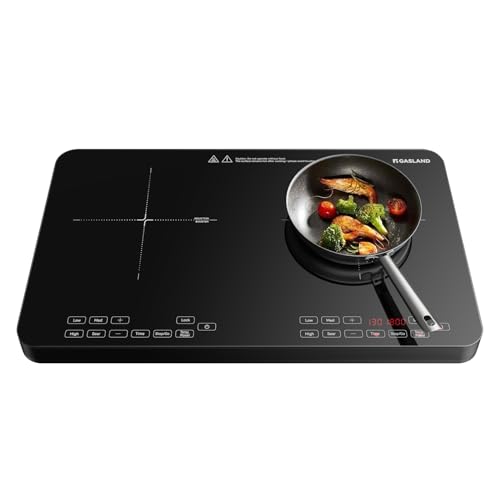
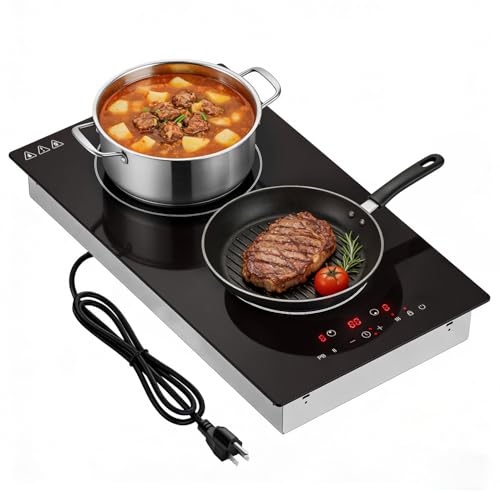
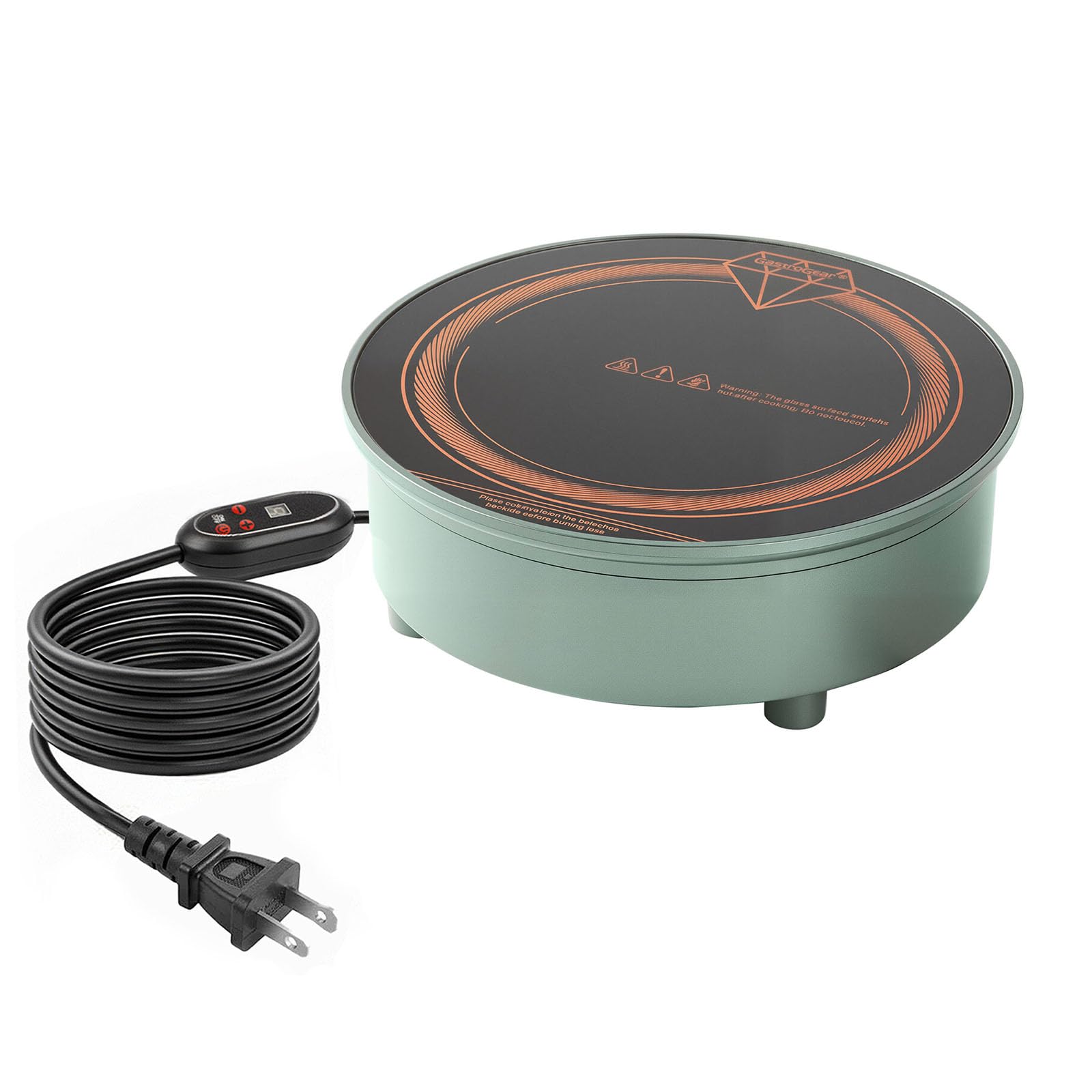
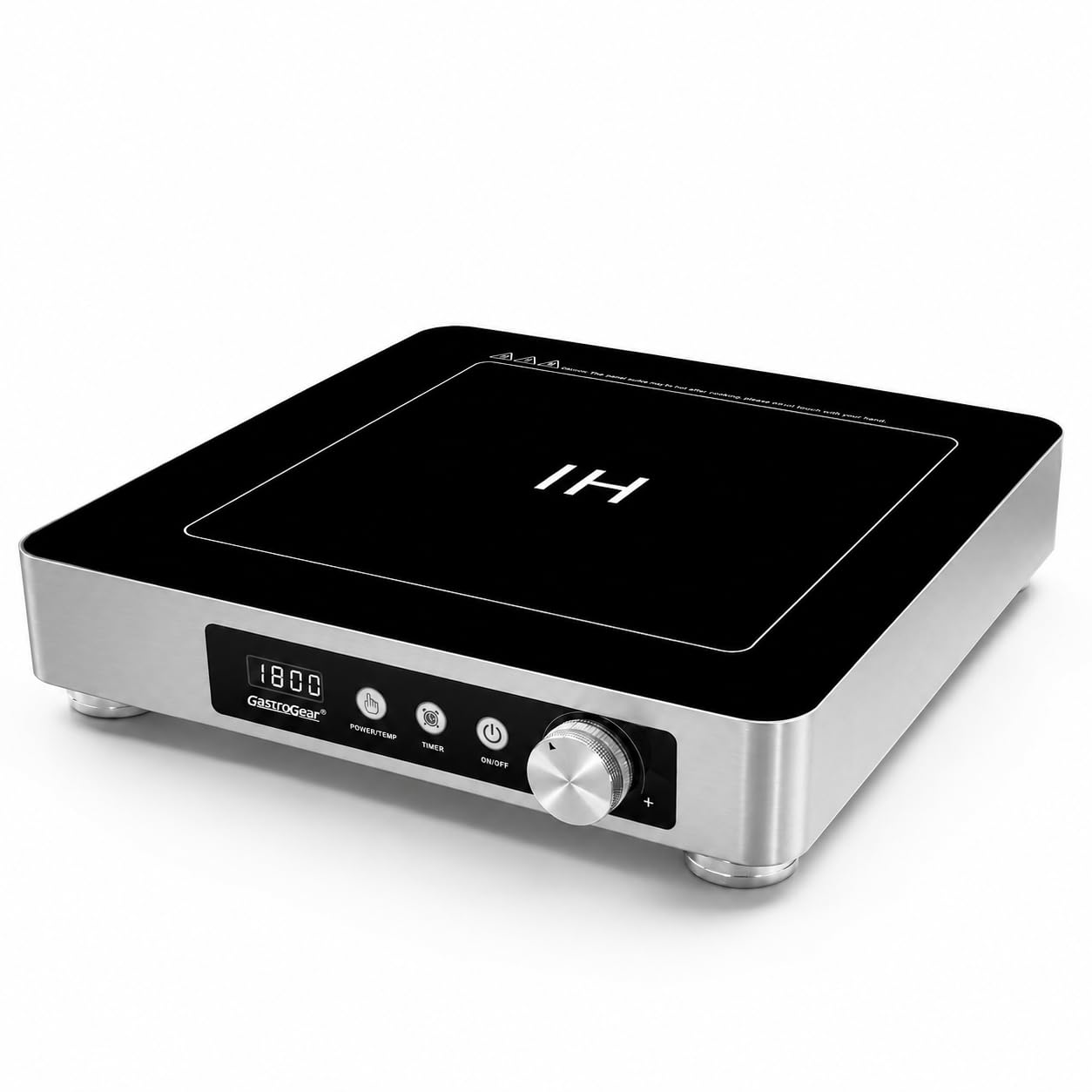
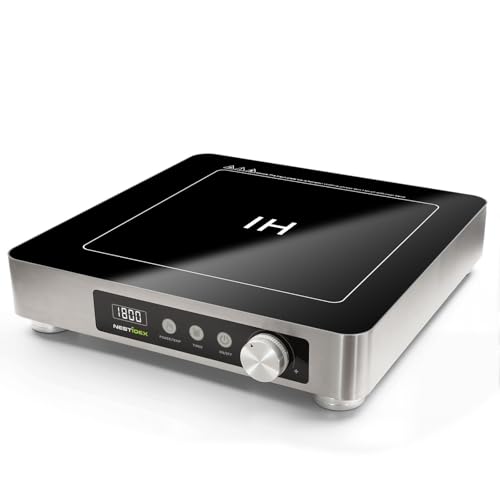
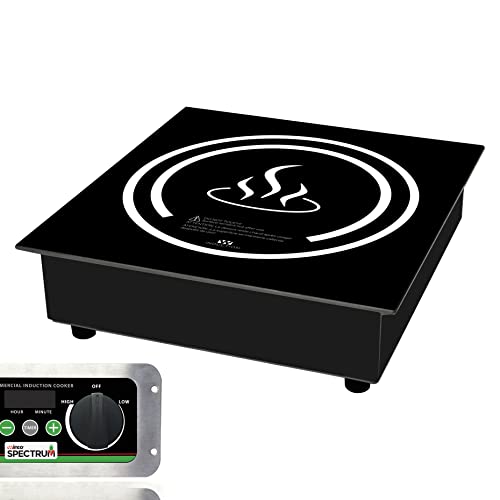
Almost every 120v model falls into one of three groups. A single burner portable suits one or two people and tight counters. A double burner portable gives a small household two cooking zones for everyday meals. A compact drop in unit with two burners suits an RV, a studio, or a tiny permanent kitchen. Homes with room and wiring for a full size range can look at our guide to the best induction cooktop instead. For everyone limited to a standard outlet, the three types above are the realistic shortlist.
Before You Buy: A Quick Checklist for Choosing an Induction Cooktop
Size: Match It to Your Space
A single burner portable is roughly the size of a large cutting board, so it fits on a short stretch of counter and slides into a cabinet afterward. Double burner models run wider, close to the width of a small two burner stove, and they need that counter space full time while in use. Measure the spot you plan to cook on, then add a few inches behind the unit for its cooling fan vent.
Which Type Fits Your Routine
Portable units are the default choice for renters, dorm rooms, and anyone adding a spare burner for busy cooking days. You unplug them and the counter is clear again. Drop in units stay fixed in a cutout, which suits an RV galley or a studio kitchen where the cooktop is the whole stove. They look tidier and never need storage space, but the cutout is permanent, so they make sense only where you own the counter or plan to keep the setup for years.
Features Worth Paying For, and Ones to Skip
Pay for a wide range of power levels, because gentle low settings matter for sauces and melting, and many cheap units cycle on and off at low power instead of holding it steady. A timer that shuts the burner off, a control lock, and clear watt or level readouts all earn their keep daily. Skip paid extras you will rarely touch, such as app control, long lists of preset menus, and decorative lighting. On a 120v unit the outlet sets the performance ceiling, so spend on control quality rather than on novelty features.
Measurements and Compatibility With Your Setup
A standard kitchen outlet delivers 120 volts on a 15 or 20 amp circuit, and most 120v induction units draw up to about 1800 watts at full power. That total is shared, so two burners on one unit split the power rather than each getting the full amount. Run the cooktop on a circuit that is not already feeding a microwave or a toaster oven, or you may trip the breaker mid meal. Your pans also need flat magnetic bases, so test each pan with a fridge magnet. If the magnet grips the base firmly, the pan will work.
Certifications and Safety Listings
Look for a recognized safety listing mark on the label, such as UL or ETL, which shows the unit was tested against United States electrical safety standards. Commercial certifications only matter if you plan to cook in a business setting. For home use, the safety listing, a grounded plug, and automatic shutoff when no pan is detected are the checks that count.
DIY vs Pro Installation Cost
A portable unit needs no installation at all, since you simply plug it in and keep the cord clear of the hot surface. A drop in unit is different. Cutting the counter and confirming the circuit can carry the load is work many owners hand to an electrician or a kitchen installer. Our breakdown of induction cooktop installation cost explains what pros typically charge for that kind of work, so you can weigh it against the convenience of a unit that just sits on the counter.
Realistic Budget Ranges
Single burner portables often cost around $70, and basic models can run less during sales. Double burner portables usually land at about $150 to $300, with the extra money buying steadier low power control and a sturdier glass surface. Compact drop in units sit at about $200 to $400 before any installation work. Across all three groups, paying more should buy better controls and build quality, not more cooking power, because the outlet limits every 120v model to roughly the same maximum output.
Types Compared: Which 120v Format Fits Your Household
Instead of chasing individual models, start with the format that fits your household, then compare controls and build within that group.
Single Burner Portables for One or Two People
This is the most flexible format. It handles a frying pan, a saucepan, or a kettle with the full power of the outlet behind one zone, so water boils faster here than on a shared double unit. It suits singles, couples, office kitchens, and anyone who wants a spare burner for holiday cooking. Storage is simple because the unit is light and flat. The limit is obvious: one pan at a time, so a meal built around several pots means cooking in stages.
Double Burner Portables for Small Households
Two zones let a family of three or four cook pasta and sauce at the same time, which is the daily pattern most small households actually follow. Remember that both zones share the total wattage, so running one side on boost leaves less for the other. Choose this format if your counter can spare the width permanently during the cooking season and your meals regularly need two pans. It is the closest a plug in unit gets to feeling like a real stove.
Compact Drop In Units for RVs and Studios
A small two burner drop in unit mounts flush in a cutout and turns a tiny kitchen into a finished cooking space. RV owners like the flat surface because it doubles as extra counter when cool, and studio tenants gain a stove that takes no storage room. The trade off is commitment: the cutout stays, moving the unit later is real work, and the shared power limit still applies. Pick this format when the kitchen layout is settled and counter space is too precious for a portable.
How to Evaluate Any 120v Model
Whatever format you choose, judge each model on the same points. Check how the power sharing works between zones, and prefer units that show the actual level for each burner. Touch sliders look sleek but can be fiddly with wet hands, while simple plus and minus buttons stay predictable. Note the fan, because every induction unit has one and some are loud enough to notice in a quiet studio. Finally, confirm the warranty length and that the glass is rated for cookware weight.
What We Like and What We Do Not About 120v vs Other Induction Cooktops
The appeal of 120v is access. You get induction speed and a cool glass surface in a rental, a dorm, or an older home without paying an electrician to add a 240 volt line. The surface stays far cooler than a radiant electric burner, and spills do not bake on as hard. Our comparison of induction vs electric cooktop explains those surface and efficiency differences in more depth.
The honest limit is power. A large stockpot of water takes noticeably longer to boil than it would on a full size 240 volt cooktop, and two busy burners slow each other down. If you regularly cook for a crowd and your home can support it, stepping up to a best 30 inch induction cooktop removes that ceiling. Households leaving gas behind for air quality reasons can also weigh the points in induction vs gas cooktop before deciding which voltage class to shop in.
Common Buying Mistakes to Avoid
- Buying a double burner unit without checking the shared wattage, then wondering why both sides feel weak at once.
- Plugging the cooktop into a circuit that already runs a microwave, which trips the breaker during dinner.
- Assuming every pan works, then finding your favorite aluminum pot never heats because its base is not magnetic.
- Choosing a unit wider than the counter spot, leaving no room for the rear fan vent to breathe.
- Paying extra for app control and preset menus while the basic power levels cycle roughly at low heat.
- Placing a portable unit on a wobbly folding table, where a full pot can slide on the smooth glass.
Cost of Ownership and Care
Running costs stay modest because induction sends most of its energy into the pan rather than into the room, and there are no filters or consumable parts to replace. The main care task is the glass surface: wipe spills after cooking, and lift pans instead of sliding them so grit on a pan base does not scratch the finish. Our guide on how to clean an induction cooktop covers the right cleaners and the ones to avoid. Keep the fan vent underneath or behind the unit free of dust and crumbs, since blocked airflow is the most common cause of overheating shutdowns.
Your Questions, Answered
Are 120v induction cooktops worth it?
Yes, when your cooking fits the format. They are worth it as a main stove for one or two people, as a spare burner during gatherings, and in any home where wiring work is not an option. They are less satisfying as the only stove for a large family that runs several big pots daily. Judged as flexible extra cooking space rather than as a full range replacement, most owners find the money well spent.
How long does a 120v induction cooktop last?
A portable unit used daily often serves for years, and the part that usually ages first is the cooling fan rather than the cooking surface. Glass that is protected from dropped cast iron and thermal shock from cold water on a hot zone tends to outlast the electronics. Storing a portable flat instead of on its edge, and keeping the cord from bending sharply at the plug, both help a unit reach its full working life.
Can a 120v induction cooktop boil a large pot of water?
It can, but patience helps. A covered pot boils far faster than an open one, because the lid traps the steam that would otherwise carry heat away. Choose a pot whose base matches the burner size, since a base much wider than the coil wastes energy at the edges. For very large canning or stock pots, boiling in two smaller batches on a double unit is often quicker than one giant pot.
Can you plug a 120v induction cooktop into any outlet?
Not quite any outlet. It needs a grounded three prong outlet, and kitchen outlets near water should have ground fault protection, which most modern kitchens already have. Avoid extension cords and power strips, because the sustained high draw can overheat them. Plug the unit directly into the wall, and if the breaker trips once, move the cooktop to a different circuit instead of resetting and retrying on the same one.
What is the best 120v induction cooktop for a small kitchen?
The best fit is the format that leaves your counter usable. A single burner portable wins when storage space exists, because it disappears into a cabinet after cooking. A drop in unit wins when the counter itself is the storage problem and a permanent spot is available. Measure your space first, then let that measurement pick the format before you compare any controls or prices.
Final Thoughts
Start with your space and your circuit, then pick the format that fits both. The product table above pulls the main types together so you can compare them at a glance. For most small homes, the best 120v induction cooktop is simply the one whose size, controls, and power sharing match the way you already cook every day.