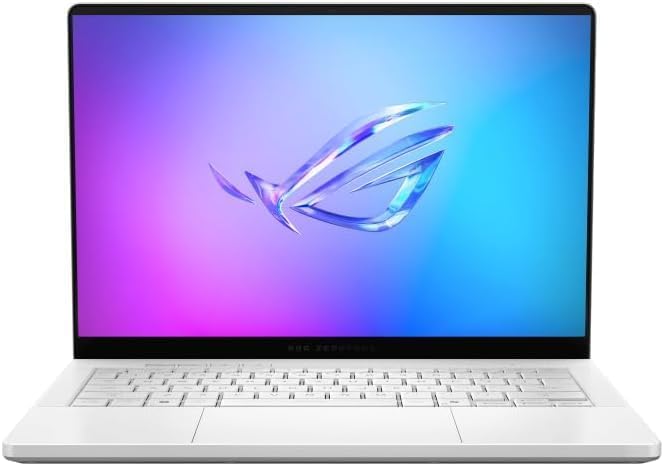
Best 120hz Laptops of 2026: Complete Buying Guide
Disclosure: We may earn a commission when you buy through links on this page, at no extra cost to you. As an Amazon Associate I earn from qualifying purchases. Learn more

A clear guide to the best 120hz laptops, covering panels, processors, battery life, and what each price tier delivers.
A 120 Hz screen refreshes the picture twice as often as a standard 60 Hz screen, and once your eyes get used to that smoothness, ordinary laptops feel oddly choppy. The catch is that refresh rate alone does not make a laptop good, because panel quality, processor strength, and battery life all trade against each other. This guide walks you through the best 120hz laptops the way a careful buyer should, tier by tier and spec by spec.
Glance at the product table for the current field, then read the buying guide sections in order. You will finish knowing exactly which compromises fit your budget and your daily work.


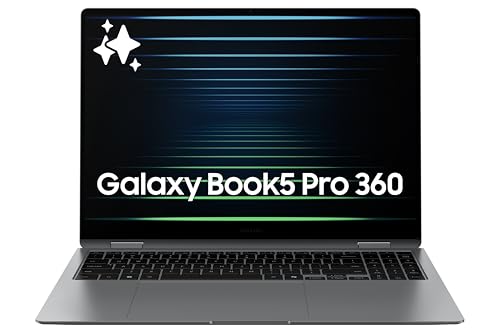
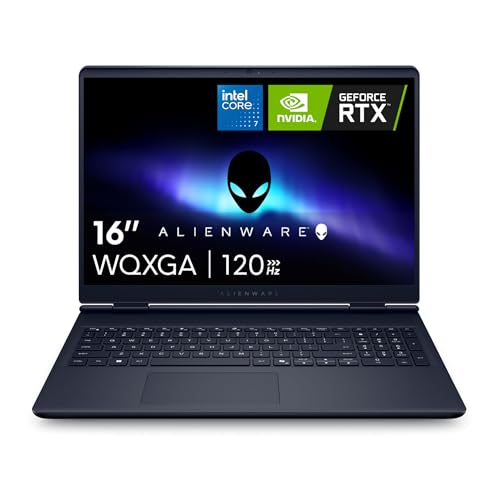
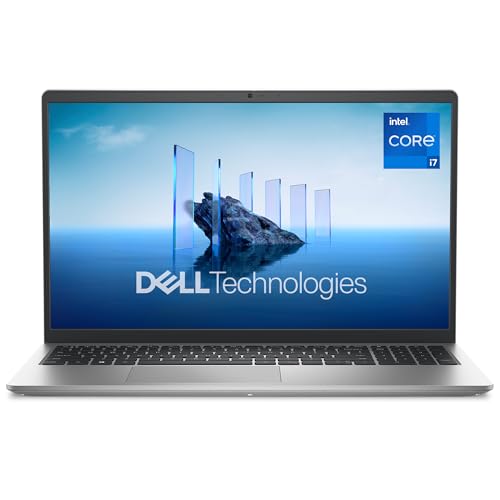

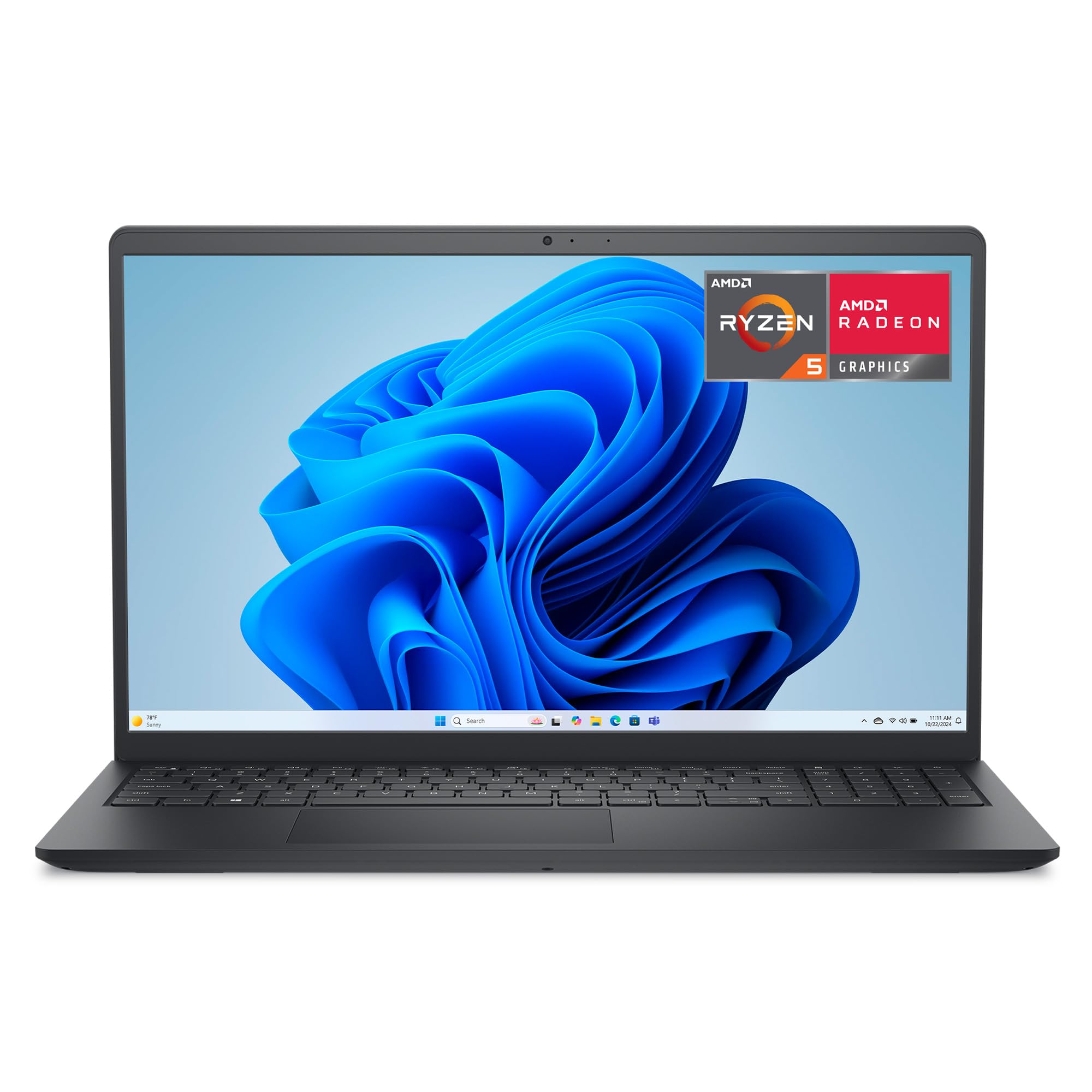

Three Price Tiers at a Glance
Instead of naming winners, it helps to understand what each price band generally delivers, because 120 Hz screens now appear everywhere from budget gaming machines to slim creative laptops. Use the tiers to place any model you find, then judge it against its tier rather than against machines costing twice as much.
The Balanced Tier, Around $900 to $1,400
This tier suits most buyers, including students who game and workers who edit photos. Expect a bright, color accurate 120 Hz panel, a current mid range processor, 16 GB of memory, and a metal or part metal body.
Battery life lands around six to nine hours of light work. The compromises are modest, usually a little extra weight or fans you can hear under load. If you buy once and keep a laptop for years, start your search here.
The Value Tier, Around $600 to $900
Value models deliver the smooth screen and honest gaming or study performance at the friendliest prices. Panels may be a bit dimmer and bodies are often plastic, and memory or storage may start at 8 GB and 512 GB. The smart move in this tier is checking whether memory can be upgraded later, since that one detail can add years of life. For esports titles and schoolwork, these machines feel far faster than their price suggests.
The Premium Tier, Around $1,400 and Up
Premium models pair the 120 Hz screen with top tier processors, strong dedicated graphics, and OLED or high brightness panels with excellent color. Bodies get thinner and lighter, keyboards and speakers improve, and battery saving tricks like variable refresh rate appear. You pay for refinement rather than raw capability, since the balanced tier already runs most software well. Creators who color grade video and gamers who want high settings at high frame rates are the natural audience here.
How to Choose the Best 120hz Laptops: Buying Guide
This is the heart of the guide, so take it slowly. The best 120hz laptops for you are the ones whose weakest spec still clears your daily needs, because a laptop is a chain of parts and the weakest link is the one you will curse.
Processor and Performance Tier
The processor drives everything from compile times to game frame rates. Current mid range chips from the major families handle office work, coding, and 1080p gaming comfortably. Step up a tier if you edit 4K video, run virtual machines, or play demanding games where the processor feeds a strong graphics card.
More cores help heavy multitasking, while single core speed still shapes how snappy everyday apps feel. Match the processor to your hardest weekly task, not your hardest yearly one.
Battery Life in Real World Use
A 120 Hz screen draws more power than a 60 Hz one, so real world battery life needs honest reading. Expect roughly five to nine hours of light work from most models, and far less while gaming, where one to two hours unplugged is normal. Many laptops let you drop to 60 Hz on battery, a setting worth enabling for travel days. Fast charging over USB C softens the blow, since a short coffee break charge can restore hours of work.
Keyboard, Trackpad, and Build
You touch the keyboard and trackpad thousands of times a day, so they deserve real weight in your decision. Look for keys with about 1.3 to 1.5 mm of travel and a firm, quiet action, plus a trackpad large enough for gestures without palm mishaps. Aluminum bodies feel sturdier and flex less than thin plastic, though good plastic keeps weight and price down. Check hinge stiffness too, because a screen that wobbles on a train tray table gets old fast.
Operating System
Windows offers the widest choice of 120 Hz machines and full game library access, which is why most buyers land there. ChromeOS models with fast screens suit web based school and office work and update with almost no effort. macOS laptops use their own ProMotion displays with adaptive rates up to 120 Hz, and they suit buyers already invested in that ecosystem. Pick the system your software demands first, then shop for the screen within it.
Display Size, Resolution, and Brightness
At 14 to 16 inches, a 120 Hz panel pairs beautifully with 1080p or 1440p resolution, since higher resolutions demand stronger graphics to feed all those frames. Brightness of about 300 to 400 nits works indoors, while 500 nits or more helps near windows. Color coverage matters for creators, so look for full sRGB at minimum and wider gamut coverage if you grade photos. Response time counts too, because a fast refresh with a slow panel still smears motion.
Weight and Portability
Weight decides whether the laptop travels or lives on a desk. Under about 3.5 lb, a machine disappears into a backpack and suits students crossing campus all day. Gaming models with big cooling systems often run 4.5 to 5.5 lb before the charger, and the charger itself can add a pound.
Always count the charger when you judge portability, because you will carry both. Shoppers at the light end may also enjoy our guide to the best notebook laptops.
Ports and Connectivity
Ports save you from dongle life. Two USB C ports with charging support, at least one full size USB port, HDMI for classroom and office screens, and a headphone jack cover nearly everyone. WiFi 6E or WiFi 7 keeps wireless speeds high on modern routers, and Bluetooth 5.3 or newer pairs mice and headsets reliably.
Card readers matter to photographers, so check before you assume. Students comparing broadly should also see our guide to the best laptops for college.
Types of 120hz Laptops
2 in 1 Convertibles
Convertibles fold the screen back into tablet mode, which helps for notes, drawing, and presenting. The 120 Hz panel makes pen strokes feel responsive and scrolling smooth. The trade offs are weight from the reinforced hinge and graphics that lean modest. Students and presenters who mark up documents love this type.
Gaming Laptops
Gaming laptops are where 120 Hz began, and they still pair fast screens with the strongest graphics. Expect louder fans, heavier chargers, and the best frame rates per dollar. If high settings in modern games top your list, this is your type, and the desk bound habits it encourages will not bother you.
Ultraportables
Ultraportables bring 120 Hz smoothness to thin metal bodies built for travel. They shine at office work, writing, and media, with long battery life when you temper the refresh rate. Graphics stay integrated, so gaming means lighter titles. Frequent flyers and hybrid workers feel the benefit daily.
Chromebooks
Fast screen Chromebooks are a newer, smaller group aimed at web based work and cloud gaming. They boot instantly, update quietly, and cost less than comparable Windows machines. The limit is software, since desktop programs do not run. For households and schools living in the browser, they are a calm, simple choice.
Tips to Get the Most From Your 120hz Laptop
- Keep the OS and graphics drivers updated, since driver updates often fix refresh rate and battery quirks.
- Set the screen to 60 Hz on battery for travel days, then back to 120 Hz when plugged in.
- Avoid running at 100 percent charge all the time if the maker offers a battery limit setting near 80 percent.
- Use a padded sleeve when commuting, because thin fast screen lids flex more than old chunky ones.
- Clean the vents with compressed air every few months so cooling stays quiet and effective.
- In games, cap frame rates near the refresh rate to cut heat and fan noise without losing smoothness.
Timing helps the wallet too, and our guide to the best time to purchase laptops explains the sale seasons worth waiting for.
120hz Laptops: Your Questions Answered
How long should a 120hz laptop last?
A 120hz laptop should last four to six years for work and study, with the battery aging first. Gaming models feel their age sooner as new titles grow heavier, though lowering settings extends their life. Choosing 16 GB of memory and a mid range or better processor at purchase is the simplest way to buy those extra years.
How much RAM do I need?
You need 16 GB of RAM for comfortable multitasking, gaming, and creative work on a machine of this class. Eight gigabytes survives light study and browsing but fills up quickly with many tabs and apps. If a value model offers a memory slot, upgrading later is cheap insurance. Soldered memory cannot change, so choose carefully there.
Is a Chromebook enough for school?
A Chromebook is enough for school when classes run on web platforms, documents, and video calls. It falls short for engineering software, local coding tools, or offline creative suites. Many schools publish their platform requirements, so check that list first. If it is all browser based, a Chromebook saves money and admin headaches.
Is a dedicated GPU worth it?
A dedicated GPU is worth it if you play demanding games, edit video seriously, or work in 3D, because it feeds the 120 Hz screen the frames it needs. For office work, writing, and light esports titles, modern integrated graphics are enough and run cooler and quieter. Spend the savings on the better panel or more memory instead.
Should I buy a laptop or a tablet?
Buy a laptop if typing, multitasking, and desktop software anchor your day, since a real keyboard and window management still win there. Buy a tablet if reading, drawing, and media dominate. A 120 Hz laptop with a touchscreen splits the difference for many students. Decide by your busiest day, not your lightest.
Our Verdict
Balance the panel against the processor and battery, and refuse to pay for refresh rate paired with a dim screen or weak memory. Buyers who follow that rule will land on the best 120hz laptops for their budget every time. Shortlist two or three models from the product table above, and if value leads your search, our notes on the best reasonable laptops and the best economical laptops will sharpen the final call.