Best 12000 Watt Generators (2026): Buying Guide
Disclosure: We may earn a commission when you buy through links on this page, at no extra cost to you. As an Amazon Associate I earn from qualifying purchases. Learn more
What to check before you buy the best 12000 watt generator: running watts, fuel type and safe hookup, and which type fits your home.
A house goes dark, the fridge warms up, and a small unit that handles lights alone suddenly feels too small. That is the moment most shoppers start looking for a best 12000 watt generator that can carry major circuits at once. This size sits near the top of the portable range, so build quality, fuel choice, and safe hookup matter as much as raw output. The comparison table below groups the main types so you can see the tradeoffs before you read the details.
This guide skips named picks and focuses on how you choose. You will learn which type fits your home, what running watts really mean at this size, and which features are worth paying for. If you want the wider picture first, see our guide to the best generator for other sizes and uses.



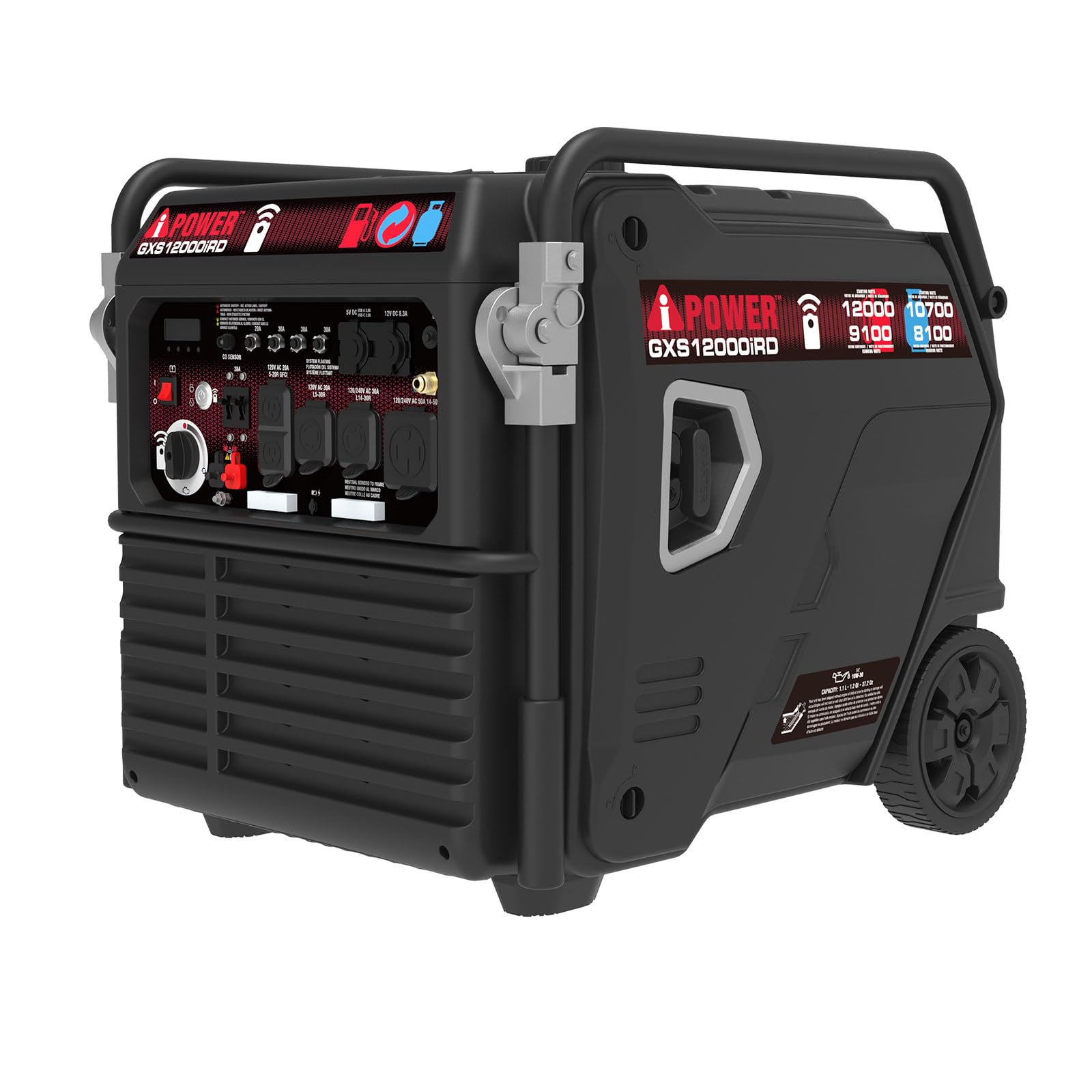

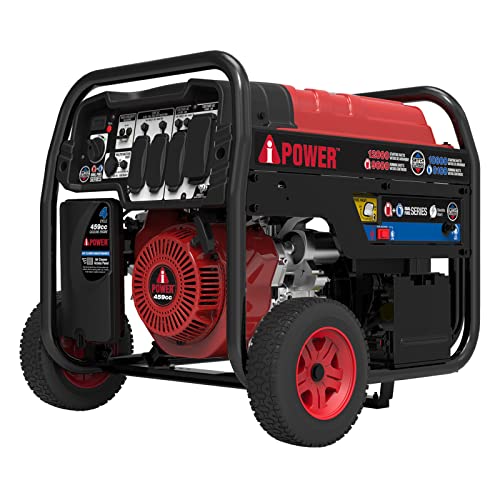
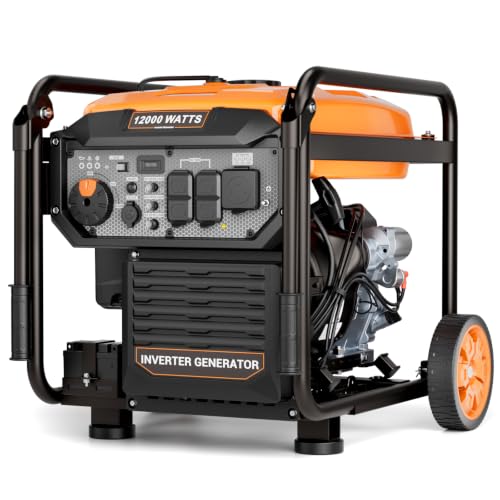
Generator Types Compared at This Size
At 12000 watts, three broad types cover most needs. They share a similar peak rating, but they differ a lot in noise, fuel flexibility, power quality, and how you connect them to a house. Picking the right type first saves you from paying for capacity in a form that does not suit your home, your storage space, or your local fuel supply.
Conventional Portable Generators
A conventional portable unit uses a gasoline engine and an alternator to make power at a fixed engine speed. These models give you the most watts for your money and are widely available with large fuel tanks and strong steel frames. The tradeoffs are noise and rougher power output. Total harmonic distortion tends to run higher than on inverter models, so check the maker rating if you plan to run sensitive electronics. For tools, pumps, and basic home backup during an outage, this type is often the practical value choice.
Inverter Generators at High Output
An inverter model converts engine power to direct current and then back to clean alternating current. That process gives steadier voltage and lets the engine slow down at light loads, which cuts noise and fuel use. Large inverter units at this size cost more and weigh more than conventional models, but the cleaner power suits computers, TVs, and modern appliances with electronic controls. If clean power is your priority, compare this class with our guide to the best inverter generator before you decide.
Dual Fuel and Tri Fuel Generators
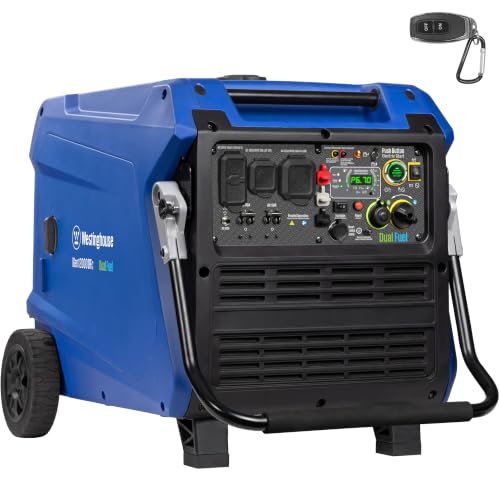
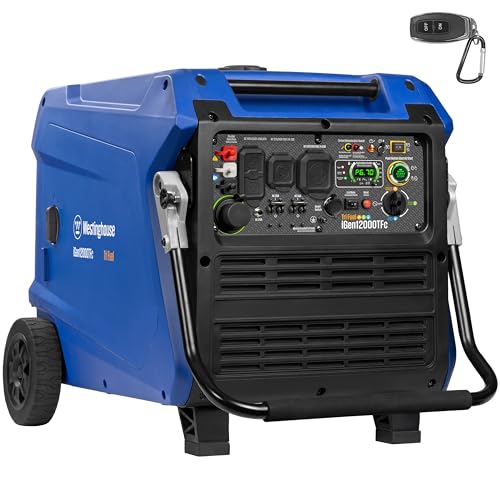
A dual fuel model runs on gasoline or propane, and a tri fuel model adds natural gas as a third option. Propane stores well for long periods and burns cleaner, though it usually gives slightly lower output than gasoline. Natural gas removes refueling during a long outage when your home has a gas line, but it needs a proper connection by a qualified installer. Fuel flexibility is the main reason to choose this type, especially where gasoline is hard to store or hard to find after a storm.
How to Compare 12000 Watt Generators
Compare models on the same five points so headline numbers do not mislead you. Look at frame and panel materials and weather resistance first, then confirm running watts rather than peak watts alone. Next check physical size and tank capacity, because both decide where the unit can live and how long it runs. Then review what assembly is actually required out of the box, the stated durability features such as covered outlets and low oil shutdown, and the warranty terms for residential use.
How to Choose the Right Generator
Size and Form Factor
Manufacturers list two numbers, and the smaller one matters more. Peak watts, sometimes called starting watts, is the brief surge the unit can supply when a motor starts. Running watts is what it can supply hour after hour. A 12000 watt label usually refers to peak output on gasoline, with running output somewhat lower, so read both figures on the spec sheet. Add up the running loads you truly need at the same time, then add the largest starting surge among them, and keep a margin rather than planning to run at full load all day.
Type and Fuel Choice
Your fuel choice shapes storage, runtime, and upkeep more than any other decision. Gasoline gives full rated output and is easy to find, but it goes stale in storage and needs stabilizer and rotation. Propane keeps for years in a sealed tank and leaves less residue in the carburetor, which helps if the unit sits unused for months. Solar and battery systems are quiet and clean, but at this output level they are a different product class with much higher cost per watt. Match the fuel to what you can store safely and buy locally during an emergency.
Features Worth Paying For
Electric start earns its cost on an engine this large, since pull starting a big unit in cold weather takes real effort. Remote start adds convenience when the unit sits outside and weather is bad, though you still need to check fuel and load in person. A carbon monoxide sensor that shuts the engine down is a safety feature worth having on any model you consider. Covered outlets, a fuel gauge, and an hour meter also help in daily use. Wheels and folding handles matter too, because a unit this size is far too heavy to carry.
Weather Resistant Materials
Look for a powder coated steel frame, covered outlets with rubber seals, and a control panel that sheds light rain rather than pooling water. These details decide how well the unit survives years of garage storage and outdoor running. Weather resistance does not mean the generator can sit out in a storm. You still need to run it under an open sided cover or canopy that keeps rain off while letting exhaust and heat escape freely. Never run a generator in an enclosed space, in a garage with the door open, or near windows where exhaust can drift inside.
Size for Your Space
Measure before you buy, because output this large comes in a big frame. Check the full footprint with handles fitted, the door width it must pass through, and the floor space where it will sit between outages. Plan a flat outdoor spot at least 20 feet from the house for running, with clear space around it for airflow and refueling. Also think about the path from storage to that spot. Steps, gravel, and tight gates can turn a simple move into a two person job.
Assembly and Anchoring
Most portable units need modest assembly, usually fitting the wheels, support feet, and handle, plus adding engine oil and fuel before the first start. Read the manual fully before you begin, and use the oil grade the maker specifies. Anchoring here means keeping the unit stable and secure, not bolting it down. Run it on level ground, keep it from walking under vibration, and use a rated chain and lock through the frame if theft is a concern. For home connection, read our guide on how to hook up a generator to a house and hire a licensed electrician to fit any transfer equipment.
Care and Off Season Storage
Storage care decides whether the unit starts when you need it most. For gasoline, either drain the fuel system for long storage or use stabilizer and run the engine briefly each month so fuel moves through the carburetor. Change the oil on the maker schedule, check the air filter and spark plug each season, and keep the battery charged on electric start models. Store the unit dry, covered, and off bare concrete if you can. A short test run under a real load a few times a year also confirms the outlets and breakers still work.
How Much Should You Spend?
Expect to pay about $900 to $2500 for most portable models at this size, with inverter and tri fuel versions at the upper end. Lower priced conventional models cover basic backup well, and the extra money at higher tiers mainly buys cleaner power, quieter running, more fuel options, and longer warranties. Standby systems cost far more once installation is included, so compare total installed cost rather than unit price alone. Avoid judging value by peak watts per dollar, since build quality and safe features protect a purchase you may keep for a decade.
Is a 12000 Watt Generator the Right Size for You?
For many homes, this size can run a well pump, a fridge and freezer, lights, a furnace blower, and one large extra load such as a window air conditioner, though not every large appliance at once. Electric ranges, electric dryers, and central air units with high starting demand can push you past the limit, so load management still matters. To work through your own list, see our guide on what size generator do i need and add your actual appliance ratings.
If your goal is automatic power for the whole home with no manual setup, compare this portable class with our guide to the best whole house generator options, which are fixed standby systems. If your loads are modest, a smaller unit will be quieter, lighter, and cheaper to run. The best 12000 watt generator for you is the one whose running watts cover your planned circuits with room to spare, without forcing you to manage loads you never use.
FAQ
What can a 12000 watt generator run at the same time?
It can usually run core circuits plus one large load, such as a fridge, freezer, well pump, furnace blower, lights, and a microwave used in short bursts. The limit is the mix, not any single item. Stagger motor starts, avoid running an electric water heater and an air conditioner together, and watch the watt meters many panels include. If breakers trip, shed the largest load first and restart items one at a time.
How long can a 12000 watt generator run on one tank?
Runtime depends on load far more than tank size alone. At about half load, many large portable models run roughly 8 to 12 hours on a full gasoline tank, and less at heavy load. Propane runtime depends on tank size, and a standard grill sized tank will not last as long as a full gasoline tank at the same load. Check the maker runtime figure and note the load it was measured at, since figures quoted at quarter load look much better.
Is it safe to run a generator in the rain?
No, you should not run it exposed to rain, because water near outlets and the panel raises the risk of shock and damage. Use a purpose made generator canopy or a well ventilated shelter that keeps water off while leaving all sides open for exhaust and cooling. Keep cords and connections off wet ground where you can, and never touch the unit with wet hands while it is running. If a storm is severe, waiting for a lull is safer than improvising cover.
Does a 12000 watt generator need a transfer switch?
For powering house circuits through your panel, yes, you need a transfer switch or an interlock kit fitted by a licensed electrician. Feeding a panel through a dryer outlet or a homemade cord, often called backfeeding, is dangerous and can send power into utility lines where crews are working. Running individual appliances on extension cords rated for the load does not need a switch, but cords must be outdoor rated, undamaged, and kept clear of doorways where they can be pinched.
How loud is a 12000 watt generator?
Conventional models at this size commonly produce noise in the low to mid 70 decibel range at a standard test distance under load, which is roughly vacuum cleaner volume. Inverter models usually run quieter, especially at partial load when the engine can slow down. Distance helps a lot, since noise drops as you move the unit farther from living areas, and a solid barrier between the unit and the house can soften the sound. Check local noise rules if you expect to run one overnight.
Final Thoughts
Start with the type, confirm running watts against your real load list, and then spend on safety and fuel flexibility before convenience extras. The product table above pulls the current options together so you can compare frame build, capacity, and fuel type side by side. Chosen well, a best 12000 watt generator gives your home calm, covered outages for years, as long as you store it properly and connect it safely.