
Best 120 Inch Projector Screens (2026): Buying Guide
Disclosure: We may earn a commission when you buy through links on this page, at no extra cost to you. As an Amazon Associate I earn from qualifying purchases. Learn more

What to check before you buy the best 120 inch projector screen: format, gain and seating distance, and which type fits your home.
A living room that hosts family movie nights, weekend sports, and the occasional work presentation asks a lot of one screen. At 120 inches, the picture feels like a real cinema, yet the screen still has to fit an ordinary wall and budget. Choosing the best 120 inch projector screen comes down to your room size, how much light you can control, and whether the screen stays up all year or comes out only when needed.
This guide walks through size, format, material, and budget so you can match a screen to your space. The comparison table below sums up the main formats at a glance.


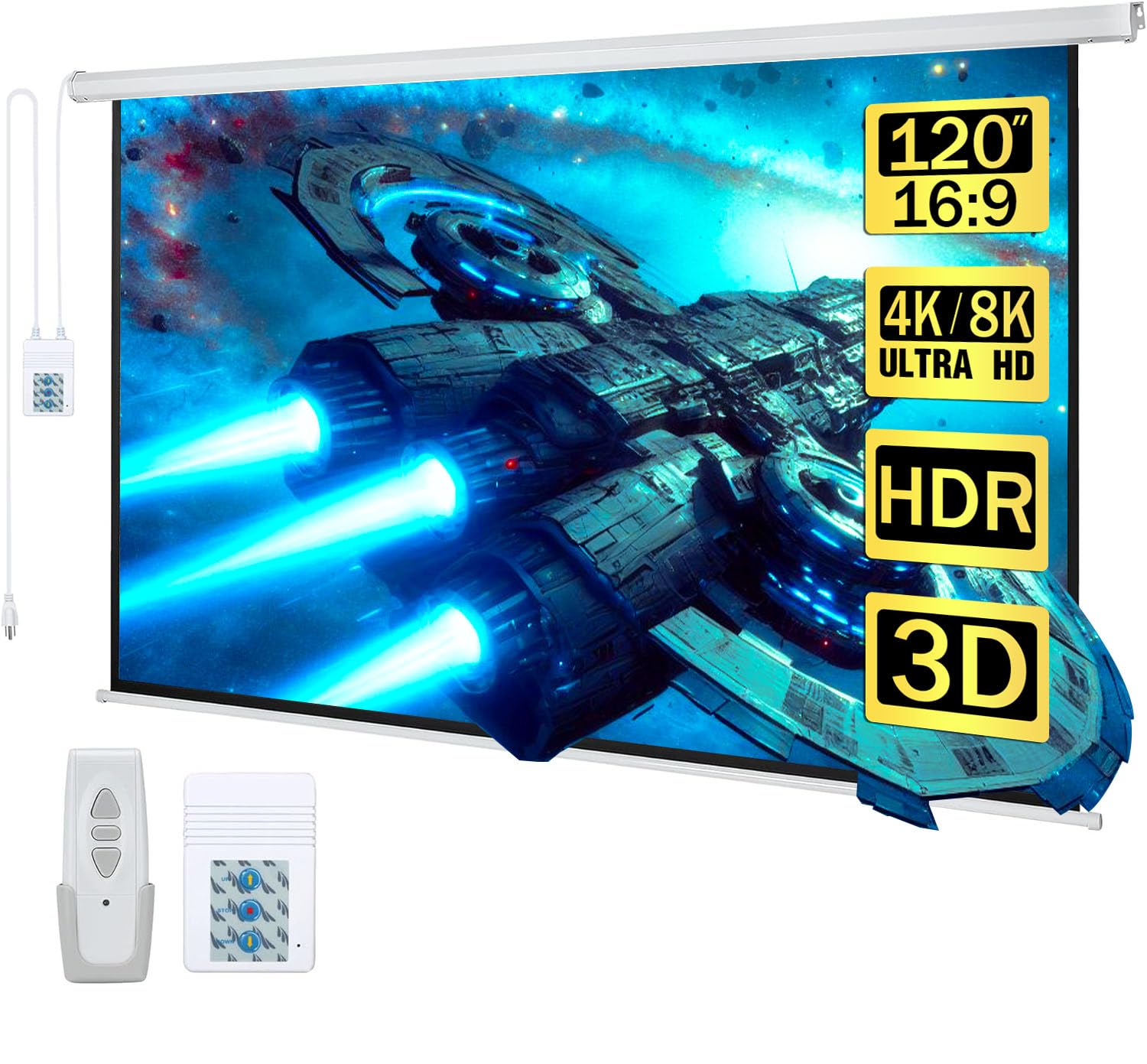


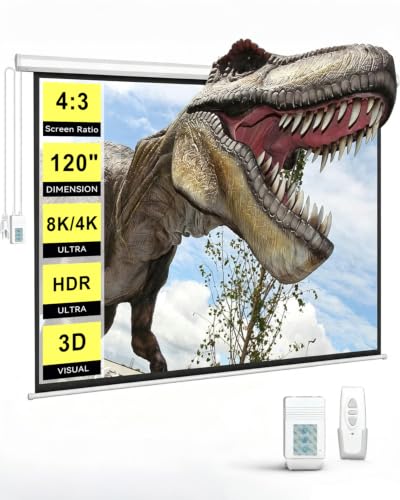
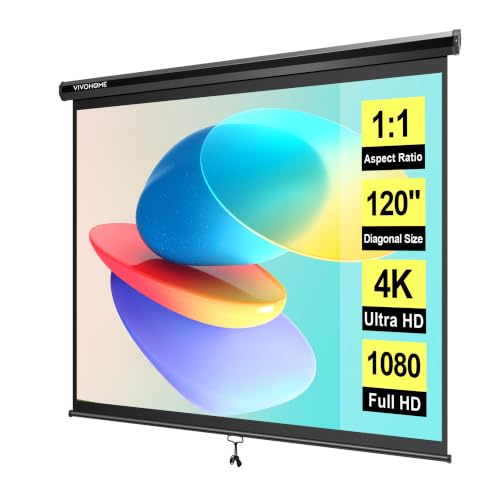
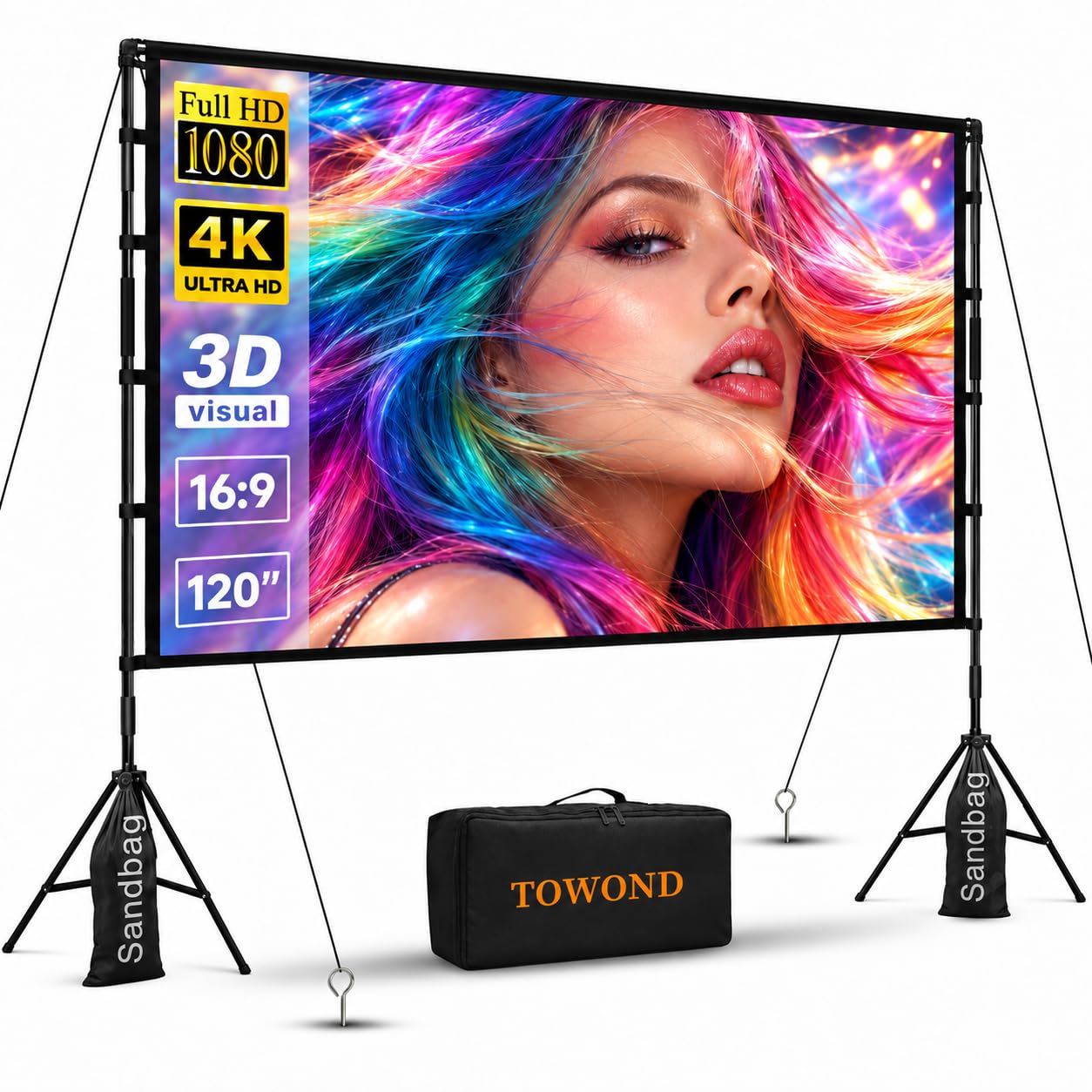

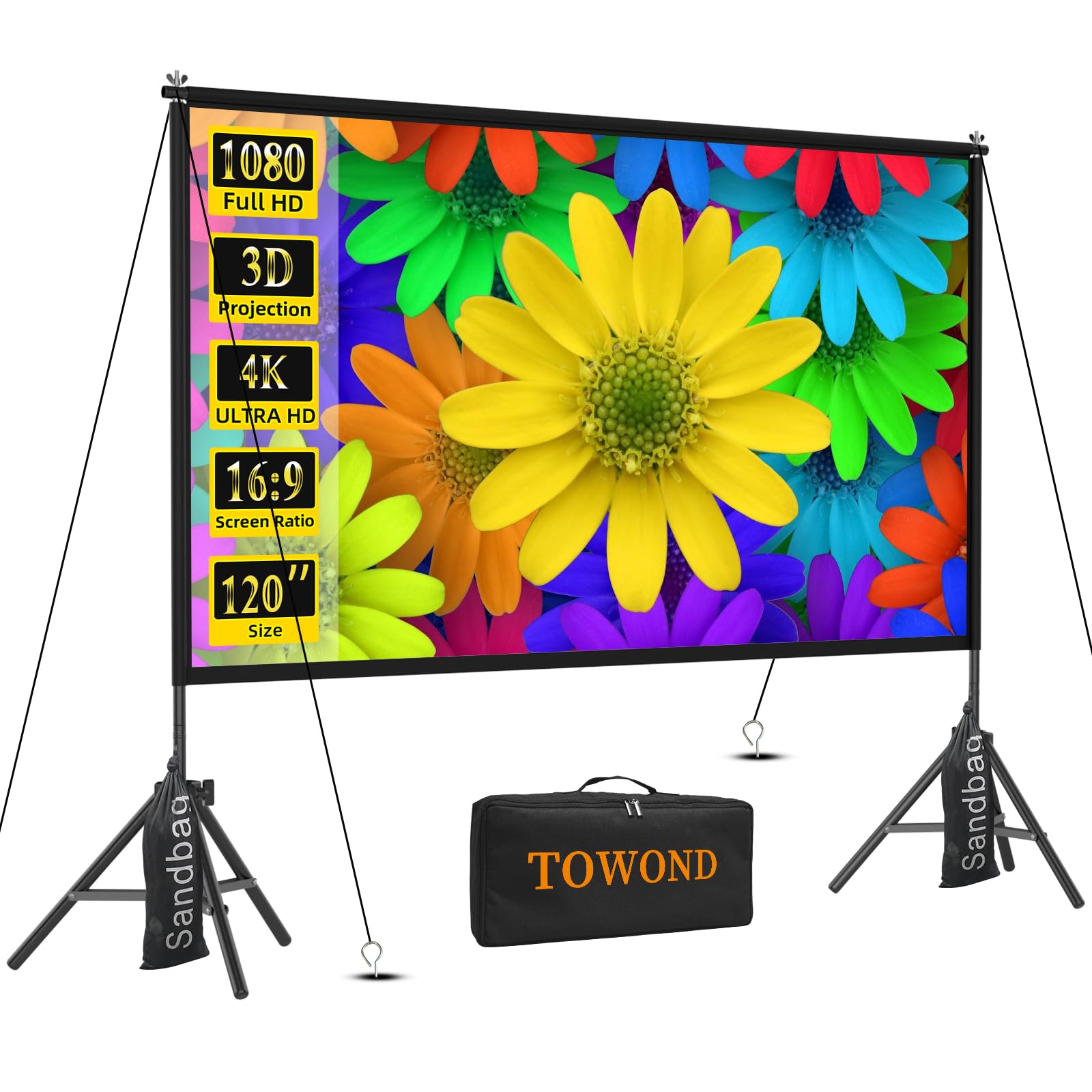
Quick Answer: The Three Formats in 30 Seconds
Most homes land on one of three formats. A fixed frame screen gives the flattest surface and the sharpest picture, but it owns one wall full time. A motorized or pull down screen rolls away when the room returns to daily life. A portable screen on a tripod or stand sets up anywhere and stores in a closet, trading some flatness for freedom.
Before You Buy: A Quick Checklist for Choosing a Projector Screen
Size: Match It to Your Space
A 120 inch screen is measured on the diagonal, and in the common 16:9 shape the viewing area is about 105 inches wide and 59 inches tall. The frame, casing, or stand adds several inches on every side, so measure the full footprint rather than the viewing area alone. Check that doors and speakers clear the edges, and that the ceiling leaves room below the image for a center speaker or a low console. If your wall falls a few inches short, stepping down a size beats squeezing a screen into a space it does not fit. Our broader guide to the best projector screen explains how the other sizes compare.
Which Type Fits Your Routine
Think about how the room lives between movie nights. A fixed frame suits a room where the screen can stay on display, and its constant tension keeps the surface flat for years. A motorized screen suits a shared room where the picture should vanish for daytime use, while a pull down version does the same job for less money. Portable and tripod screens suit renters and backyard nights, and a fast fold frame suits events where the screen travels often. Inflatable screens exist for outdoor gatherings, though they need a blower running and calm weather.
Screen Size for Your Room and Seating Distance
Seating distance decides whether 120 inches feels immersive or overwhelming. With a 4K projector, most viewers sit comfortably about 9 to 13 feet from a screen this size, close enough to see fine detail without turning their heads. With a 1080p projector, sitting a little farther back, about 12 to 16 feet, keeps individual pixels from showing. If your seats sit closer than about 8 feet, the image edges fall outside your natural field of view and long sessions can tire your eyes.
Screen Material and Gain
Material shapes the picture more than any other choice. Matte white fabric with a gain near 1.0 spreads light evenly across wide seating and keeps colors honest, which is why it remains the default for dark rooms. Gray fabric deepens black levels a little in rooms with some light spill. Ambient light rejecting material, often shortened to ALR, reflects projector light toward you while turning away light from windows and lamps, at a higher price. Gain above 1.0 brightens the center of the image but narrows the viewing angle, so guests at the sides see a dimmer picture.
Brightness for Bright Versus Dark Rooms
A screen cannot add light, it can only direct the light your projector makes. In a room you can darken fully, a matte white surface lets even a modest projector look rich and punchy. In a living room with windows you use during the day, pair a brighter projector with an ALR surface or accept a washed out picture at midday and save films for the evening. Curtains that block light often improve the picture more than a costly screen upgrade, so solve the room light first.
Projector Compatibility Checks
Before ordering, confirm three matches between screen and projector. First, the aspect ratio should match the content you watch most, and 16:9 covers nearly all streaming and sports. Second, your projector needs enough throw distance to fill 120 inches from where it sits, or a lens that can zoom to that size. Third, standard screens suit standard and long throw projectors, while ultra short throw models need a surface made for their steep angle. Sound and smart features live in the projector, not the screen.
Realistic Budget Ranges
Prices spread widely at this size. Basic tripod and fabric screens cost under $100 and serve occasional use. Pull down screens and entry level fixed frames run about $100 to $300. Tensioned motorized models and better fixed frames run about $300 to $800, and ALR surfaces often cost more than $800. A diy projector screen built from fabric and a wood frame can undercut the middle ranges if you enjoy building.
Three Formats Worth Your Money
Fixed Frame for a Dedicated Wall
A fixed frame stretches the fabric tight on a rigid frame, and that permanent tension is why this format shows the sharpest, flattest image of the three. There are no waves, no curled edges, and nothing to roll or unroll before a film. The trade off is that the screen is furniture: it stays on the wall and needs a wall you can commit. For a family room that doubles as the regular TV space, our guide to the best projector screen for home theater covers how fixed frames pair with seating and speakers.
Motorized and Pull Down for Shared Rooms
A retractable screen keeps the big picture and gives the room back afterward. Motorized models lower with a remote, and tensioned versions use cords or tabs to keep the fabric flat, which matters at 120 inches where plain hanging fabric can ripple. Pull down models skip the motor and cost less, though they rely on your steady hand to stay even. If this format fits your routine, compare the options in our guide to the best motorized projector screen. Remember the casing is longer than the viewing width, so measure the full case against your wall.
Portable for Renters and Flexible Spaces
A portable screen earns its place when the wall cannot change or the room changes purpose daily. Tripod models set up in minutes and fold into a closet, and floor standing versions pull up from a base case with no mounting at all. The surface is rarely as flat as a fixed frame, and a slight wave can show during slow camera pans, though most viewers never notice during sports. If you plan to move the screen between rooms or take it outside, start with our guide to the best portable projector screen.
Our Selection Process
We judge screens at this size on picture evenness, surface flatness, viewing angle, build quality, ease of mounting, and value for the price band. The factors come from maker specifications and patterns in verified buyer reports about waves, curled edges, and motor reliability.
Is a 120 Inch Projector Screen the Right Size for You?
For many homes this size is the sweet spot. A 100 inch screen feels like a large TV and can leave a big living room wall looking empty, while 135 and 150 inch screens demand more throw distance, more brightness, and a wider wall than most rooms offer. At 120 inches, a family of four or five can share one sofa row and still sit inside the viewing angle of a matte white surface.
Common Mistakes to Avoid
- Measuring only the diagonal. Buyers forget the frame and casing, then find the screen overlaps a door frame or a speaker.
- Sitting too close for the resolution. A 1080p image at 8 feet shows visible pixels, so the picture looks soft no matter how good the screen is.
- Choosing high gain for wide seating. Guests at the sides get a dim picture, because high gain throws light forward instead of spreading it.
- Ignoring throw distance. The projector cannot fill 120 inches from a shelf that sits too close, and keystone correction shrinks and softens the image.
- Buying an outdoor screen for a bright room. Outdoor fabric is built for dusk use, not for rejecting window light indoors.
Cost of Ownership and Care
A screen asks for little ongoing spending. There are no filters or lamps to replace, and a fixed or retractable screen draws power only when a motor runs. Budget instead for mounting hardware and a replacement remote on motorized models. Dust the surface with a dry microfiber cloth, wipe marks with a cloth dampened with water only, and never scrub, since scrubbing changes the texture and leaves a shiny spot that shows in every scene.
Your Questions, Answered
How long does a 120 inch projector screen last?
A quality screen surface often serves 10 years or more, because there is nothing in the fabric to wear out under normal use. What ends a screen life sooner is usually physical: a crease from folding a portable model the wrong way, a motor failing on a retractable model, or fabric slowly yellowing after years of direct sun. Keep the surface out of harsh sunlight and store portable models exactly as the maker directs.
How do you hang a 120 inch projector screen on a wall?
Start by marking the viewing center at seated eye level, then find the wall studs and anchor the brackets into them, because a framed screen this size is too heavy for drywall anchors alone in most cases. Lift with two people, level the frame before the final tightening, and check the corners for twist. Our step by step guide on how to hang a projector screen covers bracket spacing and leveling in detail.
What throw distance does a 120 inch projector screen need?
It depends on the throw ratio of your projector lens. Multiply the ratio by the image width, which is about 8.7 feet at this size. A ratio of 1.5 means the projector sits about 13 feet from the screen, while a ratio of 1.0 needs only about 9 feet. Zoom lenses give you a range rather than one fixed spot, so check the minimum and maximum distance in the manual and confirm your planned mount falls inside it.
Can you use a 120 inch projector screen with an ultra short throw projector?
Yes, but only with a surface made for that steep projection angle. Ultra short throw projectors sit inches from the wall and fire light upward at a sharp angle, so a standard matte screen sends much of that light to the ceiling. Screens built for these projectors have a fine ridged surface that catches the low angle light and sends it toward your seats. They also demand a very flat surface, since every small wave distorts the image at that angle, which is why fixed frames are the common pairing.
Can a 120 inch projector screen be used outdoors?
A portable 120 inch screen works well outside after sunset, when ambient light no longer competes with the projector. Wind is the real limit: a screen this size catches gusts like a sail, so anchor the stand or frame and skip breezy nights. Dew can settle on the fabric during long evenings, so let the surface dry fully before you fold and store it, or mildew spots can form in storage.
Final Thoughts
Match the format to your routine, the material to your room light, and the size to your seating, and the screen will serve your household for years. Fixed frames reward a dedicated wall, retractable models keep shared rooms flexible, and portable screens free renters from mounting anything. Look back at the product table above, weigh your wall space and budget once more, and you will land on the best 120 inch projector screen for the way your home actually watches.


