
Best 12 Inch Pizza Stone (2026): What to Look For
Disclosure: We may earn a commission when you buy through links on this page, at no extra cost to you. As an Amazon Associate I earn from qualifying purchases. Learn more

How to pick the best 12 inch pizza stone: the features that matter, who each style suits and what to avoid.
A Friday pizza night can turn stressful when a crust cooks unevenly, cheese slides in a cramped oven, and a large stone leaves no room for anything else. A compact stone solves that fit problem for many apartments, small kitchens, and two to four person households. Choosing the best 12 inch pizza stone is mostly about matching size, material, and care to your space and routine, and the comparison table below will help you sort the options quickly.
This guide focuses on daily use at home. You will see how a 12 inch round fits standard racks, what each material does for browning and cleanup, and which extras are worth paying for when storage is tight.

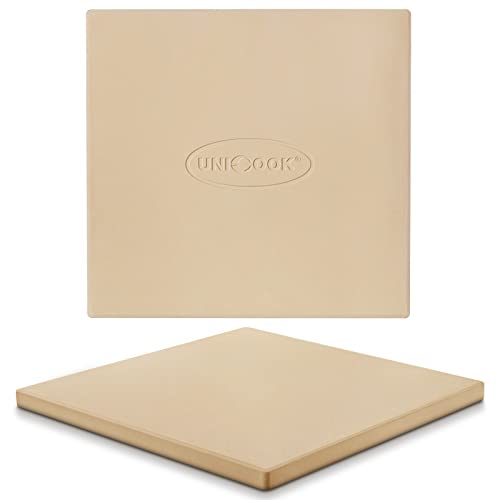


Quick Answer: Types to Consider at a Glance
If you want a simple starting point, cordierite suits most home ovens because it handles heat changes well and stores easily. Ceramic gives gentle, even browning for thin crusts and flatbreads, but it needs more careful handling. Steel and cast iron hold heat strongly for crisp bottoms, yet they weigh more. Start with the material that matches your routine, then confirm the fit and care below.
Before You Buy: A Quick Checklist for Choosing a Pizza Stone
Size: Match It to Your Space
A 12 inch stone makes pizzas up to about 11 inches once you leave a small border for safe launching and removal. Measure your oven rack from front to back and side to side, then leave at least one inch of open space around the stone for air flow. Round stones slide into narrow ovens and small grill lids more easily than rectangular ones. Larger 14 inch and 15 inch options serve bigger families, but they can crowd a compact oven and block heat circulation.
Which Type Fits Your Routine
Cordierite is the practical choice for weekly use because it tolerates moving from a hot oven to a cooler counter with less risk of cracking. Ceramic warms evenly and looks nice for serving, though it should heat and cool gradually. Cast iron and steel recover heat fast between pizzas, which helps when you bake several in a row for guests. If you cook outdoors often, our guide to the best grill pizza stone covers lid clearance and outdoor handling in more detail.
Features Worth It and Ones to Skip
A pizza peel is worth it because it lets you build the pizza away from the heat and slide it on and off with far less mess. Small handles or a wire rack can help if you plan to move the stone while it is warm or serve from it at the table. Skip glazed decorative finishes and bundled tools you already own, such as extra cutters or recipe cards. A plain, thick cooking surface and a peel that fits your oven will do more for results than a large accessory set.
Light Versus Dark Finish and Browning
Finish color changes how the bottom of your crust browns. Light surfaces reflect a bit more heat and tend to give paler, more even color, which suits delicate flatbreads and pizzas with sweet toppings that scorch easily. Dark surfaces absorb more heat and push deeper browning and crisper edges, which suits sturdy doughs and vegetable toppings with extra moisture. Neither is better for every home. Pick light for gentle baking and dark when crispness is your main goal and you watch the bake closely.
Oven Safe Temperature
Check the rated limit before you buy and compare it with how you actually cook. Most home pizza baking happens at 450 to 550 degrees Fahrenheit, and many stones are rated well above that range, while some ceramic pieces have lower limits. Also check whether the maker allows use under a broiler or on a grill, because direct flame is different from oven heat. A rating that covers your hottest planned use gives you a safety margin and protects the stone from stress it was not built to handle.
Nonstick Coating Versus Uncoated Surface
Most stones are uncoated and porous, and that is a strength rather than a flaw. The surface draws a little moisture from the dough, which helps the bottom set and crisp instead of steaming. Food release improves as the stone seasons with use and as you dust the peel with flour or cornmeal. Coated surfaces can release cheese more easily at first, but coatings may limit high heat use and can wear over time. For pizza at high heat, an uncoated surface is usually the simpler long term choice.
Realistic Budget Ranges
Expect basic cordierite and ceramic stones at about $20 to $40, with thicker pieces and bundled peels at about $40 to $70. Steel and cast iron options often run about $60 to $100 because the material costs more and shipping weight is higher. Paying more should buy thickness, stronger heat retention, or a shape that fits your grill, not decoration. If your budget is tight, spend on the stone itself first and add a peel later. Our broader guide to the best pizza stone shows how these price bands compare across sizes.
Types Compared for Daily Home Use
Cordierite stones are the workhorse for real homes. They are lighter than metal, store flat in a cabinet, and handle the routine of heating, baking, and cooling several times a week. Browning is steady rather than aggressive, so family pizzas with varied toppings cook predictably. For shoppers comparing a stone with a metal surface, the breakdown in pizza stone vs pizza steel explains heat speed, weight, and care in plain terms.
Ceramic stones suit bakers who also make flatbreads and reheated slices on the same surface. Heat spreads gently, which reduces hot spots under thin dough. The trade off is fragility, so ceramic belongs in homes where the stone can stay on a rack or in one cabinet spot instead of being stacked under heavy pans. It also rewards patience, since sudden temperature swings are its main enemy.
Steel and cast iron surfaces suit homes that bake back to back pizzas and want the fastest heat recovery between rounds. The bottom crust can turn deeply crisp, and the surface will not crack from a cold dough landing on it. The trade off is weight and upkeep, since cast iron needs drying and light oiling, and steel needs strong storage. If you often reach for a flat pan instead, pizza stone vs baking sheet shows why a sheet gives softer results.
Our Selection Process for Comparing Pizza Stones
We compare options by heat distribution, food release, resistance to warping or cracking, material safety, and how simple each type is to clean and store. We rely on maker specifications and patterns in verified buyer feedback about fit and breakage. For this size, we also weigh cabinet space, household size, and total cost of ownership, because a stone that fits your life will get used more often.
Is a 12 Inch Pizza Stone the Right Size for You?
A 12 inch stone is right for you if your oven is compact, your household is small, or you mostly bake personal pizzas and store bought dough rounds. It heats faster than a large stone, uses less energy during preheating, and leaves rack space for a side dish. Couples and small families can bake in quick rounds, and the smaller surface is easier to lift, clean around, and put away in an apartment kitchen.
It is less right if you regularly feed five or more people at once. In that case a 14 inch or 16 inch surface, or two stones on separate racks, will cut waiting time. Apartment renters should also confirm storage, since even a compact stone needs a flat, dry spot. If your oven is a standard width model, our guide to the best pizza stone for oven use will help you weigh larger sizes.
Common Buying Mistakes to Avoid
- Buying by pizza size alone and forgetting rack depth, so the stone blocks the oven door or leaves no room for air flow.
- Choosing a thin stone to save money, then getting pale bottoms because the surface loses heat as soon as cold dough lands on it.
- Paying for a large bundle of tools you already own, which raises the price without improving the crust at all.
- Ignoring the temperature rating and broiler rules, which can crack ceramic or damage a coating during a very hot bake.
- Planning to wash the stone with soap and soaking, which leads to lingering flavors and extra drying time later.
Cost of Ownership and Care
Ownership cost stays low with a stone. There are no filters, pads, or parts to replace, and the main added cost is a peel at about $15 to $30 plus flour or cornmeal for launching. Energy cost is modest because a 12 inch stone preheats faster than a large one, though you should still allow a full preheat for an even bake. Store the stone flat in the oven or a cabinet, keep it dry, and let it cool in place to avoid sudden temperature changes.
Daily care is simple. Scrape off baked on bits once the stone is cool, brush away crumbs, and leave dark spots alone, since staining is normal and does not affect flavor. Never soak a porous stone or use soap, because the surface can absorb both and release odors during the next bake. The step by step guide on how to clean a pizza stone covers burnt cheese and stubborn residue.
FAQ
What is the most reliable pizza stone material for home use?
Cordierite is the most forgiving material for most homes because it handles repeated heating and cooling with a lower risk of cracking than ceramic. It also needs no seasoning or special drying routine, unlike cast iron. Reliability still depends on thickness and on following the rated temperature limit, so choose a piece at least half an inch thick and avoid placing a cold stone into a fully heated oven.
How do you clean a pizza stone after cheese burns on it?
Let the stone cool fully, then lift burnt cheese with a metal bench scraper and brush the crumbs into the trash. For a stubborn patch, make a thin paste of baking soda and water, rub it gently with a stiff brush, and wipe with a damp cloth. Keep the stone out of the dishwasher and never submerge it, since trapped water can steam and crack the surface during the next preheat.
Is a pizza stone worth it for store bought dough?
Yes, a stone improves store bought dough because the hot surface sets the bottom quickly and reduces the soggy center that a cold pan can leave. It also helps frozen pizza and reheated slices, so the value goes beyond pizza night. If you bake at least twice a month, the low care needs and long service life make the cost easy to justify for a small kitchen.
How long does a pizza stone last with regular use?
A cordierite or steel surface can last many years with regular use, while ceramic life depends mostly on avoiding drops and sudden temperature swings. Darkening and small stains do not shorten service life, and a faint hairline mark that does not spread is usually cosmetic. Replace the stone if a crack runs fully across it, if it rocks on the rack, or if pieces flake into food, because those signs affect safety and even heating.
What size pizza stone do you need for reheating slices?
For reheating, a 12 inch stone is more than enough for two or three slices at once, and its smaller mass means a shorter preheat than a large stone needs. Place slices with a small gap between them so steam can escape and the bottoms stay crisp. A useful extra tip is to warm the slices on the stone, then finish with a brief moment in a hot skillet with a lid if you want the cheese fully melted without drying the crust.
Final Thoughts
For most small households, cordierite gives the best mix of fit, forgiving care, and steady browning, while ceramic suits gentle bakers and metal suits frequent baking. Match the material to your routine, confirm your rack space, and keep the care simple. When you are ready to choose the best 12 inch pizza stone for your kitchen, use the product table above to compare thickness, rating, and included tools side by side.


