
Best 12 Inch Cast Iron Skillets (2026): Size, Features and Buying Tips
Disclosure: We may earn a commission when you buy through links on this page, at no extra cost to you. As an Amazon Associate I earn from qualifying purchases. Learn more

What matters when choosing the best 12 inch cast iron skillet: size, features, budget and the mistakes to avoid.
Picture a weeknight dinner for four. Four chicken thighs need room to sear without crowding, and a smaller pan would force you into two batches while the first batch cools. That is exactly the problem a best 12 inch cast iron skillet solves. This guide helps you choose by the size of your household, the burners and storage you actually have, and the budget you want to spend, so the pan you buy earns its place on the stove every day.
Rather than ranking pans by cooking performance alone, we focus on fit. A skillet that matches your kitchen, your lifting strength, and your cleaning habits will get used for decades, while a poor match ends up buried in a cabinet. Scan the product table on this page for the main types, then read on for the details that decide which one belongs in your home.

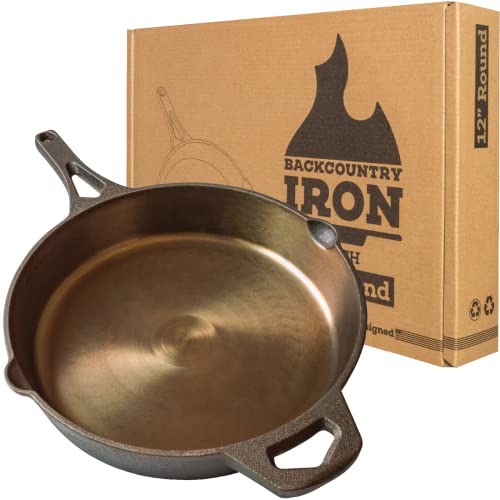

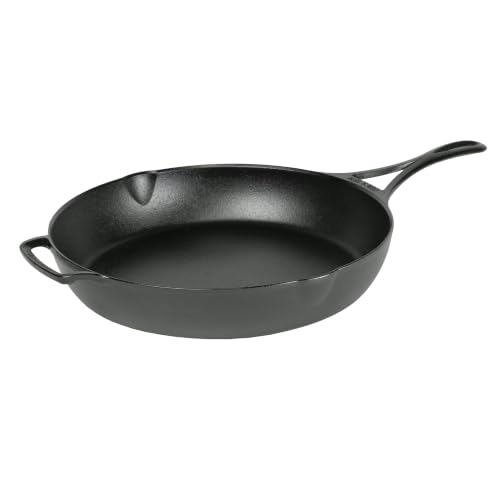

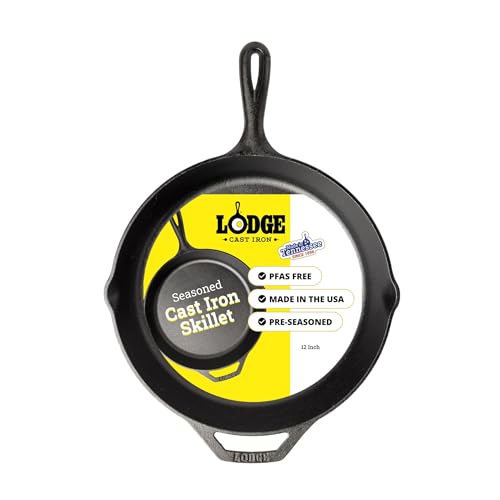


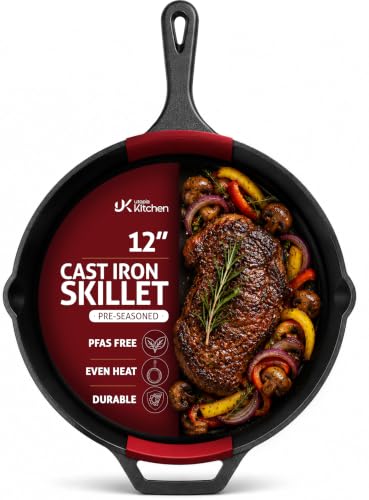

Quick Answer: The Three Types That Fit Most Homes
Most shoppers end up choosing between three broad types. A classic pre seasoned skillet is the workhorse option, affordable and ready to cook in right away. An enameled skillet trades some searing freedom for easy cleanup and no seasoning upkeep. A lightweight machined skillet keeps the cooking surface of traditional iron but cuts the weight, which matters if you lift the pan often. The product table above lines these types up side by side so you can spot the differences at a glance.
Before You Buy: A Quick Checklist for Choosing a Cast Iron Skillet
Size: Match It to Your Space and Your Burners
Cast iron skillets run from about 6 inches up to 15 inches, with common stops at 8, 10, 10.25, and 12 inches. The 12 inch size gives you roughly 9 to 10 inches of flat cooking surface, enough for four pork chops or a whole spatchcocked chicken. Before you commit, measure your largest burner, since a pan that overhangs a small electric coil heats unevenly at the edges. Also check your oven depth and your cabinet or drawer space, because a 12 inch skillet with its handle often measures close to 20 inches long overall.
Which Type Fits Your Routine
Start with the finish. A pre seasoned skillet arrives with layers of baked on oil, so you can cook eggs and cornbread from day one and build the coating further with use. Our guide to the best pre seasoned cast iron skillet explains how those factory coatings differ. Enameled skillets coat the iron in glass, which removes seasoning chores and handles tomato sauces well. Lightweight and machined skillets are milled smooth and thinner, so they heat a bit faster and are easier on your wrists. Deep skillets and double handle designs suit frying and oven roasts, while square grill pans leave ridges that look nice but limit flat searing space.
Features Worth It, and Ones to Skip
Pour spouts on both sides genuinely help when you drain bacon fat or pour off pan sauce, and they cost nothing extra on most designs. A helper handle opposite the main handle is worth having at this size, because a loaded 12 inch skillet can weigh 10 pounds or more. A fitted lid is worth buying if you plan braises or stovetop steaming, though a sheet pan works as a stand in. Silicone handle covers are cheap and useful, but they are an accessory you can add later. Skip novelty shapes and built in thermometers, since neither improves the cooking itself.
Is Cast Iron Non Toxic?
Plain cast iron contains no PFAS and no PTFE, the synthetic coatings that raise questions on many non stick pans. The cooking surface is simply iron plus polymerized cooking oil, and that seasoning layer is made in your own kitchen from fats you already eat. Enameled cast iron uses a glass coating that is also inert at normal cooking temperatures. If you are weighing materials more broadly, our comparison of cast iron vs stainless steel skillet walks through how the two metals differ in upkeep, weight, and heat retention.
Induction, Gas, and Glass Top Compatibility
Cast iron works on every stovetop type, including induction, because the metal itself is magnetic. On gas burners it takes direct flame without complaint. On glass top and ceramic ranges it is safe to use, but slide the pan rather than dropping it, and lift instead of dragging when you can, since the rough bottom can mark the surface over time. Match the pan base to the burner size as closely as your range allows, and let the skillet preheat gradually on medium rather than blasting it on high, which protects both the pan and a glass cooking surface.
Oven Safe Temperature and Handles
A bare cast iron skillet with an iron handle can go under the broiler and into the hottest home oven without damage, which is why it moves from stovetop searing to oven finishing so well. Enameled versions carry a limit set by their knob material, often around 500 degrees Fahrenheit, so check the maker guidance if you plan high heat roasting. Silicone handle covers must come off before the pan goes in the oven. If high heat steak finishing is your main goal, our guide to the best cast iron skillet for steak covers the searing details.
Realistic Budget Ranges
Under about $30 you get a sturdy traditional skillet with a somewhat rough cooking surface that smooths out with months of cooking. Between about $50 and $100, expect better finishing, tighter quality control, and sometimes a lid included. Around $100 to $200 buys enameled or finely machined pans with smooth surfaces and polished details. None of these tiers cooks dramatically better than the others once seasoned, so spend on the finish and weight you will enjoy handling daily rather than on the promise of better food.
How We Compare These Skillets
Our comparison rests on the factors that decide daily satisfaction at home. We look at how evenly each type spreads heat across the cooking surface, how the build quality holds up over years of use, and whether the materials are simple and well understood. We also weigh stovetop and oven compatibility, the real effort involved in cleaning, and the total weight you will lift when the pan is full. These judgments draw on maker specifications and patterns in verified buyer feedback rather than on price alone.
Is a 12 Inch Cast Iron Skillet the Right Size for You?
Choose the 12 inch size if you regularly cook for three to five people, fry in batches you would rather do at once, or bake skillet cornbread and pizzas with room for toppings. It sears four burgers or two large ribeyes without crowding, and crowding is what steams meat instead of browning it. Step down to a 10.25 inch skillet if you cook for one or two and storage is tight, since it stores more easily and weighs noticeably less. If you are still deciding between sizes and styles across the whole category, start with our overview of the best cast iron skillet options and narrow down from there.
One honest caution on weight. A traditional 12 inch skillet often weighs about 7 to 8 pounds empty, and more once food is added. If wrist strength or arthritis makes lifting a concern, a lightweight model or a double handle design you can grip with both hands is the smarter buy, even at a higher price.
Common Buying Mistakes to Avoid
- Buying the 12 inch size for a tiny burner, which leaves the outer cooking surface too cool to brown food properly.
- Ignoring the total length with the handle, then finding the skillet does not fit your oven or your storage drawer.
- Paying extra for accessories you will never use, such as chainmail scrubbers bundled in before you know whether you need one.
- Choosing the heaviest traditional pan when you know lifting is hard for you, which leads to the skillet sitting unused.
- Expecting a factory seasoning coat to behave like a mature one, then blaming the pan when eggs stick during the first weeks.
Cost of Ownership and Care
Cast iron is one of the cheapest pans to own over time. There is no coating to replace, no special detergent required, and the only consumable is a little cooking oil for seasoning touch ups. A bottle of flaxseed or plain vegetable oil used a few drops at a time lasts for years. The routine is simple: wash with hot water and a brush, dry on a warm burner, and wipe on a thin film of oil before storing. Our step by step guide on how to clean a cast iron skillet covers stuck on food and rust spots, and when the coating needs a refresh, see how to season a cast iron skillet for the full oven method. Store the pan dry, with a paper towel between stacked pieces to protect the surface.
Your Questions, Answered
How long does a 12 inch cast iron skillet last?
A cast iron skillet has no coating to wear out, so its lifespan is measured in decades rather than years. Pans handed down through families are common because the metal itself does not degrade with normal cooking. The realistic limits are cracks from dropping the pan onto hard floors or from heating it empty on maximum power, both of which are avoidable with basic care.
Is a cast iron skillet worth it if I already own a non stick pan?
Yes, for the jobs non stick pans handle poorly. Cast iron tolerates the high heat that gives steaks and burgers a proper crust, goes straight into the oven for frittatas and cornbread, and works with metal utensils without damage. Keep the non stick pan for delicate fish and eggs while they are still new to you, and let the skillet take over the searing and baking work.
Can I cook acidic foods like tomato sauce in cast iron?
Short simmering is fine in a well seasoned skillet, and a quick tomato pan sauce will not harm the coating. Long, slow braises of several hours in acidic liquid can thin the seasoning and pick up a faint metallic taste, so use an enameled skillet or a stainless pot for all day sauces and keep the plain iron for shorter cooking.
Why does food stick to my new cast iron skillet?
Sticking in the first weeks usually comes from two fixable causes. The pan was not fully preheated before the food went in, or the food was moved before it had formed a crust and released on its own. Preheat on medium for several minutes, add oil just before cooking, and give proteins a minute or two of undisturbed contact. The surface also improves steadily as your seasoning builds.
Does a heavier skillet always cook better than a lighter one?
Not always. Extra mass stores more heat, so temperature dips less when cold food lands in the pan, which helps with thick steaks. For everyday cooking like vegetables, quesadillas, and pancakes, a lighter skillet heats faster and is far easier to maneuver, and most cooks never notice a difference in the finished food. Match the weight to your strength and your most common meals.
Final Thoughts
The right choice comes down to your household, your burners, and your hands. Pick the classic pre seasoned type for the lowest cost and the toughest surface, enameled if easy cleanup matters most, and a lightweight design if you will lift the pan daily. Whichever route you take, the best 12 inch cast iron skillet is the one that fits your stove and your routine so well that it never leaves the cooktop. Check the product table above once more, match it against the checklist, and you will buy once and cook with it for decades.


