
Best 11 Cup Food Processor (2026): Buying Guide
Disclosure: We may earn a commission when you buy through links on this page, at no extra cost to you. As an Amazon Associate I earn from qualifying purchases. Learn more
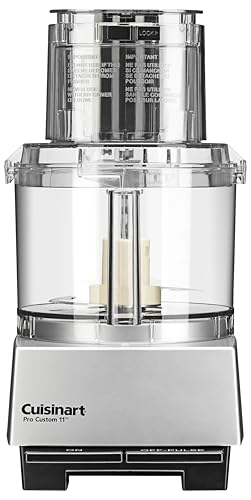
Which best 11 cup food processor fits your home? Size, features, price ranges and common mistakes, explained plainly.
A weeknight dinner for four can mean onions, carrots, cheese, and a bowl of slaw dressing all needing prep before anything hits the stove. An 11 cup bowl handles that load in one or two batches, yet the base still fits in a normal kitchen. If you are shopping for the best 11 cup food processor for your home, this guide helps you match bowl size to your counter, your household, and your budget. Use the comparison table below to check capacity, footprint, and included discs side by side.

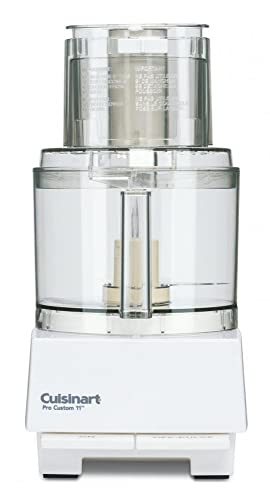
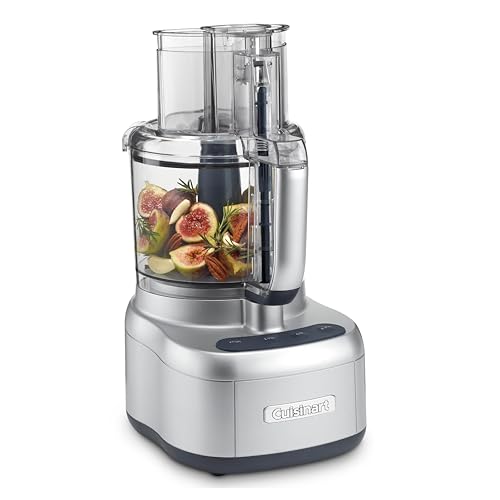
Quick Answer: Three Home Styles to Compare
Most shoppers land in one of three groups. A balanced everyday style suits families who chop, slice, and shred several times a week and want simple pulse controls. A simpler value style suits smaller budgets and lighter prep, with fewer discs and a lighter base. A stronger long term style suits frequent dough making and large batch prep, with a more powerful motor and parts you can replace one at a time.
All three share the same bowl size, so your decision rests on power, footprint, and attachments rather than capacity alone.
Before You Buy: A Quick Checklist for Choosing a Food Processor
Start with your space and your routine, then look at power and price.
Size: Match It to Your Space
Bowl sizes run from mini models at about 3 cups through 7, 8, 9, 11, 12, and 13 cup options. An 11 cup bowl suits households of three to five people and holds a full head of cabbage for slaw or a double batch of hummus. If you mostly grind herbs or make small dips, our guide to the best mini food processor covers smaller bowls. For one or two people, the best small food processor options take up less room.
Which Type Fits Your Routine
Compact models store easily and handle daily chopping well, while manual models need no outlet but demand more effort and suit only small amounts. Cordless models offer shorter run time, so they fit light tasks rather than dough. Commercial and professional styles bring stronger motors and larger feed tubes for heavy weekly prep. Read our overview of the best professional food processor category to see how much power that level adds.
Features Worth Paying For and Features You Can Skip
A slicing disc with adjustable thickness, a shredding disc, and a metal chopping blade cover the great majority of home prep, and a dough blade adds real value if you make pizza or bread dough often. A grater disc helps if you process hard cheese every week. By contrast, a dicing kit and a spiralizer earn their storage space only when you use them on a regular basis. Extra discs that stay in the box add cost and clutter, so match the kit to recipes you already make.
Wattage, Power and Energy Use
Home models in this size commonly draw about 300 to 700 watts, and the higher end handles dense loads like nuts, hard cheese, and stiff dough with less straining. Wattage alone does not tell the whole story, since gearing and blade shape affect how that power reaches the food. Energy use per session stays small because most jobs run for under two minutes. For frequent dough, favor stronger power over extra attachments.
Safety Features and Certifications
Look for a lid and bowl interlock that stops the motor unless every part sits locked in place, plus a feed tube pusher that keeps fingers away from the blade. Listings from UL or ETL show the electrical parts met an independent safety standard. Stable feet help the base stay put during heavy chopping. An overload shutoff protects the motor when a load stalls and signals you to split the batch.
Counter Space and Dimensions
Measure the clear height between your counter and upper cabinets before you buy, since many 11 cup bases stand about 15 to 17 inches tall with the lid and pusher in place. Check the footprint as well, because a wide base can crowd a narrow counter. If you store the unit in a cabinet, confirm the shelf height and plan where the discs will live.
Realistic Budget Ranges
Models under $50 in this size are uncommon and usually cut power and disc count, so treat that tier as light duty only. Spending about $50 to $100 gets simple controls and the core blade and disc set for everyday chopping. At about $100 to $150 you gain stronger motors and wider feed tubes, while about $150 to $200 adds quieter running and better disc storage. Near $200 to $300, expect stronger motors and longer warranties rather than a bigger bowl.
Choosing by Home Style: Three Approaches That Cover Most Needs
Use the three approaches below as buying profiles to judge any model in the product table above.
For Most Homes: Balanced Power and Simple Controls
Choose a mid range motor, a slicing disc, a shredding disc, and a chopping blade, with pulse and one or two speed settings you can run without reading a manual each time. This profile fits families who prep dinner most nights, shred cheese weekly, and make dough now and then. A wide feed tube saves time because carrots and potatoes need less trimming. Skip rare attachments and put the savings toward easy to order replacement blades.
For Tight Budgets: Core Tools Without the Extras
A value focused choice keeps the chopping blade and one combined slicing and shredding disc, and it accepts a lighter base and a smaller feed tube. It still handles onions, salsa, pie crust, and grated carrots well, which covers the tasks that save the most hand work. You will cut produce into smaller pieces before loading and work in smaller batches. That trade off suits singles, couples, and anyone trying out whether a processor fits their habits.
For a Long Term Investment: Strong Motor and Replaceable Parts
An upgrade focused choice puts money into the motor, a sturdy bowl, and construction where bowls, lids, and blades stay available as spare parts for years. This profile suits batch cooks, bakers who mix dough weekly, and anyone who shreds hard cheese in volume. Expect a heavier base that resists walking on the counter and controls that allow longer runs. Fewer novelty attachments is a fair trade, since durability matters more over a decade of use.
How to Evaluate an 11 Cup Food Processor
Judge each candidate on capacity in real batches, chopping and slicing performance, ease of use, cleaning effort, noise, safety design, and warranty length. Base your view on manufacturer specifications and patterns in verified buyer reviews, such as repeated notes about lid fit. Our overview of how to use a food processor shows the loading and pulsing steps that reveal whether controls will suit you.
Is an 11 Cup Food Processor the Right Size for You?
For many homes, yes. That balance is why the best 11 cup food processor for a family often beats both smaller and larger bowls. An 11 cup bowl typically holds about 6 to 8 cups of chopped vegetables comfortably, leaving head room so pieces move and cut evenly. It handles dough for one large loaf or two pizza bases, a full batch of pie crust, and enough shredded cheese for a family casserole.
A 7 cup bowl forces extra batches for those same jobs, while a 13 or 14 cup bowl adds height and storage bulk that small kitchens feel every day. Choose the 11 cup size if you cook for three to five people or prep produce in bulk each week. Drop a size if you live alone, and size up only if you regularly double recipes.
Common Mistakes to Avoid
- Buying for the largest meal of the year, which leaves you storing an oversized base for daily small jobs.
- Ignoring cabinet height, so the assembled unit fits neither under upper cabinets nor on a storage shelf.
- Paying for a dicing kit or spiralizer you will use twice, while choosing a weaker motor you will feel every week.
- Overfilling the bowl past its liquid line, which causes leaks and uneven chopping.
- Forgetting replacement costs, since a cracked bowl or lost pusher can be hard to source for some models.
- Skipping the manual feed tube limits, then forcing wide produce down and straining the lid lock.
Cost of Ownership and Care
Running costs stay low because sessions are short, so electricity adds only a small amount over a year of normal use. The real costs are replacement blades, discs, bowls, and pushers, which is why checking spare part prices before you buy protects your budget later. Store sharp blades inside the bowl or in a disc case, never loose in a drawer where edges dull and hands get cut. Wash the bowl and lid soon after prep so starch and cheese do not harden into seams.
For a full routine, including soaking the feed tube and drying parts before storage, follow our guide on how to clean a food processor. Dry the center shaft area well, since trapped moisture there can leave odors that transfer to the next batch.
Your Questions, Answered
What makes one food processor brand more reliable than another?
Reliability in this category shows up as steady part supply, clear warranty terms, and bowls and lids that stay available years after purchase. Brands that sell replacement blades and work bowls through many channels make a broken part a small cost instead of a full replacement. Review patterns matter too, since repeated reports of the same cracked bowl or failed lid lock point to a weak design. A longer motor warranty adds another useful signal.
How do you clean the narrow parts of a food processor?
Start by unplugging the unit and taking the bowl apart over the sink, keeping blades pointed away from your hands. A bottle brush fits inside the hollow pusher and around the feed tube corners where grated cheese packs in. Soak those parts in warm soapy water for about ten minutes to loosen residue before brushing. Rinse and stand every piece upright to drain, since water pooled in the pusher can drip into food later.
Is a food processor worth it if you already own a good knife?
Yes, when your cooking involves volume or repetition, such as shredding a block of cheese, slicing several onions, or mixing pie crust without warming the butter by hand. A knife still wins for a single tomato or a small handful of herbs. The value test is weekly minutes saved, and cooks who prep produce in bulk usually recover the counter space cost quickly. If you rarely cook from scratch, a smaller appliance may serve you better.
How long does an 11 cup food processor usually last?
With normal home use, a sound motor in this size often serves about seven to ten years, while bowls and blades may need replacement sooner. Life shortens when the machine runs long dough cycles several times a week or processes very hard loads without breaks. Letting the motor cool between back to back batches helps protect it. Keeping the receipt and warranty details makes a late claim far simpler if the motor fails early.
What size food processor do I need for making dough regularly?
An 11 cup bowl suits dough for one standard loaf or two pizza bases, using roughly 3 to 4 cups of flour per batch depending on hydration. Wetter doughs need extra head room because the ball moves and climbs as it kneads. If you bake double loaves every week, a larger bowl reduces batch splitting, but most home bakers find 11 cups enough. Add flour in stages and pulse first, so the motor starts the load gently.
Final Thoughts
Pick the bowl that fits your counter, the motor that fits your heaviest regular task, and only the discs you will reach for each month. For most families, the best 11 cup food processor is the balanced profile above, with core discs, a wide feed tube, and parts you can replace. Check the product table above against your cabinet height and budget, and see our guide to the best food processor range to compare other sizes.


