
Best 10x42 Binoculars for Hunting for 2026: A Price Tier Guide
Disclosure: We may earn a commission when you buy through links on this page, at no extra cost to you. As an Amazon Associate I earn from qualifying purchases. Learn more

Hunters comparing the best 10x42 binoculars for hunting get a price tier breakdown of glass, low light, field of view and fit.
A 10x42 pair gives strong magnification for open country and still gathers enough light for dawn and dusk, which is why it suits many hunting styles. When you compare best 10x42 binoculars for hunting, focus on glass quality, field of view, eye relief, waterproofing, and weight, because those factors decide what you can actually see and how long you can glass in comfort.
Price matters, but it does not tell the whole story. A well chosen middle spending pair can outperform a costly pair that is too heavy for your pack or too narrow for scanning timber edges. This guide compares spending levels, explains which features are worth paying for, and covers long term costs, so you can match a pair to your terrain and hunting style. The product table gives a side by side view of the options.


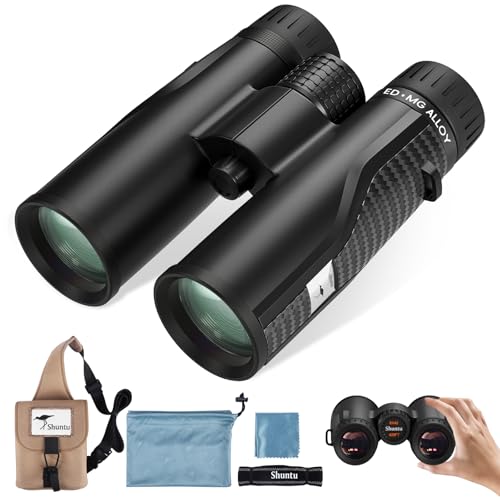

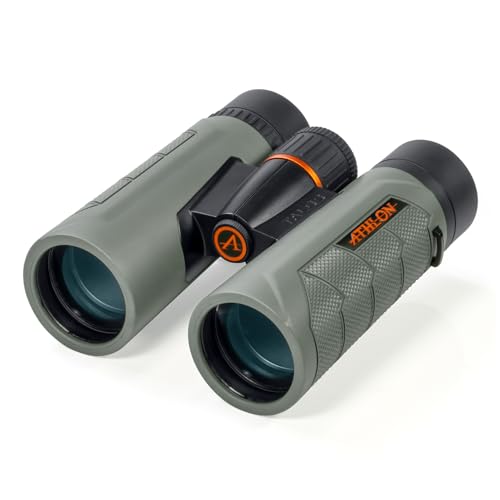
Best 10x42 Binoculars for Hunting at Each Price Tier
Spending levels below are broad, and prices vary by coating, prism type, and included accessories. Use them to compare what usually changes as spending rises, and check the product table above when you want a quick reminder of the trade offs.
Lower Spending: Solid Viewing for Shorter Glassing Sessions
Lower spending 10x42 binoculars often give a bright enough image in daylight and a usable field of view for open fields and field edges. Glass and coatings may be simpler, so edge sharpness and low light contrast can fall off sooner than in higher spending pairs. They suit hunters who glass in short bursts, hunt mostly in daylight, and want a pair they can carry without worry. Check eye relief if you wear glasses, and check waterproofing and fog resistance, because a budget pair that fogs in cold air can cost you a sighting.
Middle Spending: A Strong Balance for Most Hunters
Middle spending pairs often add better coatings, sharper edge to edge images, and more reliable waterproof and fog resistant seals. Field of view may widen, focus may feel smoother, and low light performance may improve enough to extend useful glassing at dawn and dusk. This level suits hunters who glass for longer periods, scan mixed terrain, and want a pair that holds up across seasons. Weight still matters, so compare the pair with its harness and case, not only the bare weight, before you decide.
Higher Spending: Extra Clarity for Demanding Light and Distance
Higher spending pairs often use higher grade glass and coatings that improve contrast, color fidelity, and low light detail. They may also offer a wider field of view, finer focus control, and a more durable chassis that handles rough use and cold weather better. The gain is clearest for hunters who glass for hours, judge animals at distance, or hunt in low light timber and open country. If you hunt mostly in bright light and short sessions, the same money may buy little practical gain over a good middle spending pair.
Features Worth Paying For and Ones to Skip
Some features earn their price in the field, while others add cost without helping you spot game. Judge each factor below against your terrain, light conditions, and how long you glass at a time.
Glass and Coating Quality
Glass and coatings decide how much light reaches your eyes and how clean the image looks at the edges. Fully multi coated optics usually give brighter and more contrast rich images than simpler coatings, especially in shade and low light. Higher grade glass can reduce color fringing on bright edges, such as antlers against sky, and can keep detail clearer at distance. You do not need to chase every coating claim, but a pair with good coatings and clean edge sharpness will usually serve you better than a pair that only advertises high magnification.
Features That Matter for Hunting
Hunting use demands a wide enough field of view to scan a hillside without constant panning, enough eye relief for glasses, and a focus wheel that works smoothly with gloves. Waterproof and fog resistant seals matter in rain, snow, and cold mornings, while a durable chassis helps when a pair bumps against a pack frame or a tree stand. A harness can spread weight and keep the pair ready, which matters on long walks. See our guide to best binoculars harness for hunting if carrying comfort is a priority for you.
Skip features that add bulk without helping you spot game, such as oversized cases or mounts you will not use in the field.
Low Light Performance
Low light performance depends on glass quality, coatings, and exit pupil size, not on magnification alone. A 10x42 pair has an exit pupil of about 4.2 mm, which suits many adult eyes in dim light, but coating quality still decides how much usable detail you keep at dawn and dusk. Twilight factor and relative brightness figures can guide comparison, yet they do not replace a real look through the pair in shade. If you hunt mainly at first and last light, spend more on coatings and glass rather than on extra accessories, and check the pair in dim conditions when you can.
Ease of Use for Your Skill Level
Ease of use matters most when you need to glass quickly and steadily. A smooth central focus wheel, a clear diopter adjustment, and twist up eye cups that lock in place help you get a sharp image without fuss. New hunters may prefer a wider field of view and a forgiving eye box, because a narrow view makes it harder to find and follow a moving animal. More experienced hunters may value finer focus control for judging detail at distance.
Practice holding the pair steady, brace your elbows when you can, and never look at the sun through binoculars.
Long Term Costs to Factor In
Long term costs for hunting binoculars are usually modest, but they still deserve a place in your budget. A good harness, a protective case, lens covers, and a cleaning kit can add to the first price, and replacement eye cups or straps may be needed after heavy use. Check warranty terms for seals and optical alignment, and check whether the maker offers repair service, because a dropped pair can lose alignment even if the glass looks fine. Store binoculars dry, keep lens caps on in dusty conditions, and clean lenses only with a soft cloth and proper lens fluid to avoid scratches.
Follow local hunting and wildlife rules, and keep a safe distance from animals when you glass.
Frequently Asked Questions
What features matter most in 10x42 binoculars for hunting?
Glass quality, coatings, field of view, eye relief, and waterproof sealing matter most, because they decide image clarity and comfort in the field. A wide field helps you scan hillsides and timber edges, while good eye relief helps if you wear glasses. Weight and balance matter on long walks, and a smooth focus wheel helps you follow moving game. Compare these factors together, rather than judging a pair by magnification alone, and choose the pair that fits your terrain and glassing style.
Is a smartphone enough instead of hunting binoculars?
A smartphone is not a good substitute for hunting binoculars, because its digital zoom loses detail and its screen is hard to read in bright light. Binoculars give a brighter, steadier, and wider view, and they let you scan for long periods without draining a phone battery. A phone can still help with maps, photos, and notes after you spot game, but it cannot match the low light performance and depth perception of a dedicated optical pair. For serious glassing, carry binoculars and keep the phone for other tasks.
What specs matter most for beginners choosing hunting binoculars?
Beginners should focus on field of view, eye relief, weight, and waterproof sealing before chasing the highest grade glass. A forgiving eye box makes it easier to find game quickly, while a lighter pair is easier to carry and hold steady. Check that the focus wheel turns smoothly and that twist up eye cups suit your glasses or bare eyes. A middle spending pair often gives the best learning experience, because it shows clear detail without the cost and weight of a top tier pair.
Which binoculars are better for low light hunting?
For low light hunting, choose a pair with high quality glass, fully multi coated optics, and reliable sealing, rather than simply higher magnification. Larger objective lenses gather more light, but coating quality decides how much of that light reaches your eyes as usable detail. A 10x42 pair can perform well at dawn and dusk if its coatings are good, while a poorly coated pair may look dim even with a large objective.
See our guide to best rated binoculars for hunting for a broader comparison across sizes.
How much should I spend on my first hunting binoculars?
For a first pair, about $150 to $350 often buys a solid middle spending 10x42 pair with good coatings, waterproof sealing, and a usable field of view. Lower spending pairs can work for daylight use, while higher spending pairs make sense once you know how long you glass and in what light. Spend first on glass and sealing, then on a harness and case, because comfort and protection affect every outing. If you can, handle a few pairs before buying, and check eye relief and focus feel with your own hands.
What does 8x42 or 10x42 mean?
The first number is magnification and the second is objective lens diameter in millimeters, so 8x42 means eight times magnification with a 42 mm lens. Higher magnification brings distant detail closer, but it also narrows the field of view and makes hand shake more visible. An 8x42 pair is often easier for beginners and for dense timber, while a 10x42 pair suits open country and longer distance judging.
See our guide to best binoculars 10x42 if you want to compare 10x42 options, and see our guide to best inexpensive binoculars for hunting if budget is your main limit.
Wrapping Up
Choose a 10x42 pair by terrain, light, and glassing time, not by price alone. Middle spending pairs often give the best balance for most hunters, while higher spending pairs earn their cost in low light and long distance work. Check glass quality, field of view, eye relief, sealing, and weight, and use the product table above to compare spending levels side by side. When those factors line up with your hunting style, you will have found the best 10x42 binoculars for hunting for your own pack and budget.
See our guide to best binoculars for deer hunting for a closer look at deer hunting use.


