Best 10x10 Pergola (2026): Buying Guide
Disclosure: We may earn a commission when you buy through links on this page, at no extra cost to you. As an Amazon Associate I earn from qualifying purchases. Learn more

Which best 10x10 pergola fits your home? Size, features, price ranges and common mistakes, explained plainly.
A 10x10 pergola looks like a simple purchase until you start comparing posts, roof styles, and anchoring hardware. Two kits with the same footprint can differ a lot in shade, strength, and how much upkeep they ask of you. The best 10x10 pergola for your yard is the one that fits your surface, your weather, and the way you actually spend time outside.
This guide compares pergola types by build materials and weather resistance, size and capacity, and assembly effort, so you can narrow the field before you spend anything. Use the comparison table below to scan the main options, then work through the criteria that matter most for your space. If you want the wider picture first, our guide to the best pergola covers other sizes and layouts.


10x10 Pergola Types at a Glance
Most 10x10 kits fall into three broad groups, and each group suits a different kind of yard and a different tolerance for upkeep.
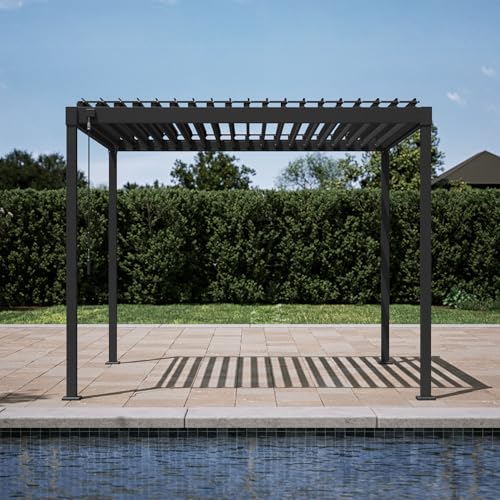
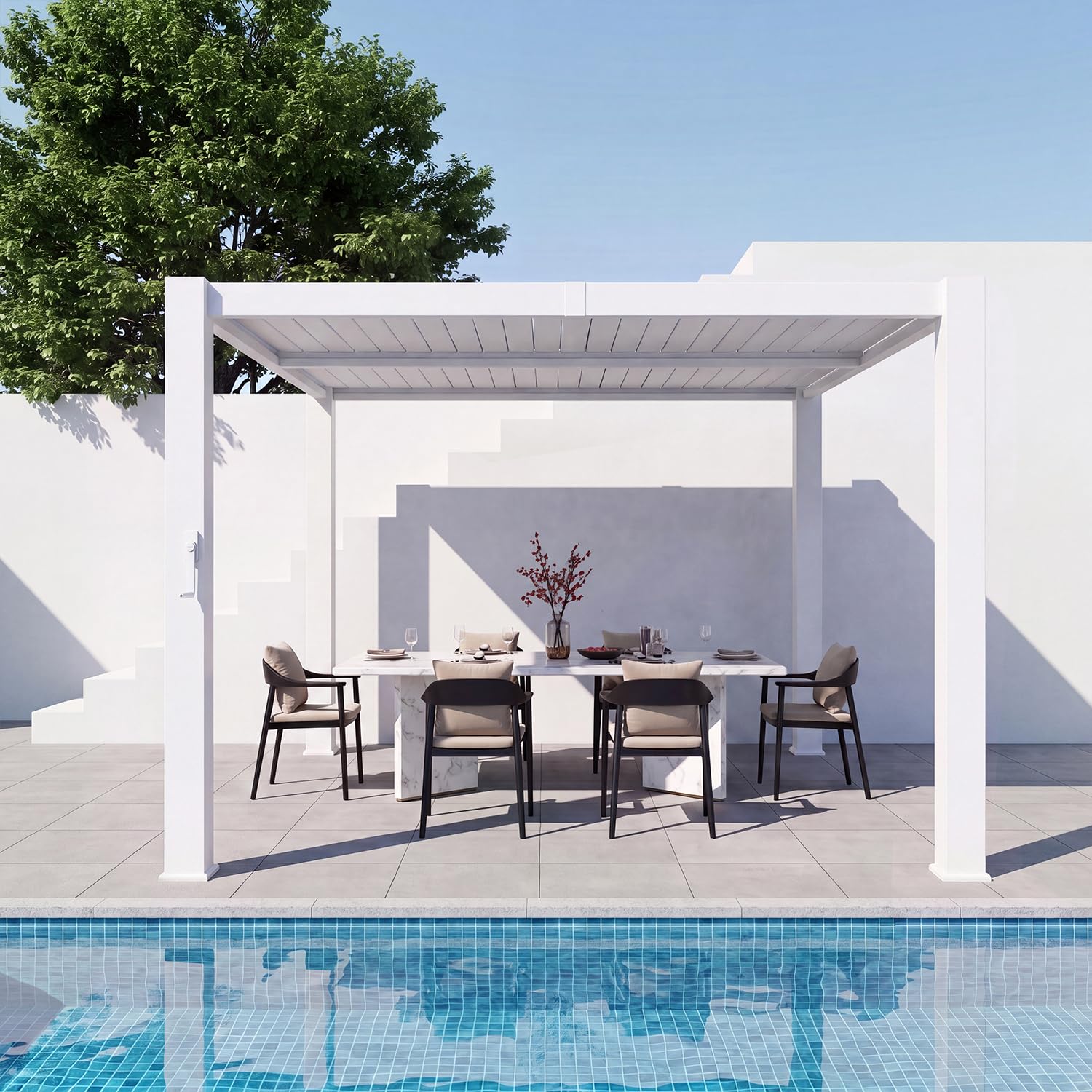
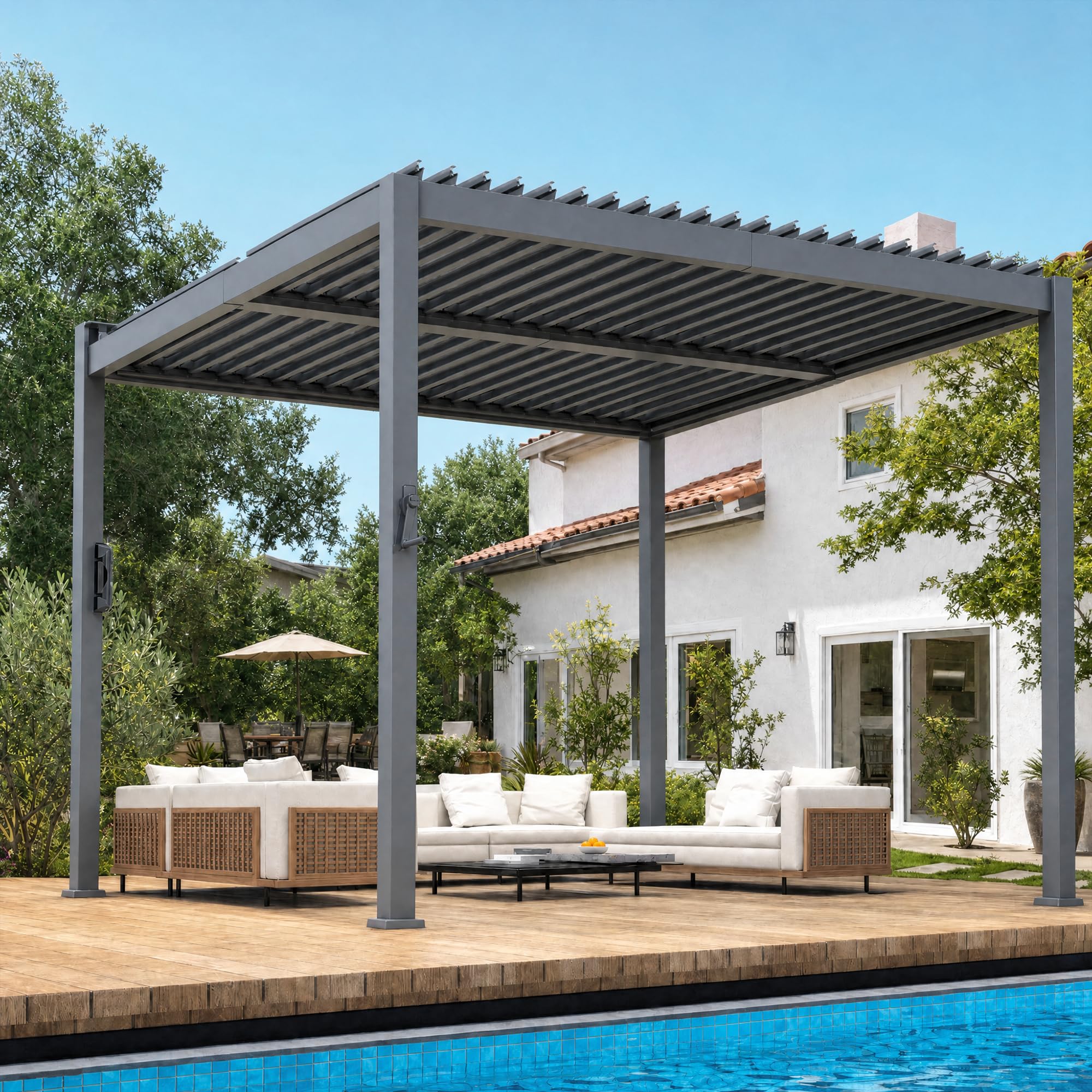
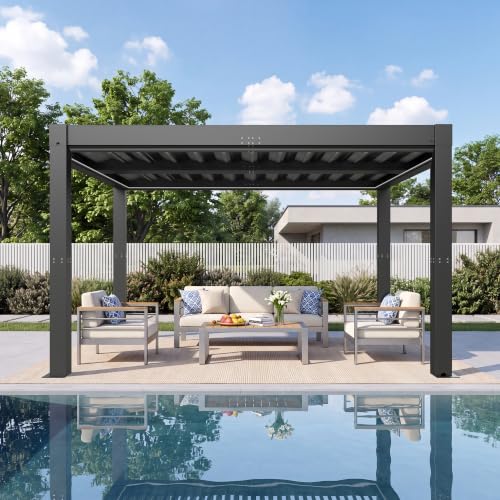
- Aluminum frame kits give you a clean look, modest weight, and very little routine care beyond washing and checking fasteners.
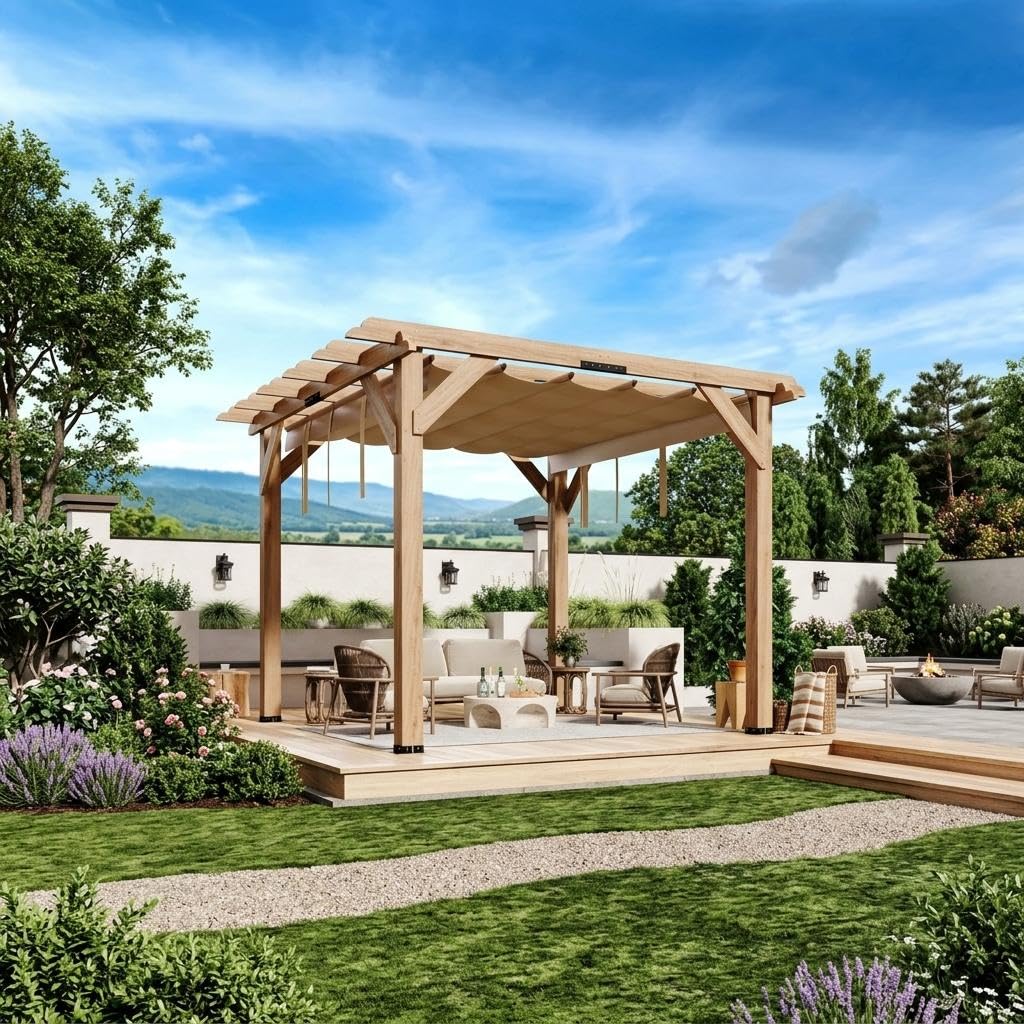
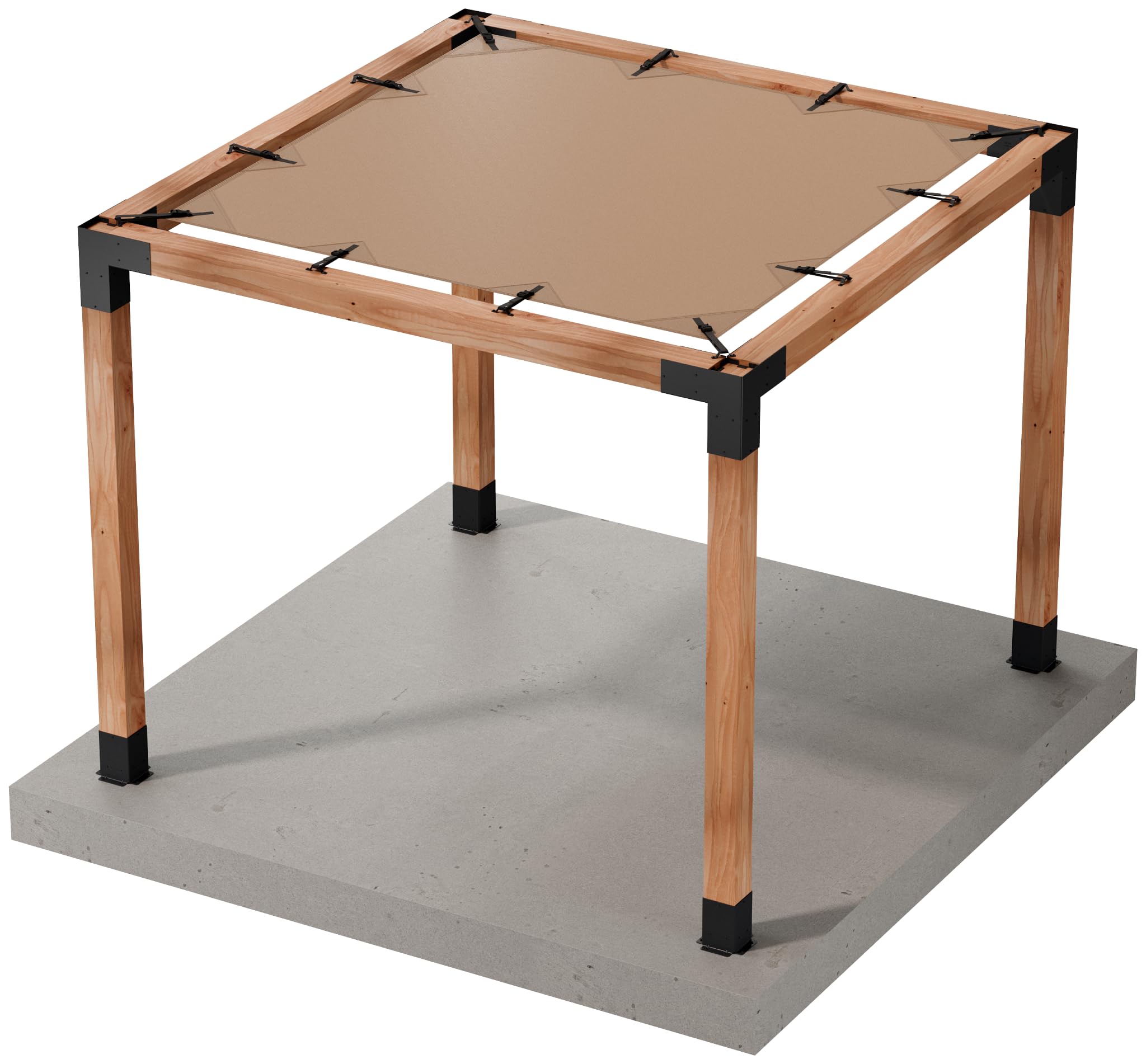
- Wood kits bring a warmer, more traditional look and thick posts, but they ask for sealing and closer attention over time.
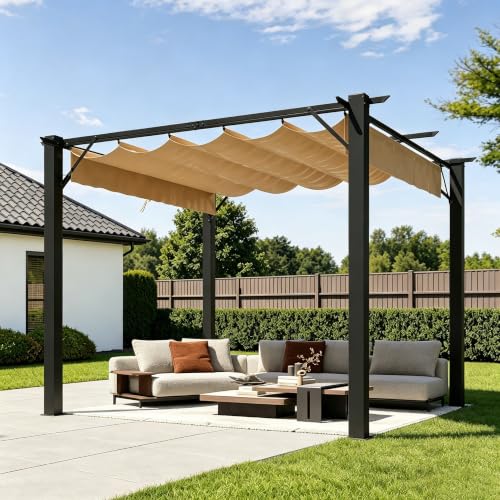
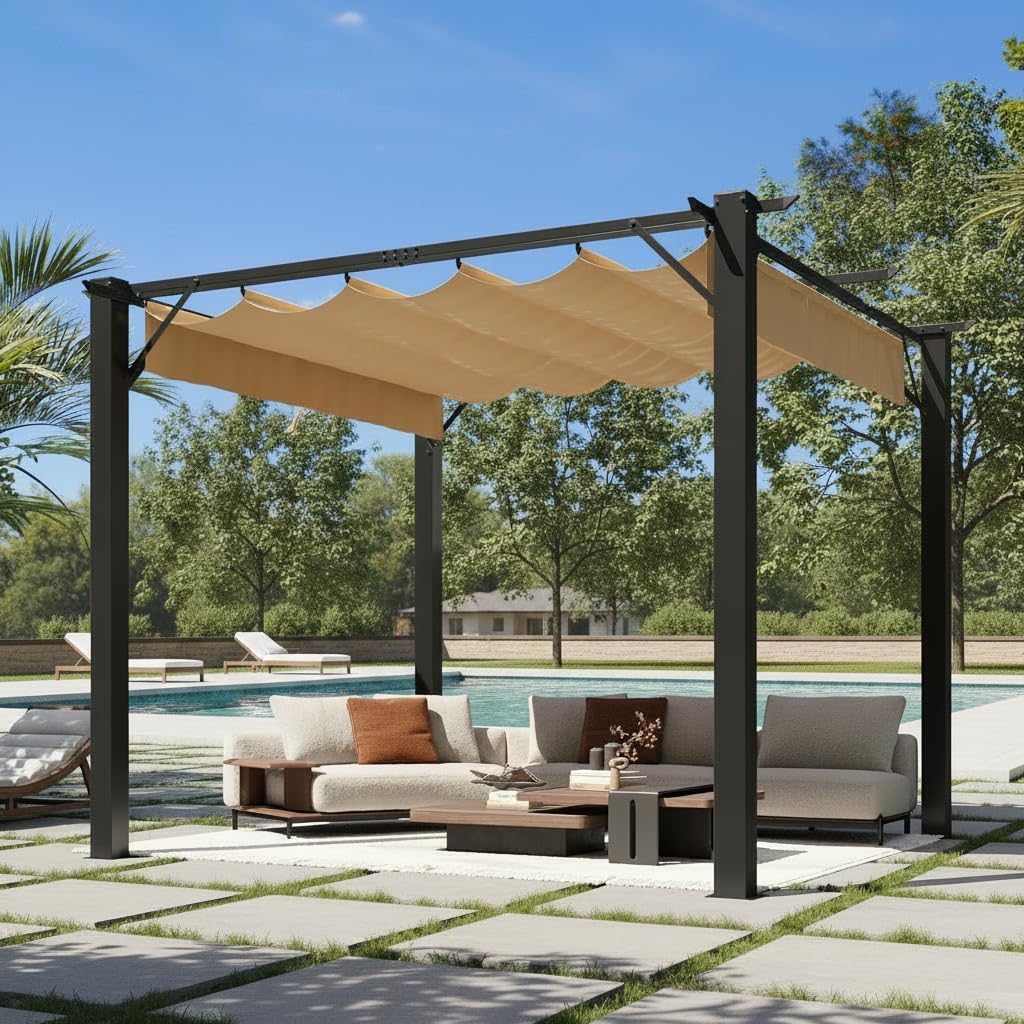
- Adjustable roof kits use louvers or a sliding canopy so you can change the shade through the day instead of accepting one fixed pattern.
None of these groups wins on every point, so judge each one against your yard rather than a generic ranking.
Pergola Types Compared
Aluminum Frame Pergolas
An aluminum frame keeps the structure light enough for two people to move posts into place without strain, yet stiff enough to feel solid once anchored. The finish shrugs off rain and does not need sealing, which suits busy owners and humid climates. If this sounds like your situation, compare the options in our guide to the best aluminum pergola before you decide. The trade off is appearance. Metal posts look modern, and they may sit oddly beside a rustic garden or an older timber deck.
Wood Pergolas
Wood remains the choice for readers who want thick posts, visible grain, and a structure that can be trimmed or stained to match an existing deck. Cedar and treated pine are the common options, and both can be cut on site if your patio is not perfectly square. Our guide to the best wood pergola explains the main wood options in more depth. Plan on real upkeep, though. You will need to clean and seal the wood on a regular cycle, and you should inspect post bases where moisture tends to linger after rain.
Louvered and Canopy Roof Pergolas
An adjustable roof changes how you use the space under it. Louvers tilt to block direct sun at midday and open again when you want more light, while a sliding fabric canopy pulls back fully on mild evenings. This flexibility helps over a dining table or a hot tub, where shade needs shift through the day. The moving parts add cost and a little care, since tracks and pivots should stay clear of leaves and grit. Fabric canopies also come down for storage when storm season arrives, which solid roofs do not require.
How to Compare 10x10 Pergolas
Compare every kit against the same five criteria so price does not hide weak points. Look at build materials and weather resistance first, then size and capacity, then assembly demands, expected durability, and warranty terms. Manufacturer specifications tell you post dimensions, roof operation, and what anchoring hardware is included. Buyer feedback is most useful for assembly reports and how finishes hold up after a full season outside.
How to Choose the Right Pergola
Size and form factor
The 10x10 label usually describes the outer roof footprint, not the open space between the posts. Inside clearance is often closer to 8 to 9 feet in each direction once post thickness is counted, and that gap decides whether a table and chairs truly fit. Freestanding kits can sit anywhere with a level base, while attached kits lean on a house wall and use fewer posts. Measure the space between posts, not just the roof edge, before you commit to a layout for seating or a fire pit.
Type
Roof operation is the main type decision once you pick a frame material. Fixed slats give steady partial shade and the fewest moving parts. A retractable canopy gives fuller shade when closed and open sky when pulled back, but the fabric wears faster than metal. Louvered roofs offer the finest control, and powered versions add a motor and remote. If you lean toward automation, our guide to the best motorized pergola covers what that upgrade involves. Manual louvers cost less and still adjust well, so weigh how often you will really change the angle.
Features worth paying for
Spend first on features that change daily comfort. A canopy with real sun protection matters more than decorative trim, and side curtains add privacy plus shelter from low sun and light wind. Built in channels that route rain water down the posts keep drips off your seating, which you will notice every wet week. Lighting is pleasant but easy to add later with string lights, so treat it as a bonus rather than a reason to buy. Skip elaborate extras if they push you toward a thinner frame or weaker hardware to stay on budget.
Weather resistant materials
Your climate should shape the frame and roof you choose. Aluminum handles rain and coastal air well because it does not rot and resists rust, while galvanized steel adds strength for windy sites at the cost of more weight. Wood needs a sound finish to keep moisture out of the grain. Check any stated wind or snow guidance from the maker, and treat those figures as limits rather than targets. In areas with heavy snow, a roof you can open or clear is safer than a flat surface that collects a deep load.
Size for your space
Start with the surface you already have. A 10x10 pergola suits a standard patio slab or a deck section, but you still need walking room around the posts and clearance for doors that swing outward. Leave space between the roof edge and fences, gutters, and low branches. Think about sun direction too. A pergola placed for afternoon shade over seating may need to sit a few feet away from the spot you first pictured, since shade falls at an angle for much of the day rather than straight down.
Assembly and anchoring
Most kits arrive as posts, beams, and roof parts with pre drilled holes, and two adults can usually build one over a weekend with ladders and basic tools. Read the manual before delivery day so you know which steps need a second pair of hands. Anchoring is not optional. Bolt the posts to concrete or deck footings so wind cannot lift or shift the frame, and use the hardware rated for your surface. Our step by step guide on how to assemble a pergola walks through the full process in order.
Care and off season storage
Routine care is light for metal frames. Wash surfaces with mild soap and water, clear leaves from roof channels, and check bolts after the first month and then each spring. Wood frames need their finish renewed when water stops beading on the surface. Fabric canopies and curtains should come down, dry fully, and store indoors before freezing weather, since trapped moisture leads to mildew.
How much should you spend?
Kits under $500 are usually light fabric canopy models with slim posts, fine for a calm rented yard but not a long term structure. Spending about $500 to $1000 brings sturdier aluminum frames and better hardware. At about $1000 to $2000 you will see thicker posts, louvered roofs, and longer warranties. Budgets over $2000 suit powered roofs and the strongest frames. Match the tier to how long you plan to stay in the home. Paying for durability you will never use helps no one, and neither does replacing a flimsy kit twice.
Is a 10x10 Pergola the Right Size for You?
A 10x10 pergola covers 100 square feet, which comfortably holds a dining set for four to six people, a pair of lounge chairs with a small table, or a hot tub with room to step around it. It feels generous over a seating area without swallowing a small yard. If you host larger groups or want both dining and lounging zones, a 10x12 or 12x12 footprint will serve you better. Readers weighing shade for a single seating spot sometimes ask about pergola vs awning, since an awning mounts to the wall and takes no floor space at all.
The honest test is how you will use the shade. A couple who eats outside most evenings will love this size, and so will a gardener who wants a defined sitting corner. If your furniture is oversized or your patio also holds a grill station and storage box, sketch the layout at full scale first.
FAQs
What is the best 10x10 pergola for a sunny backyard?
For a yard in full sun, the strongest choice is a pergola whose roof gives real shade control, such as tilting louvers or a canopy with a dense weave. Pay attention to where the sun sits during the hours you are outside, since late afternoon light slips under any roof edge. A pergola that pairs adjustable shade with curtains on the west facing side handles that low sun better than a taller roof alone.
What size pergola do I need for my patio furniture?
Measure your furniture as a group, including chairs pushed back from the table, then add about 2 feet of walking space on the sides you pass through most. A simple trick is to mark the post positions on your patio with tape and live with the outline for a day. You will spot pinch points at doors and steps that a tape measure alone will not reveal, and you can shift the footprint before any holes are drilled.
How long does a 10x10 pergola last?
An aluminum pergola often lasts about 15 to 25 years with basic washing and bolt checks, while a wood pergola can reach a similar span if its finish is renewed on schedule. Fabric canopies are the shortest lived part and commonly need replacing after about 3 to 5 seasons of sun exposure. Lifespan drops fast when post bases sit in standing water, so good drainage under each post is one of the best investments you can make.
Is a 10x10 pergola worth the money?
It is worth the money if it turns a too sunny patio into a room you use several times a week for meals, work, or quiet time. Count the months your climate lets you sit outside, and weigh the cost against building a larger fixed roof, which costs far more. It is harder to justify if your yard already has deep tree shade or if you rarely eat and relax outdoors at home.
How do you clean a 10x10 pergola?
Start by brushing loose dirt and leaves off the roof and frame, then wash surfaces with a soft brush, mild soap, and a garden hose. Rinse well so soap does not dry into streaks, and let fabric parts air dry fully before closing or storing them. Avoid pressure washing wood and coated metal at close range, since a hard jet can strip finishes and force water into joints that would otherwise stay dry.
What makes a pergola brand reliable?
Reliability shows up in clear manuals, complete hardware in the box, and spare parts you can still order years later, such as canopy fabric and louver links. A warranty that covers the frame finish as well as the structure tells you more than a long headline number alone. Brands that publish post dimensions, anchoring requirements, and wind guidance in plain view are easier to trust than brands that hide basic specifications behind a sales page.
Final Thoughts
Choose the frame material your climate and upkeep habits support, confirm the inside post spacing fits your furniture, and anchor the finished structure properly. The product table above pulls the main options together so you can compare roof style, materials, and price tier side by side. When those basics line up, the best 10x10 pergola stops being a guess and becomes a structure your household will use for years.