Best 10x10 Gazebo (2026): What to Look For
Disclosure: We may earn a commission when you buy through links on this page, at no extra cost to you. As an Amazon Associate I earn from qualifying purchases. Learn more

How to pick the best 10x10 gazebo: the features that matter, who each style suits and what to avoid.
A 10x10 footprint sounds simple until you start comparing roof types, frame materials, and anchoring needs. Choosing the best 10x10 gazebo means matching that square shape to how you will actually use the space, from quiet morning coffee to a table for six. The comparison table below sums up the main types side by side so you can narrow your focus before reading the details.
This guide walks through what separates a hardtop from a soft top and a pop up, how much room you really get inside 100 square feet, and what to check before you order. You will also find notes on measuring, assembly, care, and budget so the structure you pick fits your yard, your weather, and your routine.

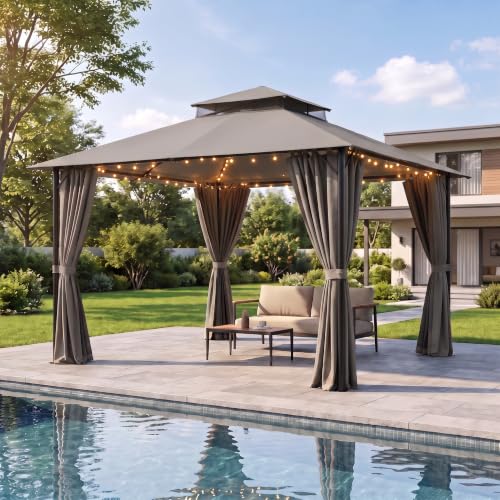

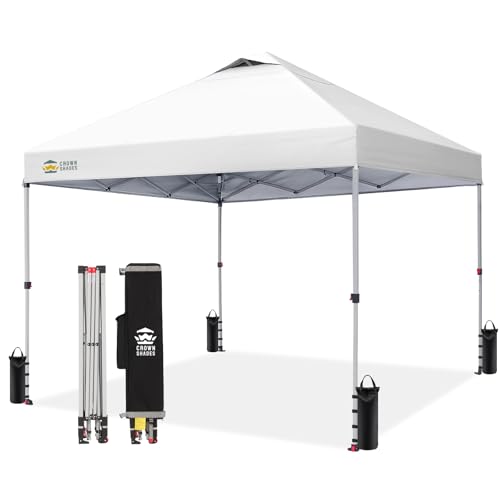
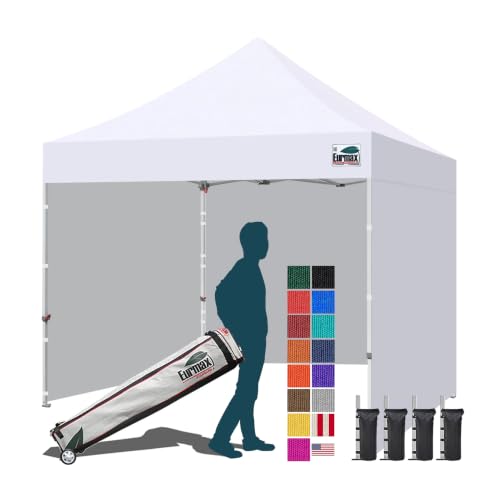
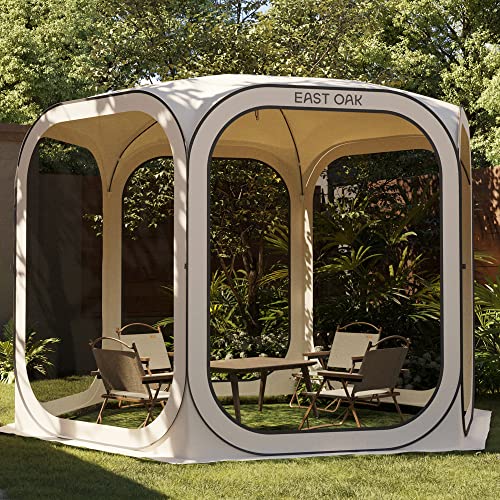

Types of 10x10 Gazebos Compared
Instead of ranking named models, it helps to compare the three broad types sold in this size. Each type uses different roof and frame materials, suits a different length of season, and asks for a different level of setup effort. Start with the type that matches your plans, then compare features within that group.
Hardtop Gazebos for Lasting Shelter
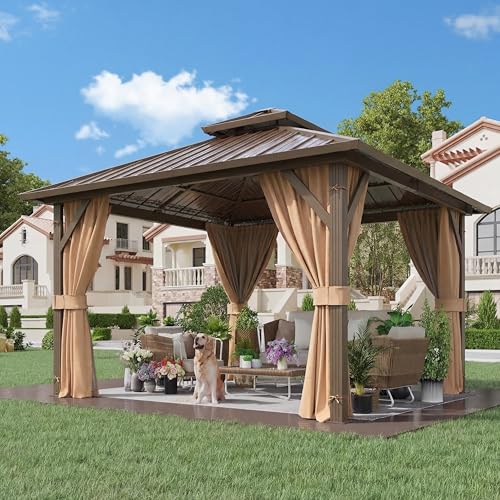
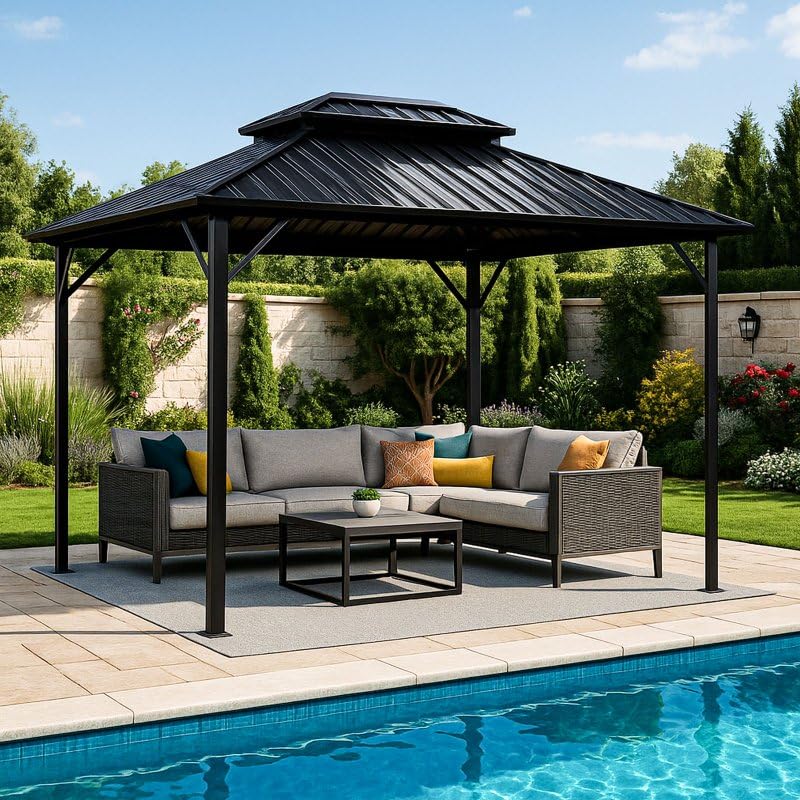
Hardtop models use metal or polycarbonate roof panels on a sturdy frame, usually aluminum or steel. The rigid roof sheds rain well, handles snow load better than fabric when rated for it, and stays in place through the year once anchored. You gain durability and a more permanent feel, but you also get a higher price, heavier boxes, and a longer build. This type suits a main seating area you want ready without repeated setup and takedown each season.
Soft Top Gazebos for Seasonal Shade
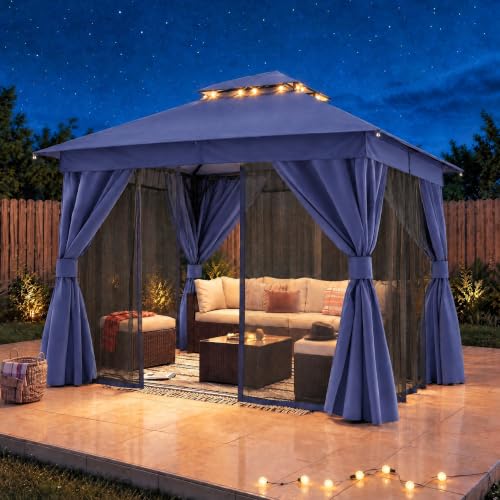
Soft top models pair a metal frame with a fabric canopy, often polyester with a water resistant coating. They cost less than hardtop designs, look lighter in the yard, and let you remove the canopy for storage during harsh weather. The trade off is a shorter canopy life and lower tolerance for wind and snow. This type works well if you want shade and rain cover for spring through fall and you are willing to replace the fabric after a few seasons of sun exposure.
Pop Up Gazebos for Flexible Use
Pop up models use a folding frame that opens in minutes with no tools in most cases. The canopy attaches quickly, legs adjust to a few heights, and the whole kit packs into a carry bag for a picnic, market stall, or weekend gathering. Stability and weather cover are more limited, so you must stake or weight the legs and take the shelter down in strong wind. This type is best when portability matters more than permanent placement.
How to Evaluate 10x10 Gazebos
Look first at build materials and weather resistance, then at size and capacity, assembly, durability, and warranty. Manufacturer specifications give panel thickness, frame finish, and stated wind or snow ratings, and patterns in verified buyer reviews can show where seams leak or parts bend. Compare those facts across types rather than trusting a single headline claim. A clear warranty on the frame and a replaceable canopy or roof part also tell you how the maker expects the product to age.
Keep notes as you compare so each model is judged on the same points. Write down roof material, frame material, peak height, entry height, and the anchor method the maker requires. That short list makes differences obvious and stops a low price from hiding a missing netting set or a frame that needs a separate anchor kit.
How to Choose the Right Gazebo
Size and Form Factor
The 10x10 size gives 100 square feet of covered ground in a square layout that fits many patios and lawn corners. Square shapes center a table or seating group well and leave even walkways on all sides. Larger footprints such as 10 by 12 feet or 12 by 12 feet add elbow room but need more clear ground and often cost more to anchor and furnish. Choose the square size when balance and a compact footprint matter more than extra length for a long table.
Type and Roof Style
Roof style controls light, airflow, and how water leaves the structure. A two tier roof lets hot air escape at the top and can reduce lift in a breeze, while a single tier roof is simpler and often lighter. Gable and sloped designs shed water to the sides, so plan where runoff will land. If you are weighing roof families, our overview of hardtop vs soft top gazebo options explains the core trade offs in plain terms.
Features Worth Paying For
Netting keeps flying insects out of the seating area and is worth paying for if you eat outside in the evening. Curtains add privacy and block low sun and wind, but they need tie backs and regular cleaning to stay fresh. A screen wall, a hook at the peak for a light or fan, and vents in the roof also add real comfort. Skip extras you will not use, such as decorative trim that adds cost without shade or shelter.
Weather Resistant Materials
Aluminum frames resist rust and stay lighter to move, while steel frames can feel stiffer but need a sound powder coated finish to slow corrosion. For roofs, polycarbonate panels let light through and flex under impact, and metal panels block light fully and can be louder in rain. Fabric canopies should state UV protection and water resistance, and seams should be sealed or stitched in a way that limits drips. In coastal or humid areas, rinse salt and pollen from parts as the maker directs.
Size for Your Space
Measure the exact patch you plan to cover and leave at least 2 feet of clear space around the posts for walking and for curtain swing. Check peak height against tree branches, eaves, and any string lights you plan to hang. On a patio, confirm the posts will sit fully on the slab rather than half on soil, a point covered further in our guide to the best gazebo for patio layouts. For lawn placement, pick level ground that drains away from the posts.
Assembly and Anchoring
Most hardtop and soft top kits need two or three adults, a ladder, and several hours, while pop up kits need far less time. Sort parts, check the bolt list before you start, and tighten in the order the manual states so the frame stays square. Anchoring is not optional, since wind can lift even a heavy frame. The steps in how to assemble a gazebo show why ground anchors, deck bolts, or weight bags must match your surface.
Care and Off Season Storage
Wipe frames with mild soap and water, rinse well, and let parts dry fully before closing curtains or netting for long periods. Brush leaves and standing water off the roof so weight and staining do not build up. Fabric tops last longer when you remove them before snow or long wet spells and store them clean and dry indoors. Keep spare bolts and the manual in one bag so spring setup starts without a search for small parts.
How Much Should You Spend?
Expect basic pop up and light soft top options at about $100 to $300, with sturdier soft top kits at about $300 to $700. Hardtop kits in this size often fall at about $700 to $1,500, and heavier frames with thicker panels can go over $1,500. Higher spending should buy a stronger frame, a longer lasting roof, and better parts support, not just extra trim. Set your budget by type first, then compare features inside that range.
Is a 10x10 Gazebo the Right Size for You?
For most small to medium yards, this size seats four to six people around a table or fits a loveseat, two chairs, and a side table with room to walk. It covers a grill station only if you keep heat and smoke away from the roof and follow the maker clearances, since many canopies are not made for cooking underneath. If you host eight or more guests often, a larger footprint will feel less crowded and give more shade at the edges.
Placement shapes the answer as much as head count. A backyard lawn offers flexible placement and easier staking, as shown in our guide to the best gazebo for backyard setups. A deck needs bolt down anchoring and careful checks on railing clearance and board strength. If you want an open feel with less enclosure, reading about gazebo vs pergola designs can help you decide whether a roofed and screened space is truly what you want.
Think also about sun angle through the day. A 10x10 roof shades the center well at midday, but morning and evening sun slip under the edges. Curtains on one or two sides, or placement near a fence or tree line, can extend useful shade without moving to a bigger size. Trying the spot with chairs at the time you plan to sit outside gives a realistic picture.
FAQ
How many chairs and a table fit inside a 10x10 gazebo?
A round or square table of about 48 inches across with four chairs fits comfortably and leaves walking room inside the posts. Six chairs can fit if the table is smaller and you accept tighter gaps at the corners. Leave one side more open for entry so guests do not brush netting or curtains each time they sit down. Furniture with a smaller footprint, such as armless chairs, helps the space feel open.
Can a 10x10 gazebo stay up through winter in a snowy area?
Only hardtop models rated for snow load and anchored as directed should stay assembled, and even then you should clear heavy snow promptly with a soft tool from the ground. Soft top and pop up canopies should come down before snow, since fabric and light frames can tear or bend under weight. Check the stated load rating for your exact kit rather than assuming all hardtop roofs perform the same in winter weather.
Do I need a permit for a 10x10 gazebo?
Many areas treat a small freestanding gazebo as a temporary structure, but rules vary by city, county, and homeowners association. Setback distance from property lines, total height, and whether the structure is bolted to a slab can change the answer. Call your local building office or check its website before you anchor a permanent hardtop model. Keeping the manual and size sheet on hand makes that short check faster.
How do I stop a 10x10 gazebo from blowing over?
Use every anchor point the maker provides, not just stakes on two legs. On soil, use long ground stakes or screw anchors suited to your soil type, and on hard surfaces use bolts or heavy weight bags made for gazebo legs. Close or remove curtains in high wind because fabric panels catch gusts like a sail. Taking a pop up model down before a storm is the safest step of all.
Can I put a 10x10 gazebo on uneven ground?
You can place a frame on a slight slope only if you level the base first with a compacted pad, pavers under each post, or a simple platform. A frame forced to sit on uneven points can rack, making doors, netting, and roof panels fit poorly and putting stress on bolts. Measure the height difference across the site before ordering. If the slope is steep, build a level pad or choose a flatter spot.
Final Thoughts
Start with the type that matches your season and setup effort, then confirm the fit, materials, and anchor plan for your exact site. The product table above brings those points together so you can compare options without losing track of roof style, frame build, and included features. When you choose the best 10x10 gazebo for your space, you get shade that feels planned rather than patched together. For a broader view of sizes and styles, see our guide to the best gazebo options for other footprints.