
Best 10 Year Smoke Detectors in 2026: What Actually Matters Before You Buy
Disclosure: We may earn a commission when you buy through links on this page, at no extra cost to you. As an Amazon Associate I earn from qualifying purchases. Learn more

Pick the best 10 year smoke detectors by sensor type, power source, interconnection, UL listing and CO sensing, with placement tips.
A sealed battery that lasts the life of the alarm sounds simple, and it is, once the alarm itself fits your home. Sensor type, carbon monoxide sensing, interconnection and placement decide whether a unit protects you well or only sits quietly on the ceiling. The best 10 year smoke detectors match those factors to your rooms and your appliances. Use this checklist as you scan the product table.
Start by counting the places an alarm must go: every level, inside each bedroom and just outside sleeping areas. Then decide which spots also need carbon monoxide detection, which need interconnection and which need a voice alert that names the room.
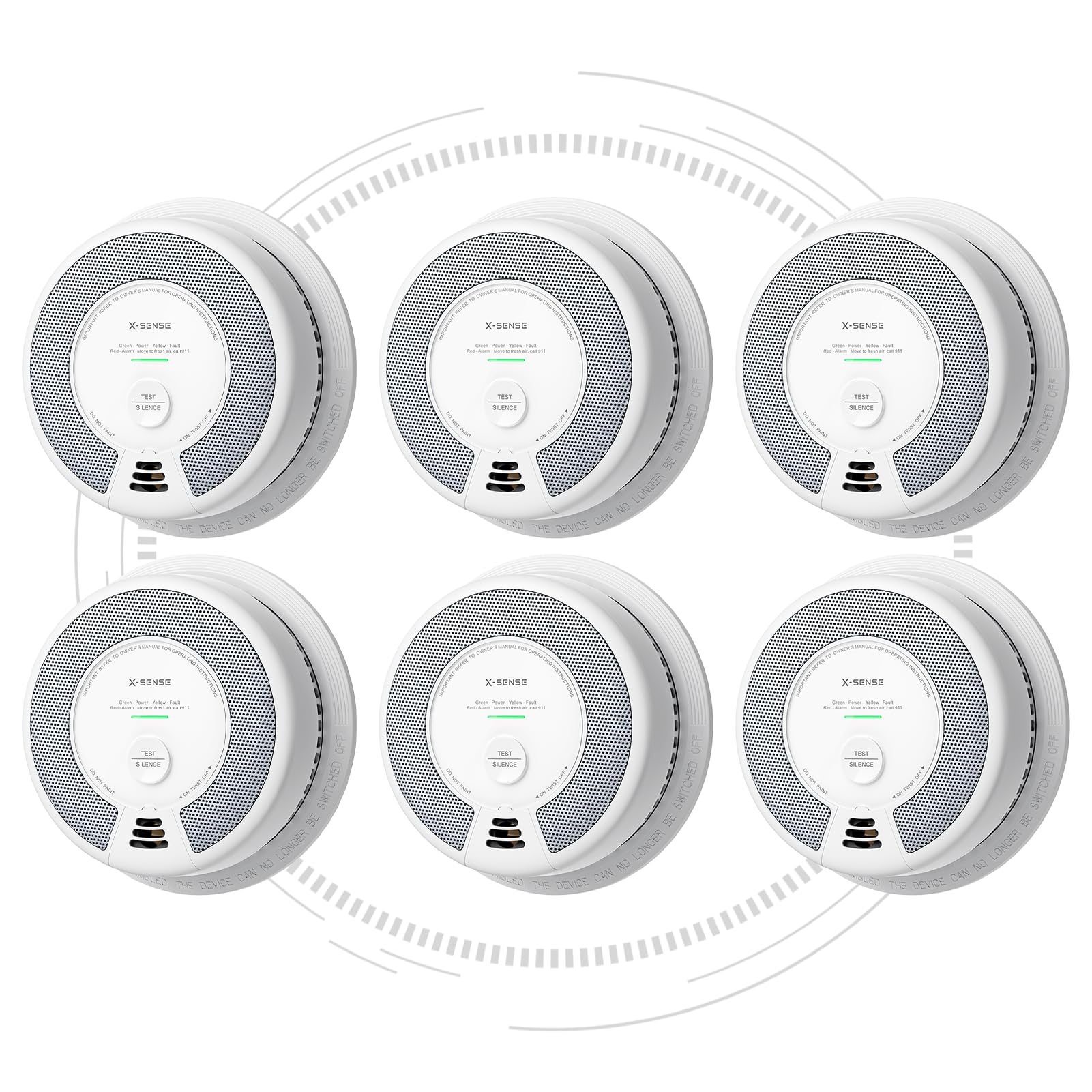

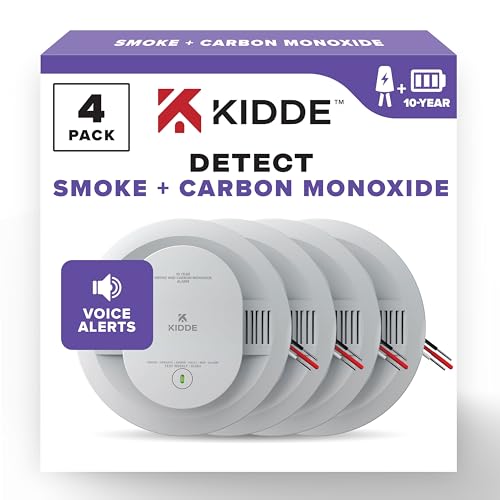
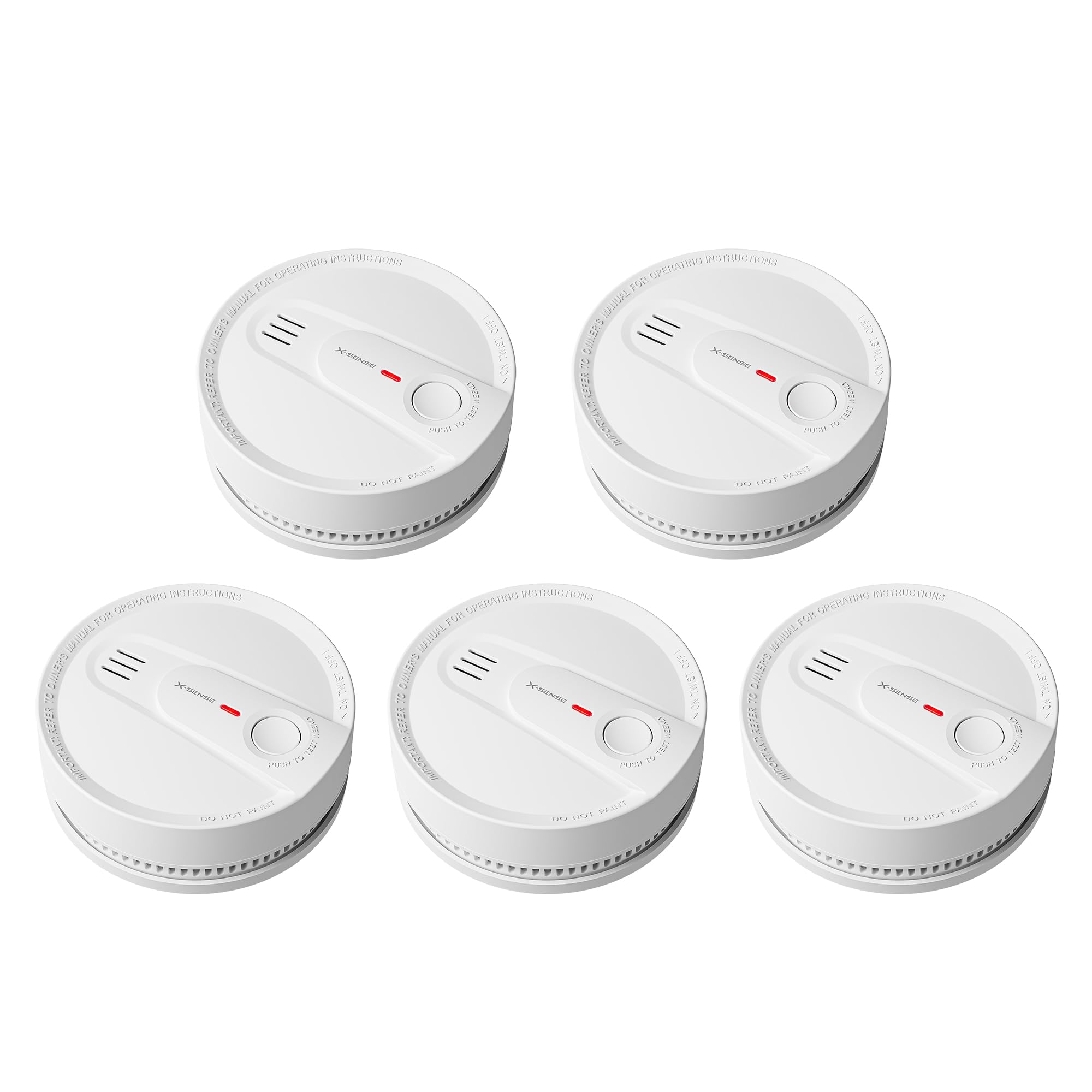
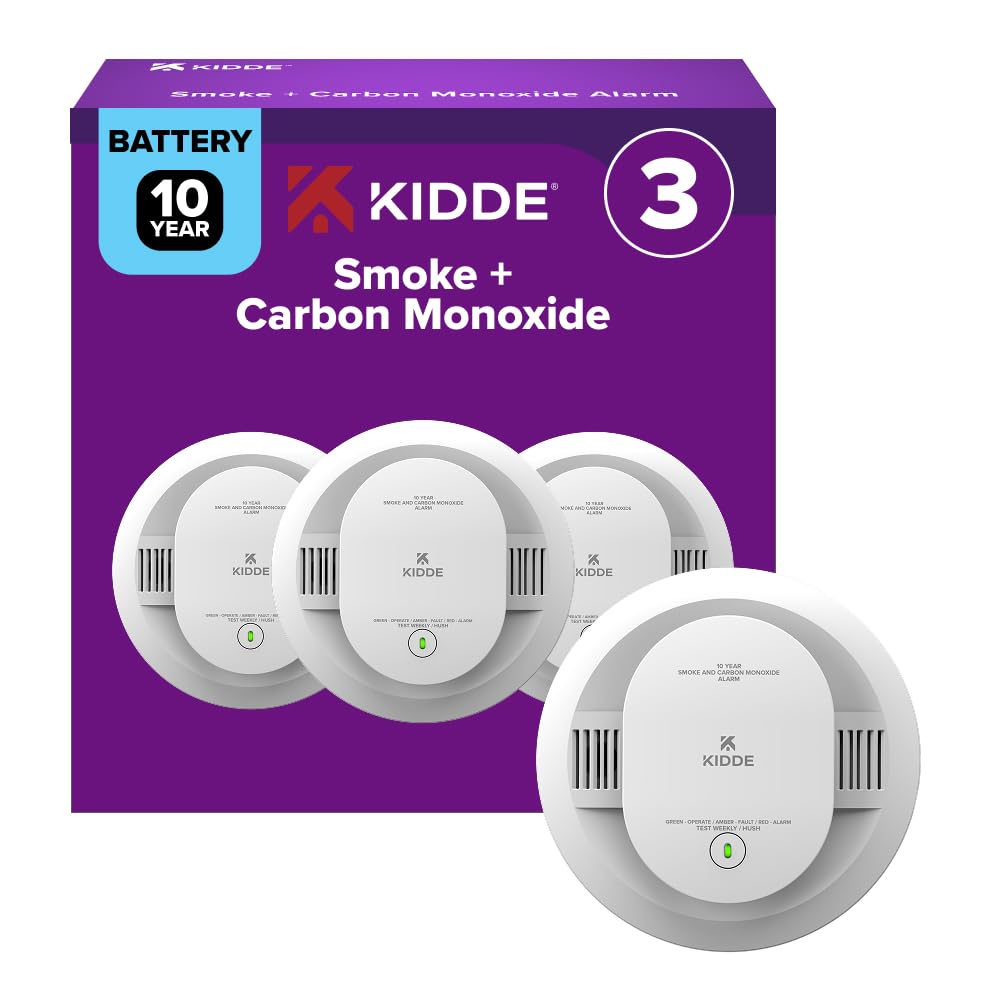
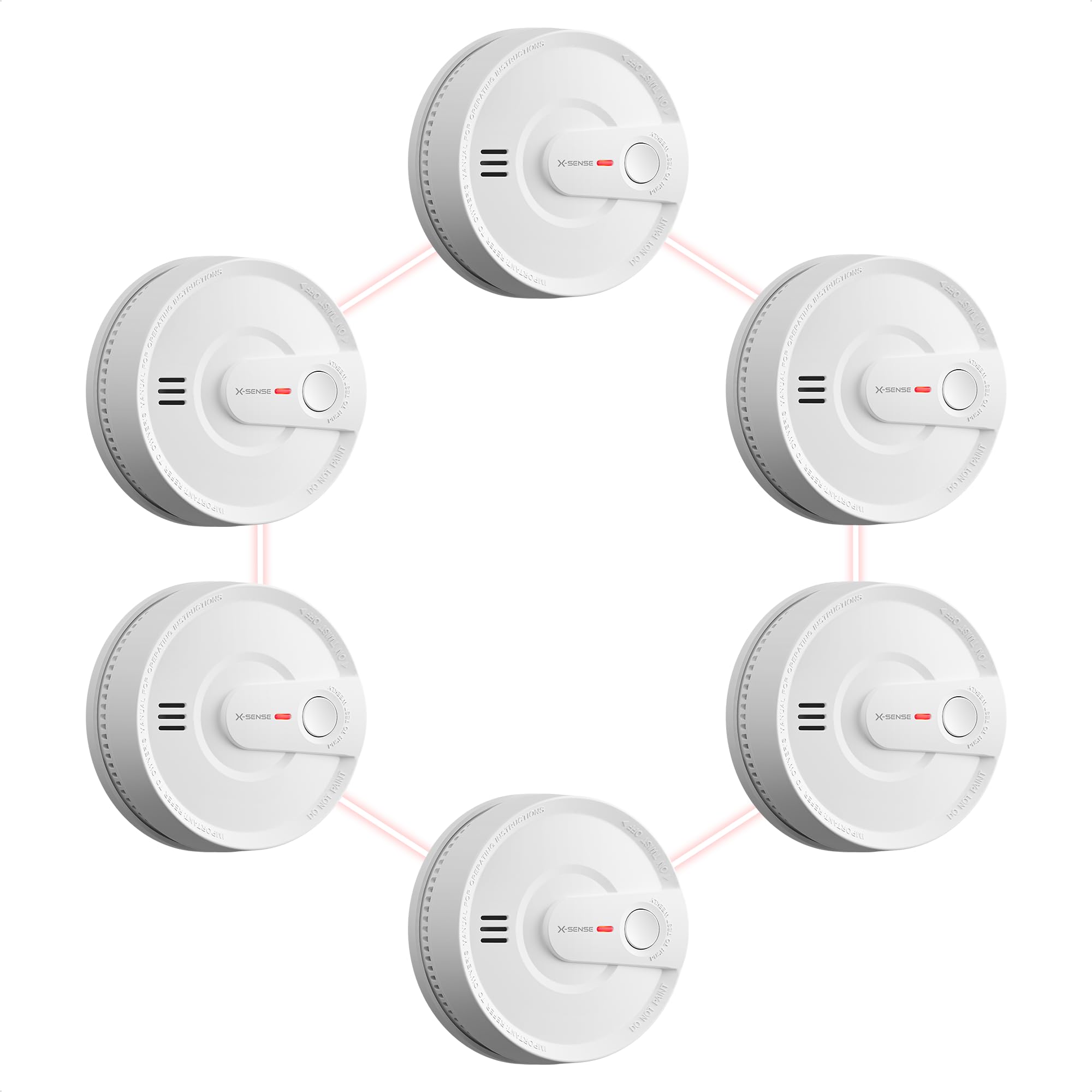
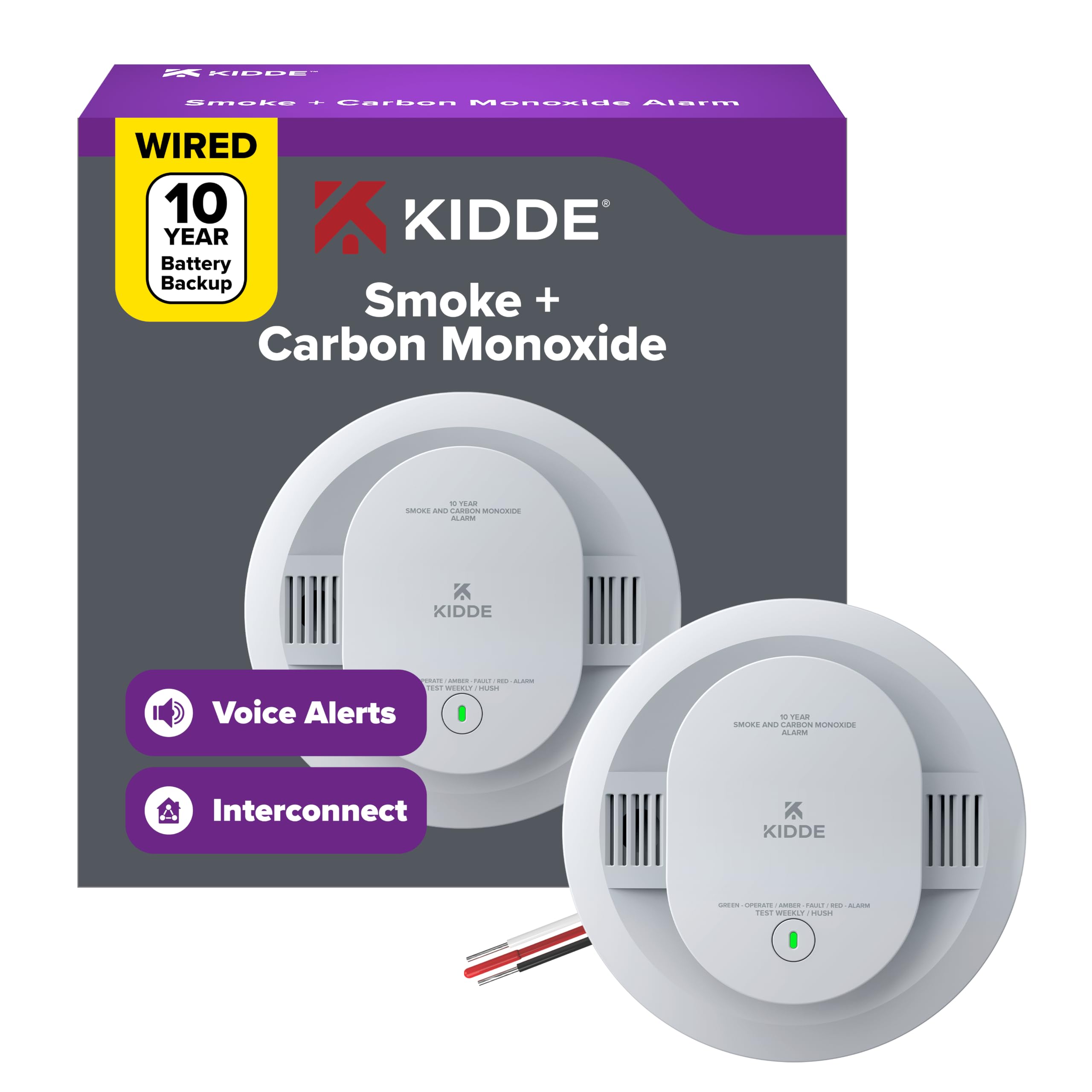
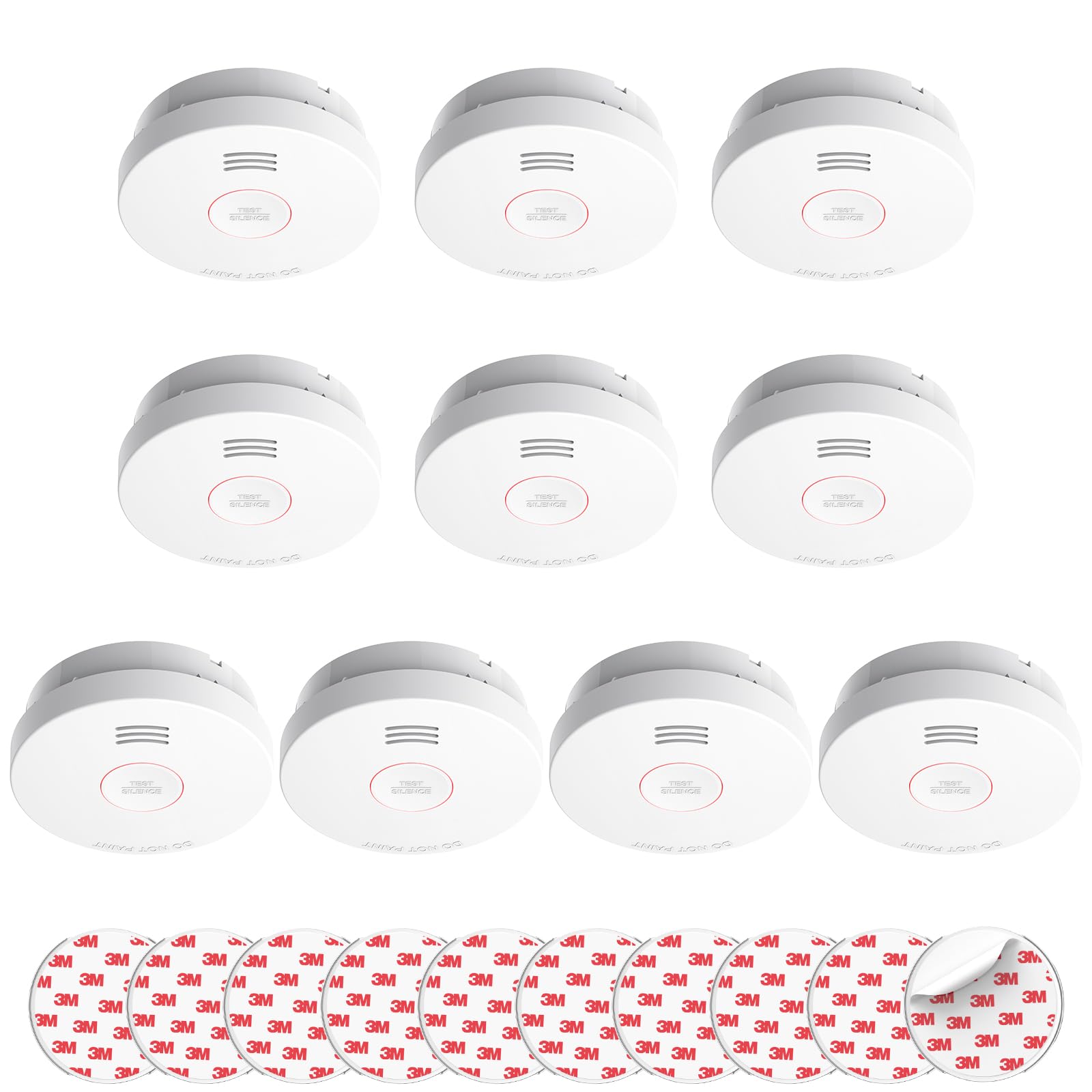
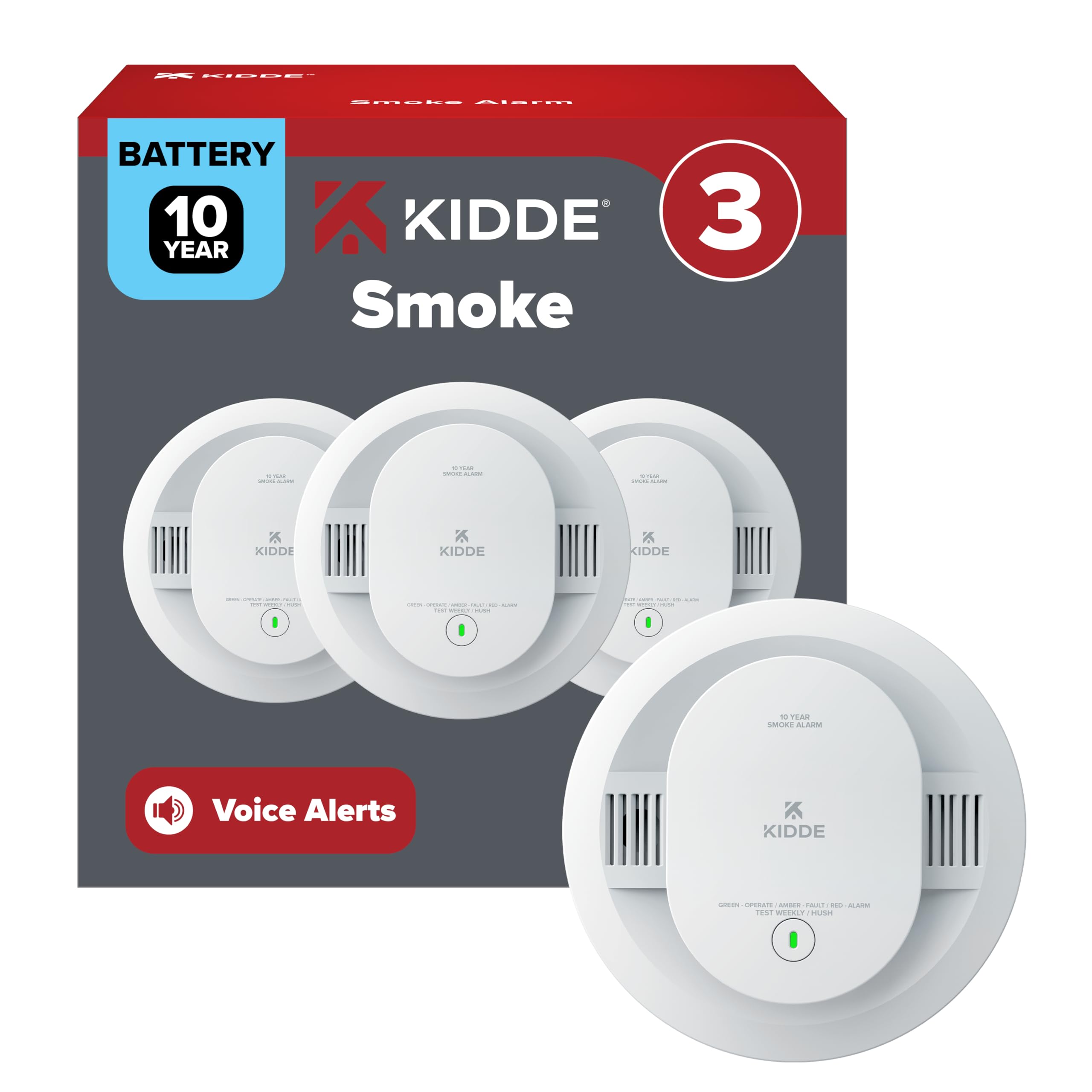
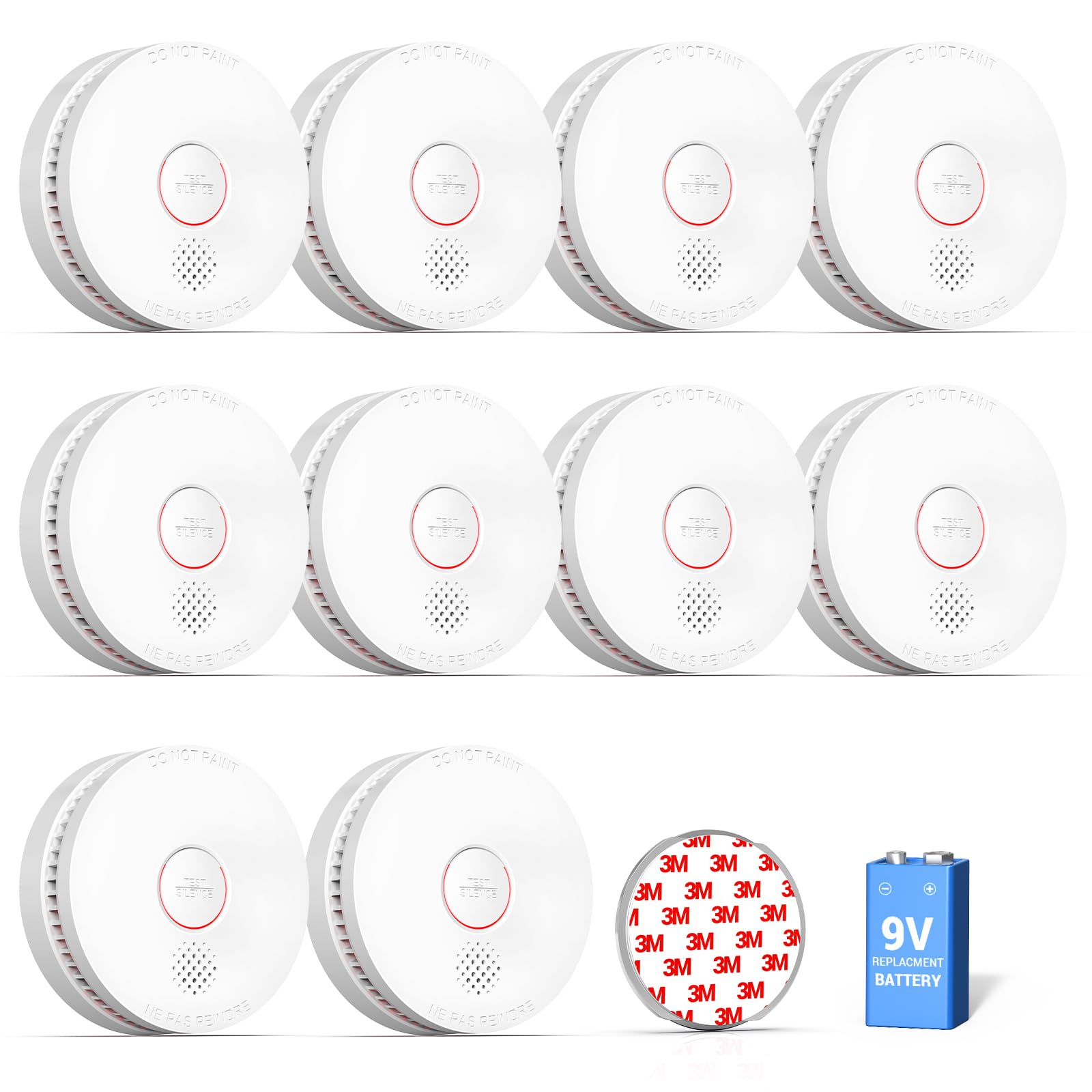
Who Should Buy Which Kind of 10 Year Alarm?
Your routine and your home layout should drive the choice.
Households Tired of Low Battery Chirps at Night
You want an alarm you mount once and test, not one that wakes you at 2 in the morning for a fresh cell. A sealed battery model suits you, because the power supply is built in and cannot be borrowed for a remote control. At the end of its service life the unit signals, and you replace the whole alarm.
Families Who Also Need Carbon Monoxide Protection
Your home has a gas furnace, a gas stove, a fireplace or an attached garage, so smoke is only half of the risk. A combined alarm with an electrochemical carbon monoxide sensor covers both dangers in one housing. Choose a digital display if you want to see carbon monoxide levels in ppm during an event. For how combined and separate alarms differ, see our guide to the best smoke and co2 detectors.
Owners of Larger or Multilevel Homes
A fire in a basement or a closed laundry room may not be heard from a top floor bedroom. You need interconnected alarms, so one unit sounding sets off every unit in the home. Wireless interconnection avoids new wiring in a finished house, while a hardwired system suits a remodel.
Key Features to Compare
When you compare best 10 year smoke detectors on paper, work through the six factors below in order. Each one changes how the alarm behaves on the worst night of its life.
Sensor Type: Photoelectric, Ionization and Dual Sensing
Photoelectric sensors react quickly to the large particles from smoldering fabric and bedding, common in bedroom fires. Ionization sensors react quickly to the tiny particles from fast flaming fires. Dual sensor models combine both and cost a little more. With a single sensor type, photoelectric units near bedrooms are the common default, with fewer nuisance alarms.
Interconnection and Smart Alerts
Interconnection links alarms so a warning starts everywhere at once, which matters most when a sleeping child is far from the room where smoke begins. Hardwired links use a third wire, while wireless links pair units by radio. Smart connected alarms add phone alerts for when nobody is home. If your home already has wiring, see our guide to the best wired smoke detectors before you switch formats.
Voice Alerts and Carbon Monoxide Displays
A voice alert names the danger and the room, so a groggy adult hears kitchen smoke rather than a tone that could mean anything. A carbon monoxide display shows the level in ppm and helps you see how serious a situation is. If an alarm sounds, leave at once, call emergency services from outside and follow the manufacturer's instructions.
Power Source: Sealed Battery, Hardwired and Plug In
A sealed 10 year battery removes yearly swaps and cannot be removed by a frustrated sleeper, which is why some states require this format in certain homes. Check your local rules. Hardwired alarms draw house power with a battery backup. Plug in carbon monoxide alarms fit outlets near fuel burning appliances but still need a ceiling smoke alarm. If you keep older replaceable cell models elsewhere, see our guide to the best battery for smoke detectors.
Certifications: UL 217 and UL 2034
Certification is the factor you should never trade away for a lower price. Smoke alarms for home use in the United States should carry a UL 217 listing, which covers sensor response and resistance to nuisance alarms from cooking. The carbon monoxide side of a combined alarm should meet UL 2034. Look for the listing mark on the housing and packaging, and skip any unit that names no safety standard.
Nuisance Alarm Reduction and Hush Controls
Steam and smoke from a seared steak cause most false alarms, and false alarms teach people to disable the device they need. A hush button silences a cooking event for several minutes while the sensor stays armed. Some models also track slow drift in the chamber and adjust as dust builds. Place alarms a sensible distance from kitchens and bathrooms first, because placement prevents more false alarms than any button.
Choosing the Best 10 Year Smoke Detectors for Different Homes
10 Year Smoke and CO Combo Alarms: What to Check
A combined unit needs two good sensors, not one strong sensor and one weak one. Check that the carbon monoxide side uses an electrochemical cell, that the display or voice states which danger triggered the alarm, and that the end of life signal covers both sensors, since the carbon monoxide cell often ages out first.
Match the format to each room as well. Bedrooms benefit most from voice alerts, hallways near kitchens suit photoelectric units with a hush control, and basements with a furnace need carbon monoxide coverage on that level. For a ranked view, see our guide to the best rated smoke detectors, and for sealed power only, see our guide to the best smoke detectors with 10 year battery.
Final Checks Before You Buy a Ten Year Smoke Alarm
Answer each question before you order. A no on the first two items should stop the purchase.
- Does the alarm carry UL 217, and UL 2034 if it detects carbon monoxide?
- Is the battery sealed, with a clear end of life signal?
- Does the sensor type fit the room, photoelectric near bedrooms?
- Will the alarms interconnect across every floor?
- Do you need a voice alert or a carbon monoxide display in ppm?
- Is the manufacture date recent?
- Have you counted alarms for every level, bedroom and hallway?
Red Flags to Watch For
Weak alarms often reveal themselves on the box. Walk away when you spot these signs.
- No named safety standard or listing mark appears on the packaging.
- The sensor type is left vague, described only as advanced or smart.
- The listing claims a ten year life but the battery is replaceable.
- The warranty is far shorter than the claimed service life.
- The stock is old, with years of service already used up.
Common Mistakes to Avoid
- Mounting an alarm beside a kitchen or bathroom door invites constant false alarms from steam and cooking smoke.
- Installing coverage on only one floor leaves bedrooms above a basement fire unwarned.
- Mixing brands and expecting the alarms to interconnect leaves each unit sounding alone.
- Painting over an alarm or its vents blocks smoke from reaching the sensor.
- Removing an end of life unit and forgetting to replace it leaves that room unprotected.
- Never checking the manufacture date lets an expired alarm stay in service.
Keeping a Sealed Battery Alarm Working for Its Full Ten Years
Press the test button on every alarm once a month, and treat a silent unit as failed until you replace it. Write the install date on the side of each housing, where you can read it from a step stool. When an alarm gives its end of life signal, replace the whole unit promptly, because a sealed alarm cannot be revived with a new cell.
Vacuum the vents gently with a soft brush attachment twice a year, since dust dulls the sensor and raises false alarms. Never use water or cleaning sprays on an alarm.
Frequently Asked Questions
How long do 10 year smoke detectors last?
A 10 year smoke detector lasts ten years from the date it was made, not from the day you open the box. That is why the printed manufacture date matters: a unit made two years ago gives you about eight years of service. Activate a new alarm soon after buying it so the clock and your records agree.
Do you need separate smoke and carbon monoxide alarms or one combined unit?
One combined 10 year unit can cover both dangers in most rooms, and it cuts the number of devices you test each month. Separate alarms earn their place when a room needs ceiling smoke coverage but carbon monoxide coverage near a specific appliance zone. Homes with several fuel burning appliances often mix both approaches, counting appliances room by room.
Where should you install 10 year smoke detectors in a home?
Install 10 year smoke detectors on the ceiling or high on a wall on every level, inside each bedroom and outside sleeping areas. Keep smoke alarms at least 10 feet from a cooking appliance where the layout allows it, since closer placement is the top cause of cooking false alarms. Skip garages and unfinished attics, where dust and temperature swings damage sensors. Stay a few inches from ceiling corners, where dead air weakens response.
Is a hardwired 10 year smoke detector better than a sealed battery model?
A hardwired 10 year smoke detector is better when your home already has alarm wiring, because house power plus a backup battery removes doubt about a drained cell. A sealed battery model is better for a finished home without that wiring, where opening ceilings would cost far more than the alarms. One caution applies to hardwired swaps: adapter plugs and interconnect signals vary by brand, so confirm a new unit talks to the alarms already in your ceiling.
The Bottom Line
Buy the listing, the sensor and the placement plan, in that order. A UL listed photoelectric alarm with a sealed battery, placed on every level and outside sleeping areas, covers most homes well. Add interconnection for larger layouts and carbon monoxide sensing wherever fuel burns. Use the product table to confirm each room format.
When you choose the best 10 year smoke detectors by those criteria, the brand name matters less than the fit. Replace each unit on schedule and test monthly.


