Best 10 Quart Air Fryers (2026): Size, Features and Buying Tips
Disclosure: We may earn a commission when you buy through links on this page, at no extra cost to you. As an Amazon Associate I earn from qualifying purchases. Learn more

What matters when choosing the best 10 quart air fryer: size, features, budget and the mistakes to avoid.
Sunday dinner at a full house is where a small air fryer shows its limits. You end up cooking fries in three rounds while the chicken rests and goes lukewarm. A 10 quart model ends that juggling act, and choosing the best 10 quart air fryer for your home comes down to three things: the space you can give it, the number of people you feed, and the budget you want to stay within.
This guide walks through the formats, features, and costs that matter at this size, so you can match a model to your kitchen instead of guessing from a capacity number alone. Use the product table on this page to compare the main formats.

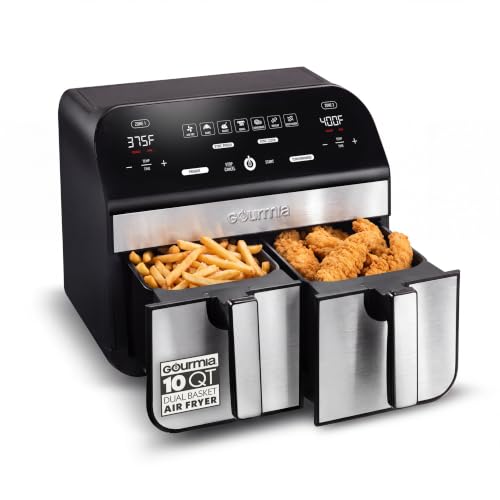
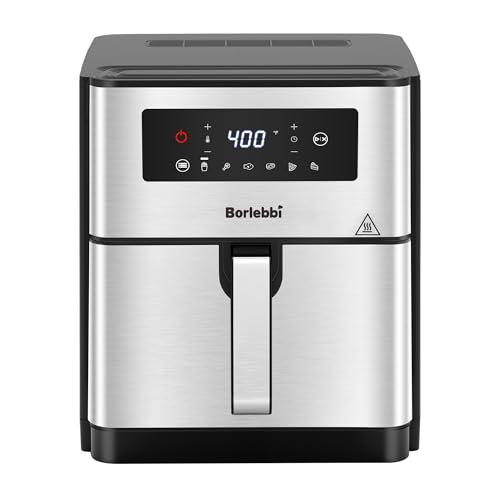
Quick Answer: The Three Formats Worth Comparing
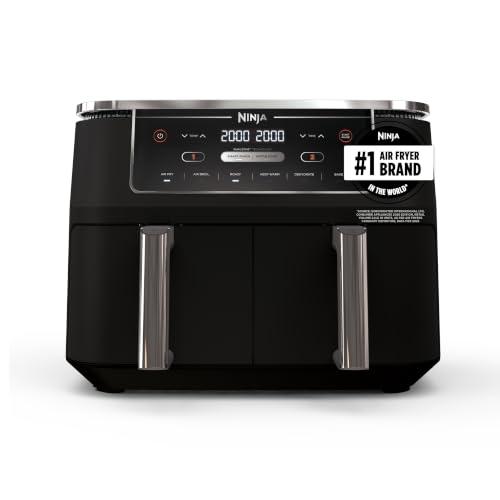
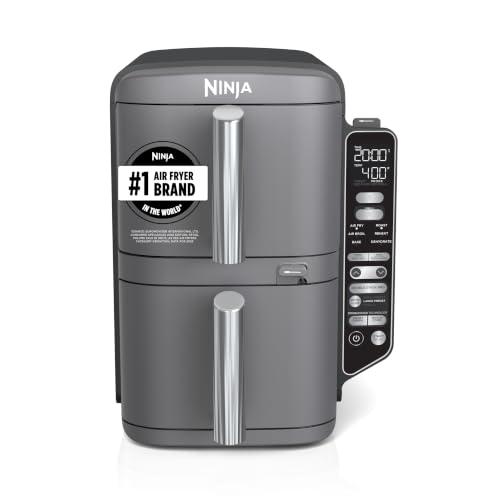
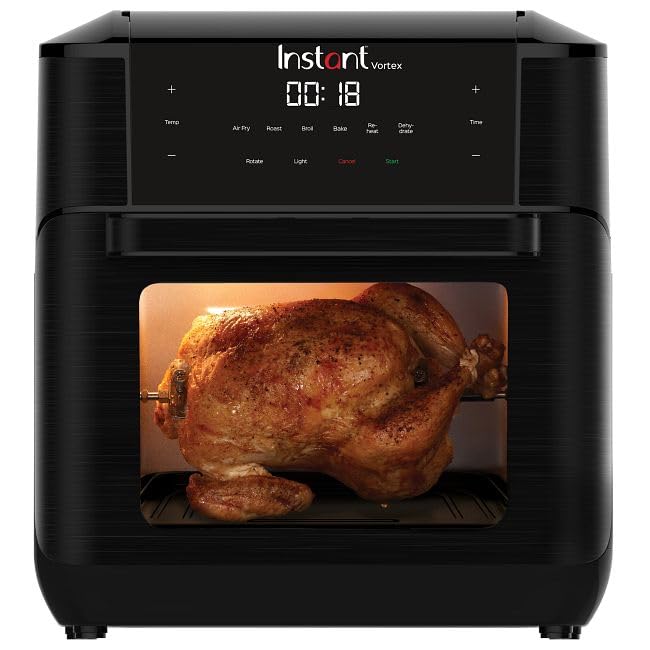
Nearly every 10 quart model falls into one of three formats. An oven style unit looks like a compact countertop oven, with racks at two or three levels and a door that opens down. It suits households that cook several items at once and want to watch food through a window. A dual basket model splits the capacity into two drawers, so you can run a main dish and a side at different settings in the same cycle.
The third format is a single wide basket, one large drawer with a crisper plate. It gives you the most unbroken cooking area for big flat foods like a tray of wings or a large pizza, and it is usually the simplest to clean. The right choice is the format that matches how your household actually cooks on a weeknight.
Before You Buy: A Quick Checklist for Choosing an Air Fryer
Size: Match It to Your Space and Your Household
Capacity numbers describe the cooking chamber, not the amount of food you should load at once. Air needs to move around each piece, so a 10 quart chamber cooks well with food in a loose single layer or spread across racks. For most homes, this size serves about five to eight people in one batch. If your household is smaller, our guide to the best small air fryer covers compact models that heat faster for one or two servings. Match the chamber to your largest regular meal, not to a holiday you host once a year.
Which Type Fits Your Routine
Think about the meals you repeat most. If you often cook a protein and a vegetable that finish at different times, two independent baskets save you from holding one dish warm while the other cooks. If you bake, toast, or reheat wide flat foods, the oven style format with racks and a door will feel more natural. A glass cooking chamber is worth a look if you dislike cooking food you cannot see, and our roundup of the best glass air fryer explains the trade offs of that material. Pick the format around your routine, not around the longest feature list.
Features Worth Paying For, and Ones to Skip
A viewing window earns its cost at this size, because opening a large door or drawer dumps more heat than on a small model. A shake or turn reminder helps with fries and wings, and a rotisserie is worthwhile only if you truly plan to roast whole birds often. A dehydrate setting suits households that make fruit snacks or jerky at home. You can safely skip long preset menus named after specific foods, since time and temperature controls do the same job once you know your regular dishes. Extra baskets and spare racks matter more than extra programs.
Wattage, Power, and Energy Use
Most 10 quart models draw about 1500 to 1800 watts, close to the limit of a standard kitchen circuit in the US. Run the air fryer on its own circuit where you can, and avoid sharing the outlet with a microwave or electric kettle at the same time. A larger chamber preheats a little slower than a small one, but still far faster than a full size oven. Because one batch replaces two or three smaller batches, total energy per meal often ends up similar or lower.
Safety Features and Certifications
Look for a listing mark from UL or ETL on the model or its packaging, which points to an independent safety review against US standards. Automatic shutoff when you open the drawer or door is standard at this size and worth confirming, as are cool touch handles and stable feet that keep a tall unit from sliding when the door opens. Keep the unit away from the wall while it runs, since the rear vent pushes out hot air. If a model lacks a recognized certification mark, choose a different one.
Counter Space and Dimensions
A 10 quart air fryer is a serious piece of counter equipment. Oven style models are often about 17 inches tall, which can clash with upper cabinets, and the door needs clear space in front to open fully. Drawer models are shorter but wider, and they need a few inches of open space behind and above for the vent. Measure your counter depth, the height under your cabinets, and where the unit will live every day. If it has to be dragged out of a cupboard each time, you will use it less, whatever its capacity.
Realistic Budget Ranges
Expect to pay about $100 to $250 for most 10 quart models. Around the lower end you get a single basket or a basic oven style unit with dial or simple touch controls. In the middle, about $150 to $200, you find dual baskets, windows, and better racks. Above that, you are paying for stainless finishes, stronger warranties, and bundled accessories like rotisserie kits. Our guide to the best air fryer puts this size in context across all sizes and budgets. Spend first on format, then on features.
How We Compare Models at This Size
We judge 10 quart models on capacity you can actually use, how evenly they cook a full load, how simple the controls feel on a busy evening, and how much work cleaning takes afterward. Noise matters too, because a large fan running for half an hour is hard to ignore. We also weigh safety marks and warranty length, using manufacturer specifications and patterns in verified buyer feedback. A model scores well when it fits a real home, not when it wins on paper.
Is a 10 Quart Air Fryer the Right Size for You?
This size earns its counter space when you regularly cook for five or more people, batch cook on weekends, or host often. A family of five can cook a main and a side in one run instead of two, and the larger racks handle sheet pan style meals that would never fit in a 5 quart basket. It also suits frozen foods bought in family size bags, which need room to spread out before they crisp well.
It is the wrong size if your kitchen is small and the unit would block your only work surface, or if you mostly cook for one and reheat single portions. In that case a mid size model heats faster and stores easier. Also weigh it against the oven you already own: our comparison of air fryer vs toaster oven walks through where each appliance wins. Once the size question is settled, our beginner walkthrough on how to use an air fryer covers first cook settings and simple habits that make early meals go smoothly.
Common Buying Mistakes to Avoid
- Measuring the chamber but not the counter. A model that fits the space only with its vent against the wall will run hot and age fast.
- Buying capacity for guests you rarely host. A chamber sized for a yearly party sits half empty all year and preheats slower for everyday meals.
- Paying for a rotisserie you will not use. The kit adds cost and storage bulk, and it only pays off if whole birds are a regular meal at your house.
- Ignoring replacement part costs. Racks, crisper plates, and extra baskets vary in price, and a cheap model with costly parts can end up the pricier purchase.
- Stacking food to fill the chamber. Crowded layers steam instead of crisp, so the big capacity only helps when food still gets airflow.
Cost of Ownership and Care
Running costs stay modest. A large model draws more power per minute than a small one, but it finishes family size batches in a single run, so electricity per meal is close. The real ongoing costs are replacement crisper plates or racks after a few years of heavy use, and optional liners if you use them. Budget roughly the price of a family takeout meal per year for parts and supplies on a well used unit.
Care is simple but size makes it slower, since racks and drawers are bigger to wash. Let parts cool, soak them in warm soapy water, and wipe the interior once crumbs are soft rather than scrubbing a baked on layer later. Our step by step guide on how to clean an air fryer covers grease buildup around the heating element, which is the spot most owners miss. Dry every part fully before storing it inside the chamber, because trapped moisture is what causes lingering odors in a closed unit.
Your Questions, Answered
Can a 10 quart air fryer cook a whole chicken?
Yes, in most oven style and wide basket models, as long as the bird is about 4 to 5 pounds and sits clear of the heating element. Tuck the wings, tie the legs, and check that the top of the bird does not touch the element when the drawer closes or the rack slides in. If the chicken is too tall, splitting it flat before cooking solves the clearance problem and helps the skin crisp evenly on both sides.
How much clearance does a 10 quart air fryer need?
Plan on about 5 inches of open space behind and above the unit while it runs, and more if your model vents upward. That gap lets hot air escape instead of heating the wall or the underside of your cabinets. Also check the front: an oven style door swings down and needs its full depth plus room for your hands. Measuring all three directions before ordering prevents the most common returns at this size.
Can you cook two foods at different temperatures in a 10 quart air fryer?
Only a dual basket or dual zone model can do this, because each drawer has its own heater and fan. Single chamber models, including oven style units with several racks, run one temperature for the whole space. A useful extra on dual models is a sync setting that times both drawers to finish together even when they start at different temperatures. If your dinners often pair a main with a side that cooks faster, that feature is worth more than extra presets.
How long does a 10 quart air fryer usually last?
With regular home use, most owners get about three to five years from a unit at this size before the fan grows loud, the controls wear, or the nonstick surface on plates and racks starts to fail. Models with replaceable crisper plates and racks tend to stay in service longer, because the worn part is cheap to swap. Registering the warranty when you buy and keeping the manual costs nothing and makes a claim far simpler later.
Is a 10 quart air fryer too big for a household of two?
It can be, but not always. Two people who batch cook on Sunday and freeze portions for the week will use the full chamber often, and a wide basket handles a large pizza or a tray of roasted vegetables for guests. Two people who cook fresh single meals each night will likely find a smaller unit faster and easier to store. Judge by your largest weekly cooking session, not by the number of chairs at the table.
Final Thoughts
Start with your space and your headcount, then choose the format that fits your routine, and only then compare features and price. The best 10 quart air fryer for your home is the one that fits under your cabinets, cooks your regular meals in a single batch, and cleans up without a fight. Use the product table above to compare the formats side by side, and check the current price on the model that matches your checklist before you order.