
Best 10 Inch Frying Pans (2026): Size, Features and Buying Tips
Disclosure: We may earn a commission when you buy through links on this page, at no extra cost to you. As an Amazon Associate I earn from qualifying purchases. Learn more

What matters when choosing the best 10 inch frying pan: size, features, budget and the mistakes to avoid.
A crowded burner, a cabinet that barely closes, and eggs for two people can make a large pan feel like the wrong tool. A 10 inch pan solves that daily friction for many homes. If you are choosing the best 10 inch frying pan for your space, your household size, and your budget, this guide walks through size, materials, safety, and upkeep before you spend. For broader context across sizes, see our guide to the best frying pan as well. The product table on this page gathers the key options in one place.

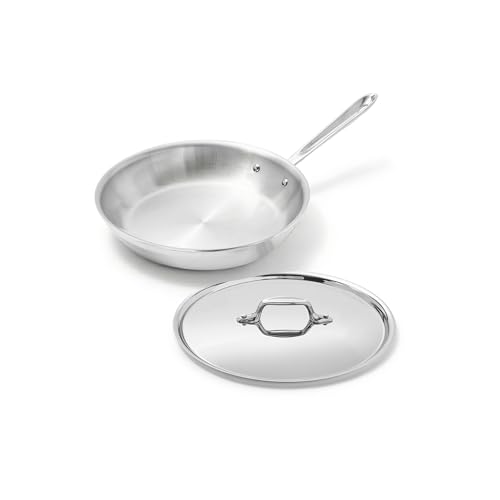

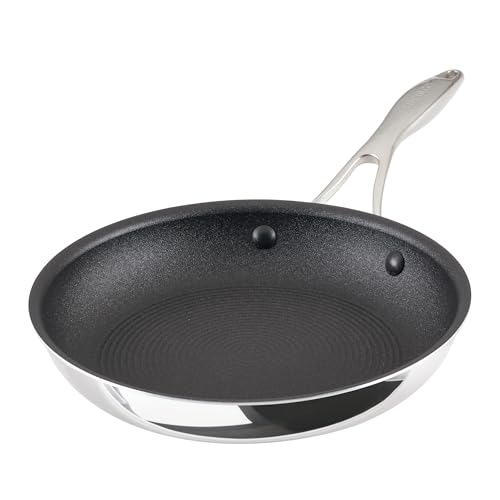

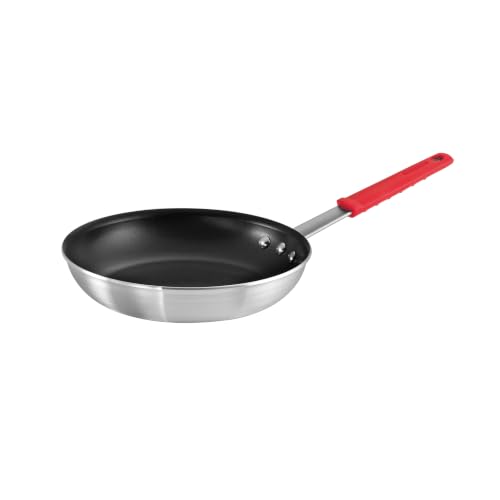
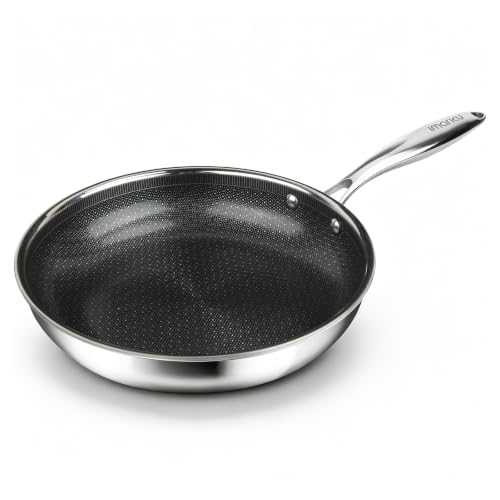


Quick Answer: Three Types That Fit Most Homes
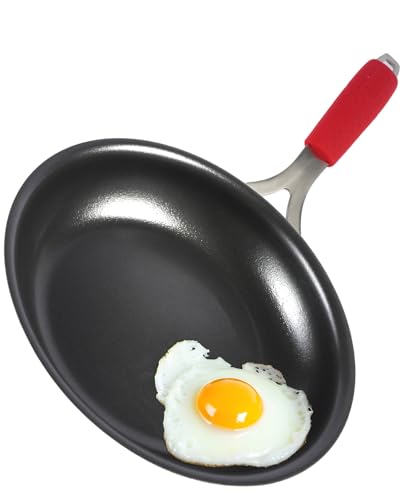
For easy eggs, fish, and reheating, a nonstick pan is the simplest route, and our guide to the best nonstick frying pan explains that category in depth. For browning meat and building pan sauces, stainless steel gives you strong searing and easy deglazing. For a pan you can season, repair, and keep for many years, carbon steel and cast iron reward a little routine care. Most homes need only one of these routes, matched to the food cooked most often.
Before You Buy: A Quick Checklist for Choosing a Frying Pan
Size: Match It to Your Space
An 8 inch pan suits a single egg or a small portion, while a 12 inch or 14 inch pan needs a wide burner and generous storage. A 10 inch pan sits between them, holding two chicken breasts, three eggs, or a modest stir fry without crowding. Measure your largest burner and your cabinet depth before buying. A deep pan adds room for sauces and reduces splatter, but it also adds weight and can crowd a small stovetop when other pots are in use.
Which Type Fits Your Routine
Nonstick releases delicate food with little fat and rinses clean fast, which suits busy mornings. Stainless steel tolerates high heat and metal tools and handles oven finishing well. Cast iron holds heat steadily for searing, though it feels heavy. Carbon steel heats quickly, seasons over time, and weighs less than cast iron. Ceramic coated pans offer a slick surface without a traditional nonstick coating. Copper and three layer clad pans respond fast to heat changes but cost more. Match the type to your most common meals, not rare ones.
Features Worth It and Ones to Skip
A lid earns its keep when you steam vegetables, melt cheese, or finish eggs gently, and it contains splatter during simmering. A helper handle matters on heavier pans because two hands make moving a full pan safer. Pour spouts help with sauces and drained fat, though they matter less for dry cooking. Skip extra inserts, stacking systems, or decorative finishes you will never use. A flat, thick base and a handle that feels secure in a wet hand matter far more than added extras.
Is It Non Toxic?
Shoppers often ask about PFAS and PTFE in traditional nonstick coatings. Ceramic coatings, stainless steel, cast iron, and carbon steel contain no PTFE layer, so many cautious buyers start there. Whatever you choose, follow the maker guidance on heat limits, retire a pan when a coating flakes or peels, and never heat an empty coated pan on high.
Induction, Gas and Glass Top Compatibility
Induction burners need a magnetic base, so check product details for an induction ready base or check a pan you own with a magnet. Gas burners forgive slightly warped bases, but a flat bottom still heats more evenly and wastes less energy. On a glass top, avoid dragging heavy rough bottomed pans across the surface, since grit can scratch it. Deep pans and very wide handles can also crowd small cooktops, so picture the pan beside the pots you use at the same time.
Oven Safe Temperature and Handles
Oven ratings vary widely, from about 350 degrees to about 600 degrees Fahrenheit, and the handle often sets the limit rather than the pan body. Silicone coated handles feel comfortable but usually carry lower oven limits. Bare metal handles tolerate more heat but need a mitt every time. Check whether a lid is oven safe too, because glass and coated knobs have separate limits. If you finish steaks or frittatas under a broiler, confirm broiler use is allowed before relying on it.
Realistic Budget Ranges
Pans under $30 usually suit light daily use and renters. Spending about $30 to $50 brings thicker bases, better handles, and more even heating. At about $50 to $100, durable clad steel and quality carbon steel become common. At about $100 to $200, expect construction you can keep for many years. Spend toward the food you cook weekly, and keep some budget aside for a lid if needed.
Types Compared: Three Routes for Real Homes
Nonstick for Easy Weekday Cooking
Choose this route when eggs, omelettes, pancakes, and fish dominate your mornings and cleanup time is short. A medium weight nonstick pan heats evenly enough for gentle cooking and releases food without added fat. The trade off is lifespan, because coatings wear with high heat, metal tools, and harsh scrubbing. Treat this as a pan you will replace sooner than steel, keep the heat at medium or below, and factor that replacement cycle into the true cost for your household.
Stainless Steel for Searing and Sauces
Choose this route when you brown meat, crisp potatoes, and make pan sauces from the browned bits left behind. Our guide to the best stainless steel frying pan goes deeper on clad construction. Preheat the pan, add fat once it feels warm, and let food release on its own before turning. Steel tolerates the oven, metal utensils, and vigorous scrubbing, which suits cooks who want one pan for stovetop and oven work without coating concerns.
Carbon Steel and Cast Iron for Long Term Use
Choose this route when you value a surface that improves with use and can be restored rather than replaced. Reading a clear comparison of carbon steel vs stainless steel helps if you are torn between seasoned and bare surfaces. Carbon steel feels lighter and responds faster, while cast iron holds heat longer for thick cuts. Both need seasoning upkeep and prompt drying. In return, neither relies on a coating, and both can serve a household for decades with steady care.
How Options Were Compared for This Guide
Options were weighed on heat distribution, durability, material safety, stovetop and oven compatibility, and cleaning effort, using maker specifications and patterns in verified buyer feedback. Weight, base thickness, and handle design were judged for daily home use rather than restaurant service, and cost was viewed over the full life of the pan, including likely replacement for coated surfaces, instead of the purchase price alone.
Is a 10 Inch Frying Pan the Right Size for You?
For one or two people, this size covers most breakfasts, grilled sandwiches, and weeknight proteins without wasted burner space. A household of three or four can still use it well for side dishes, eggs, or cooking in two batches, but a 12 inch pan may serve large shared meals better. Storage matters too, because a 10 inch pan usually fits standard cabinets and dishwashers more easily. If you are unsure about terms, our explainer on skillet vs frying pan clears up the naming overlap.
Think about the food you cook most. Two fillets, a pair of pork chops, or a frittata for two sit comfortably. A full pound of ground meat crowds the surface and steams instead of browning, so batch cooking or a larger second pan helps there.
Common Buying Mistakes to Avoid
- Buying for the largest meal you cook once a year, then fighting the size every ordinary day.
- Ignoring burner and cabinet measurements, which leads to wobbling pans and storage that never quite fits.
- Paying for extras such as inserts and novelty finishes while accepting a thin base that heats unevenly.
- Forgetting replacement cost for coated pans, so a low purchase price hides repeat spending later.
- Choosing a heavy pan you cannot lift safely when it is full of hot food and oil.
Cost of Ownership and Care
Ownership cost goes beyond the shelf price. Coated pans may need replacing every few years, while steel and iron shift the cost toward a little time and care. Wash most pans by hand in warm soapy water, dry them promptly, and store them without stacking abrasive items on a coated surface. Our step by step guide on how to clean a frying pan covers stuck food and discoloration in detail. Seasoned pans need a thin coat of oil after drying to guard against rust.
Energy use differs slightly by material. A pan that matches your burner heats food with less wasted heat spilling past the base, and a lid shortens simmering time. Utensils matter too, because wood and silicone protect coatings, while steel pans accept any tool you already own.
Your Questions, Answered
What is the most reliable frying pan brand?
Reliability depends more on construction than on a name. Look for a thick, flat base, handles fixed with strong rivets or solid welding, and clear ratings for your stovetop and oven. A written warranty with a simple claim process also signals confidence from the maker. Keep your receipt and register the pan if asked, because proof of purchase often decides whether a warranty claim succeeds years later.
How do you clean a frying pan?
Let the pan cool until it is safe to handle, then wash it in warm soapy water with a soft sponge. For stubborn residue, simmer a little water in the pan for a few minutes to loosen it before washing. One extra tip for burnt sugar or cheese is to soak the cooled pan briefly rather than scraping, since soaking lifts the residue without gouging the surface or stressing a coating.
Is a frying pan worth it?
Yes, if you cook eggs, proteins, or vegetables on the stovetop several times a week, a pan in this size earns its storage space quickly. It can also replace a larger pan for small meals, which saves heating time and washing up. It is less worthwhile as a duplicate if you already own a similar size in good condition, or if most of your cooking happens in an oven or a slow cooker instead.
How long does a frying pan last?
Stainless steel, cast iron, and carbon steel pans can last decades when they are dried well and kept free of serious warping. Coated pans have a shorter working life, often a few years, because the surface slowly wears even with gentle use. A useful signal to retire any pan is a base that rocks on a flat cooktop, since uneven contact means uneven cooking and wasted energy at every meal.
What size frying pan do I need?
Start from your household size and your most common meal, then check that the pan fits your burner and cabinet. One or two servings point to 8 inch or 10 inch sizes, while family batches point larger. If you can own only one, the middle size covers the widest range of tasks. Renters and small kitchens often benefit from choosing the size that stores easily, because a pan you can reach gets used.
What is the best 10 inch frying pan?
The right answer depends on the route that fits your routine. Pick nonstick for gentle food and fast cleanup, stainless steel for searing and sauces, or carbon steel and cast iron for a surface you can restore over time. Within any route, a flat thick base, a secure handle, and confirmed compatibility with your burners matter more than branding, added extras, or the lowest price on the shelf.
Final Thoughts
A 10 inch pan earns its place when it matches your burners, your storage, and the meals you repeat each week. Weigh the types against the product table above, keep the checklist close while you shop, and choose the route you will enjoy maintaining. For most homes, the best 10 inch frying pan is simply the one that fits daily life so well that reaching for it becomes automatic. Prices and availability can change, so check the product page before ordering.


