
Best 1 Quart Saucepans (2026): Size, Features and Buying Tips
Disclosure: We may earn a commission when you buy through links on this page, at no extra cost to you. As an Amazon Associate I earn from qualifying purchases. Learn more

What matters when choosing the best 1 quart saucepan: size, features, budget and the mistakes to avoid.
Picture a weekday morning in a small kitchen. You want oatmeal for one, warmed milk for coffee, and a little butter melted for eggs, and none of those jobs needs a big pot taking up a burner. That is exactly where the best 1 quart saucepan earns its place, handling small daily tasks without crowding your stove or your cabinets.
This guide helps you choose by the things that matter at home: how much space you have, how many people you cook for, and what you can spend. Use the product table on this page to match a pan type to your routine before you read the checklist that follows.


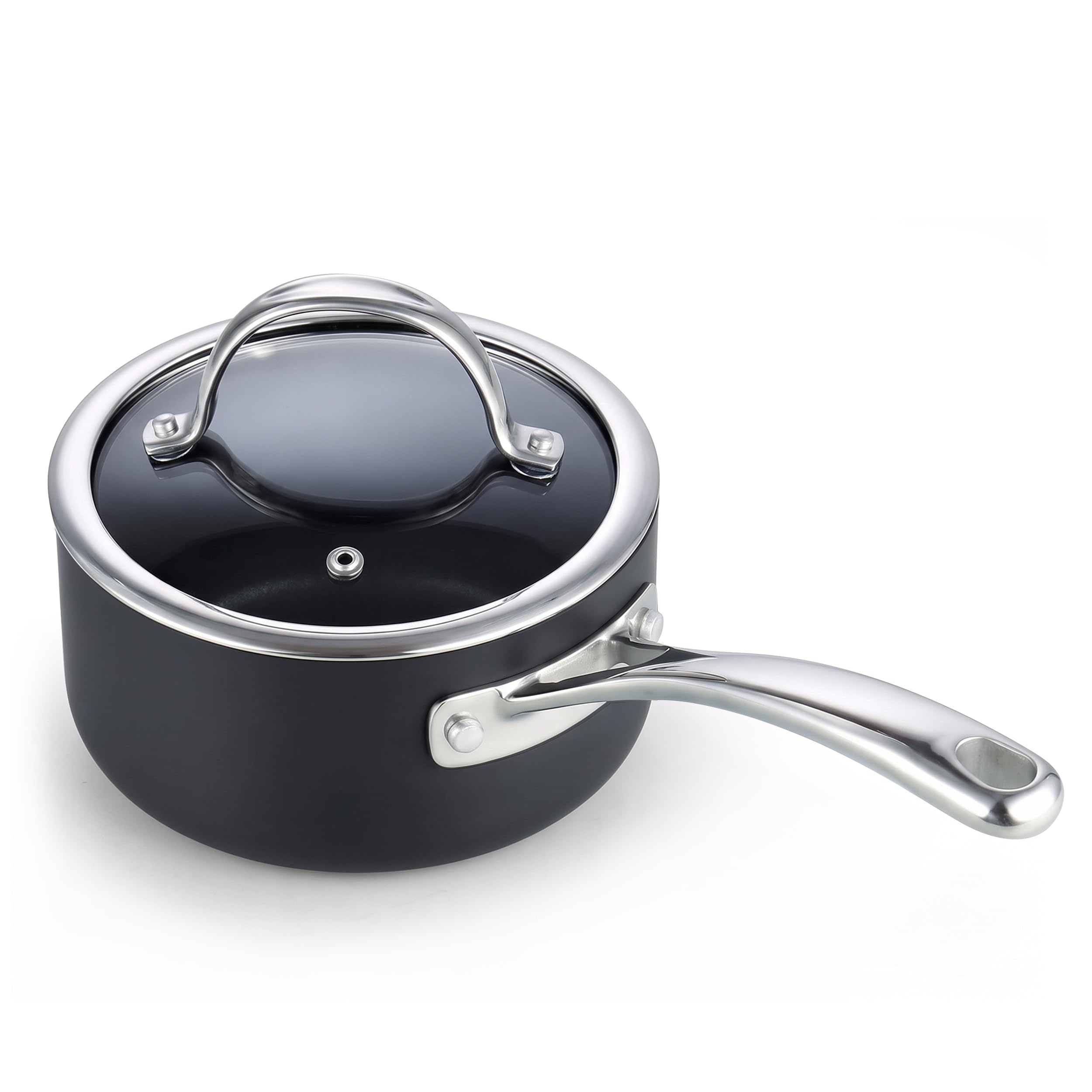


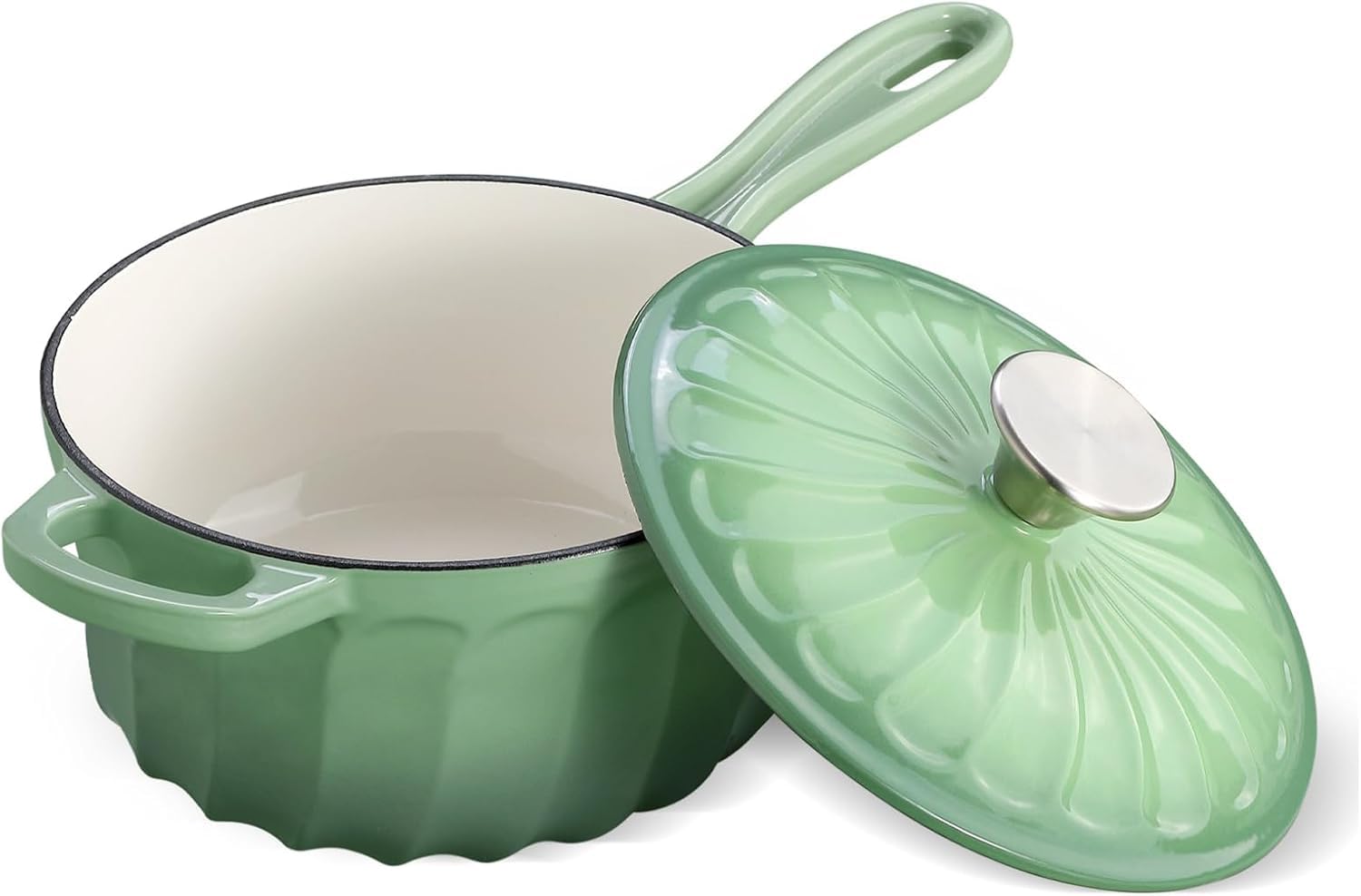

Quick Answer: Three Types That Cover Most Homes
Most homes are covered by one of three types. Stainless steel suits sauces and reheating, nonstick suits eggs and oatmeal, and ceramic coated pans suit gentle heat and easy serving. The best 1 quart saucepan for you is the type you will reach for daily, not the one with the longest feature list.
- Stainless steel clad: durable, good for browning, and tolerant of metal utensils and high heat.
- Nonstick: releases sticky foods with little oil and needs gentle utensils and moderate heat.
- Ceramic coated or enameled: smooth for serving, with care needed to protect the surface from chips.
If durability matters most to you, start by reading our guide to the best stainless steel saucepan options, since that material usually stays in a kitchen the longest.
Before You Buy: A Quick Checklist for Choosing a Saucepan
Run through the points below before you look at any single pan. They cover size, material, features, safety, stove fit, oven use, and budget.
Size: Match It to Your Space
A 1 quart pan holds 4 cups of liquid, but you will cook about 3 cups at most so food has room to simmer without spilling. Most measure about 5 to 6 inches across, so one fits a small burner and a narrow cabinet or drawer. A 2 quart pan adds serving room for two or three people, while 3 quart and 4 quart pans suit family batches. Pick 1 quart when storage is tight and your usual jobs stay small.
Which Type Fits Your Routine
Stainless steel handles acidic sauces without reacting with food, and clad versions spread heat across the base and sides. Nonstick makes sense if oatmeal, eggs, and milk based sauces are your daily pattern and you hate scrubbing. Ceramic coated pans offer a slick surface without a traditional nonstick coating, while copper responds to heat changes very fast but needs polishing. Enameled pans resist stains and look good on the table. Match the material to your most common task, not your rarest one.
If easy release is your priority, compare the types in our guide to the best nonstick saucepan before you decide on a material.
Features Worth Paying For and Ones to Skip
A fitted lid is worth paying for, since it holds heat for grains and lets you simmer with less watching. Pour spouts help when you pour sauce without drips, and a strainer lid can drain small amounts without a separate colander. Measurement marks inside the pan help when you reduce a sauce. A steamer insert is the feature most buyers can skip, since a 1 quart base is too small to steam more than a token portion.
Material Safety and Coatings
Traditional nonstick uses PTFE, and some older coatings raised concern about PFAS chemicals, which is why many brands now state clearly what their surface contains. Ceramic coated pans use a mineral based layer instead, and plain stainless steel and cast iron have no applied coating at all. Whichever you choose, follow the maker heat limits for coated pans, and retire a pan once its coating is deeply scratched or flaking.
Induction, Gas and Glass Top Compatibility
Compatibility depends on the base, not the body material alone. Induction burners need a magnetic base, so check that the maker lists the pan as induction ready before you buy. Gas burners forgive almost any base shape, but a small pan should sit stable on the grate without tipping when empty. Glass tops need a flat, smooth base that makes full contact. Our guide to the best induction saucepan explains base construction in more depth for induction owners.
Oven Safe Temperature and Handles
Oven use lets you finish a sauce or keep oatmeal warm without moving food to a second dish. Metal handles and metal lids usually carry the highest oven ratings, often about 500 degrees Fahrenheit, while silicone coated handles and glass lids often stop nearer about 350 to 400 degrees. Those figures vary by maker, so read the rating for the exact pan. Also check handle length, since a long handle can crowd the burners beside it.
Realistic Budget Ranges
A basic pan at under $30 usually has a single layer base that heats fast but can show hot spots. Spending a little more, about $30 to $50, is where clad bases, fitted lids, and sturdier handles become common, and this range suits most homes well. Higher up, about $50 to $100 adds heavier construction and better finish. Premium pans at about $100 to $200 only pay off if you cook daily and plan to keep the pan for many years.
Types Compared: How the Main Options Differ
With the checklist in mind, this section compares the main types on the jobs a small pan actually does. No single type wins every task.
Stainless Steel Clad Pans
Clad stainless steel wraps a heat spreading core in steel on both sides, so sauces warm evenly and respond well when you lower the heat. You can brown butter, deglaze with stock, and scrub the surface without worrying about a coating. The trade off is that eggs and oatmeal can stick unless you preheat the pan and use a little fat. For cooks who make pan sauces often, this is usually the soundest type.
Nonstick and Ceramic Coated Pans
Coated pans shine at the sticky end of small pan cooking: scrambled eggs slide out, oatmeal rinses away, and reheated cheese sauce leaves little behind. That ease comes with a shorter working life, since every coating slowly wears with heat and utensils. Keep heat at medium or lower, and use wood or silicone tools. Choose this type if easy cleanup decides whether you cook at home on busy mornings.
Enameled and Copper Options
Enameled pans give you a smooth, stain resistant surface that moves from stove to table gracefully, which suits small homes where serving dishes are limited. Copper offers the fastest response to heat changes, a real help for delicate sauces, but it needs regular polishing and usually costs the most. Both types reward careful owners, while plainer types suit cooks who dislike upkeep.
How We Compare Options for Real Homes
We compare small saucepans on heat distribution, durability, material safety, stove and oven compatibility, and how easy each type is to clean and store. Our sources are maker specifications and patterns in verified buyer reviews, with attention to complaints that repeat across many owners, such as loose handles or bases that warp. A pan scores well when it fits real cabinets, real burner layouts, and a household budget.
Is a 1 Quart Saucepan the Right Size for You?
For one or two people, this size covers a surprising share of daily cooking. It cooks a single portion of rice or oatmeal, reheats one or two servings of soup, melts butter, and warms sauces without waste. Food also heats faster in a small pan, since the burner energy goes into less liquid. If you cook grains or soups for three or more people at once, treat it as a second pan instead.
Shape matters as much as volume when you compare vessels. Our explainer on saucepan vs pot shows why tall, narrow shapes suit different jobs. For a full sizing walkthrough across household sizes, read what size saucepan do i need before you commit to a single size.
Common Mistakes to Avoid
- Buying 1 quart as your only pan for a family: it overflows on group meals and forces you to cook in repeated small batches.
- Ignoring stove type: a pan without a magnetic base simply will not heat on an induction burner.
- Paying for inserts you will not use: steamer baskets and extra tools add cost and cabinet clutter without adding meals.
- Using high heat on coated pans: repeated overheating shortens coating life and can discolor the surface.
- Skipping the lid check: a loose or warped lid lets steam escape, so grains cook unevenly and take longer.
Cost of Ownership and Care
Ownership cost is mostly about lifespan and replacement. A stainless steel pan can serve for many years with no parts to replace, while a coated pan may need replacing every few years depending on use, which lowers its price advantage over time. Lids and handles rarely need spares, so budget mainly for the pan itself.
Daily care is simple once it becomes habit. Let the pan cool before washing so the base stays flat, soak stuck food in warm water instead of scraping, and dry the rim and handle joints where water tends to sit. Our step by step guide on how to clean a saucepan covers stains and discoloration for each material in full detail.
Your Questions, Answered
How many eggs can you boil in a 1 quart saucepan?
You can boil about 4 to 5 large eggs at once in a 1 quart saucepan. Arrange them in a single layer, add water to cover them by about an inch, and leave a little headroom so the water does not boil over. The eggs peel more easily if you cool them in cold water right after cooking and crack the shells gently before peeling.
Can a 1 quart saucepan work on a large induction burner?
Yes, but placement matters more than most owners expect. Many induction cooktops sense pan size, and a small base set off center on a large zone may not trigger the burner at all. Center the pan on the smallest zone that matches its base, and check your cooktop manual for its minimum pan diameter. Once the burner detects the pan, heating is fast and steady.
Is a 1 quart saucepan worth buying if you already own a 2 quart pan?
Yes, if your larger pan often feels half empty for the jobs you do most. A smaller pan heats a cup of soup or sauce noticeably faster, uses the small burner you otherwise ignore, and leaves the bigger pan free when you cook two dishes at once. It also washes faster and stores in small gaps. It is not worth buying if you rarely cook single portions.
How long does a 1 quart saucepan last before it needs replacing?
A stainless steel pan can last decades, while a coated pan often needs replacing after a few years of regular use. Replace any pan when the base rocks on a flat surface, since a warped base heats unevenly on every burner type. A loose handle that cannot be tightened is another clear end point, as is a coating that is flaking into food. Cosmetic stains alone are not a reason to replace it.
What size saucepan do you need alongside a 1 quart pan for a family of four?
Most families of four pair a 1 quart pan with a 3 quart or 4 quart pan for main dishes. The small pan handles eggs, sauces, and single servings while the larger one cooks soup, grains, and pasta sides for everyone. This two pan pairing covers nearly every weeknight task without a full set, and a stockpot can come later if you need one.
Final Thoughts
Start with your routine, not with a brand name. If you want one durable pan for sauces and reheating, choose clad stainless steel; if sticky breakfasts rule your mornings, choose a coated pan and accept replacing it sooner. Either way, the best 1 quart saucepan is the one that fits your burner, your cabinet, and your budget without unused extras. Look back at the product table above, match your type and budget range, and you will choose well the first time.


