
Bentgo vs Yumbox: Which One Fits Your Home Better? (2026)
Disclosure: We may earn a commission when you buy through links on this page, at no extra cost to you. As an Amazon Associate I earn from qualifying purchases. Learn more

Bentgo vs Yumbox: see how they differ in everyday use, features and value, and which one makes more sense for your home and budget.
Picture a weekday morning in your kitchen. Backpacks sit by the door, a water bottle is still in the sink, and you are trying to pack two lunches before anyone misses the bus. That small daily rush is where the bentgo vs yumbox choice really shows itself. Both brands make bento style boxes that keep foods apart without a pile of separate containers, but they suit different homes.
One line leans toward flexible sizes and simple trays you can swap around. The other leans toward a single molded tray with set sections that guide portions for you. This guide compares them by kitchen space, family size, daily habits, and budget, and the comparison table below sums up the main differences at a glance.
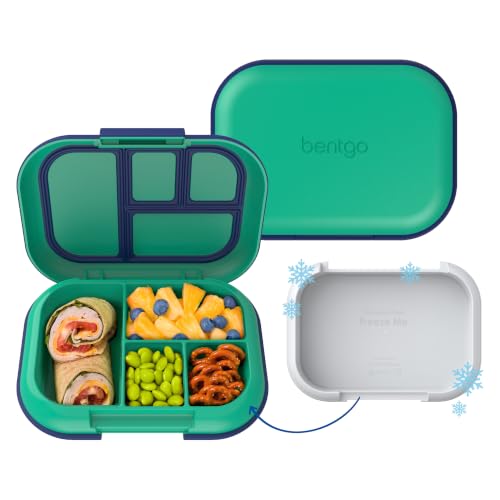
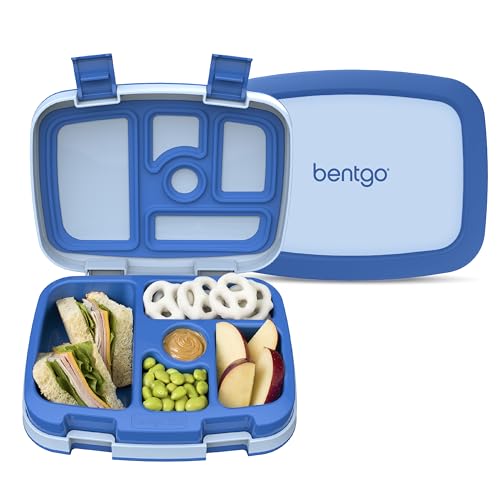


Bentgo vs Yumbox at a Glance
Start with the shape of your household rather than the shape of the box. A home packing lunches for one adult needs something different from a home packing for three children with different appetites. The table below gives you the short version, and the sections after it explain what each row means in daily use.
| Criterion | Bentgo | Yumbox | Edge |
| Layout style | Removable tray with open compartments | Single molded tray with set sections | Depends on your packing style |
| Seal approach | Lid and latches press the tray closed | Silicone lined lid seals each section | Yumbox for wet foods |
| Size range | Many sizes for kids and adults | Compact sizes aimed mostly at children | Bentgo for mixed ages |
| Cleaning | Tray lifts out and washes on its own | Tray and box wash as one piece | Bentgo for quick rinsing |
| Typical cost | Often a little lower per box | Often a little higher per box | Bentgo on price alone |
Neither column wins every row. The better box is the one your household will wash, fill, and carry five days a week without a fight.
Meet the Contenders: Bentgo and Yumbox
Bentgo overview
Bentgo built its name on bento style lunch boxes for both children and adults, and the range is broad. You will find small boxes for a preschool snack, larger boxes with room for a sandwich and sides, and versions with an ice pack built into the base. Most designs use a removable inner tray that sits inside a sturdy outer shell, closed with latches on the sides. That two piece build is the heart of the brand. It makes the tray easy to lift out at the sink, and it lets one shell work with the tray washed the night before.
Yumbox overview
Yumbox takes a narrower and more focused approach. Its best known boxes use one molded tray with sections already shaped for a main food, vegetables, fruit, grains, and a small round well for a dip or treat. Many trays carry simple pictures that show children where each food goes, which turns packing into a quick visual routine. The lid carries a silicone lining that presses against the tray walls when the box closes, and a single latch does the fastening. The boxes tend to be compact, with child sized portions at the center of the design. Homes that want packing to feel guided, almost automatic, tend to like this structure.
Head to Head: Where They Really Differ
Seal and Freshness
The clearest difference between bentgo and yumbox sits in the lid. Yumbox lines its lid with silicone that meets the top edge of every section, so yogurt, dressing, and cut fruit stay in their own section far better when the box tips in a backpack. Bentgo relies on its lid and latches pressing the tray closed as one unit, which works well for dry and firm foods but gives runny foods more room to wander. If your child regularly carries hummus, salsa, or melon, the Yumbox seal earns its keep. If lunches are mostly sandwiches, crackers, cheese, and whole fruit, the Bentgo closure is usually enough, and freshness then depends more on packing the box cold in the morning.
Materials
Both brands build their boxes from food grade plastic chosen to be light enough for a child to carry and tough enough for daily drops on tile floors. Bentgo shells often feel a touch thicker and more rigid, which helps when an adult sized box rides in a work bag with a laptop. Yumbox trays feel dense and smooth, with rounded inner corners that release sticky foods cleanly. Both brands state that their lunch boxes are made without BPA, and you should still check the product page for the exact model you choose, since materials can vary across a product line. Neither box is meant for the oven or for reheating food, so plan on moving hot food into a different dish at home.
Capacity and Fit
Capacity is where family size decides the winner. Bentgo offers the wider spread, from small snack boxes up to large boxes that hold an adult lunch with a full sandwich, salad, and sides. That range helps when siblings are years apart, since you can size each box to each appetite and still keep one packing system. Yumbox portions run smaller and more structured, which suits younger children and light eaters, but a hungry ten year old may outgrow the sections quickly. Also measure your lunch bag before you buy. A box that fits your bag with room for a drink and an ice pack saves daily squeezing, and if your child carries a larger insulated bag on field trip days, our notes on the yeti daytrip lunch bag review show how much room that style of bag gives you. For hot soup days, neither bento is the right vessel, so many families pair the box with a small flask such as the one covered in our thermos funtainer review and pack the two side by side.
Cleaning
Cleaning decides whether a lunch box survives the school year or ends up buried in a cupboard. With Bentgo, the inner tray lifts out, so the part that touched food goes straight into the dishwasher or the sink while the shell often needs only a quick wipe. With Yumbox, the tray is the box, so the whole piece gets washed each time, and the silicone lining in the lid deserves a careful rinse so soap and moisture do not linger along the edges. Makers of both brands generally recommend hand washing the outer lids and shells to protect latches and seals, even when trays are listed as dishwasher safe on the top rack. In practice, the home with a dishwasher running every night tends to prefer the removable tray, while the home that hand washes a few items at once rarely minds washing one solid piece.
Price and Value
Across both lines, most boxes for children land at about $30 to $60, with larger adult sizes sometimes a little above that range. Bentgo usually gives you the lower entry price and runs frequent multi pack offers, which helps when you need a spare box for each child plus one in the wash rotation. Yumbox usually costs a bit more for a similar footprint, and you are paying for the molded tray and sealing lid rather than for extra space. Value, though, is not only the sticker. A box that gets used daily for two school years costs less per lunch than a cheaper box abandoned by October because washing it felt like a chore. Count the real cost per packed lunch, including a replacement when a latch finally wears out, and the gap between the brands often shrinks.
Our Recommendation for Your Home
There is no single winner for every kitchen. Match the box to the person who will eat from it and the person who will wash it. Those two people, often not the same, decide which design lasts in your home.
Pick Bentgo if…
Choose Bentgo if your household packs for more than one age group, or if appetites in your home are growing fast. The wider size range means one brand can cover a preschooler and a parent heading to work. Choose it as well if you like a removable tray you can prep the night before, chill in the fridge, and drop into the shell in the morning. Families that rotate two boxes per child, so one is always clean, also tend to get better value from Bentgo pricing. If your lunches lean dry and hearty rather than saucy, its closure will not hold you back.
Pick Yumbox if…
Choose Yumbox if your main packer is a younger child and you want the box itself to teach balanced portions. The pictured sections make it easy for kids to help pack, and the sealed sections handle dips, yogurt, and juicy fruit with less mess in the bag. Choose it as well if counter and cupboard space is tight, since the compact boxes stack neatly and ask for no loose trays. Homes that pack one careful lunch each morning, rather than a production line of three, usually enjoy the routine this design creates. If wet foods appear on your menu most days, this is the safer daily bet.
Not Sold on Either? One More Option
Sometimes the real problem is not the box but the format. If your household needs several different containers for different days, or you want one guide that compares bento boxes with jars, bags, and insulated carriers side by side, start with our roundup of the best lunch box options and work out which format fits your routine first. Temperature control can also change the answer. Foods that must stay cold for a long field day may travel better in a bag that freezes as a unit, like the one in our packit freezable lunch bag review, with a simple bento inside it.
Your Questions, Answered
Which lasts longer, Bentgo or Yumbox?
Both can last several school years, and the weak point is rarely the tray. Latches and hinges wear first, especially when children pry them open with wet or sandy hands at recess. You can stretch the life of either brand by opening latches with dry hands, storing the box with the lid ajar so the seal keeps its shape, and keeping a low cost spare for camp weeks and beach days, when loss and rough treatment are most likely.
Which is easier to clean, Bentgo or Yumbox?
For a quick weeknight rinse, Bentgo has the edge, because only the tray usually needs a full wash. Yumbox asks for one extra habit: once a week, run a soft cloth along the silicone lining in the lid and let the box air dry fully before closing it. That small step stops the stale smell that closed, damp boxes develop, and it keeps the seal doing its job through the whole year.
What is the main difference between Bentgo and Yumbox?
Beyond layout, the main difference is who the design trusts. Bentgo trusts you to decide portions, so its compartments stay open and flexible. Yumbox trusts the tray, so its sections decide portions for you in advance. A useful test is to watch your child eat for a week. If the same food always comes home untouched while another vanishes, fixed sections may fight your child, and flexible space will serve your home better.
Is Bentgo better than Yumbox for adults?
For most adults, yes, simply because the larger Bentgo sizes hold a full meal without crowding, and adult versions add features like removable dividers and built in utensils on some models. Yumbox can still suit an adult who eats light, snack style lunches at a desk. If your work lunch is your main meal of the day, though, portion room matters more than sealed sections, and you will likely feel the limits of a compact tray within the first week.
The Bottom Line
So, bentgo or yumbox? Let your household answer. If you pack for several ages, want trays you can prep ahead, and prefer a lower cost per box, Bentgo fits the way your kitchen already runs. If you pack for a younger child, serve dips and juicy foods often, and want portions guided for you, Yumbox earns its place on the shelf. Look back at the product table above before you order, check that the size suits the lunch bag you own, and pick the bentgo vs yumbox option your family will still be happily washing next semester.


