
Bentgo vs Planetbox: Which One Fits Your Home Better? (2026)
Disclosure: We may earn a commission when you buy through links on this page, at no extra cost to you. As an Amazon Associate I earn from qualifying purchases. Learn more

Bentgo vs Planetbox: see how they differ in everyday use, features and value, and which one makes more sense for your home and budget.
Picture a weekday morning in a busy kitchen. Backpacks sit by the door, a parent is slicing fruit, and two children want completely different lunches packed in the next ten minutes. The box you reach for every day shapes how smooth that routine feels, and that is exactly where bentgo vs planetbox becomes a practical home decision rather than a brand debate. One leans on sealed plastic compartments, the other on a sturdy steel tray, and each suits a different household rhythm.
This guide compares the two around what matters at home: how much food they hold, how they fit in your kitchen storage and your bags, how much washing they create, and what they cost to own over time. Use the comparison table below for the quick picture, then read on for the detail behind each row. If you are still weighing other shapes and styles, our guide to the best lunch box covers the wider field in one place.
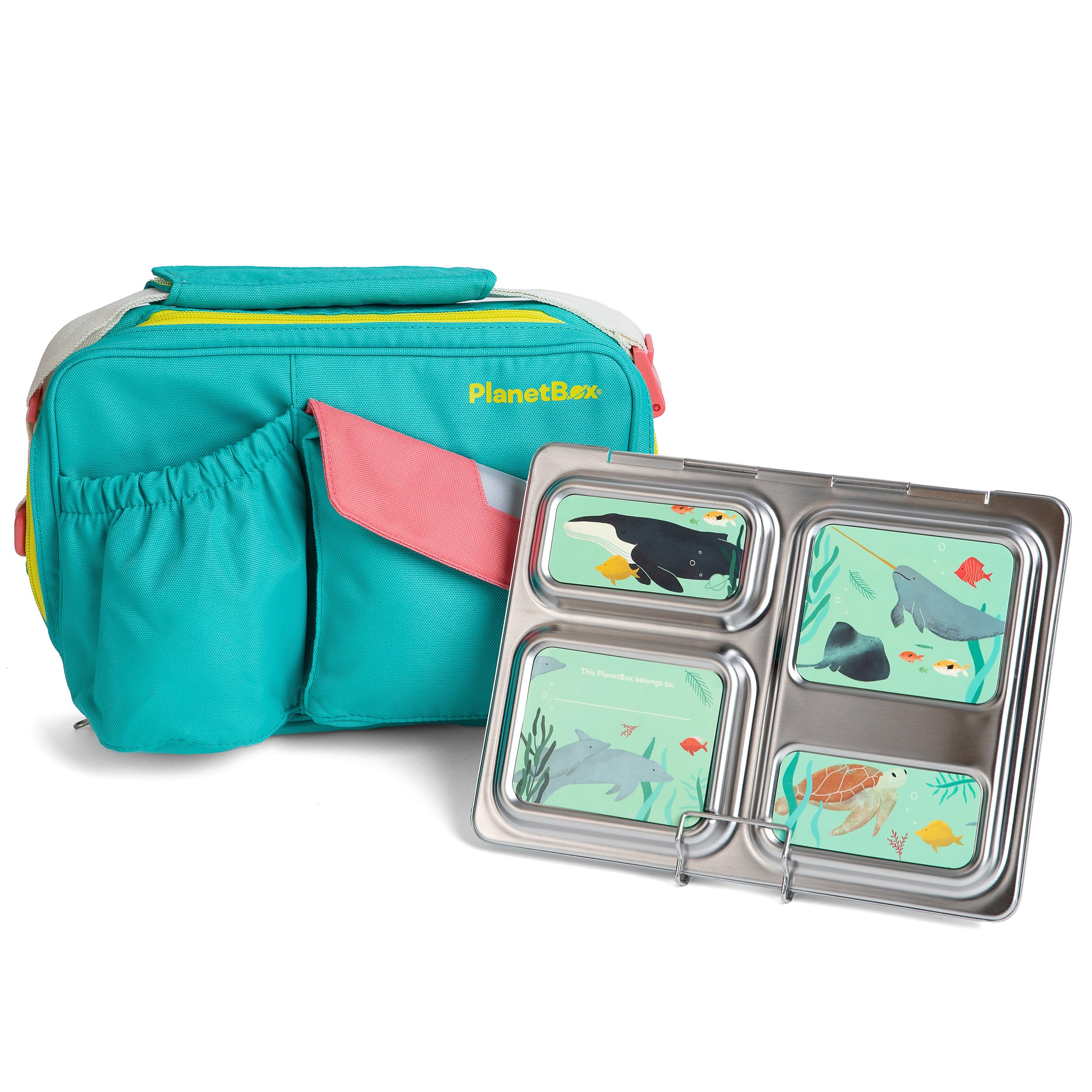
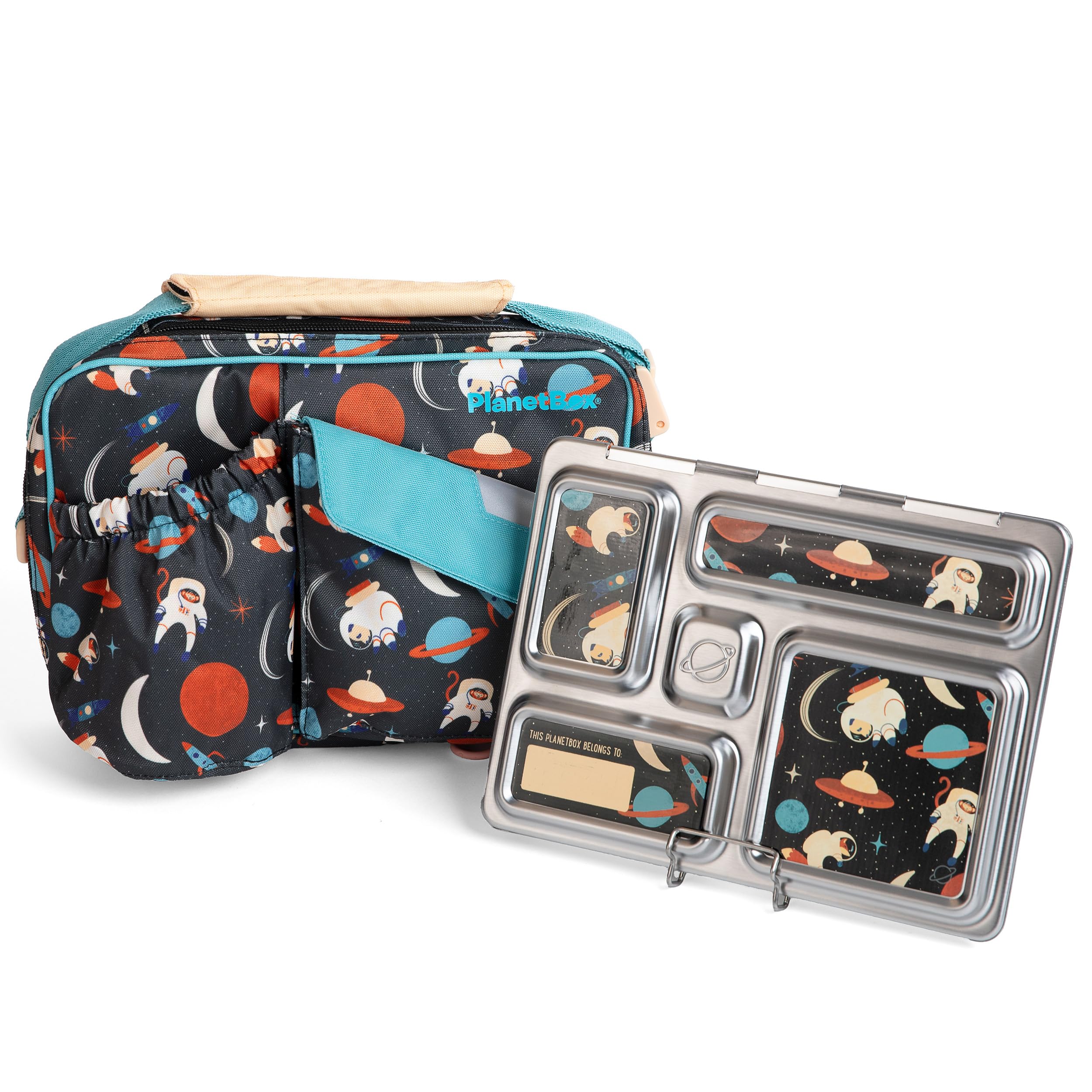


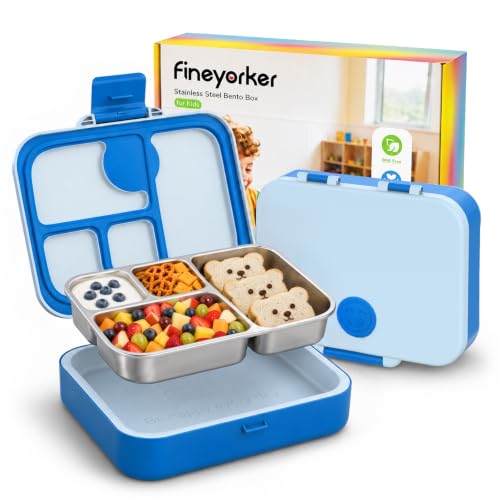
Bentgo vs Planetbox at a Glance
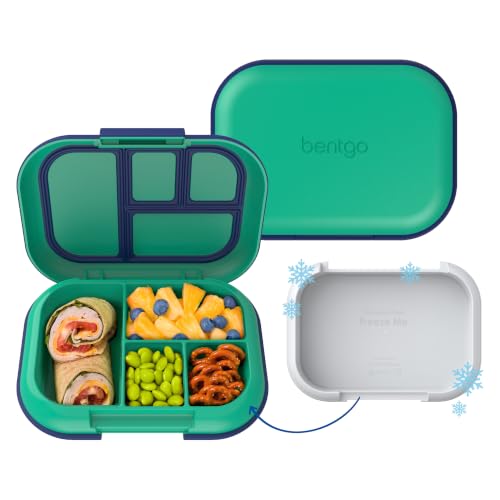
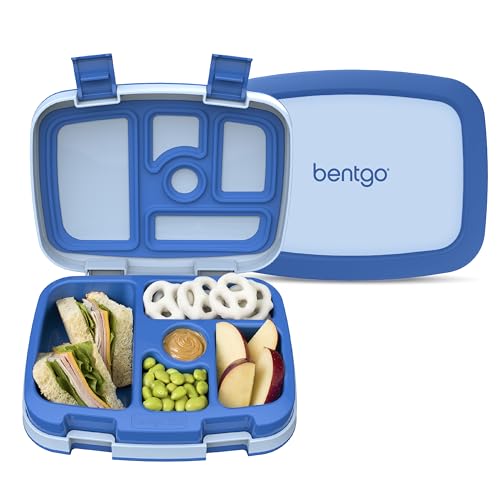
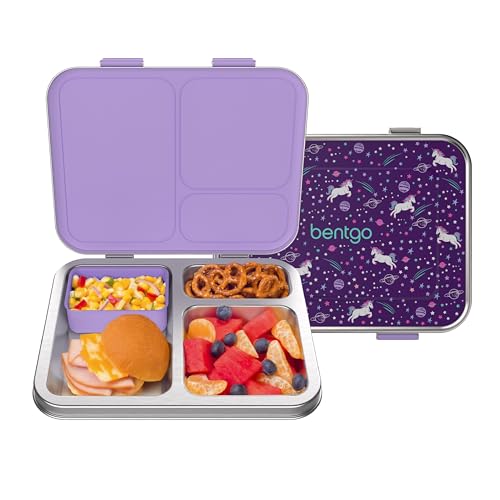
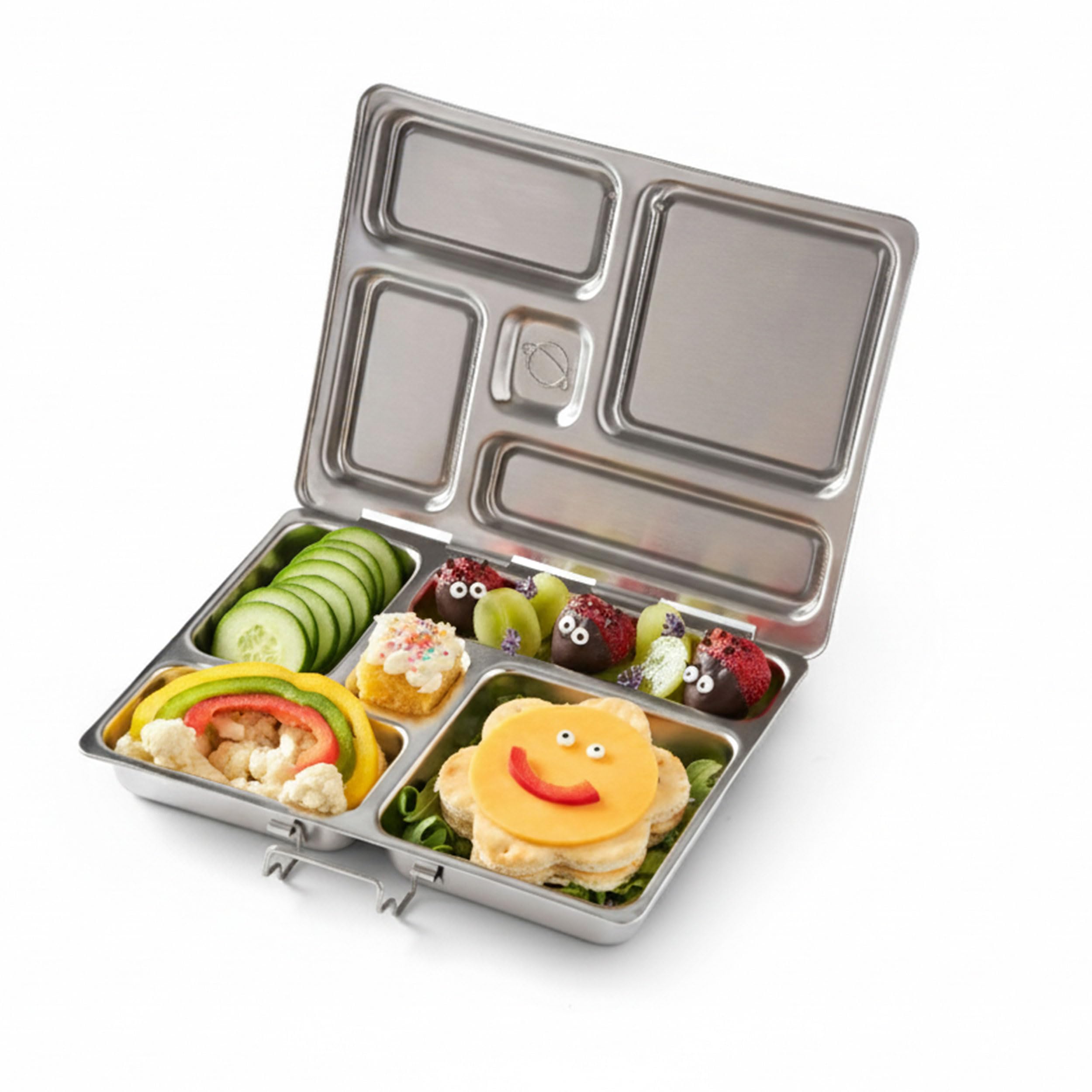
The short version is simple. Bentgo boxes are light plastic trays with several sealed sections and a lid that closes over each section. Planetbox boxes are stainless steel trays with open sections, a flat steel lid, and a separate carry setup for anyone who wants insulation or room for extras. Neither approach is wrong, but they ask different things of your kitchen and your routine.
| Criterion | Bentgo | Planetbox | Edge |
| Main material | Hard plastic with silicone seal | Stainless steel tray and lid | Depends on preference |
| Sauce control | Sealed sections guard each food | Open sections, separate dip pots | Bentgo |
| Weight in a bag | Light | Noticeably heavier | Bentgo |
| Expected service life | Years of school use | Built for a very long service life | Planetbox |
| Washing routine | Several parts, care with seals | One tray and one lid | Planetbox |
| Starting cost | Lower | Higher | Bentgo |
Read the table as a starting point, not a verdict. A family that packs yogurt and dips daily will weight the seal row heavily, while a family tired of replacing worn plastic will care more about service life and washing.
Meet the Contenders: Bentgo and Planetbox
Bentgo overview
Bentgo built its name on compartment lunch boxes for children, and the idea is portion control without a pile of separate tubs. A typical box has one tray divided into sections sized for a main food plus smaller sides, and a lid with a silicone seal that presses down over the tray. Latches on the sides close the box, and many versions add a removable inner tray to make serving and washing simpler. The whole box is light, colorful, and sized for small hands and school bags.
Planetbox overview
Planetbox takes the opposite route, with a shallow stainless steel tray divided into open sections and a flat steel lid that sits on top. There is no seal around each section, and the brand instead offers small separate pots with lids for dips and wet foods. The tray comes in sizes for young children through to teens and adults, and many owners pair it with a fabric carry bag that adds insulation and pockets. The feel is closer to a cafeteria tray that happens to travel well.
Head to Head: Where They Really Differ
Seal and Freshness
The seal is the biggest everyday difference between the two designs. On a Bentgo box, the silicone rim in the lid presses against the dividers, so crackers stay crisp next to cucumber and a serving of yogurt stays in its own section during the ride to school. That matters in homes where lunch is packed the night before, because dry foods keep their texture for longer. Planetbox sections are open at the top, so foods can touch and juices can wander when the box tilts in a bag. Dry lunches travel fine, but wet items belong in the separate lidded pots, which is one more thing to wash and one more thing a child can misplace.
Materials
Bentgo boxes use hard food grade plastic, which keeps weight down and allows bright colors that help a child spot their own box in a crowded classroom bin. Plastic does pick up scratches and stains over time, and tomato based foods and curry can leave marks that washing will not fully lift. Planetbox uses stainless steel for both tray and lid, a material that shrugs off stains and odors and does not hold flavors from last week. Steel can dent if it lands hard on concrete, and it cannot go in a microwave, which matters for households that like to send warm leftovers. Plastic Bentgo trays share that microwave limit in most cases too, so check the care notes for the exact box you own before heating anything.
Capacity and Fit
Think about who eats from the box and where the box has to fit. Bentgo portion sections suit younger children well, because the dividers quietly cap serving sizes and stop a whole lunch turning into one giant pile of pasta. Older children and adults with bigger appetites can outgrow the sections, and a large sandwich may need cutting to fit. Planetbox trays are broader and shallower, so a full sandwich, a whole piece of fruit, and sides sit side by side without stacking. That footprint needs a wider bag, though, and the steel adds weight that a small child will feel on a long walk to school. Measure your lunch bag before you buy, and picture the packed weight, not just the empty box.
Cleaning
Evening washing is where many families form their strongest opinion. A Planetbox tray and lid present two flat steel pieces with no seals, hinges, or hidden corners, so they rinse fast and can go straight in the dishwasher. A Bentgo box asks a little more of you each night. The seal in the lid traps crumbs and moisture if you leave it, the latches give food a place to hide, and some parts wash best by hand to protect the seal. None of this is hard work, but across five school nights a week the simpler wash adds up, especially in homes packing for two or three children at once.
Price and Value
The price gap is wide. Bentgo boxes generally cost about $30 to $60, so buying one for each child, plus a spare for the day one gets left at school, stays within reach for most families. Planetbox kits generally cost about $50 to $90, and the biggest sets cost far more. Value depends on how long the box stays in service. A steel tray that serves one child for years and then passes to a sibling can cost less per school year than cheaper boxes replaced as seals wear and latches loosen. A plastic box makes more sense when tastes, appetites, and school rules change fast and you expect to size up soon anyway.
Our Recommendation for Your Home
Pick Bentgo if
- Your child is in preschool or the early school years and needs light gear they can open alone.
- You pack dips, yogurt, or juicy fruit most days and need each section guarded.
- Your budget covers several boxes at once, or you want a spare for busy weeks.
- Counter and cupboard space is tight, since the boxes stack neatly and weigh little.
Pick Planetbox if
- You want one tray that can serve an older child now and still suit a teen later.
- Fast washing matters more to your household than sealed sections.
- You prefer to move your family away from plastic food contact surfaces.
- You pack mostly dry foods, or you are happy using small pots for anything wet.
Households with children at very different ages sometimes land on both, using sealed plastic for the youngest and steel for the oldest. That mix is fine. The better question behind bentgo or planetbox is which daily friction you would rather remove, runny lunches or evening washing.
Not Sold on Either? One More Option
Some lunches do not suit a flat tray at all. If your child carries soup, stew, or hot pasta, a sealed food jar keeps heat in and liquid contained far better than either box here, and the thermos funtainer review walks through that option in detail. If the meal itself stays cold but the walk to school is long, an insulated bag does the heavy lifting instead. The yeti daytrip lunch bag review covers a rugged bag built for full workdays, while the packit freezable lunch bag review looks at a bag you chill in the freezer so the walls themselves keep food cold. Any of these can also carry the box you choose above.
Your Questions, Answered
Which lasts longer, Bentgo or Planetbox?
A steel Planetbox tray usually outlasts a plastic Bentgo box, because steel has no seals to perish, no latches to snap, and no surface that stains or warps in hot water. A Bentgo box can still serve for years when the seal gets washed and dried with care, but its working life is tied to those softer parts. If you buy for a first child hoping a sibling will inherit the box later, steel is the safer bet.
Which is easier for a young child to open, Bentgo or Planetbox?
Most young children manage both, but in different ways. Bentgo latches need a firm push with two thumbs, which some preschoolers find stiff during the first weeks of use. Planetbox lids lift off with no seal to break, so opening takes less force, though the flat lid can slide in a bag if the carry bag is loose. Practice at the kitchen table before the first school day, whichever box you choose.
What is the main difference between Bentgo and Planetbox?
The main difference is how each box handles food separation. Bentgo seals each section under one lid, so foods stay apart and stay put, while Planetbox leaves its steel sections open and relies on separate pots for anything wet. Almost every other contrast flows from that choice: weight, washing, price, and how long the box lasts. Decide how your family feels about dips and juicy foods, and the rest of the decision gets much easier.
Can Bentgo and Planetbox boxes keep food cold until lunch?
Neither box insulates on its own, so food packed at breakfast will drift toward room temperature by midday. A slim ice pack inside an insulated carry bag solves this for both designs, and packing the box the night before and storing it in the fridge helps too. Perishable foods such as deli meat, eggs, and yogurt should not sit warm for hours, so if your child has a late lunch sitting, the bag and ice pack matter more than the brand of box.
Is Bentgo better than Planetbox for a family on a budget?
For the first school year, yes, Bentgo is usually the gentler purchase, and its lower price lets you buy a spare for the inevitable lost box week. The planetbox vs bentgo value picture flips only when a steel tray stays in daily use for many years, spreading its higher price across far more lunches. If money is tight right now and appetites are still changing, start with plastic and revisit steel when your child settles into a stable lunch routine.
The Bottom Line
There is no single winner in bentgo vs planetbox, only a better match for your kitchen, your children, and your evenings. Choose Bentgo for sealed sections, low weight, and a friendly price while children are small. Choose Planetbox for a steel tray that washes in moments and can serve for years as appetites grow. Look back at the product table above, picture tomorrow morning in your kitchen, and pick the box that makes that morning calmer.


