
Bentgo Pop Review: Honest Pros, Cons & Who It's For (2026)
Disclosure: We may earn a commission when you buy through links on this page, at no extra cost to you. As an Amazon Associate I earn from qualifying purchases. Learn more
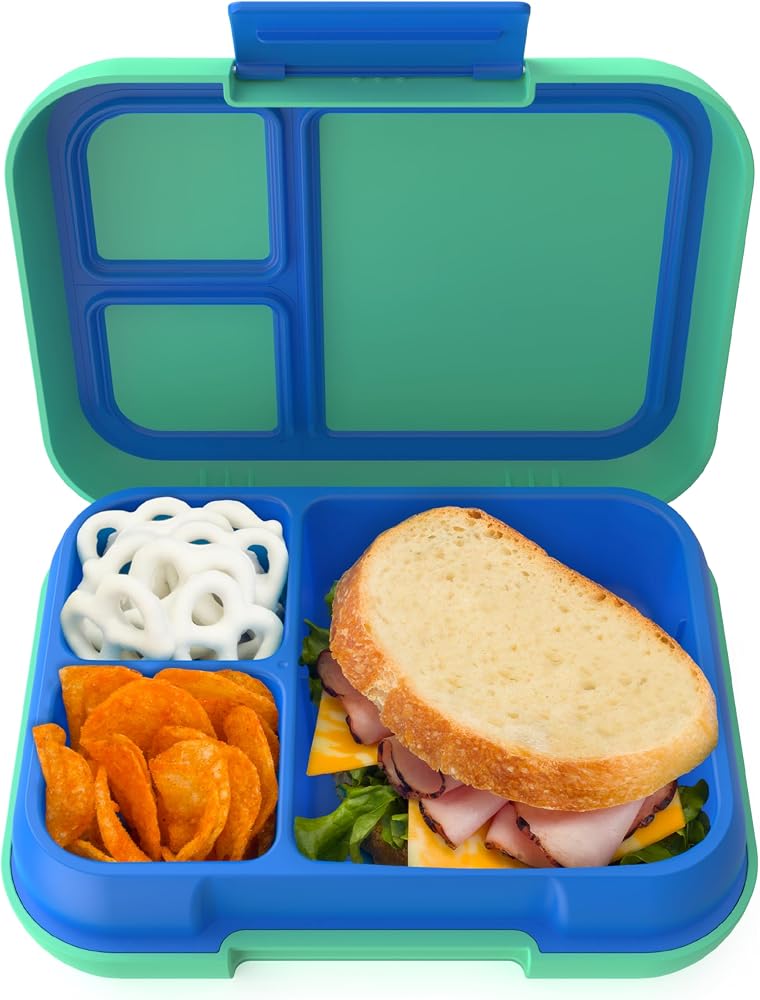
Thinking about the Bentgo Pop? Our honest Bentgo Pop review covers everyday pros and cons, who it suits, and smarter alternatives if it's not a fit.
A compartment lunch box sounds simple until your bag, your appetite, and your washing routine all have a say. This bentgo pop review looks at the Bentgo Pop through a home lens, with attention to household size, kitchen storage, and the full cost of owning it over time.
The Pop is a larger bento style box aimed at older kids, teens, and adults who pack a full lunch plus snacks. The comparison table below sums up the headline facts, and the sections that follow explain what they mean for your home and your commute.


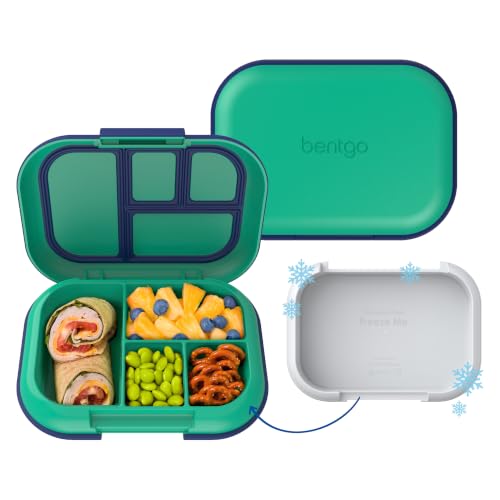


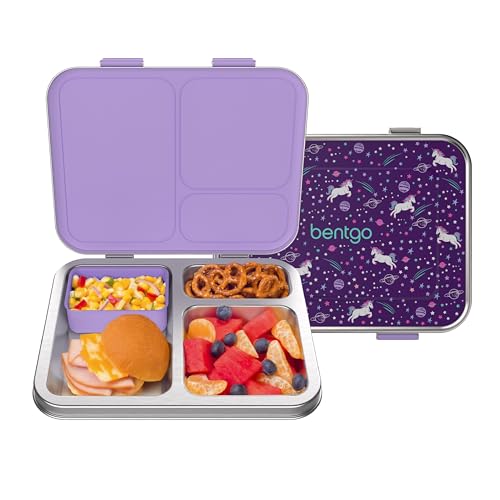

Quick Verdict
The Bentgo Pop suits households that pack lunch at home most days and want food kept apart without a pile of separate tubs and lids. It works best for one person with a steady appetite, a bag with room for a wide flat box, and a routine that includes hand washing or top rack dishwasher space. Skip it if you rely on soup or thin sauces every day, if your bag is narrow, or if you need a box that goes straight from freezer to microwave each morning.
Bentgo Pop: Key Specs
The listing describes the Pop as a leak proof, 3 to 4 compartment bento style box. Before you buy, check the listing for the figures that decide fit. Look at the outer length, width, and depth, because those numbers decide whether the box slides into your lunch bag and your drawer. Note the total capacity and how it splits across compartments, since one large section plus smaller sections suits a sandwich and sides better than several equal boxes. Confirm the shell and tray materials, the closure style, the care instructions for each part, and the warranty length.
First Impressions and Build
The Pop has the bold color and chunky shape the Bentgo name is known for, in a size that reads as grown up rather than made for small children. The outer shell feels firm in the hand, with softer material around the edges that helps the box cope with knocks in a school bag or work tote. Latches sit at the sides and press shut with a clear click, so you can tell at a glance whether the lid is closed.
Inside, a removable tray divides the space into sections of different sizes. A main dish sits in the largest section while fruit, crackers, or a small treat stay apart in the smaller ones. The tray lifts out for washing and for serving at a desk. The lid carries a seal that presses against the tray rim when closed, and that contact keeps thicker foods from wandering between sections during the trip.
How It Performs in Everyday Home Use
Seal and Freshness
The seal on this style of box guards each compartment against the next one, so a juicy orange segment stays away from a sandwich crust. It handles thick items like hummus, yogurt with fruit folded in, and pasta salad with little fuss. Thin liquids are a different matter. The listing describes the box as leak proof for everyday foods, but soup and runny dressing are still safest in a small sealed pot of their own, with the box kept flat in transit.
Materials
The shell and tray use sturdy food contact plastic, and the softer edge material adds grip when hands are wet from washing up. Check the listing for the current material notes, including whether the parts are listed as BPA free, because makers update compounds over time. Plastic keeps the box light and shrugs off drops that would dent metal. The trade off is that strong colored foods like tomato sauce and turmeric can leave marks if the tray sits unwashed until evening.
Capacity and Fit
Capacity on paper tells only half the story. What matters is whether your usual lunch matches the section shapes. A sandwich cut in halves, a portion of rice, or rolled wraps fit the large section in most routines, while the small sections suit berries, nuts, cheese cubes, or a cookie. Tall food is the limit. A whole apple or a tall yogurt pot can stop the lid from closing, so flatter food packs best. Measure your lunch bag before ordering, since width is the figure most buyers get wrong.
Cleaning
Daily cleaning is quick when you rinse the tray soon after eating, because dried rice and sauce need soaking later. The tray and lid wash well with warm soapy water, and a soft brush helps around the seal where crumbs collect. Check the care notes for which parts can go in the dishwasher and on which rack, since heat can warp plastic over time. Let every part dry fully before you close the box, or trapped moisture can leave a stale smell.
Features You'll Actually Use
The removable divider earns its keep on days when the menu changes, since you can give a big salad more room or split the large section for two smaller items. The wide latches suit hands of many ages, from a teen in a hurry to an adult with stiff fingers on a cold morning. The flat lid stacks neatly with other boxes in a fridge or cabinet, which matters in a small kitchen. Bright colors also help each person in the house spot their own box at a glance.
Living With It: Setup, Cleaning and Upkeep
There is no real setup beyond a first wash and a quick check that the tray sits flat and the latches close evenly. Build a small routine around it and the box stays pleasant to use. Rinse at work or school if a sink is near, wash at home the same day, and dry the parts apart on a rack overnight. Once a week, run a brush along the seal and check the hinges for crumbs. Store the box closed only when fully dry.
What We Like and What We Don't About the Bentgo Pop
On the plus side, the compartment layout cuts packing time and cuts down on single use wrap, small tubs, and lost lids. The box feels solid, the latches give clear feedback, and the tray lifts out for easy serving and washing. On the down side, the wide shape will not fit every bag, tall food stops the lid from closing, thin liquids are off the menu, and the seal area needs regular attention to stay fresh. Hand washing the lid, where the maker asks for it, adds a step some families will resent.
Is the Bentgo Pop Right for Your Household?
It fits a home where one teen or adult packs lunch four or five days a week and eats food that travels in sections, like wraps, grain bowls, sushi, or leftovers with dry sides. It also suits a parent packing for an older child who has outgrown small boxes but still likes food kept apart. It is a weaker fit for soup lovers, for toddlers who need tiny portions and total leak control, and for anyone whose bag is too narrow for a wide flat box.
How the Bentgo Pop Compares
The closest rivals fall into three groups. Plain single compartment tubs cost less and hold tall or wet food better, but they mix flavors and need extra pots for sides. Metal bento boxes feel tougher and resist stains, yet they weigh more and cannot go in a microwave. Insulated bags with separate pots suit long commutes, and our guide to the best lunch box sets out that wider field. If a soft bag appeals more, the yeti daytrip lunch bag review covers a sturdy insulated option, while the packit freezable lunch bag review looks at a bag you chill as a whole.
Price, Deals and Warranty
Expect to pay around $34 at most sellers, with color and season moving the figure up or down. School season sales often bring the price down, so waiting a few weeks can pay if you are not in a rush. Read the warranty terms on the listing before you order. Cover for latches and hinges matters more than cover for scratches, and keep your order record so a claim is simple if a latch fails early.
Common Buying Mistakes to Avoid
- Guessing the size instead of measuring your lunch bag, which leads to a box that only fits at an angle and spills more often.
- Packing soup or thin sauce in a compartment box, which leads to leaks even when the lid feels tight at home.
- Buying for a small child without checking appetite and hand strength, which leads to food left uneaten and latches left half closed.
- Ignoring care instructions for the lid and seal, which leads to warping, smells, and a shorter working life for the box.
Cost of Ownership and Care
The box itself is the main cost, and there are no filters or refills to buy. Ownership costs come from small extras you may want, like a fitted lunch bag, a small sealed pot for dressings, or a spare box so one can dry while the other is in use. A replacement may be needed if a latch cracks after a hard drop onto concrete. With same day washing, full drying, and gentle handling of the hinges, a box like this should serve through many school terms.
Your Questions, Answered
How do you clean the Bentgo Pop?
Empty scraps into the bin, rinse the tray, then wash it in warm soapy water or on the rack the maker allows for that part. Wash the lid by hand if the care notes ask for that, paying attention to the seal where sauce can hide. A bottle brush reaches the corners of the small sections well. Dry the parts apart overnight, because closing a damp box is the fastest route to a musty smell that then moves into the next lunch.
What is a cheaper alternative to the Bentgo Pop?
A plain large tub with a snap lid plus two small pots costs less and handles wet food with fewer worries. The trade off is more pieces to wash and no neat sections, so packing takes longer and crackers can go soft next to fruit. Store brand bento boxes also cost less, but check latch design and care notes with extra care at lower prices, since weak hinges and lids that need hand washing only are common ways that makers save money.
How long does the Bentgo Pop last?
With daily use and gentle care, a sturdy plastic bento box often lasts a few school years before latches loosen or the seal stops pressing evenly. Life shortens fast if the box is dropped on hard floors often, washed on a hot cycle against care advice, or stored closed while damp. Watch for a lid that rocks, a latch that no longer clicks, or a seal that stays flat after washing. Those signs tell you the box is near the end of its useful life.
What are common Bentgo Pop problems?
Owners of this style of box most often report leaks from thin liquids, stains from tomato and curry, and lids that grow harder to close when food sits too tall. A stale smell after storage is another common gripe, and it almost always traces back to closing the box while the seal was still damp. Most of these problems come from a mismatch between the food packed and what a compartment box is built to do, rather than from a fault in one unit.
Is the Bentgo Pop worth it?
It is worth it if the sections match the lunches you already pack, your bag has room, and you will wash and dry it the same day. The value shows up in faster packing, less wrap and fewer tubs, and food that arrives looking like it did at home. It is not worth it if most of your lunches are soups, tall sandwiches, or food you reheat in the box itself. In that case your money works harder on a sealed pot set or an insulated bag.
The Bottom Line
Judged on home fit rather than hype, this bentgo pop review lands in a clear place. The Bentgo Pop is a roomy compartment box for teens and adults who pack dry and semi dry lunches, want less waste, and own a bag that fits its wide shape. Measure first, respect the limits on liquids and tall food, and keep up the simple wash and dry routine. Do that, and the product table above should confirm whether this is the box your household will reach for each morning.


