Baratza Encore vs Fellow Opus: Which One Fits Your Home Better? (2026)
Disclosure: We may earn a commission when you buy through links on this page, at no extra cost to you. As an Amazon Associate I earn from qualifying purchases. Learn more

Baratza Encore vs Fellow Opus for home kitchens: hopper or single dose, grind range, counter space, upkeep and price.
Picture a weekday morning in a busy kitchen. One person wants a big pot of drip coffee for the household, another wants a single careful pour over, and counter space is already tight. That is exactly where the baratza encore vs fellow opus decision gets practical, because these two grinders suit different homes, routines, and numbers of coffee drinkers.
Both are electric conical burr grinders for home use, and both can produce grounds you will be happy with. They differ in workflow, footprint, grind range, and upkeep, and those differences matter more than any single spec. The comparison table below sums up the basics.


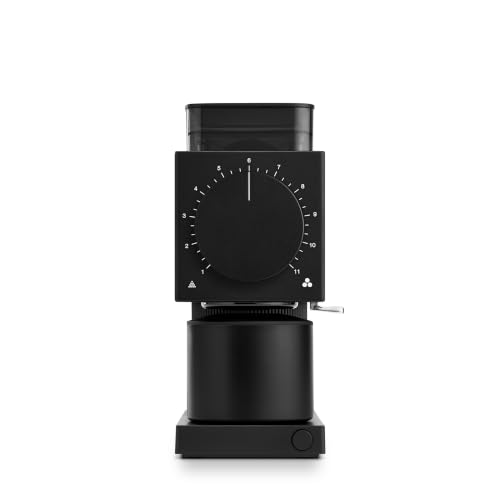

Baratza Encore vs Fellow Opus at a Glance
The Encore follows a classic batch approach. You store beans in a hopper, turn the hopper to set the grind, and grind straight into a bin. The Opus follows a single dose approach. You weigh or measure one portion of beans at a time, grind it, and tap the catch cup out onto your brewer.
| Criteria | Baratza Encore | Fellow Opus |
| Workflow | Hopper and grounds bin, built for batches | Single dose, built for one portion at a time |
| Settings | 40 numbered settings | Stepless, continuous adjustment |
| Best suited brew methods | Drip, pour over, French press, cold brew | Espresso through French press and cold brew |
| Size on the counter | Taller body, larger footprint | Shorter, slimmer, easier to tuck away |
| Typical street price | About $150 | About $200 |
Neither column wins on every row. A household grinding for four people each morning uses a grinder very differently from one person making a single cup before work, so keep your own routine in mind as you read on.
Meet the Contenders: Baratza Encore and Fellow Opus
Baratza Encore Overview
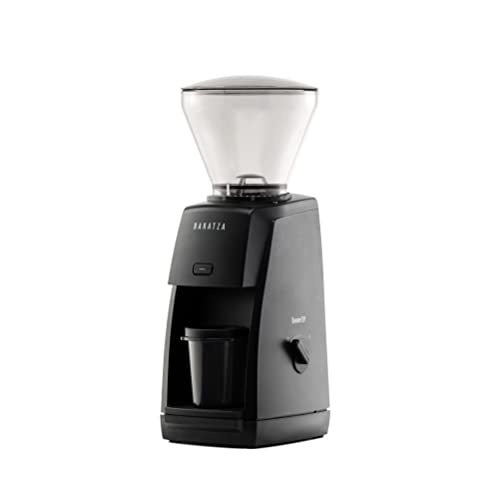
The Encore is the long running entry level grinder from Baratza, a company known for grinders that owners can service at home. It uses 40 mm conical steel burrs driven by a gear reduced motor, and the whole hopper rotates to move between its 40 settings. The grounds bin below holds enough for a full family sized pot. A switch on the side runs the motor, and a pulse button on the front grinds small amounts while you hold it. It is a plain, upright appliance that looks like kitchen equipment and works like it too.
Fellow Opus Overview
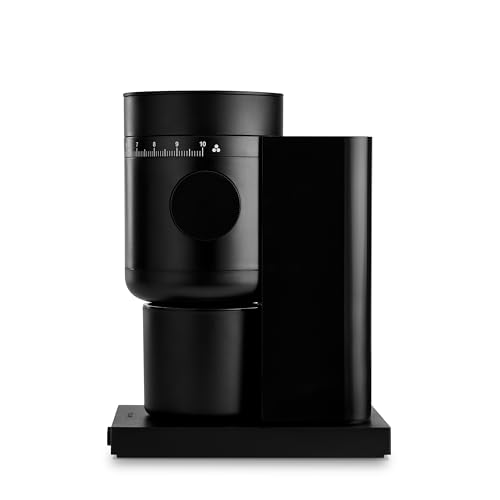
The Opus is the newer design from Fellow, a company known for kettles and brewers with a strong focus on looks. The current Opus 2 uses 48 mm conical burrs, and the body is shorter and slimmer than the Encore, a shape that blends into a calm, styled kitchen. Instead of a storage hopper it is built for single doses, with beans loaded just before grinding. Grounds fall into a magnetic catch cup (two cups come in the box, one sized for 54 mm and 58 mm portafilters), and anti static technology cuts down cling. One button starts grinding, and the motor stops on its own.
Head to Head: Where They Really Differ
Brew Quality and Grind Consistency
For drip, pour over, French press, and cold brew, both grinders produce an even enough grind for sweet, balanced cups, and most households would not taste a clear winner between them. The gap shows up at the fine end. Espresso needs very fine grounds and tiny adjustments to slow or speed a shot, and the Opus was designed with that range in mind. The Encore can grind fine on paper, but its steps are wide at that end of the dial, so dialing in espresso with it is frustrating. For filter coffee only, treat brew quality as a tie and decide on other factors.
Grind Range and Adjustment Steps
The Encore gives you 40 settings across a range that runs from fine to coarse enough for cold brew, and you move through them by turning the hopper until the marker meets your number. The Opus uses stepless adjustment, so it moves continuously instead of clicking between numbered settings, which gives the small steps espresso drinkers want. One related point needs clearing up. Grinders do not hold water, so the temperature stability that matters in a brewer does not apply here. Friction heat during a home sized grind is minimal with either model, and it will not change the taste of your cup.
If espresso is likely to join your routine later, that wider usable range is the strongest technical argument for the Opus. If you know espresso will stay at the cafe, the simpler Encore dial is easier to share, because anyone in the house can return it to a marked number for the morning pot. Readers who want espresso focus with a Baratza badge can also read our baratza encore esp review to see how the espresso tuned sibling differs.
Ease of Use in Daily Life
Daily effort depends on how your household drinks coffee. With the Encore, you fill the hopper every few days, set the dial once for your usual brewer, and grind with a switch, so a sleepy morning routine takes seconds and guests can manage it without instruction. With the Opus, each cup starts with measuring a dose, which adds a step but keeps beans sealed in your own container instead of sitting in a hopper. The auto stop and magnetic catch cup make that routine tidy once it becomes habit. Households with several drinkers and one standard brew method usually prefer the Encore flow. Single cup drinkers who switch methods often usually prefer the Opus flow.
Cleaning and Burr Care
Neither grinder needs descaling, because neither passes water through itself. Care means brushing out retained grounds and wiping oily residue from the burrs every few weeks, more often if you grind dark, oily beans. On the Encore, the hopper twists off and the upper burr lifts out by hand with no tools, so a full brush out takes a few minutes. On the Opus, the burr set is also reachable from the top, and its low retention design means fewer grounds clinging inside after each use. In both cases, a soft brush and a dry cloth do the job, and you should never wash burrs in water.
Build Quality, Size, and Living With the Grinder
The Encore body is mostly plastic over a metal drivetrain, and it feels utilitarian rather than precious. Its real strength is service life. Baratza sells replacement burrs, motors, and small parts for its grinders and publishes repair guides, so a worn part does not have to mean a new appliance. The Opus has a more finished, design led feel, and its compact shape suits small kitchens, apartments, and counters with low cabinets above them. Its design is newer and more integrated, so home repair is less of a theme. Think of it as a choice between a serviceable workhorse and a compact, design led appliance.
Price and Value for Your Household
The Encore typically sells for about $150, and the Opus for about $200, though prices move and you should check the product page before ordering. The extra money for the Opus buys the wider grind range, the smaller footprint, and the calmer countertop look. The Encore spends its lower price on capacity and simplicity, and its long parts support can stretch that value over many years of family use. Value also depends on waste. Single dosing with the Opus makes it easy to grind only what you need, while a hopper invites grinding a little extra without thinking.
Our Recommendation for Your Home
Pick Baratza Encore If Your Home Grinds in Batches
Choose the Encore if your household brews drip, French press, or cold brew for two or more people, and if one dial setting covers most of your week. Choose it if counter height is not a problem, if you like storing beans in the hopper, and if you value being able to replace a burr or a gear years from now instead of replacing the whole grinder. For a fuller look at long term ownership, our baratza encore review covers the details of living with this model.
Pick Fellow Opus If Your Home Grinds One Cup at a Time
Choose the Opus if you mostly brew for one or two people, switch between methods, or want espresso at home without buying a second grinder later. Choose it if your counter is small, if cabinets hang low over your worktop, or if a quiet looking matte appliance matters to the feel of your kitchen. Choose it, too, if you enjoy weighing beans for each cup, because that habit is built into its design.
Not Sold on Either? One More Option
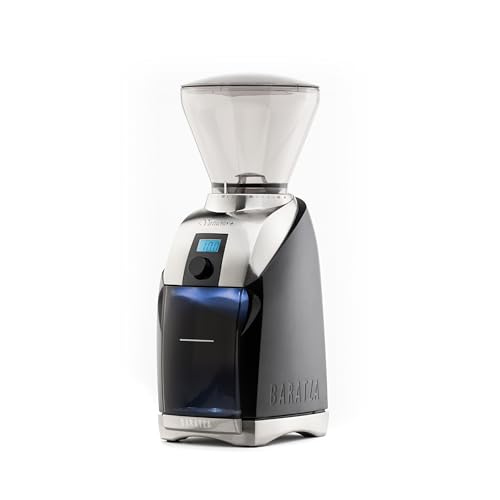
If neither workflow fits, start wider before you spend. Our guide to the best coffee grinder walks through the main types on the market, from manual burr grinders for travel and quiet mornings to larger models with built in scales and timed dosing. One different route is a grinder with a display and dose settings you program once, covered in our breville smart grinder pro review, which suits households that want batch convenience with more control than the Encore offers. Compare types first, then brands, and you will avoid paying for features your routine never touches.
Your Questions, Answered
Which grinder lasts longer, the Baratza Encore or the Fellow Opus?
On paper the Encore has the edge for long ownership, because Baratza stocks individual parts for it, from burrs to the motor, and many owners keep one running for a decade with a burr swap along the way. The Opus is solidly built, but it has been on the market for far less time, so its long record is still being written. Whichever you buy, grinding only coffee beans, never spices or grains, and keeping oily residue off the burrs does more for lifespan than the badge on the front.
Which is easier to clean, Baratza Encore or Fellow Opus?
For a quick daily tidy, the Opus asks less of you, because its low retention path and anti static design leave fewer grounds scattered in the cup area, so a tap and a wipe usually finish the job. For a deep clean, the Encore is simpler, since the upper burr lifts out by hand and every surface is easy to reach with a brush. A useful habit for either machine is to run a small handful of beans through after cleaning, which clears loosened dust before it reaches your next cup.
What is the main difference between Baratza Encore and Fellow Opus?
The main difference is workflow, not raw grind quality. The Encore stores beans in a hopper and grinds batches for a household that brews the same way most days. The Opus grinds one measured dose at a time for a drinker who changes methods often, and it adds a much wider usable range that reaches genuine espresso fineness. Nearly every other contrast in this article, from cleaning style to counter space to price, grows out of that single design choice, so deciding how you brew matters more than comparing spec sheets line by line.
Is Baratza Encore better than Fellow Opus for a family kitchen?
For a family kitchen, the Encore is usually the better fit, and the reason is social rather than technical. Anyone can walk up, flip a switch, and grind for the house pot without weighing beans or learning a button sequence, and the hopper means nobody has to find the bean bag at dawn. The Fellow Opus suits a family only when one person does most of the brewing and enjoys the measuring step. If relatives or older kids make their own coffee at your house, simple and shared beats precise and personal.
Final Thoughts
There is no universal winner here, only a better match for the way your home actually starts its day. Batch brewing households get simplicity, capacity, and long parts support from the Encore. Single cup drinkers get range, tidy dosing, and a smaller footprint from the Opus. Look back at the product table above, weigh your counter space and your number of drinkers, and the right choice of baratza encore vs fellow opus should feel clear. Prices and availability can change, so check the product page before ordering.