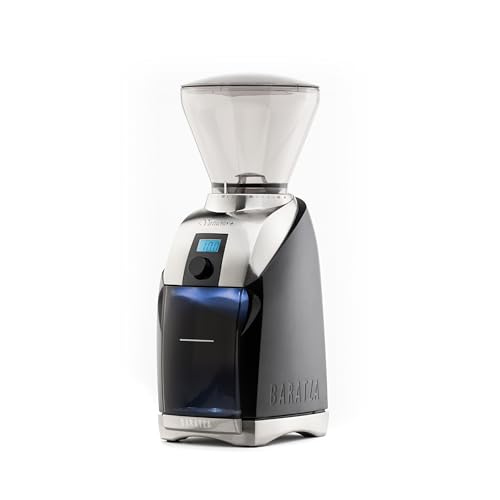
Best Breville Coffee Grinder: Settings, Hopper Size and Dosing (2026)
Disclosure: We may earn a commission when you buy through links on this page, at no extra cost to you. As an Amazon Associate I earn from qualifying purchases. Learn more
Best Breville coffee grinder guide to compact and full size models, grind range, hopper size and dosing style.
Picture a weekday morning in a busy kitchen. One person wants a strong espresso before work, another is filling a big drip pot for the household, and the counter is already crowded. The best breville coffee grinder for that home has to grind for more than one brew style, fit the space it is given, and stay simple enough that nobody dreads using it at 6 a.m.
This guide walks the Breville lineup the way a household actually shops. We sort the models by counter footprint, hopper size, grind settings, and day to day ease, then match each type to a household size and budget. Use the type overview below to see the main options side by side, then read on for the details that decide which one earns a spot on your counter.
Quick Answer: The Lineup in Three Types
Breville grinders fall into three rough groups. Compact models keep a small footprint and a short settings list, and they suit one or two coffee drinkers who brew the same way most days. Full size models add a larger hopper, a wider grind range, and timed dosing, and they suit households that switch between espresso and filter brewing. The most adjustable models add finer steps at the espresso end and removable parts for deep cleaning. If counter space is tight and you brew one style, the compact group is usually enough.
Before You Buy: A Quick Checklist for Choosing a Coffee Grinder
Which Type Fits Your Routine
Every Breville grinder is an electric burr grinder, and that matters more than any single feature. Burrs crush beans between two abrasive surfaces, which gives an even particle size and a cleaner cup than a spinning blade can manage. If you are still deciding between the two approaches, our burr vs blade coffee grinder guide explains the taste difference. Breville uses conical burrs across the lineup, so your real choice is not burr shape but size, settings, and dosing style. One routine question decides a lot: do you grind from a full hopper over a week, or weigh a small amount each morning? If you switch beans often, an airtight lid and easy hopper removal help.
Grind Range and Adjustment Steps
A grinder earns its keep at the extremes of its range. Espresso needs a fine, consistent grind and tiny adjustments, because a small change in particle size can turn a balanced shot sour or bitter. French press and cold brew need the opposite end, a coarse and even grind that will not turn the cup muddy. Count the settings, but also check how they are spaced. Many steps clustered near the espresso end help dialing in, while wide spacing there leaves you stuck between too fast and too slow.
Most Breville models adjust with a twisting collar or a side dial, and the better designs let you change settings while the hopper stays in place. If you brew espresso daily, look for a model that also allows a finer internal adjustment, since that extends the useful range as the burrs settle in. For more on burr geometry, see our conical vs flat burr grinder comparison.
Hopper Size and Household Volume
Hopper capacity is the quiet spec that decides how often you refill. A small hopper holding roughly half a pound suits a one or two person home that buys beans in small bags. A larger hopper holding a full pound or more suits a family that goes through a big bag each week. Bigger is not automatically better, though. Beans stale faster sitting in a hopper than in a sealed bag, so a slow drinking household should size the hopper to about a week of use and store the rest sealed in a cool cupboard.
Counter Footprint and Storage
Measure before you fall for a spec list. Many kitchens leave only about 18 inches of clearance under the cabinets, and a tall grinder needs extra room above the lid to lift it and pour beans in, which is a common surprise. Check the width against what already lives on the counter, and decide whether the grinder gets a permanent spot or travels back into a cupboard. A model that moves daily should be light enough to lift with one hand. If clearance is tight, a shorter model or an open counter section beats daily sliding.
Dosing Style and Portafilter Fit
Espresso households should check how the grinder hands grounds to the portafilter. Some models include a cradle that holds the portafilter under the chute, so grounds fall straight in with less mess. Different portafilter sizes need different cradle inserts, so confirm the model supports the size your machine uses, commonly 54 mm on Breville espresso machines. If you brew filter coffee instead, a grounds container with a lid matters more, because you can grind, seal, and carry it to the brewer without spills.
Dosing control comes in two flavors. Timed dosing runs the motor for a set number of seconds and repeats well once you dial it in, though the output weight drifts a little as the hopper empties. Manual dosing runs while you hold a button, which is flexible but harder to repeat, so households that value a repeatable routine usually prefer timed dosing. If espresso is your main brew, our guide to the best coffee grinder for espresso covers its extra demands.
Realistic Budget Ranges
Breville grinders sit in the middle of the home market. Around the lower end you get a compact body, a modest settings count, and manual dosing, which covers drip, pour over, and French press well. The middle adds timed dosing, a portafilter cradle, and more grind steps, and it is where most espresso households should shop. At the top you pay for finer adjustment and parts that come apart further for cleaning.
Budget for the grinder as one part of a setup. If you are building a counter from scratch, our roundup of the best coffee grinder options across brands shows what the same money buys elsewhere. Within Breville, spending more buys control and convenience, not a different kind of coffee.
Best Breville Coffee Grinder Lineup Explained: Which Model Is Which
Shoppers often ask how the models relate to each other, because the names sound similar. The simplest way to read the lineup is as a ladder. The entry rung is a compact grinder built for filter brewing and small kitchens, with a short list of settings and a small hopper. The middle rung is the all rounder, with a wide grind range, timed dosing, and a portafilter cradle, aimed at homes that brew espresso and filter coffee in the same week. The top rung adds finer espresso adjustment and easier deep cleaning.
The detailed breville smart grinder pro review on this site shows what the middle rung looks like in practice, including its settings count and dosing behavior. Use it as a reference point: if a model offers fewer settings and no timed dosing, it sits below that rung, and if it adds finer steps and more removable parts, it sits above.
One more distinction matters for shared homes. Some models grind louder than others, so check buyer feedback about noise if an early grind could wake a sleeping baby.
Common Buying Mistakes to Avoid
- Buying for espresso specs when you brew filter coffee. Fine adjustment steps add cost you will never use.
- Ignoring the height above the lid. A grinder that fits under a cabinet but cannot be refilled there gets dragged out daily, and most owners tire of that fast.
- Oversizing the hopper. A pound of beans in a big hopper goes stale in a slow drinking household, so match capacity to about a week of use.
- Forgetting the cost of extras. A cradle insert in your size, a knock box, and cleaning supplies add to the real price of the setup.
- Chasing the longest settings list. Many steps help only if they are spaced where you brew, so check the spacing at your end of the range.
Cost of Ownership and Care
Running a Breville grinder costs little in electricity, since the motor runs for seconds at a time. The real ownership costs are beans wasted while dialing in, occasional replacement parts, and cleaning supplies. Burrs dull slowly over years of home use, and a worn set shows up as uneven grounds and a muddy cup at settings that used to work. Replacing burrs or a cracked lid costs far less than a new grinder.
Weekly care is light. Empty the grounds container, brush loose grounds from the chute, and wipe the hopper lid so oils do not build up. Every month or so, take the upper burr out and brush the grinding chamber clean, since compacted grounds and oils go rancid. Our step by step guide on how to clean a coffee grinder walks through the full routine, including what not to wash.
Your Questions, Answered
Which Breville coffee grinder should I buy for a small kitchen?
Choose the compact end of the lineup and check two numbers before ordering: the height with the lid on, and the extra inches you need above it to pour beans in. A small footprint model with a modest hopper suits one or two drinkers, frees counter room for food prep, and still covers drip, pour over, and French press well. Skip larger models unless several people grind daily.
Is Breville a good coffee grinder brand for beginners?
Yes, mainly because the controls stay plain. Settings are numbered, dosing on mid range models repeats with a timer, and the parts that need cleaning come out without tools. A beginner can follow the printed grind chart for each brew style, get a decent cup on the first morning, then adjust one step at a time.
How long does a Breville coffee grinder last?
With home use and regular brushing out, expect many years of service, and the burrs are usually the first part to tire. A useful wear sign is needing steadily finer settings to hold the same espresso timing, which suggests the burr edges have dulled. Because burrs, hoppers, and lids are sold as spares, a tired grinder can often be refreshed for a fraction of a replacement. Grind only coffee beans, never spices or grains, to protect the motor.
Is a coffee grinder worth it if I buy ground coffee now?
For most households, yes, and the change shows up fastest in aroma. Ground coffee loses its brightest flavors within days of grinding, while whole beans hold them for weeks, so grinding minutes before brewing gives a fresher cup from the same bag. A grinder also lets one bag serve several brewers, since you can grind coarse for a weekend French press and fine for weekday espresso. Daily drinkers usually repay the cost within the first bags.
Can one Breville grinder handle both espresso and French press?
Yes, the mid range and top models cover both ends of the range, and that is exactly the household they are built for. The practical catch is switching back and forth: a little of the previous grind stays inside, so run a small amount of beans through after a big change to clear it. Many mixed households settle on one main style per bag, which keeps adjustment simple and avoids wasting coffee on purging.
Final Thoughts
The right choice comes down to fit. Match the hopper to a week of your household drinking, match the settings to the styles you brew, and measure the counter space before the box arrives. Do that, and the best breville coffee grinder for your home is the one whose size, dosing style, and adjustment range line up with your mornings. Check the type overview once more and pick the model you will happily use every day.