Baratza Encore ESP Review: Honest Pros, Cons & Who It's For (2026)
Disclosure: We may earn a commission when you buy through links on this page, at no extra cost to you. As an Amazon Associate I earn from qualifying purchases. Learn more
A home focused Baratza Encore ESP review covering dial range, noise, cleaning and who it suits, with honest pros and cons.
An espresso capable grinder asks more of your kitchen than a basic brew grinder does. It needs fine control at the espresso end of the dial, a footprint your counter can spare, and a routine your household can live with each morning. This baratza encore esp review looks at the Encore ESP through that home lens: space, noise, daily ease, and the cost of keeping it running well.
Below you will find the specs that matter, the strengths and trade offs of the design, and clear guidance on which households it suits. You can also compare it with the wider field in our guide to the best coffee grinder options for home use. Start with the comparison table below, then read on for the detail behind each point.




Baratza Encore ESP: Key Specs
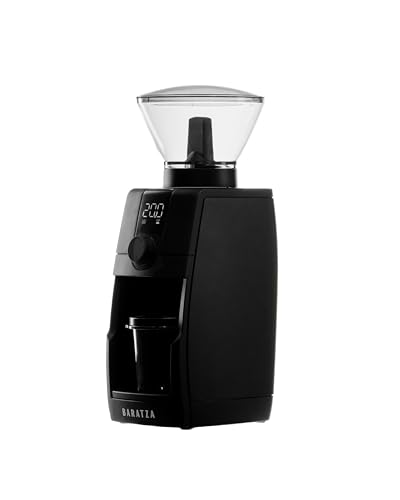
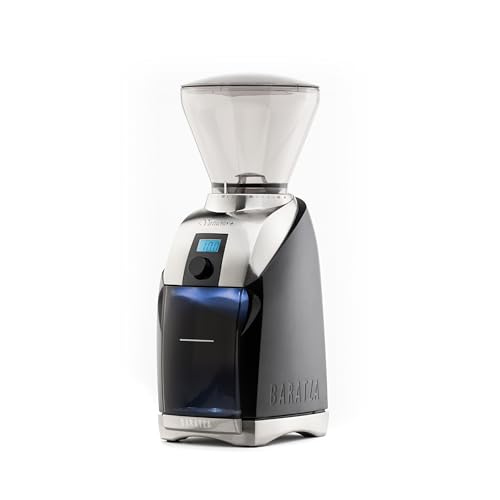
The Encore ESP is an electric conical burr grinder built for both espresso and brewed coffee. It offers 40 grind settings, with the first 20 given finer steps so small dial changes make a real difference at espresso fineness. A front pulse button and a side on and off switch control grinding.
The hopper feeds beans by the batch rather than by the dose, and a removable grounds bin catches output for pour over or drip brewing. If you are weighing it against the standard model, our baratza encore vs baratza encore esp comparison explains where the espresso focused changes sit.
First Impressions and Build
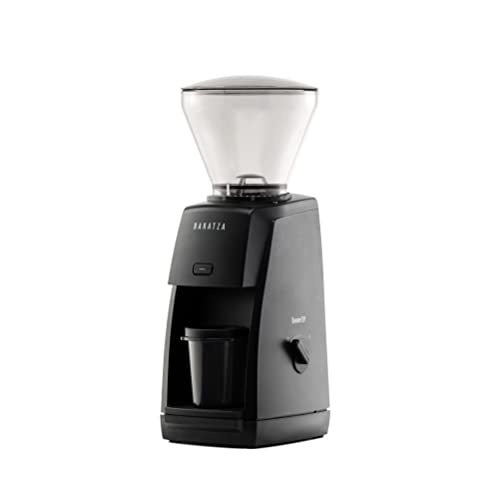
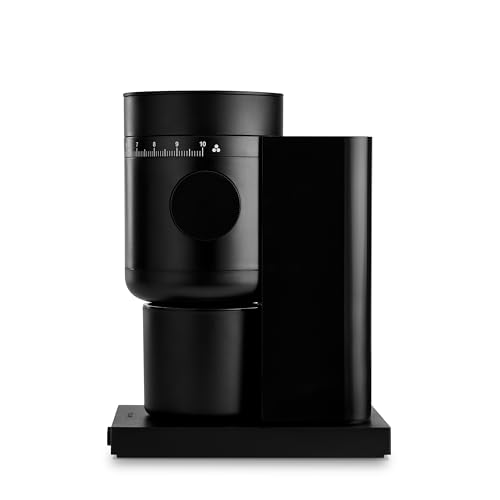
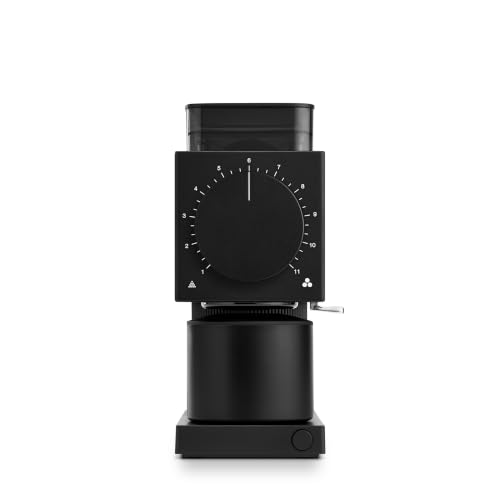
The shape is tall and narrow rather than wide, which helps on counters where depth is easier to spare than width. The body is mostly plastic with a metal look band near the base, so it feels light to move for cleaning but less solid than heavier steel bodied rivals. The hopper lid and grounds bin are simple parts with no fussy latches to learn.
Readers who know the original model from our baratza encore review will recognise the layout right away, since the ESP keeps the same general form and control style. The burr set can be removed without tools for cleaning, a design choice that matters more over years of ownership than small styling details do on day one.
How It Performs in Everyday Home Use
Grind Quality and Brew Results
For espresso, the finer steps at the low end of the dial let you slow a fast shot or open up a choked one with small moves instead of guesswork. Grounds are consistent enough for balanced shots with a standard home machine and basket. For filter methods the coarser settings give an even grind that brews clean cups without heavy sludge. Switching between the two ranges takes a few turns of the hopper, and the setting numbers are easy to read and return to.
Consistency From Day to Day
Repeatability is where a stepped dial earns its keep in a busy home. You can note the number that worked for a bag of beans and return to it after someone else grinds for a cafetiere. Results stay steadier when you grind a similar dose each time and keep the hopper at least partly filled, since a near empty hopper feeds beans less evenly.
Ease of Use
Daily operation is simple: fill the hopper, turn to a setting, and grind with the side switch or the front pulse button. The pulse button suits topping up a dose in short bursts, while the switch suits grinding a larger amount for a drip pot. There is no timer or weight based dosing, so most owners weigh beans or grounds on a small scale. That extra step is quick, but it is part of the routine you should expect.
Cleaning and Burr Care
Day to day upkeep is mostly about stale grounds. Empty the bin after use, brush loose grounds from the chute area, and pop the ring burr out now and then to clear compacted fines from under it. Grounds do cling with static, especially in dry weather, so expect a light scatter on the counter near the bin. A small brush kept beside the grinder makes the whole job a one minute habit rather than a chore.
Features You Will Actually Use
The finer espresso steps are the feature espresso makers will reach for most, and they get daily use if you rotate beans often. The quick release burr is the one you will notice at cleaning time, since it comes out without tools. The pulse button earns its place when you grind small amounts for a single cup.
Features you may use less include the full coarse range if your home brews espresso only, and the large bin capacity if you grind per cup. There is no portafilter holder, no grind by weight, and no timer, so the value here sits in grind range and simplicity rather than automation.
Living With It: Setup, Placement and Household Fit
Setup is short: wash the bin, seat the hopper until it clicks into the setting range, and run a small amount of beans through before your first real dose. Placement deserves more thought. The grinder is tall enough that filling the hopper under low wall cabinets can be awkward, so measure the full height with the lid on and leave room to lift the hopper clear.
Noise is typical of an electric burr grinder, a loud whirr that lasts under a minute per dose. In a home with early risers and sleeping children, grinding the night before is a poor fix because grounds stale quickly, so a closed kitchen door is the better compromise.
Baratza Encore ESP Review: Strengths and Trade Offs
Points in its favour:
- Finer steps where espresso needs them, without losing filter range
- Simple controls that new users learn in one session
- Burr removal without tools for straightforward cleaning
- Dual range dial with 20 fine steps for espresso and 20 wider steps for filter
- Compact width that suits smaller counters
Points against it:
- No timer or weight based dosing, so a scale becomes part of the routine
- Mostly plastic body that feels light for the price
- Static scatter around the bin needs regular wiping
- Grinding noise is hard to ignore in open plan homes
Is the Baratza Encore ESP Right for Your Household?
It suits households moving from preground coffee or a blade grinder to their first espresso setup, where dial control matters more than automation. It also fits mixed brew homes, where one person pulls shots and another makes drip or French press, since one grinder covers both without taking two spots on the counter. Small kitchens benefit from the narrow footprint and the lack of extra parts to store.
Skip it if you want grind by weight, a portafilter cradle, or quiet early morning operation. Also skip it if your home brews filter coffee only, because you would pay for espresso range you never use, and a simpler brew focused grinder would serve you just as well for less.
How the Baratza Encore ESP Compares
The closest head to head is covered in our baratza encore esp vs fellow opus comparison, where the main split is dial style and dosing method rather than raw grind range. Shoppers who want a built in timer and a portafilter holder often cross shop the model in our breville smart grinder pro review, which takes a more automated route at a similar counter size.
If neither route feels right, our roundup of baratza encore esp alternative options covers other paths, including manual grinders for quiet single dosing and larger electric models for high volume homes. The product table above sums up how the Encore ESP sits against these rivals on the points that matter most.
Price, Deals and Warranty
Expect to pay about $200 in the United States, which places it in the middle of the home espresso grinder market. Seasonal sales events can trim that figure, so a deal is worth waiting for if your purchase is not urgent. Baratza sells spare parts and replacement burrs directly, and the standard warranty covers one year for home use in most regions. Keep your receipt and register details in one place, since proof of purchase speeds up any support claim.
Common Buying Mistakes to Avoid
- Buying it for filter coffee alone and paying for espresso control you will never use.
- Skipping the height check, then finding the hopper cannot be filled under your cabinets.
- Expecting timed dosing to be accurate without weighing, which leads to shots that vary from day to day.
- Pairing it with stale supermarket beans, which no grinder can rescue in the cup.
- Ignoring the cost of a small scale and brush, which are near essential extras here.
Cost of Ownership and Care
Running costs are low. Electricity use per grind is tiny, and the main consumables are grinder cleaning tablets a few times a year and a replacement burr set after years of home use, each costing a modest amount. Baratza publishes guides and sells individual parts, so a worn part does not have to mean a new grinder. Store beans away from the hopper if you grind rarely, since beans stale faster in the hopper than in a sealed bag.
Your Questions, Answered
How do you clean the Baratza Encore ESP?
Brush out the bin and chute daily, and lift the ring burr out every few weeks to clear compacted grounds from the chamber. Run grinder cleaning tablets through on the coarse side a few times a year to strip coffee oils from the burrs. Never wash the burrs or the chamber with water, since moisture can rust the steel and swell trapped grounds into a paste that blocks the chute.
What is a cheaper alternative to the Baratza Encore ESP?
A hand grinder with espresso capable burrs costs less and grinds quietly, but it turns every double shot into a minute or more of cranking. Simpler electric burr grinders also cost less, though most lack the fine steps espresso needs, so shots swing between sour and bitter with little middle ground. The saving only makes sense if espresso is an occasional drink rather than a daily habit in your home.
How long does the Baratza Encore ESP last?
With normal home use and regular cleaning, the grinder body and motor should serve for many years, and worn burrs can be swapped rather than replacing the whole unit. Grinding very hard light roast beans at the finest settings every day adds wear, so listen for a strained motor note or a sudden rise in grind time. Those changes are your cue to clean the chamber first, then contact support if the problem stays.
What are common Baratza Encore ESP problems?
Owners most often report static scatter, a clogged chute after grinding oily beans, and settings that drift when the hopper is removed and refitted without care. A blocked chute usually clears with the burr removed and a brush worked through from above. If the grinder hums but the burrs do not turn, stop and unplug it, since a stone or hard foreign object in the beans can jam the drive and needs clearing before further use.
Is the Baratza Encore ESP worth it?
It is worth it if your home makes espresso several times a week and you value dial control over automation, because the finer steps solve the main frustration of entry level grinding. It is harder to justify if a new machine is also on your list within a year, since grinder and machine compete for the same budget. Spread over years of daily use, the cost per month is small next to cafe prices, which is the fairest way to judge it.
Final Thoughts
The Encore ESP earns its place by doing the basics well: fine control for espresso, honest range for brewed coffee, and upkeep your household can keep up with. It asks for a scale, a brush, and a little counter height, and gives back consistent grounds without a steep learning curve. If that trade matches your kitchen and your mornings, the baratza encore esp review verdict is a clear yes, and the product table above can help you confirm the details before you buy.