August vs Yale: Which Is Better in 2026?
Disclosure: We may earn a commission when you buy through links on this page, at no extra cost to you. As an Amazon Associate I earn from qualifying purchases. Learn more

August vs Yale: we compare the key differences, pros and cons side by side so you can decide which one is right for you. Updated for 2026.
If you are torn in the august vs yale debate, the quick answer is simple. Choose August if you want to keep your current deadbolt, your current keys, and your door looking unchanged from outside. Choose Yale if you want a complete new lock with a keypad on the door itself. The comparison table below sums up the split, and the sections after it explain each difference in plain terms.
Both brands appear on most shortlists, and both let you lock the door and check its status from your phone. What separates them is design philosophy rather than a long list of features, so your door, your household, and your living situation matter more than spec sheets. If you want the wider field first, our guide to the best smart lock covers the main types side by side.



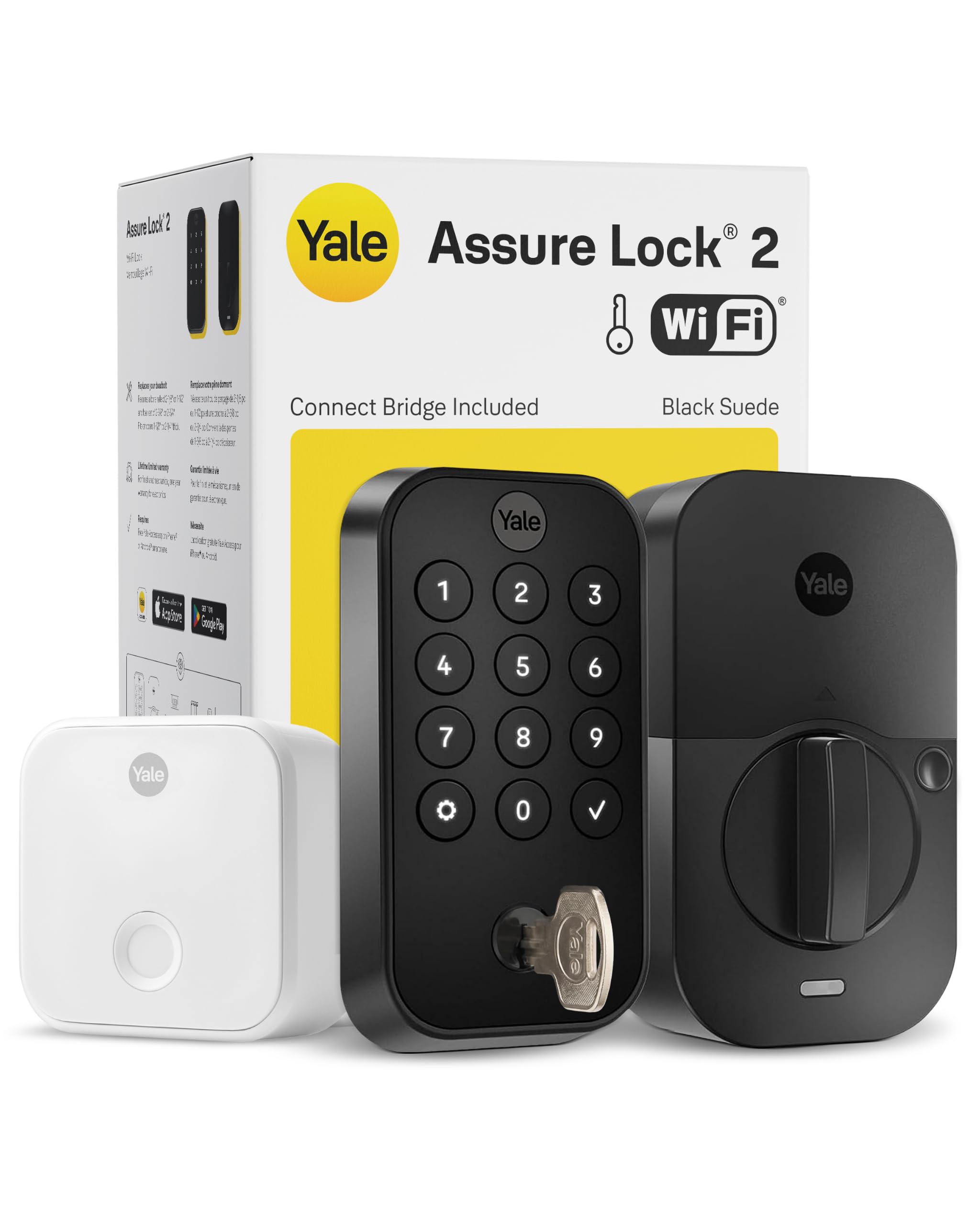


August vs Yale: Comparison Table
This table gives the short version before the detail. It scores the points buyers ask about most, from fitting the lock to how you get in each day.
| Criterion | August | Yale | Winner |
| Approach | Retrofit unit on the inside of the door | Full deadbolt replacement | Depends on your door |
| Outside look | Unchanged, your old cylinder stays | New exterior unit with keypad or touchscreen | August |
| Entry methods | Phone app, optional separate keypad | Keypad on the lock, phone app, key on some models | Yale |
| Fitting effort | Screws onto your existing deadbolt | Remove the old lock and fit a new one | August |
| Platforms | Alexa, Google Assistant, HomeKit | Alexa, Google Assistant, HomeKit, varies by model | Tie |
| Ongoing costs | No plan needed for core use | No plan needed for core use | Tie |
What Is August? What Is Yale?
The two brands started from different places, and that history still shapes every model they sell today. Understanding the starting point explains most of the differences that follow.
August overview
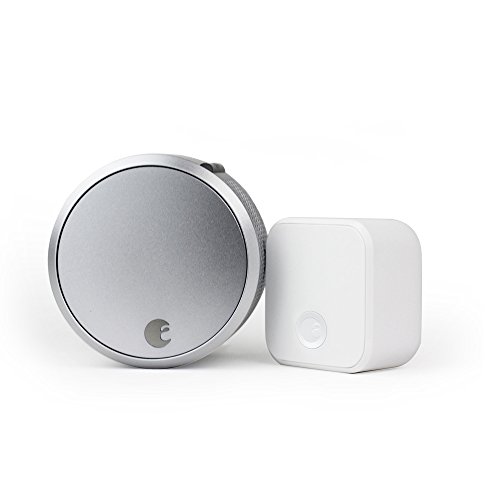
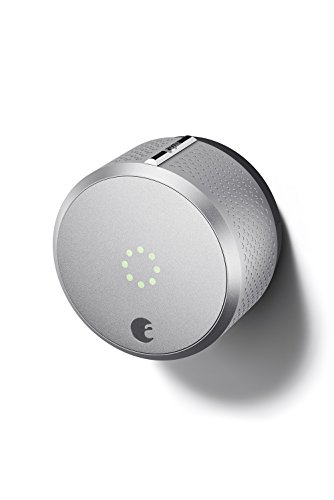
August built its name on retrofit locks. The unit mounts on the inside face of your door and turns the thumb turn of the deadbolt you already own, so the outside cylinder, your keys, and the look of the door stay exactly as they were. A small door sensor reports whether the door is shut, not merely locked, and an optional keypad can be added later if you want code entry. Because nothing outside changes, August suits renters and anyone whose door hardware must stay original.
Yale overview
Yale is a long established lock maker, and its smart range is built around full replacement deadbolts. You remove your old lock entirely and fit a new bolt, a new interior unit, and an exterior keypad or touchscreen in its place. Family members and guests can enter with codes, some models add fingerprint entry, and the hardware itself is new throughout. That makes Yale the natural pick when your current lock is worn or basic and you want the upgrade to refresh the door hardware as well as add smart features. If you want a close look at one current model from this range, our yale assure lock 2 review walks through its fitting and daily use in detail.
Key Differences
With the basics clear, six factors decide most purchases. Work through them in order, because an early answer, such as a door you are not allowed to modify, can settle the rest.
Reliability and daily performance
Both locks are only as smooth as the bolt they move. August drives your existing deadbolt, so a bolt that already sticks or scrapes will strain the motor and drain batteries faster, while a bolt that throws cleanly gives August very little to fight. Yale starts fresh with a new bolt and strike, yet it still depends on careful alignment during fitting. Day to day, August automatic unlocking relies on your phone location and Bluetooth as you arrive, which can vary with phone settings, while Yale code entry behaves the same way every single time.
Compatibility with Alexa, Google, HomeKit and Matter
Both brands work with Alexa and Google Assistant for voice locking and status checks, and many models from each side also join HomeKit. The details differ by model more than by brand. Recent Yale locks may offer Matter support or use plug in radio modules, so the module inside the box decides which platforms you get. August puts WiFi inside its current flagship style units, while older August models needed a separate bridge for remote access. Before you buy, confirm the exact model speaks to your platform, because a logo on one version does not guarantee the same support on another.
Installation
August is the lighter job. You fit an adapter plate over the inside of your existing deadbolt, clip the unit on, and run the calibration routine in the app, and nothing outside the door changes at all. That helps where a lease limits hardware swaps, and removal later is just as quick. Yale asks more of you: the old deadbolt comes out completely, you check door thickness and backset, fit the exterior and interior units, and test the bolt throw by hand before you close the door. It is still ordinary DIY work, but it rewards patience and a careful read of the installation guide.
Subscription costs
Neither brand asks for a monthly plan to use the core features. Locking, unlocking, creating codes, checking the activity log, and receiving alerts all run through the brand app without a subscription once your lock is connected. Your running costs are plainer items instead: batteries, the optional August keypad if you add one, or a different radio module for a Yale lock if you change platforms later. Be wary of any listing that implies a plan is required for basic entry, because for these two brands that is not how the apps work.
Privacy and security
Physical security splits along the same line as everything else here. Yale replaces the bolt itself, so you can choose hardware with a strong industry grade and retire a worn mechanism in the same job. August inherits whatever grade and condition your current deadbolt already has, which is fine for a good bolt and a weakness for a poor one. On the digital side, protect either lock with a strong account password and two factor sign in. August automatic unlocking also uses your phone location, so review those app permissions, while Yale households lean on codes, which you should change when a guest no longer needs access.
Price and value
August retrofit units typically sell for about $130 to $230, with the optional keypad adding more if you want code entry later. Yale full replacement locks generally run about $140 to $280, depending on finish, keypad style, and which radio module is included. Value follows your starting point. If your deadbolt is solid and your keys suit you, August delivers smart control for less total effort. If your lock is worn or basic, Yale money buys new hardware and smart features in one purchase, which often makes the higher effort worthwhile.
Which Should You Buy?
Choose August if…
August fits you best when most of these sound familiar:
- You rent, and the exterior hardware on your door cannot change
- Your existing deadbolt turns smoothly and you are happy with your current keys
- You prefer the door to look completely ordinary from the street
- You want the fastest fitting job with only basic tools
Choose Yale if…
Yale fits you best when your situation looks more like this:
- You own your home and plan to stay in it for years
- Household members need codes rather than phones to get in
- Your old lock is worn, sticky, or basic enough to deserve replacing anyway
- You want fingerprint or touchscreen entry built into the lock itself
Other Options to Consider
If neither approach fits, one more major name is worth a look before you decide. Our schlage encode plus review covers a full replacement lock with broad platform support, and the schlage encode review looks at its close sibling with a different mix of entry options. Both suit owners who want a keypad first design with WiFi built in rather than a retrofit unit. Treat them as comparison points for price and entry style, not as defaults, because door fit still decides more than brand badges.
FAQs
Is August better than Yale?
Neither is better for every household, and the right answer depends on who uses your door each day. Homes with children, dog walkers, or cleaners who do not carry the app usually get more from Yale codes, because a code needs no phone and can be deleted in seconds. A single occupant who always carries a phone and values an unchanged door often gets more from August. Count the people, not the features, and the winner usually becomes obvious.
What is the main difference between August and Yale?
The main difference is architecture: August motorizes the deadbolt you own, while Yale replaces that deadbolt with new hardware. One check the overviews above do not cover is door construction. Doors with multipoint locking, where lifting the handle throws extra bolts along the frame, often suit neither range without specialist advice. If your door locks at several points, confirm compatibility with the maker before ordering either brand, because returns are a poor way to learn this.
Which is easier to clean, August or Yale?
August is slightly easier, simply because its main unit lives indoors and mostly collects dust. A soft dry cloth is all it needs. Yale exterior keypads face weather and fingerprints, so wipe the face once a week or so with a dry or barely damp cloth to keep the numbers readable and the finish even. Never spray cleaner directly at either lock, because liquid can creep into seams around the keypad and the battery cover.
Which lasts longer, August or Yale?
Yale often has the edge on paper because every moving part starts new, so wear begins from zero on the day you fit it. August motors are durable, but the bolt doing the real work may already have years of wear behind it. Sun and rain also age a Yale exterior face faster than a sheltered August unit indoors. In practice, prompt battery changes help both, because a motor straining on low power wears faster and can leave the bolt short of fully thrown.
Can August and Yale locks still work when the internet goes down?
Yes, local entry keeps working on both. A Yale code is stored in the lock itself, so the keypad opens the door with no connection at all. August responds to Bluetooth when you stand nearby, and your original key still works in the outside cylinder. What pauses during an outage is remote control, voice commands, and alerts, and those return on their own once your connection is back.
Final Thoughts
In the end, august vs yale comes down to one question: do you want to upgrade the lock you have, or replace it outright? August is the lighter touch, quick to fit and easy to remove, while Yale is the fuller rebuild with codes on the door and new hardware throughout. Look back at the product table above, check your door and your tenancy, and pick the approach that fits both. Prices and availability can change, so check the product page before ordering.