Assault AirBike Review (2026): Is It Worth the Money?
Disclosure: We may earn a commission when you buy through links on this page, at no extra cost to you. As an Amazon Associate I earn from qualifying purchases. Learn more

Assault AirBike review: how the fan bike handles intervals, noise, fit and upkeep, and who gets real value from it.
An air bike asks your arms and legs to work together, and the harder you push, the more resistance the fan creates. This assault airbike review looks at whether that simple idea fits your training, your space, and your budget. You will find notes on build, comfort, noise, upkeep, and value, plus the types of riders who get the most from this style of bike.
Use the comparison table below to check the basics side by side before you read on. The sections that follow explain what those basics mean in daily training, so you can judge the bike on how you actually plan to ride it.





Assault AirBike Specs at a Glance
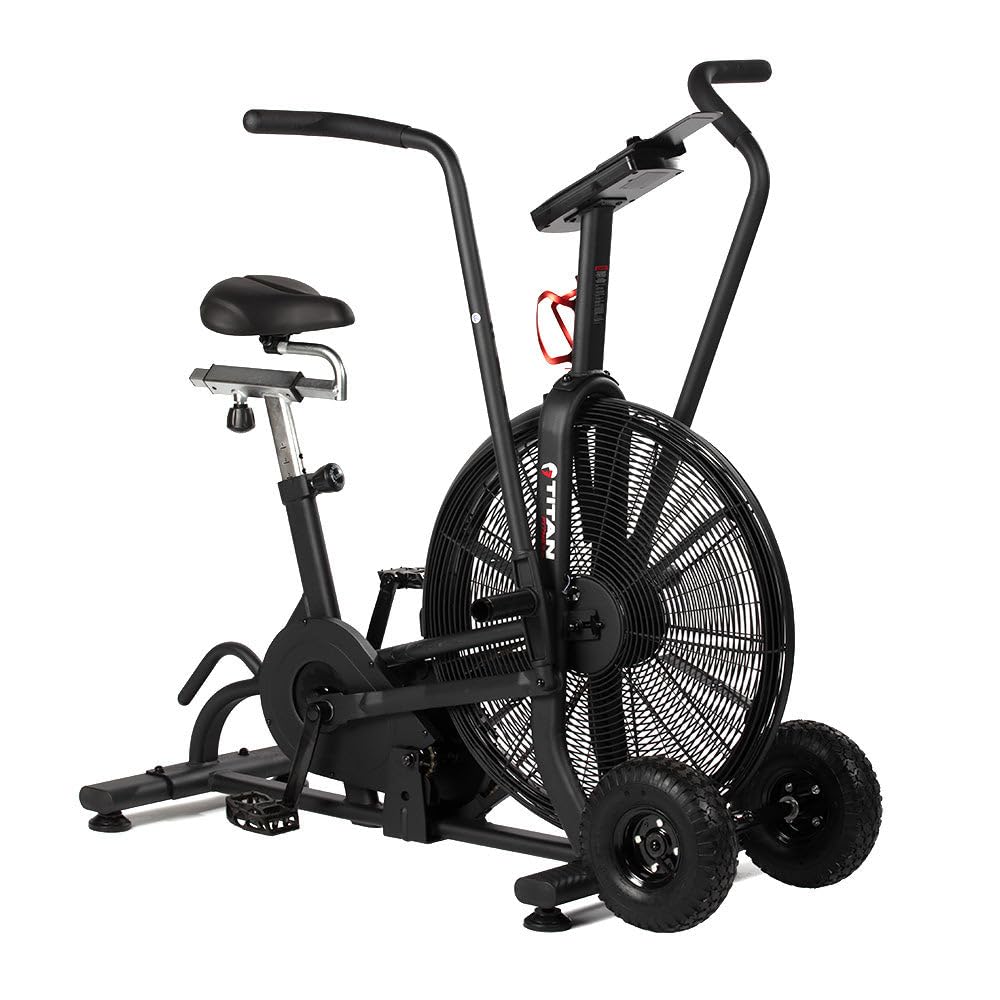
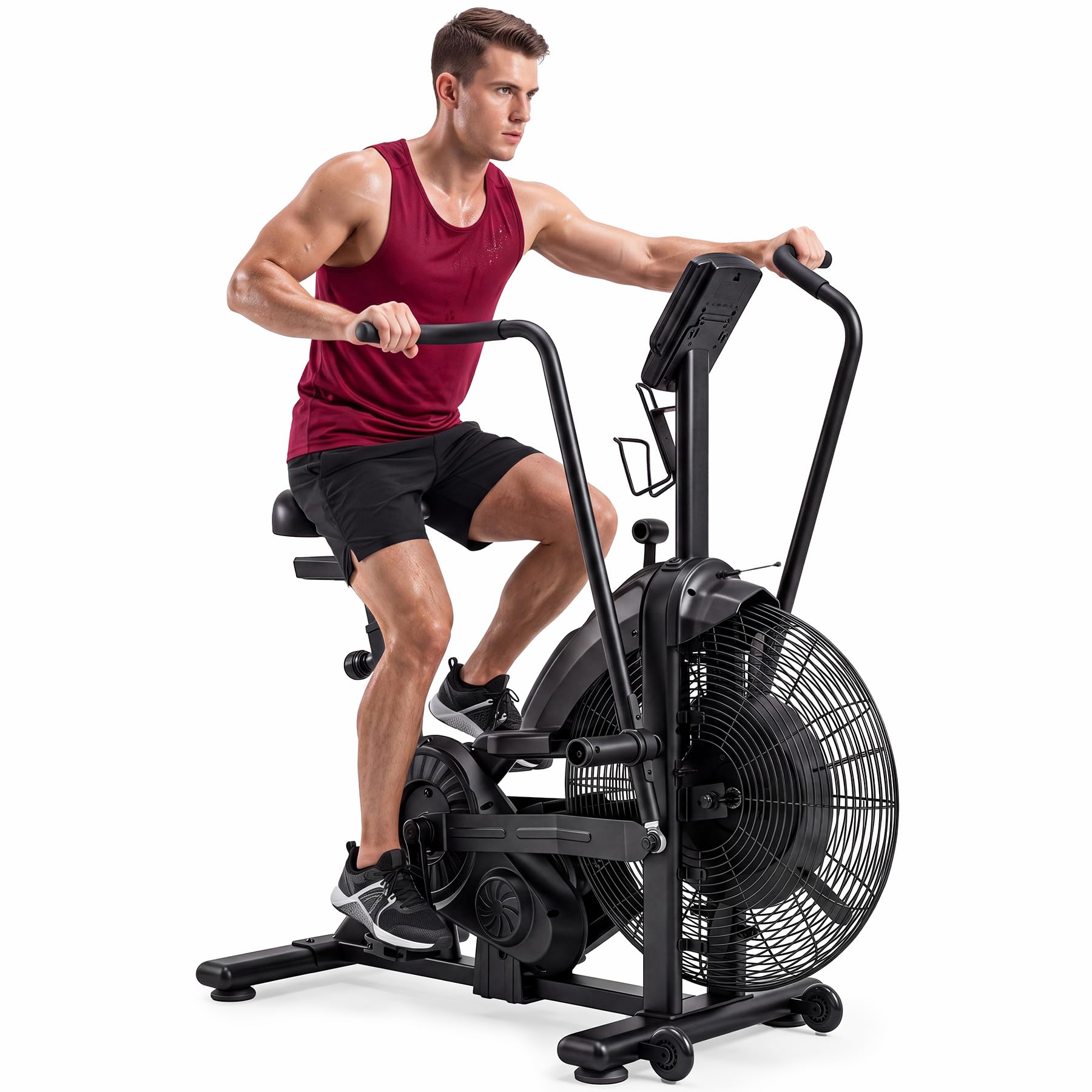
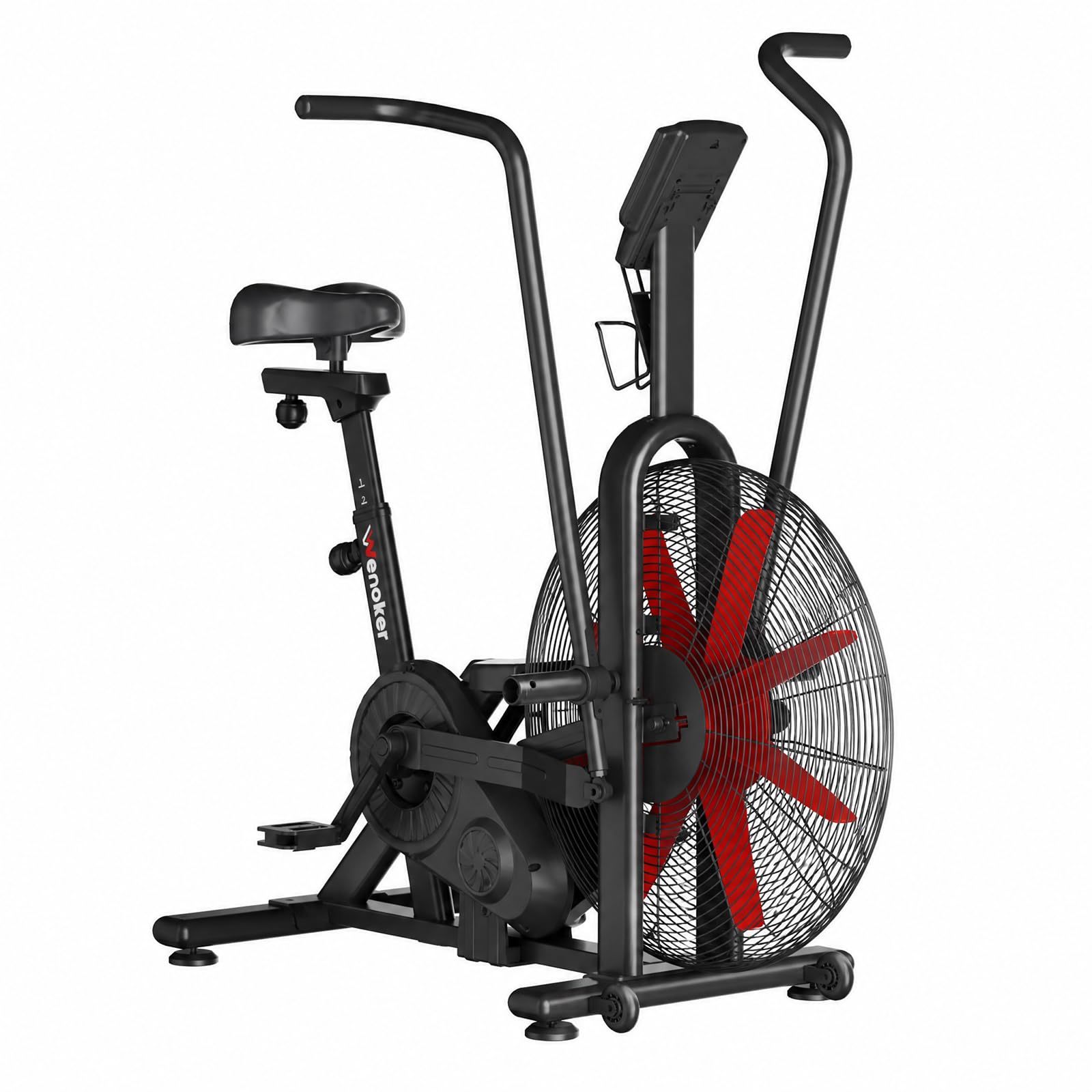
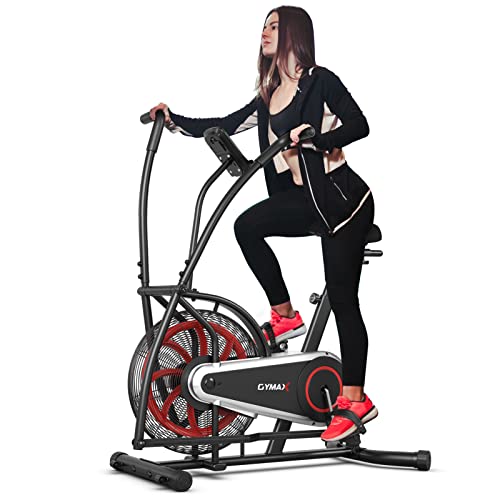
The core specification is the fan itself. A large steel fan at the front replaces a flywheel and a resistance dial, so resistance has no fixed top level. The frame is steel, the seat adjusts up and down and forward and back, and the moving handlebars link to the pedals so arms and legs drive the fan together. The console is battery powered and tracks time, distance, calories, watts, and heart rate when you pair a chest strap. Transport wheels sit at the front for moving the bike across a room.
Design and Build Quality
The design is plain and purposeful. The fan housing is open enough for air to move freely, the frame tubes are thick, and the base stays wide so the bike feels planted when you stand on the pedals for a hard effort. Small details matter here. Wide foot pegs let you rest your feet while you work only your arms, and the pedals use a standard thread, so replacement pedals are easy to find later.
Fit is generous but not unlimited. The seat post and the seat rail give a broad range for shorter and taller riders, yet very tall riders should check knee clearance at the top of the stroke before ordering. The handlebars do not adjust, so your reach is set by seat position alone. If you share the bike, note your seat settings, because quick and repeatable changes make daily use far more pleasant.
Performance
Build Quality and Weight Capacity
Under hard intervals, frame stiffness is what you notice most. A steel frame with a wide base limits rocking when you pull on the bars and push through the pedals at the same time. Capacity ratings on bikes in this class suit most adult riders, but the rating is only part of the picture. If you are near the stated limit, stability at high cadence matters more than the number itself, so a solid base and firm seat clamp deserve close attention.
Footprint and Storage
An air bike takes about the floor space of a standard exercise bike, though the moving bars need extra room at the sides and front. You do not need a power outlet, so placement is flexible as long as the floor is level and firm. Thin mats can let the base shift during hard efforts, so a dense mat or bare hard floor works better. The front wheels help with short moves, but the bike is heavy enough that stairs are a two person job.
Features and Programs
The console focuses on intervals rather than entertainment. You get preset interval options, a target time and distance mode, and readouts that update as your effort changes. There is no large screen, no streaming, and no instructor led class library. For many riders that is the appeal, because watts and cadence give honest feedback without a subscription. If guided classes keep you consistent, this format may feel bare after the first few weeks.
Noise
Fan noise rises with effort, so a gentle warm up is quiet while an all out sprint is loud enough to carry through a home. The sound is mostly rushing air rather than a mechanical whine, and most riders find it easier to live with than a knocking or grinding noise would be. Still, early morning intervals in a small apartment will wake light sleepers nearby. Riding at steady moderate effort, placing the bike away from shared walls, and keeping the drive parts clean all help limit the disturbance.
Key Features
Four points shape the riding experience more than any others, and each one suits some riders better than others.
- Air resistance that scales with effort. Pedal and push harder and the fan pushes back harder, so easy recovery riding and short hard intervals both work without changing a setting.
- Dual action handlebars. The moving bars let your upper body share the work, which raises energy use and helps when your legs need a short break mid session.
- Simple console. Large readouts for watts, cadence, and time support interval training without menus, accounts, or monthly fees.
- Common service parts. Pedals, seat, and chain or belt parts on this style of bike follow common patterns, so a local bike shop can often help with routine service.
Together these points make the bike a training tool rather than an entertainment device. Judge it on that basis and the specification makes sense. Judge it as a studio bike with classes and scenic rides, and it will look limited no matter how well it is built.
Ease of Use, Cleaning and Maintenance
Daily use is simple. Sit, set the seat, pick a console mode, and ride. There is no resistance knob to learn and no app to open. New riders should start with short sessions, because the dual action movement uses shoulders and arms in a way a standard bike does not, and soreness often arrives a day later. Build session length gradually over two to three weeks.
Upkeep is light but regular. Wipe sweat from the frame and seat after each ride, since sweat left on steel and on bolts encourages corrosion over time. Dust builds up on the fan blades and inside the housing, so vacuum the area around the fan weekly and wipe the blades monthly with a dry cloth. Check pedal tightness and seat clamp firmness each month, and listen for new clicking or scraping sounds, which usually point to a loose part rather than a major fault.
Assault AirBike Pros and Cons
Pros
- Resistance always matches your effort, with no top level to outgrow
- Arms and legs work together for demanding short sessions
- No power outlet, subscription, or large screen to manage
- Steel frame and simple drive layout support long service life
Cons
- Fan noise at high effort rules out quiet early morning sprints in shared homes
- No guided classes, entertainment screen, or scenic content
- Handlebar reach does not adjust, so fit relies on seat position
- The ride feel is firm and direct, which some riders find harsh on joints
Who Should Buy the Assault AirBike (and Who Shouldn't)
Buy it if your training centers on intervals, conditioning circuits, or short hard finishers after strength work. The instant response of the fan suits repeated efforts where you need resistance to rise the moment you push. It also suits riders who want equipment that works without accounts, updates, or a screen, and who have floor space away from sleeping areas.
Skip it if you mainly ride long steady sessions for entertainment, rely on instructor led classes for motivation, or need a quiet bike for an apartment with thin walls. Also think carefully if you have shoulder or elbow pain, because the moving bars load the upper body on every stroke. A standard stationary bike keeps the arms still and may be the kinder daily choice.
Assault AirBike vs Alternatives
The main choice is between fan bikes and magnetic studio bikes. Magnetic bikes give smooth, quiet, precisely set resistance and pair well with classes, but their resistance has a fixed ceiling. Our schwinn ic4 review covers that studio style in detail if classes and app training appeal to you. At the premium end, our nordictrack s22i review looks at a screen led bike built around guided rides and automatic resistance changes.
Other fan bikes in this class differ in drive type, console layout, and frame finish rather than in basic feel, because the fan governs the ride. If price is your main concern, a simpler fan bike with a basic console covers steady training well. Pay more only when you value a stronger frame warranty, a better seat, or parts support in your area.
Where to Buy and Best Price
Bikes of this type and build level usually sell for about $700 to $1000, with seasonal sales bringing the lower end of that range within reach. Before you order, confirm the shipping weight and whether delivery is to your door or inside your home, because the box is bulky. Check the return window as well. Fit is personal on a bike with fixed bar reach, so a fair return policy protects you if the riding position does not suit your body.
FAQs
Is the Assault AirBike worth it?
It is worth it when you will use the one thing it does best, hard interval training with resistance that grows with your effort. Riders who train that way three or more times a week get lasting value from the strong frame and simple layout. If your riding is mostly gentle and steady while watching a screen, the same money buys a magnetic bike that fits your habits better, and unused intensity is never good value.
What are common Assault AirBike problems?
Most reports involve small fixable issues rather than frame faults. Loose pedals can click once per revolution, a dry drive can sound rough, and console readouts can flicker when batteries run low. Handle these early and they stay minor. One point worth knowing is that sweat pooling around the seat post can make later height changes stiff, so drying that area after rides prevents a problem that owners often blame on the clamp itself.
How long does the Assault AirBike last?
With basic care, a steel fan bike can serve for many years, because there is no motor and few electronics to fail. Wear parts are the seat surface, pedal bearings, and the drive chain or belt, all of which are replaceable. Longevity depends most on where the bike lives. A dry indoor room is kind to steel and bearings, while a damp garage shortens the life of every metal part, no matter how strong the frame is.
What is a cheaper alternative to the Assault AirBike?
A basic fan bike from the same category is the closest cheaper option, since the ride feel comes from the fan rather than from added features. You give up frame finish, console detail, and sometimes seat quality, but steady training and intervals still work. Another route is a used commercial grade fan bike from a gym sale. Inspect the fan for bent blades and spin the pedals before paying, because transport damage is the main risk with used units.
How do you clean the Assault AirBike?
Start with the bike at rest and the fan fully stopped. Wipe the frame, bars, and seat with a cloth dampened with mild soapy water, then dry each part so moisture does not sit on the steel. Use a soft brush to lift dust from the fan guard edges, and clean the console with a nearly dry cloth only, since liquid around the buttons can seep inside. Avoid spraying water or cleaner directly at the fan housing or the console.
Final Thoughts
This style of bike rewards effort honestly and asks little in return beyond basic cleaning and a monthly check of bolts and pedals. If intervals and simple, durable equipment match your training, the assault airbike review case is strong. Compare the product table above once more, weigh noise and fit against your home, and you will know whether this fan bike earns its floor space.