Ariens Deluxe 28 Review (2026): Is It Worth the Money?
Disclosure: We may earn a commission when you buy through links on this page, at no extra cost to you. As an Amazon Associate I earn from qualifying purchases. Learn more

Our Ariens Deluxe 28 review covers performance, design, cleaning, pros and cons, and who should buy it. Plus top alternatives. Updated 2026. Updated for 2026.
A deep storm can bury a long driveway under a foot of wet snow, and a shovel turns that job into hours of heavy lifting. This ariens deluxe 28 review walks through what a 28 inch two stage gas snow blower in this class does well, where it asks more of you, and how to judge the specs before you spend. You will find design, clearing power, upkeep, and ownership costs covered in plain terms, with the comparison table below to help you line up the numbers side by side.
This size class suits homes that clear wide driveways again and again through a long winter. If you are still weighing widths and power sources, start with our guide to the best snow blower and then return to the details that follow here.

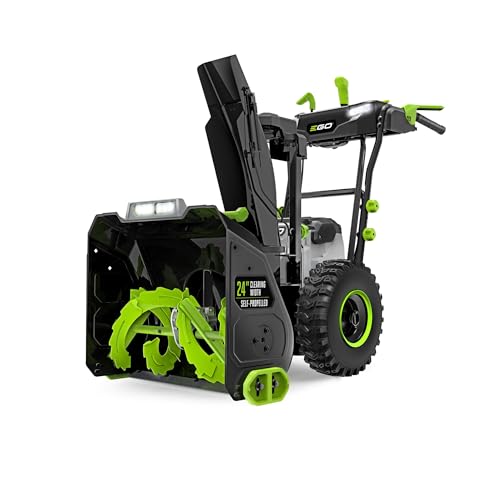
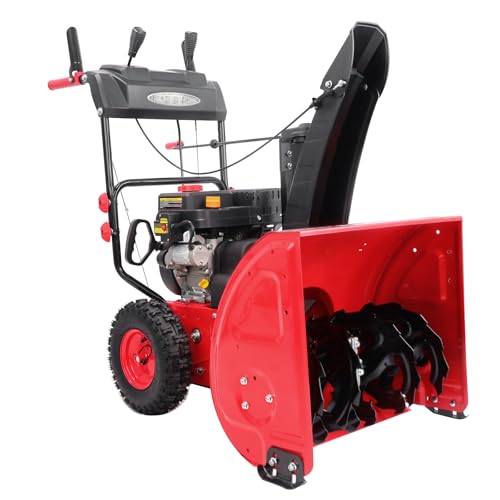
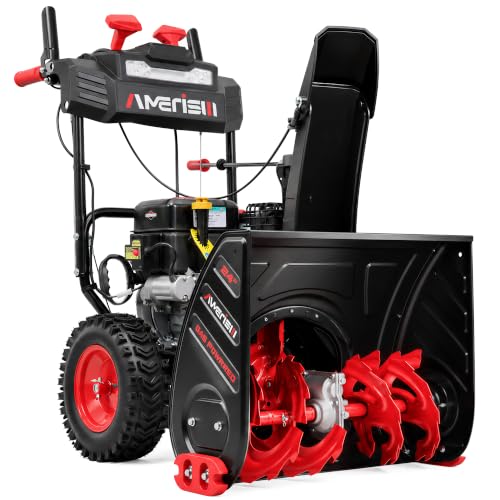
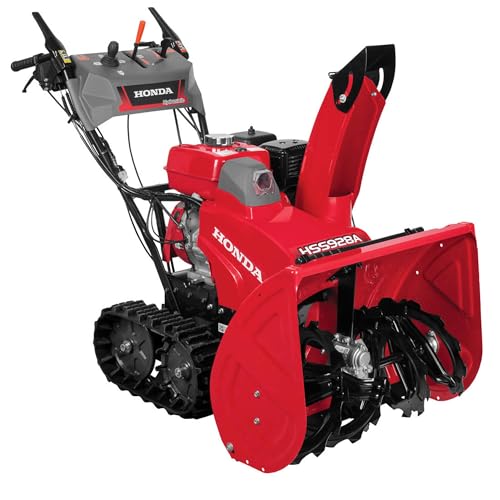
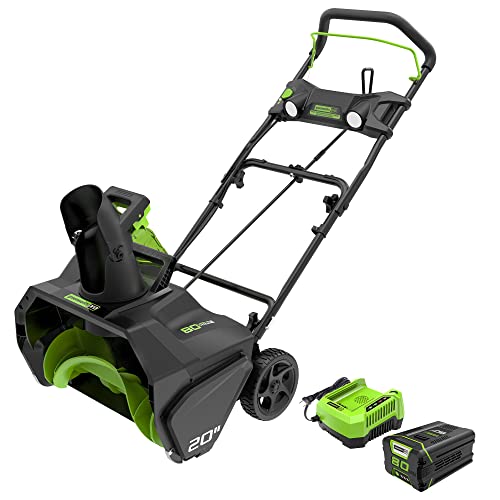

Quick Overview: What This Format Gives You
The Ariens Deluxe 28 sits in the middle of the two stage gas market. It is wide enough to cut passes on a large driveway, strong enough for the dense pile a plow leaves at the curb, and still sized for a normal garage bay.
- Best for: northern homes with two or three car driveways and frequent storms above six inches.
- Skip if: your snowfall is light, your drive is short, or you cannot store and move a heavy gas machine.
Ariens Deluxe 28 Specs at a Glance
Exact equipment can vary by version, so confirm each line on the listing before you order.
- Clearing width of 28 inches with a tall intake for drifts
- Two stage clearing, with a serrated steel auger feeding a fast impeller
- Gas engine sized for dense snow, with the exact displacement on the listing
- Multiple forward speeds and reverse speeds through a disc drive
- Electric start with a recoil starter as backup
- Chute rotation controlled from the operator position
- Throwing distance rated by the maker for light, dry snow
Design and Build Quality
The housing, auger, and chute are steel rather than plastic, and that choice shapes daily use. Steel shrugs off the scrape of gravel and the knock of hidden ice chunks that can crack lighter parts. The trade off is weight, since a machine in this class weighs well over 200 pounds. You feel that mass as stability when the auger bites into packed snow, and you feel it again when you muscle the machine around a tight garage.
Controls sit behind the handlebars in a logical row, so you can change ground speed, swing the chute, and adjust the deflector without walking around the machine. Large tires with deep tread grip on sloped drives, and the skid shoes under the housing can be raised for gravel or lowered for smooth pavement.
Performance
A two stage design splits the work in two steps. The auger gathers snow and feeds it inward, then the impeller throws it up and out of the chute. That second stage is what lets this class chew through deep or wet snow that stalls a single stage paddle machine.
Build Materials and Weather Resistance
Steel in the housing and chute resists denting when the machine meets frozen chunks at the curb. Cables and linkages are routed close to the frame, which limits snagging on shrubs and fence lines while you work near edges. After a storm, melt water refreezes on exposed metal, so a quick wipe of the chute and housing before you park the machine slows rust through the season.
Size and Capacity
A 28 inch pass clears a two car driveway in fewer trips than a 24 inch machine, and each saved pass matters when wind keeps pushing snow back across your path. The tall intake lets you take drifts in one pass instead of knocking them down first.
Assembly
Most owners finish setup in about 30 to 60 minutes with basic hand tools. The main steps are raising and bolting the handlebars, fitting the chute and its control rod, and checking cable tension. The engine usually ships without oil in the crankcase, so filling it to the mark on the dipstick is a step you must not skip. Because of the weight, unboxing goes better with a second person who can steady the machine while you roll it off the pallet.
Durability
The wear parts on this class are predictable. Shear pins are designed to break first if the auger strikes a solid object, which protects the gear case from far costlier damage. Drive belts stretch and glaze with age, and the friction disc wears a little each season. Owners who inspect these parts each autumn tend to get many winters from one machine, while neglected units usually fail at the first big storm.
Key Features
Electric start matters more than it sounds. A plug in starter spins the engine on the coldest mornings when a recoil rope feels stiff and your gloves are thick, and the rope remains there if you need it away from an outlet. Heated hand grips take the sting out of long clearing sessions, and a built in headlight lets you work before dawn or after dark without guessing where the driveway edge runs under fresh snow.
Steering help is the second feature set to weigh. Automatic turn assistance senses when you ease pressure on one side and helps the machine pivot at the end of a pass, which saves your shoulders on a long drive. The chute control near the dash swings the discharge direction through a wide arc with one hand, and the deflector sets how far the stream lands.
Ease of Use, Cleaning and Maintenance
Running the machine is simple once you learn its rhythm. You pick a ground speed that matches snow depth, squeeze the auger and drive levers, and let the engine work at full throttle. Deep snow calls for a slower speed and sometimes a partial width pass. The learning curve is mostly about patience, since forcing the housing into a drift overloads the auger and plugs the chute.
Safety comes first with this class of tool. Never reach into the chute or auger housing to clear a clog, even with the engine off, because a wound impeller can snap forward as pressure releases. Stop the engine, wait for all moving parts to halt, and use the clean out tool mounted on the housing. For upkeep, change the engine oil early in the first season and then once a year, and check the spark plug and belts each autumn. Run the carburetor dry or treat the fuel before summer storage.
Ariens Deluxe 28 Pros and Cons
Strengths
- Wide 28 inch path cuts clearing time on large driveways
- Two stage power handles wet snow and plow piles at the curb
- Steel housing and chute stand up to gravel and ice chunks
- Electric start, heated grips, and a headlight ease cold morning work
Trade offs
- Heavy to move, steer, and load without ramps
- Gas engine needs oil, fuel care, and seasonal service
- Larger storage footprint than a compact or cordless model
- Costs more up front than smaller formats with similar width claims
Who Should Buy the Ariens Deluxe 28 (and Who Shouldn't)
You should buy this format if your area sees repeated storms of six inches or more and your driveway runs long or wide. The width, intake height, and throwing power all pay off when every storm is a real event rather than a dusting.
Skip it if most of your snow arrives in light falls of a few inches that a smaller machine clears faster with less fuss. Skip it as well if stairs, narrow gates, or a crowded garage make a heavy machine hard to store and roll out. Strength matters for this class, and a format you dread moving is a format you will avoid using.
Ariens Deluxe 28 vs Alternatives
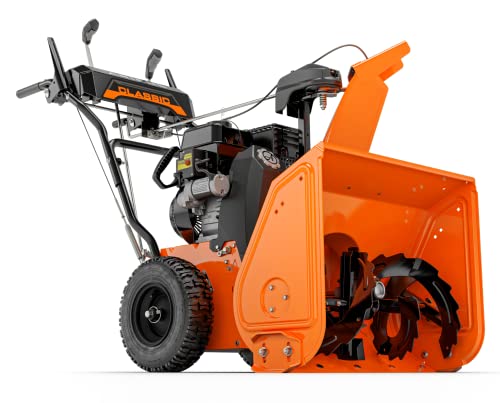
The closest step down is a narrower gas model in the same two stage family. A 24 inch machine costs less, turns more easily, and fits tighter storage, while giving up pass width and some intake height. If that trade sounds right for a modest driveway, read our ariens classic 24 review to see where the smaller format reaches its limits.
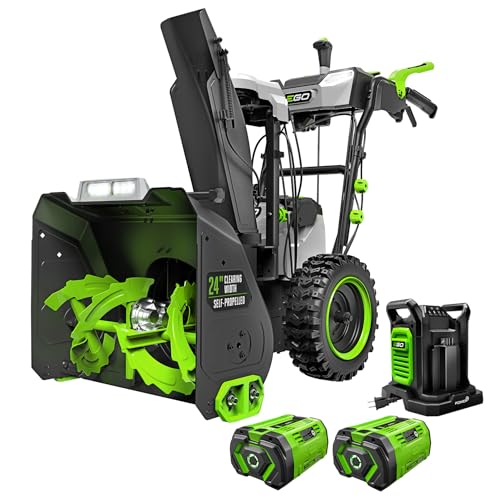
The other direction is cordless electric power. A large battery model clears quietly, starts instantly, and asks for almost no engine upkeep, though runtime and throwing power in wet snow still trail gas in this size class. For a closer look at that route, see our greenworks 80v snow blower review and weigh how your longest storm would stretch a set of batteries before you commit.
Where to Buy and Best Price
Two stage machines in this class generally sell for about $1,300 to $1,900 depending on version, season, and included extras, so treat any single listing price as a snapshot rather than a fixed figure. Compare the full delivered cost, including shipping, assembly, and a starter supply of shear pins and oil. Autumn promotions and late season clearance tend to bring the strongest prices, while selection narrows fast once the first regional storm hits and demand spikes.
FAQs
Is the Ariens Deluxe 28 worth it?
It is worth it when you spread the cost across many winters of real work. Divide the price by ten or more seasons and compare that figure with hiring a plow service, which can charge that much in a single year for a long driveway. The value case weakens if your storms are few, because an idle machine still needs fuel care, oil, and storage space.
What are common Ariens Deluxe 28 problems?
The complaints that surface most often trace back to fuel and wear rather than design flaws. Old gasoline left through summer can gum the carburetor and cause surging or hard starts. A broken shear pin stops the auger after a strike on wood or ice, and a glazed drive belt makes the wheels slip under load. Each of these has a defined fix in the manual, and storing the machine with treated or drained fuel prevents most of them.
How long does the Ariens Deluxe 28 last?
A well kept two stage gas blower in this class commonly serves for 10 to 15 winters of residential use. Longevity hinges less on hours than on storage habits. A unit kept indoors, dried after use, and serviced each autumn outlasts one parked outside under a tarp, where moisture creeps into cables and bearings. Surface rust on the housing interior is normal with age and matters little, while rust on the auger shaft can seize parts that must slide during service.
What is a cheaper alternative to the Ariens Deluxe 28?
A 24 inch two stage gas model is the usual step down, keeping the same clearing method while trimming width, weight, and price. A single stage machine costs less again and suits paved drives with moderate snowfall, though it struggles in plow piles. Buying used is another route, but inspect the auger housing for bent metal and ask the seller to start the engine cold, since a warm engine can hide starting faults that show up on the first storm morning.
How do you clean the Ariens Deluxe 28?
Clearing road salt off the machine after each storm does the most good, because salt brine clings to the housing and scraper bar and keeps working on the paint while the machine sits. Once the engine cools, brush loose snow from the auger housing, rinse salt residue with plain water when temperatures allow, and dry the chute before parking. A light coat of spray wax inside the chute before the season also helps wet snow slide through instead of packing and freezing in place.
Final Verdict
For homes with wide driveways and winters that deliver repeated heavy storms, this 28 inch two stage format earns its price through width, throwing power, and durable steel construction. It asks for storage space, seasonal service, and the strength to handle a heavy machine, and those costs are real. Weigh your snowfall, your driveway, and your garage honestly, check the ariens deluxe 28 review details in the product table above against your needs, and this class will either fit your winter or point you clearly toward a smaller format.