Are Space Heaters Safe? Here's the Honest Answer for 2026
Disclosure: We may earn a commission when you buy through links on this page, at no extra cost to you. As an Amazon Associate I earn from qualifying purchases. Learn more

Are Space Heaters Safe? We break it down with a quick answer, key factors to consider, and practical tips before you buy. Updated for 2026.
Yes, with conditions. When people ask are space heaters safe, the honest answer is that a modern certified heater used exactly as its manual directs is a reasonable way to warm one room. The danger comes from how heaters are often used in real homes, placed too close to furniture, left running alone, or plugged into cords that cannot carry the load.
This guide separates the real risks from the myths. You will see where heaters earn their bad reputation, which safety features actually matter, what running one costs, and who should skip one entirely. The comparison table below gives the short version, and the sections after it explain each point in plain language.
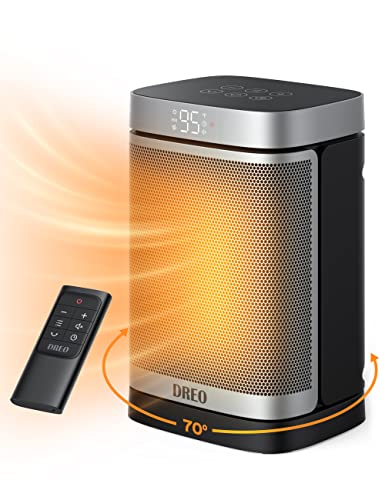


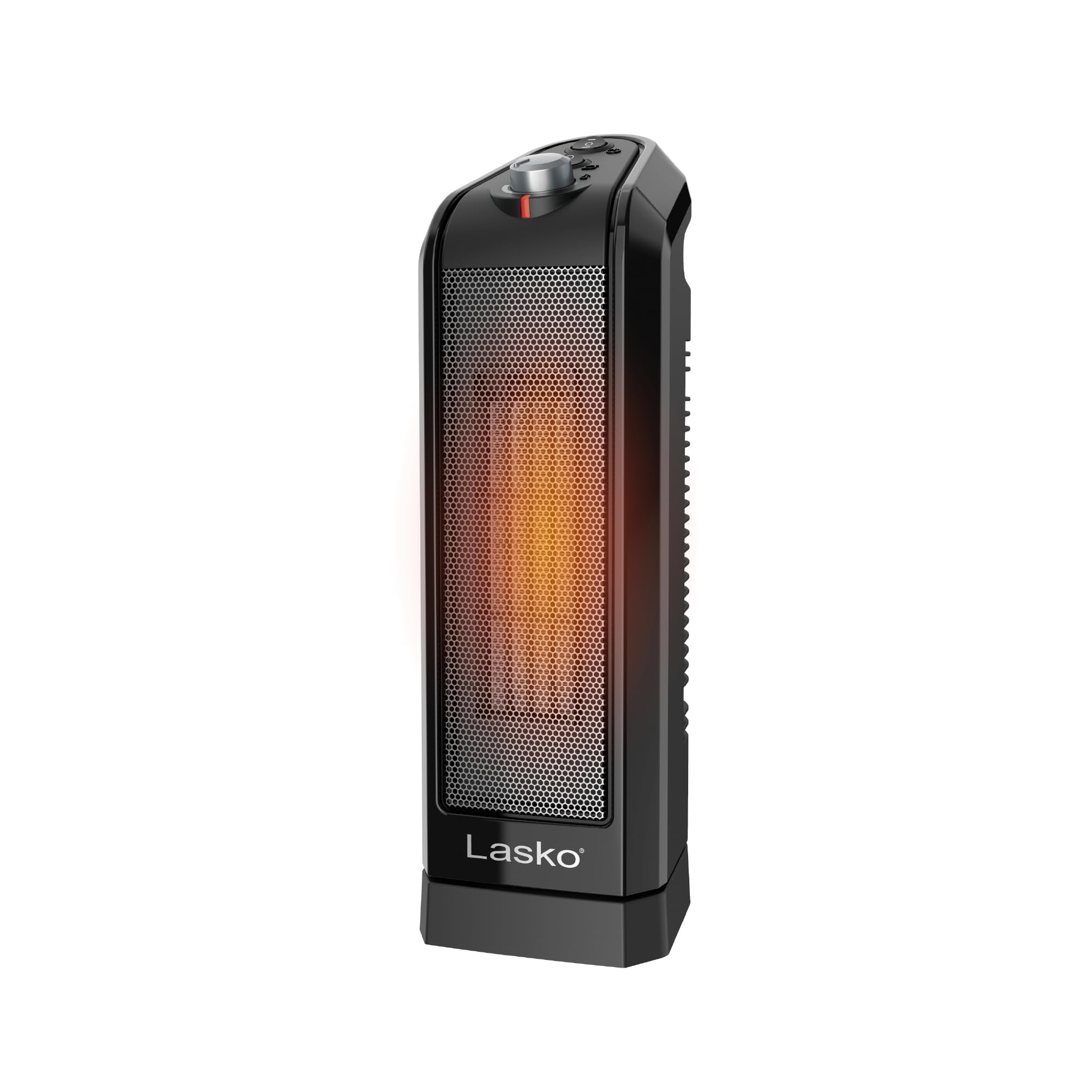
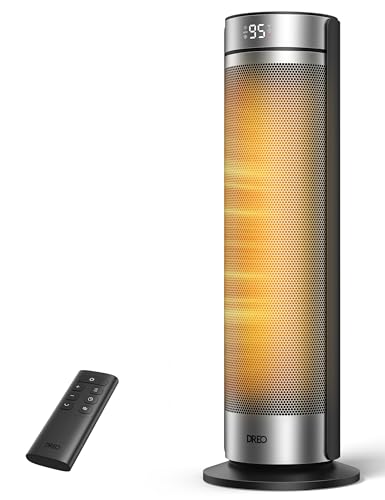


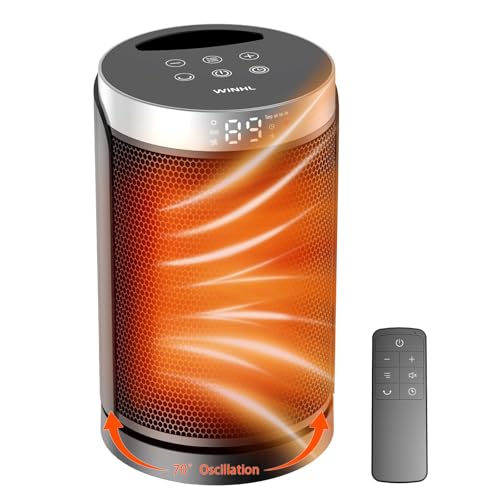

The Short Answer
So, are space heaters safe in a typical home? They are safe enough for most households when three habits hold every single time. The heater stays on a flat, hard floor with clear space around it. An adult is awake and nearby while it runs. It plugs straight into a wall outlet on a circuit that is not already loaded.
Use this short checklist before every use, not just on the first day.
- Keep the heater about 3 feet from beds, curtains, sofas, paper, and clothing on every side.
- Choose a model with a tip over switch and overheat protection, and check that both work.
- Run the heater only while you are in the room and awake, and switch it off when you leave.
- Keep working smoke alarms in the home, and add a carbon monoxide alarm if any fuel burning appliance is present.
Safety features lower the odds of a problem, but they do not remove the heat itself. A guard can still get hot, a cord can still wear out, and a shutoff can still fail. Treat the heater like a small appliance that deserves attention, and its risk stays modest.
Pros
The strongest case for a space heater is control. Instead of warming empty rooms, you add heat only where you sit, sleep, or work. That targeted approach suits a drafty corner, a basement desk, or a bedroom that always runs colder than the rest of the home.
- Fast warmth: most electric models reach full output within minutes, so a cold room feels usable quickly.
- No installation: there is nothing to vent, mount, or connect beyond a standard outlet, which suits renters.
- Portability: one heater can serve a desk during the day and a bedroom in the evening.
- Useful safety hardware: thermostats, tip over switches, and overheat shutoffs are now common even on modest models.
- Backup value: a heater adds a layer of comfort during a furnace repair or a short cold snap.
For a household that heats one occupied room and turns the main thermostat down, those benefits can also trim total heating costs. The savings depend on your main fuel and your electric rate, and the cost section below shows how to judge that trade for your own bills.
Cons
The drawbacks are just as concrete. A space heater concentrates a lot of heat and electric current in a small box, so small lapses matter more than they do with a furnace. Most heater fires start with placement, with fabric or furniture sitting closer than the manual allows.
Electric load is the second concern. A typical heater draws close to the limit of a household circuit, so a shared outlet or a worn receptacle can overheat. Before you solve a short factory cord by adding length, read can you plug a space heater into an extension cord for the full reasoning behind the direct outlet rule.
- Burn risk: exposed elements and hot grilles can burn skin on contact, a real worry with curious toddlers and pets.
- Limited reach: one heater warms one room well and does little for a whole floor.
- Running cost: electric resistance heat is often pricier per unit of warmth than gas or a heat pump.
- Dry air and noise: fan models can dry the air in a small room, and some fans are loud enough to bother light sleepers.
Stop using any heater that smells like burning, leaves scorch marks, trips a breaker more than once, or has a frayed cord or a cracked case. Unplug it, let it cool, and have an electrician check the outlet if the fault could sit in the wall. Those signs mean the risk is no longer theoretical.
Cost Breakdown
Purchase prices stay modest compared with fixed heating. Simple fan and ceramic models often cost about $25 to $75, larger tower and oil filled models run about $75 to $250, and furniture style infrared models can pass about $300. Paying more mainly buys size, quieter fans, and extra controls rather than a different level of basic safety, since certification matters more than price.
Running cost is where the bill grows. A 1500 watt heater uses 1.5 kilowatt hours in one hour at full power. At an electric rate of about $0.20 per kilowatt hour, that hour costs about $0.30, so eight hours a day adds up to about $2.40 a day and about $72 over thirty days. Our companion guide, how much does it cost to run a space heater, works the same math for lower settings and other rates.
That math explains the zoning rule. Heating one room electrically while the main system rests can save money. Heating three rooms with three heaters usually costs more than running the furnace, because you pay the electric rate on every watt with no sharing of load.
Who Should (and Shouldn't) Buy One
A space heater fits you if one room is the problem. Home workers in a chilly spare room, renters who cannot adjust a building system, and anyone whose bedroom runs cold while the rest of the home feels fine all match that pattern. Short, attended sessions in a single room are the use case heaters handle best.
Match the heater to the room before you buy. A compact model can keep up in a small bedroom yet fall behind in an open plan living area with tall ceilings and exterior doors. If you are unsure which output fits your space, what size space heater do i need explains the sizing math step by step.
Skip a space heater if your plan needs unattended heat. A heater is a poor answer for warming a nursery all night, keeping pipes warm in an empty house, or drying laundry draped nearby. Households with toddlers or large pets that can topple a unit should also think twice, since a shutoff helps only after the fall happens.
Homes with older wiring deserve extra care. If outlets feel warm, plugs sit loose, or breakers trip under normal loads, have an electrician inspect the circuit before you add a heater. A heater asks more of a circuit than almost any other portable appliance you own.
Alternatives to Consider
Sometimes the better fix is not a heater at all. Sealing drafts around windows and doors, adding weatherstripping, and closing doors to unused rooms can lift the comfort of a cold room with no running cost and no added fire risk. A thicker rug and lined curtains help on floors and glass that bleed heat.
- Electric blankets and heated throws warm the person rather than the room, and they draw far less power than a heater.
- A fixed baseboard or wall heater, installed by an electrician, gives permanent heat without a portable unit to trip over.
- A heat pump or an upgraded central system costs far more upfront, yet delivers cheaper heat across the whole home.
- For a single cold room over a garage, added insulation often fixes the cause rather than the symptom.
Fuel burning portable heaters belong in a different risk class. They need ventilation and a carbon monoxide alarm, and many models are not approved for indoor living spaces at all. If an alternative burns fuel, check local rules and the maker directions before you consider it.
FAQ
How much does it cost to run a space heater?
A space heater rarely draws full power for a whole session. Once the room reaches the thermostat setting, the heater cycles off and on, so a heater set to hold a mild room may draw full power for only part of each hour. Your bill therefore depends on how cold the room starts, how well it holds heat, and the setting you choose, not on the wattage label alone.
Can you plug a space heater into an extension cord?
No. Plug a space heater directly into a wall outlet every time. A heater pulls heavy current for long stretches, and most household extension cords and power strips are not built to carry that load without heating up themselves. A cord tucked under a rug or coiled on the floor traps even more heat. If the factory cord cannot reach a suitable outlet, move the heater or choose a different room layout.
What size space heater do I need?
A common sizing guide is about 10 watts of heat for each square foot of floor in a room with average insulation and standard ceilings. A 150 square foot bedroom therefore needs about 1500 watts, which matches the largest common portable size. Raise your estimate for rooms with tall ceilings, large windows, or exterior walls on several sides, and lower it for small, well insulated interior rooms.
Can you leave a space heater on overnight?
Leaving a space heater on overnight is not a good idea. The main risks of heater use, contact with bedding and an unnoticed fault, grow when everyone in the room is asleep and no one can react. If a bedroom feels too cold at night, warm it before bed, switch the heater off, and rely on bedding suited to the season. Homes that truly need heat all night should use the fixed heating system instead.
Do space heaters give off carbon monoxide?
Electric space heaters do not produce carbon monoxide, because nothing burns inside them. Fuel burning heaters are different, since a flame that lacks enough air can release the gas into the room. Headache, dizziness, nausea, or confusion while a fuel heater runs are warning signs to leave the home at once and call emergency services from outside. A carbon monoxide alarm on each floor adds a backstop, but it never replaces ventilation.
Final Thoughts
A space heater is a useful tool with a narrow job. Used in one room, attended, on a clear patch of floor, and plugged into the wall, the are space heaters safe question earns a cautious yes. Used as whole house heat or left running alone, the same appliance earns a no.
Weigh your room, your wiring, and your habits against the points above before you buy. If the fit looks right, compare certified models in our guide to the best space heater options, and use the product table above to weigh safety features against price and size.