Aquatru vs Berkey: Which One Fits Your Home Better? (2026)
Disclosure: We may earn a commission when you buy through links on this page, at no extra cost to you. As an Amazon Associate I earn from qualifying purchases. Learn more

Aquatru vs Berkey: see how they differ in everyday use, features and value, and which one makes more sense for your home and budget.
Picture two kitchens. In one, a renter with a narrow counter wants better tasting water without calling a plumber or giving up prep space. In the other, a family of five fills bottles, pots, and a coffee pot all day and wants a system that keeps working when the power goes out. Both households end up weighing aquatru vs berkey, and both can be right, because these two systems solve the same problem in opposite ways.
This guide compares them the way you will actually live with them: counter space, household size, daily habits, and the real cost of owning one over the years. Start with the comparison table below, then read the sections that match your home.

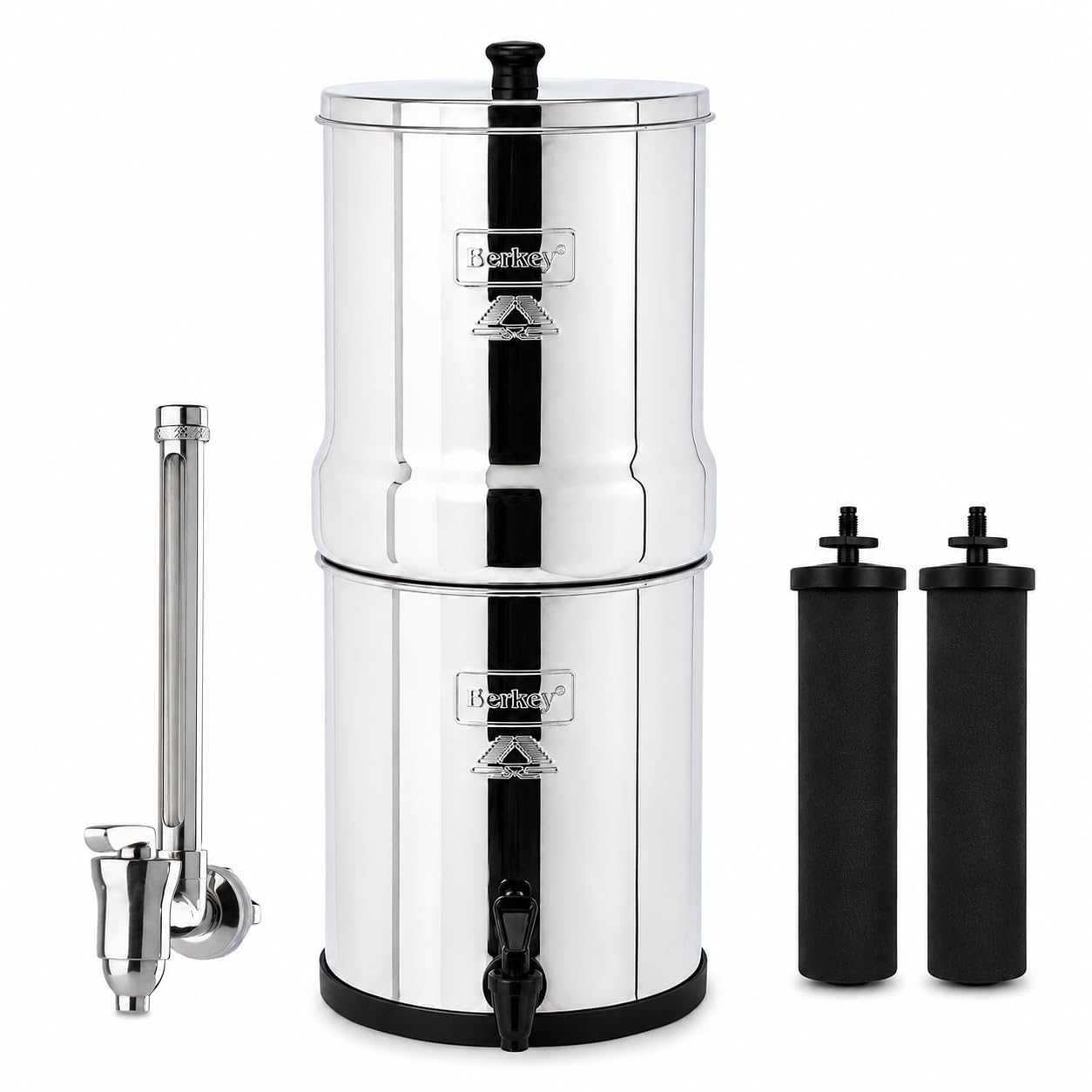

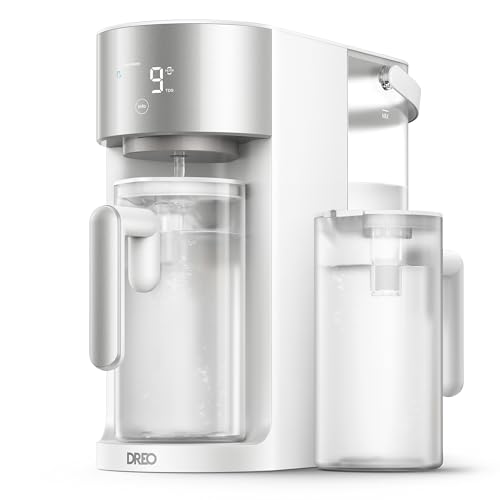
Aquatru vs Berkey at a Glance
Whichever order you type the search, berkey vs aquatru, the short version is simple. Aquatru is an electric countertop appliance that pushes tap water through a reverse osmosis membrane. Berkey is a pair of steel chambers that let gravity pull water through purification elements, with no power at all. Everything else in this article flows from that single split.
| Criteria | Aquatru | Berkey | Winner |
|---|---|---|---|
| Power source | Needs an outlet | No power needed | Berkey |
| Filtration method | Reverse osmosis in four stages | Gravity flow through purification elements | Tie |
| Body | Plastic housing with lift out tanks | Stainless steel chambers | Tie |
| Filtering speed | Fills its clean water tank quickly | Slow and steady drip | Aquatru |
| Best fit | Renters and compact counters | Big households and power outages | Tie |
Meet the Contenders: Aquatru and Berkey
Aquatru Overview
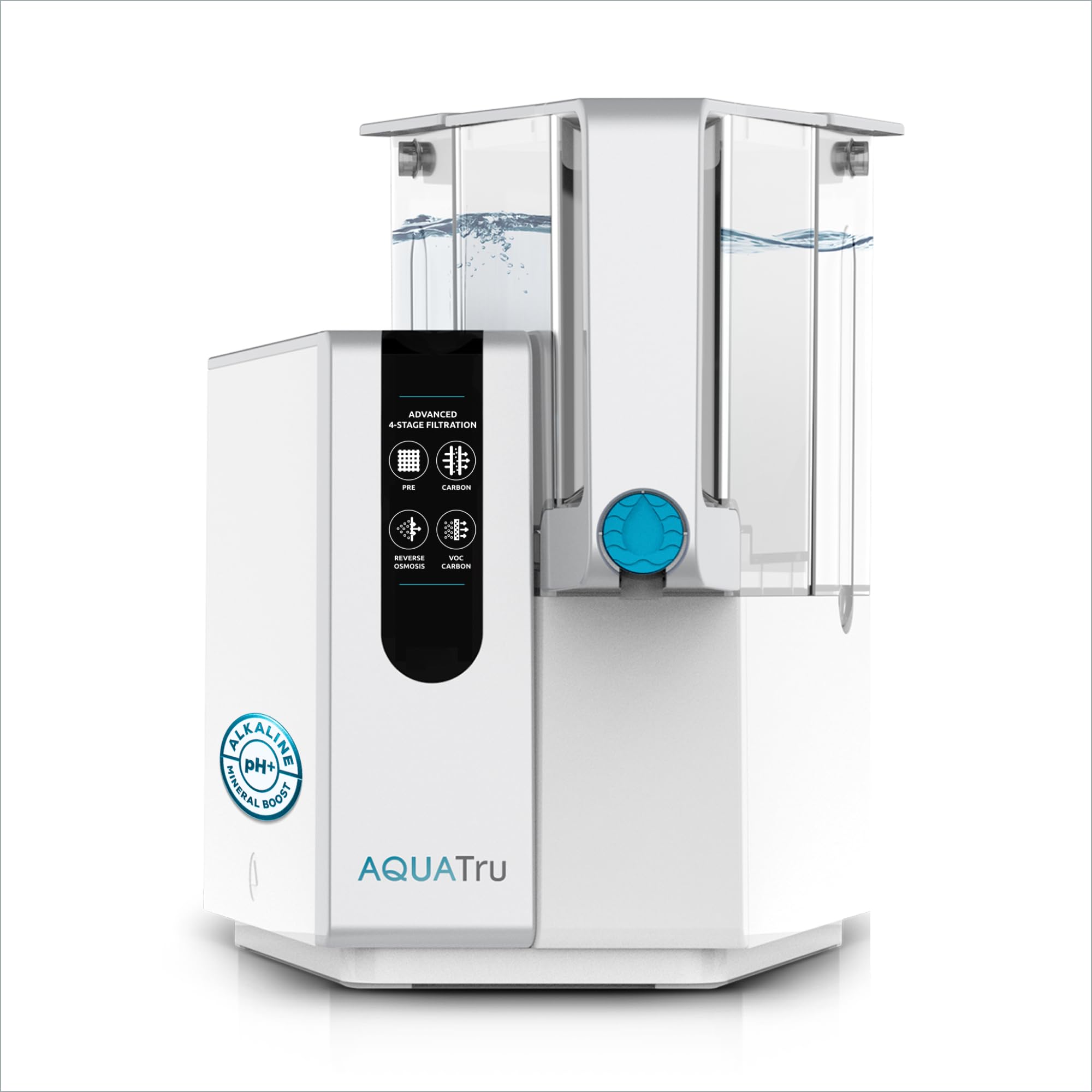
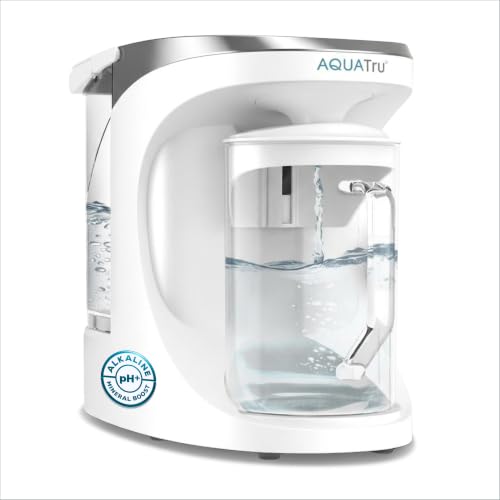
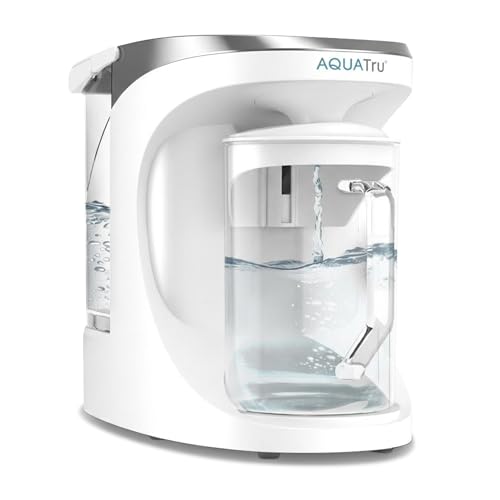
Aquatru is a countertop reverse osmosis system that sits beside your sink and plugs into a standard outlet. You fill a tap water tank, set it in place, and the unit filters that water into a separate clean water tank you can lift out and carry to the table. Nothing connects to your faucet or plumbing, so it suits renters and anyone who cannot modify a kitchen. If counter depth is tight, the smaller glass carafe model is worth a look in our aquatru carafe review, while the standard model is covered in our aquatru classic review.
Berkey Overview
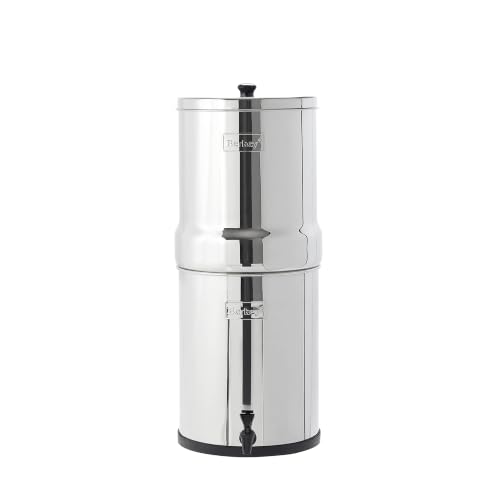
A Berkey system is two stainless steel chambers stacked together, with purification elements hanging in the upper chamber and a spigot on the lower one. You pour water in the top, gravity does the rest, and filtered water collects below until you draw it off. There is no pump, no cord, and nothing to install, so the same unit can serve a kitchen, a cabin, or a rental during a long outage. The most popular household size is covered in our big berkey review, and smaller and larger travel and family sizes follow the same basic design.
Head to Head: Where They Really Differ
Installation and Compatibility
Neither system needs a plumber, but the daily setup feels very different. Aquatru asks for counter space near an outlet and a sink for filling and rinsing its tanks, and it is designed for treated municipal tap water, so most well owners are pointed elsewhere by the maker. Berkey assembles by hand in minutes, needs the elements primed under a faucet before first use, and accepts a wider range of source water, which is why it shows up in off grid homes. Measure your counter height and depth before choosing either one, since a tall Berkey needs clearance under upper cabinets for filling.
Build Quality and Finish
Berkey chambers are stainless steel, and they feel like cookware: solid, simple, and hard to damage, with a spigot and lid as the only moving parts. Scratches and small dents are cosmetic, and the chambers can be washed like pots. Aquatru is mostly plastic, with tanks, seals, and a pump doing the work, so it reads as a small appliance on the counter. The plastic keeps weight down and lets you see water levels at a glance, but it asks for gentler handling than steel. If your household is rough on gear, steel ages more gracefully.
Features
Aquatru filters in four stages, ending with reverse osmosis, which lowers total dissolved solids and reduces fluoride, lead, and many other contaminants that gravity filters may only partly address. Indicator lights tell you when each filter needs changing, and dispensing is quick once the clean tank is full. Berkey elements focus on a broad list of contaminants too, and the system stores a large volume of ready water in its lower chamber. Its standout feature is independence: it works during outages, on a porch, or anywhere you can pour water into it.
Certifications
This is the section to read slowly. Aquatru systems carry certification to NSF standards through an accredited certifier for a stated list of contaminants, and you can look up exactly which substances were tested and to what level. Berkey does not hold NSF certification. Instead, the company points to independent laboratory reports for its elements, and it is on you to read those reports and judge the results. Neither approach makes a system good or bad on its own, but if a specific contaminant in your local water report worries you, certified claims are easier to verify before you spend money.
Warranty
Both brands back their systems with limited warranties, and the details matter more than the headline length. With Aquatru, coverage centers on the appliance itself, while the filters are consumables you replace on schedule. With Berkey, the steel chambers and the elements are covered differently, and element coverage is prorated over their service life. Keep your receipt, note your purchase date, and read the current terms on the maker site before ordering, since warranty terms change and exclusions for misuse or untreated water can decide a claim.
Price and Value
Expect to pay a few hundred dollars for either system, roughly about $350 to $550 depending on size, model, and current sales. The real difference is how the ongoing costs arrive. Aquatru ownership means a steady rhythm of replacement filters, several smaller purchases spread across each year, plus a small amount of electricity. Berkey ownership means one larger element purchase every few years and nothing else, so the cost per gallon drops the more water your household drinks. Heavy water users usually come out ahead with Berkey over time, while lighter users may value Aquatru convenience more than the savings.
Our Recommendation for Your Home
The honest answer to aquatru vs berkey which is better depends on your rooms, your water, and your patience. Use the two lists below as a quick self test.
Pick Aquatru If
Choose Aquatru if you rent, your counter is small, or you want filtered water ready without planning hours ahead. It suits one to three people well, handles the fill and filter cycle for you, and gives you certified reverse osmosis performance without touching the plumbing. You will also prefer it if your local water report shows contaminants you want an RO membrane to address. Just confirm you have an outlet within reach and enough counter depth for the tanks to slide in and out.
Pick Berkey If
Choose Berkey if your household drinks a lot of water, loses power now and then, or simply dislikes appliances crowding the counter. It fits families who can build a simple habit of topping up the upper chamber each evening so water is always waiting below. It also suits cabins, workshops, and homes on varied water sources where a plug in appliance will not work. You will need the vertical clearance to fill it and the patience for a slow drip, but in return you get steel, silence, and very low running costs.
Not Sold on Either? One More Option
If neither design fits your kitchen, pitcher filters and faucet mounted filters cost far less and ask almost nothing of your counter, though they filter smaller volumes and need more frequent cartridge changes. Before you settle, browse the wider field in our guide to the best countertop water filter options, where you can compare other countertop styles side by side and see which format matches your space before spending a few hundred dollars.
Your Questions, Answered
Which filters last longer, Aquatru or Berkey?
Berkey elements last far longer. A pair of the standard purification elements is rated for about 6,000 gallons before replacement, which can mean years of service for a typical family. Aquatru filters work on a calendar rhythm instead, with the early stages changed about every 6 months and the membrane lasting about 2 years. Source water matters for both: heavy sediment or very hard water shortens the life of any filter, so a slowing flow is your earliest warning sign.
Which is easier to clean, Aquatru or Berkey?
Berkey is simpler to clean because the chambers wash like ordinary pots and the elements can be gently scrubbed under running water to restore flow when they clog. Aquatru tanks also wash by hand, but the internal lines and pump cannot be scrubbed, so you rely on the maker cleaning guidance and on keeping the tanks dry between uses to limit buildup. Either way, wash your hands before handling clean side parts, and never use strong detergents on filter elements themselves.
What is the main difference between Aquatru and Berkey?
The core difference between aquatru and berkey is how water moves. Aquatru uses electric pressure to push water through a membrane, like a small appliance making water on demand in batches. Berkey uses gravity alone, like a storage vessel that quietly refills itself. That one choice explains nearly everything else: speed, power needs, noise, portability, and even how each one stores the water you are about to drink.
Is Aquatru better than Berkey?
Neither is better for every home, and anyone searching aquatru or berkey deserves that straight answer. Aquatru is better when you want certified reverse osmosis, fast batches, and clear signals for filter changes. Berkey is better when you want volume, silence, and freedom from outlets. The smartest first step is to read your local water quality report, list the contaminants you actually need to reduce, and then match that list against what each system is documented to do.
The Bottom Line
Both systems earn their counter space, just in different homes. Aquatru is the appliance choice: compact, electric, certified, and quick, made for smaller households that value convenience. Berkey is the utility choice: tall, silent, and self reliant, made for bigger households that value volume and low running costs. Look back at the product table above, match it against your counter, your water report, and your daily routine, and the right answer in the aquatru vs berkey debate usually picks itself.