Amazon Basics Patio Heater Review (2026): Is It Worth the Money?
Disclosure: We may earn a commission when you buy through links on this page, at no extra cost to you. As an Amazon Associate I earn from qualifying purchases. Learn more

Our Amazon Basics Patio Heater review covers performance, design, cleaning, pros and cons, and who should buy it. Plus top alternatives. Updated 2026.
A full size propane patio heater can stretch your outdoor season by weeks, but only if the heat output, build and safety features match your space. This amazon basics patio heater review looks at the mushroom style design sold under the Amazon Basics name, what its specs mean in daily use, and where this type of heater falls short. The comparison table below sums up the key points.
Rather than repeat listing claims, this guide walks through design, performance, upkeep and value so you can judge the heater against your patio, your climate and your budget. If you are still comparing styles first, our guide to the best patio heater types covers the wider category before you settle on one format.
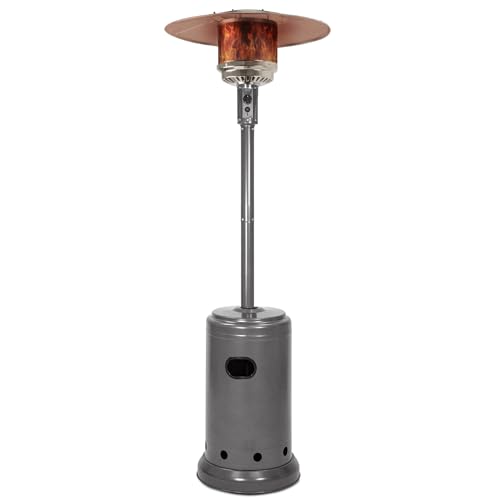


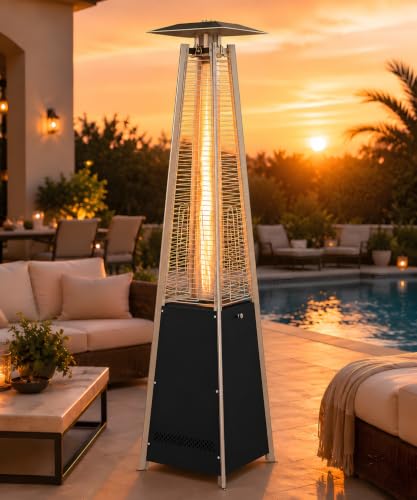
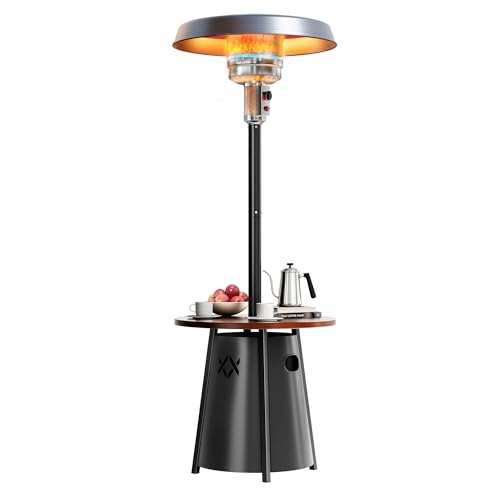
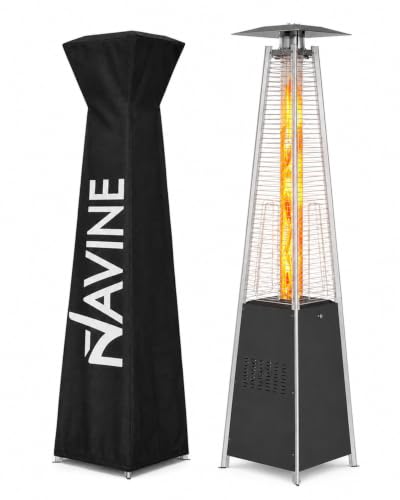
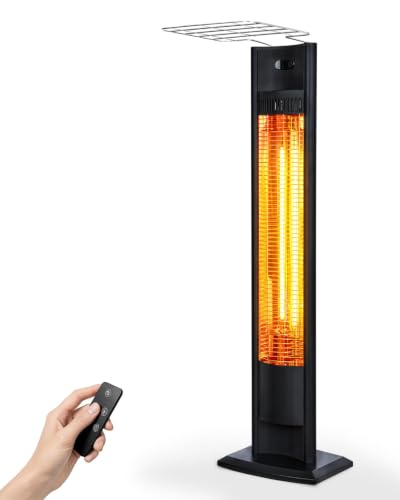
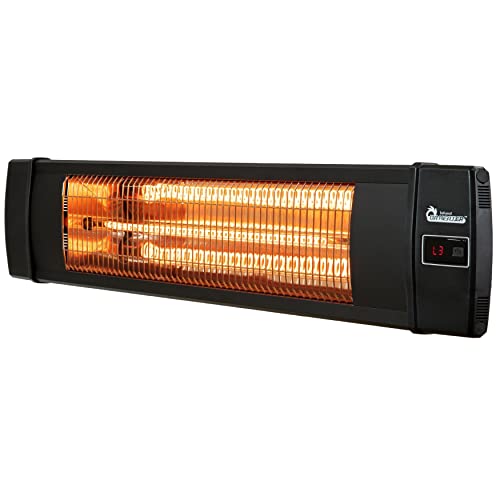
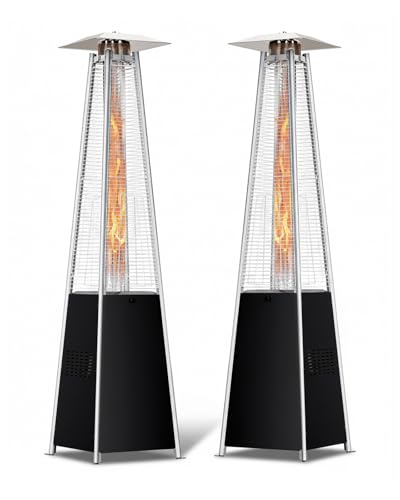
Amazon Basics Patio Heater Specs at a Glance
Heaters in this class share a familiar layout, so check each listing detail against your space before you order. Fuel is propane from a standard 20 pound tank that sits hidden inside the base. Heat output for full size mushroom models usually falls between about 40,000 and 48,000 BTU, and a variable control knob lets you turn the flame up or down. Look for push button ignition, a safety shutoff that cuts gas if the unit tips over, wheels on the base, and the stated height, since tall heaters need generous ceiling clearance on covered patios.
Design and Build Quality
The design follows the classic mushroom pattern. A wide round reflector sits on top of a tall pole, the burner and emitter screen sit just below the reflector, and the heavy base doubles as the tank housing with a door for access. The reflector pushes heat down and out in a circle, which suits a seating group arranged around the heater rather than a long narrow deck where heat at the far end goes to waste.
Finish matters outdoors. Powder coated steel resists rust better than bare metal, while stainless steel panels shrug off damp air with less care. Check how the base feels once the tank is inside, since the tank weight is what keeps the tall body steady. The reflector and emitter screen are thin parts by design, so expect them to discolor with heat over time. That color change is normal and does not reduce output, though dents in the reflector can slightly change how evenly heat spreads.
Performance
Performance depends less on the headline BTU figure than on wind, placement and how close people sit. The sections below break down the factors that shape real comfort on a cool evening.
Build Materials and Weather Resistance
Material choice decides how the heater ages outside. A stainless steel burner resists corrosion from damp air and repeated heating cycles, and it lights more reliably season after season. Painted steel bodies cost less but can bubble and rust where the finish chips, especially near the base where water pools. The emitter screen takes the most heat stress, so a thicker screen holds its shape longer. None of these heaters are built to sit out in heavy rain without a cover, and makers design them for open air use, never for enclosed porches, garages or indoor rooms, where carbon monoxide can build up with no warning.
Size and Capacity
A full size mushroom heater warms a circle roughly 10 to 15 feet across in calm air, which covers a dining set for six or a cluster of lounge chairs. Tall models stand over seven feet, so measure any roof, awning or umbrella above the spot you plan to use. Follow the clearance figures in the manual for the space above and around the burner, and keep the heater away from walls, railings and fabric. Capacity also means fuel. A 20 pound tank gives you a long evening on a lower setting and a much shorter run on full power, so frequent users should plan on keeping a spare filled tank.
Assembly
Assembly is a bolt together job that most owners finish in under an hour with basic tools. The reflector usually ships in panels that join at the top, and the pole, burner and base connect with supplied bolts and wing nuts. Work on a flat surface, keep every bolt finger tight until the frame is square, then snug them in sequence. Two people make the reflector step far easier, since the panels flex and the finished disc is awkward to lift alone. Finish with a leak check on the tank connection using soapy water, and watch for bubbles before the first lighting.
Durability
Long term wear shows up in predictable places. Igniters wear and may need a fresh battery or a replacement unit after heavy use. Rubber gas hoses stiffen with age and sun exposure, so inspect the hose each spring and replace it if you see cracks. The base can rust from the inside where condensation collects around the tank. Storing the heater under a cover in a dry shed or garage during the wet months slows all three problems, and a quick inspection before the first cool evening of the season catches small faults while parts are easy to order.
Key Features to Compare
Ignition and controls. A push button piezo igniter lights the burner without matches, and a variable control knob adjusts flame height. Some heaters add a separate pilot step, so read the lighting sequence before judging a unit that seems slow to start.
Safety shutoff. A tilt switch cuts the gas flow if the heater tips over, and a thermocouple shuts the valve if the pilot flame goes out. Both features matter on busy patios where chairs and pets move around the base.
Mobility. A wheel kit on one side of the base lets you tilt and roll the heater into storage. Given the height, moving it takes care on slopes and steps, and you should never move it while lit or still hot.
Tank access. A hinged door or lift off panel decides how annoying tank swaps feel at dusk. Check that the door clears a full tank and that the retaining strap inside holds the tank upright during moves.
Ease of Use, Cleaning and Maintenance
Daily use is simple. Open the tank valve, press the igniter per the manual, set the flame, and let the emitter screen glow for a minute before judging the warmth. Turning the knob down once guests are seated saves fuel with little loss of comfort, since the reflector keeps radiating stored heat. At the end of the night, close the tank valve first and let the remaining gas burn off before you switch the control off.
Routine care is light. Wipe the pole and base with a damp cloth once dust builds up, keep leaves and spider webs out of the burner area, and check the tank connection each time you swap tanks. Store the tank upright outdoors or in a ventilated space, never inside living areas. The detailed cleaning steps for the reflector and emitter screen are covered in the FAQ below.
Amazon Basics Patio Heater Pros and Cons
Pros
- Simple design with parts and accessories that are easy to find
- Strong heat output that suits open patios and larger seating groups
- Standard tank size, so fuel swaps are quick and widely available
- Wheels and a weighted base make storage moves manageable
Cons
- Tall body catches wind, which cuts the heated area on breezy nights
- Takes real floor and storage space compared with compact heaters
- Thin reflector panels dent easily and discolor with heat
- Outdoor use only, so it cannot help in enclosed or covered tight spaces
Who Should Buy the Amazon Basics Patio Heater (and Who Should Not)
Buy this style of heater if you host dinners or small gatherings on an open patio and want strong heat without wiring or installation. It suits owners with room to store a tall unit and a climate where evenings turn cool for a few months rather than bitterly cold all winter. Restaurants and rental hosts also favor this format because tanks swap fast and the controls need no training.
Skip it if your space is a small balcony, a screened porch or a low covered deck where clearance rules cannot be met. Skip it too if your patio sits in steady wind, since a directional heater will serve you better, or if you dislike storing propane and would rather plug in an electric model.
Amazon Basics Patio Heater vs Alternatives
Other formats solve different problems. Pyramid heaters trade some output for a visible flame inside a glass tube, which many buyers prefer for looks at events. Tabletop propane units heat a small circle for two to four people and use far less fuel, though they cannot warm a full dining set. Electric infrared heaters mount on a wall or stand, start instantly and work in tighter covered spaces where gas units are barred, but they need an outlet and their running cost depends on your power rate. For a wood fired option with a very different footprint and fuel routine, see our solo stove tower review for how that tower design heats and what upkeep it needs.
Where to Buy and Best Price
Full size propane mushroom heaters in this class often sell for about $130 to $230, with prices dipping during autumn promotions and end of season sales. Check that the box includes the wheel kit and reflector hardware, and confirm the return window in case a panel arrives bent. Prices and availability can change, so check the product page before ordering.
FAQs
Is the Amazon Basics Patio Heater worth it?
It is worth it if you use an open patio often enough that renting heaters or ending evenings early has become a real cost or annoyance. For a handful of gatherings each year, the value is weaker, since a smaller tabletop unit or extra blankets may cover the need for less money. Judge it against hours of use per season rather than the purchase price alone.
What are common Amazon Basics Patio Heater problems?
The most reported faults involve lighting. The igniter may click without a flame when air sits in a new tank line, which clears after a slow first start. A burner that lights then dies often points to a dirty thermocouple or a pilot blocked by dust or insects. Uneven flames usually trace back to blocked burner ports. Most of these faults respond to cleaning and a firm tank connection before any part needs replacing.
How long does the Amazon Basics Patio Heater last?
With covered storage and basic care, a heater in this class serves for several seasons, and owners in dry climates often get far longer service. Coastal air shortens that span because salt speeds rust on painted panels. The reflector and emitter screen usually show age first, while the valve, hose and igniter are the parts most likely to need replacement over the life of the unit.
What is a cheaper alternative to the Amazon Basics Patio Heater?
A tabletop propane heater costs less to buy and burns less fuel per hour, which suits couples or small groups who sit close together. The trade is coverage, since the warm circle shrinks a lot. Electric fan heaters cost even less upfront for a covered corner, but they warm people far less effectively outdoors where air moves freely.
How do you clean the Amazon Basics Patio Heater?
Wait until every part is fully cold, then close the tank valve. Wash the reflector and pole with warm water, a mild soap and a soft cloth, and dry them to limit water spots. Use a soft brush to clear dust and webs from the burner ports and pilot area, never a pin or wire that can widen the openings. Wipe the base inside and out, since grit around the tank ring traps moisture.
Final Thoughts
A mushroom style propane heater is a proven way to keep an open patio comfortable, and this amazon basics patio heater review shows the format at its most straightforward, with standard parts, strong output and simple controls. Weigh the wind exposure and storage space at your home against the output on offer, compare the details in the product table above once more, and you will know whether this heater earns its spot on your patio.