
Alexapure Pro Review: Honest Pros, Cons & Who It's For (2026)
Disclosure: We may earn a commission when you buy through links on this page, at no extra cost to you. As an Amazon Associate I earn from qualifying purchases. Learn more

Thinking about the Alexapure Pro? Our honest Alexapure Pro review covers everyday pros and cons, who it suits, and smarter alternatives if it's not a fit.
This alexapure pro review takes a practical look at a gravity fed countertop filter and the households it actually suits. Instead of chasing lab claims, it focuses on the questions that decide daily life with this unit: how much counter space it takes, how often you will refill it, what upkeep looks like, and what owning it costs over time. The comparison table below puts the key facts in one place.
A gravity system asks nothing from your plumbing or your power outlet, and that simplicity is the whole appeal. You fill the top chamber, wait while water moves down through the filter elements, and draw clean water from a spigot. If you are still weighing filter styles, our guide to the best countertop water filter options explains how gravity units compare with pitcher, faucet mount, and powered designs.

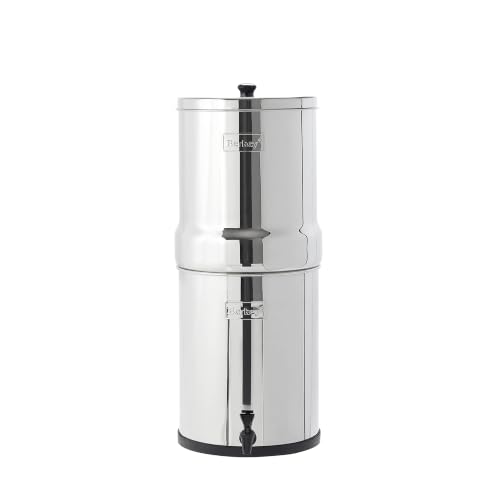
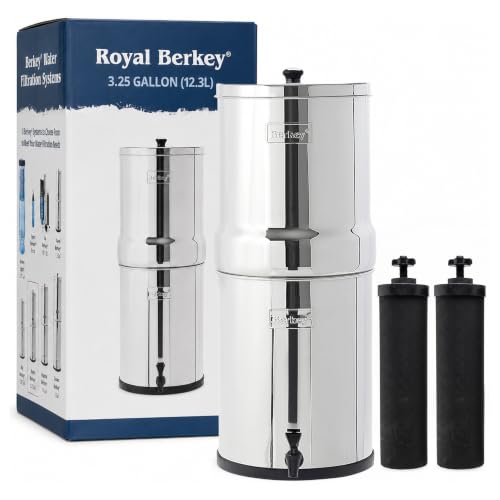


Alexapure Pro: Key Specs to Check
Before anything else, confirm the basics against the current listing and the maker documentation, because versions and bundles change.
- Format: a freestanding gravity unit with an upper fill chamber, a lower storage chamber, filter elements between them, and a spigot at the front.
- Housing: stainless steel chambers with a lid, built to sit on a counter or a stand.
- Power and plumbing: none required, since water moves by gravity alone.
- Elements: bundles vary, so confirm how many elements are included before you order.
- Footprint and height: measure counter depth and clearance under wall cabinets, because a tall two chamber unit needs both.
- Warranty: check current terms for the housing and the elements separately, since coverage often differs.
First Impressions and Build
The first thing most buyers notice is presence. A stainless steel gravity filter looks more like a beverage dispenser than a small appliance, and it sits in plain view all day, so finish and proportions matter. In a kitchen with open shelves it blends in easily. In a tight galley kitchen it can dominate the one stretch of counter you use for prep.
The build approach is simple on purpose. There are no pumps, no electronics, and no seals under pressure, which means fewer parts can fail. Parts you touch daily, like the lid and the spigot lever, deserve a close look in buyer photos, because those touches decide whether the unit feels solid or merely adequate.
How It Performs in Everyday Home Use
Daily life with a gravity filter settles into a rhythm of filling, waiting, and pouring.
Placement and Compatibility
Placement is the first real test. The unit needs a flat, stable surface near your sink, because you will carry water to it, and a full chamber is heavy. Check the height against your upper cabinets, since you need room to lift the lid and pour. Renters tend to like this style because nothing is drilled, cut, or plumbed in. If your only counter space sits beside a stove, consider a stand in a nearby corner instead.
Build Quality and Finish
With a steel housing, quality shows in details you can verify: smooth rolled rims, a lid that sits flat, seams that look even, and a spigot that turns without wobble. A well finished chamber also cleans more easily, because there are fewer rough edges where residue can cling. Look for clear answers from the seller about replacement spigots and seals, since gravity units can serve for many years and small parts matter as much as the shine on day one.
Features That Shape Daily Use
The feature list on a gravity filter is short, and that is a strength if you value calm, quiet filtering. There is no noise, no light, and no filter change indicator counting down. What you get instead is storage: filtered water waits in the lower chamber until you open the spigot. The useful questions are simple. How much does the lower chamber hold between refills? How fast does a full upper chamber drain through? And can you add more elements later to speed the flow?
Certifications and Claims
Filtration claims are where careful reading pays off. Makers describe reduction of contaminants such as chlorine and lead, but the strength of those claims depends on testing done to recognized standards by independent labs. Look for actual test reports or standard references in the maker documentation rather than badge images on a sales page. If a claim matters because of an issue in your local water report, match that specific contaminant to the published data before you buy.
Features You Will Actually Use Every Day
Three traits do the real work in daily life. The spigot lets kids and guests serve themselves without lifting a heavy pitcher from the fridge. The visible water level tells you when a refill is due, so the system rarely runs dry without warning. And with no connection to the tap, the filtered supply keeps working during a power cut, as long as you filled it beforehand. A morning top up while coffee brews then keeps the chamber ready for cooking and bottles through the day.
Living With It: Setup, Cleaning and Upkeep
Setup is mostly washing, assembling, and priming. You rinse the chambers, fit the elements and the spigot with their washers in the right order, and follow the maker steps to prepare new elements before first use. Skipping steps is the usual cause of odd taste or slow flow at the start. Once done, there is nothing to plug in and nothing to program.
Upkeep is light but steady. Wipe the exterior, wash the chambers on a regular cycle, and keep the spigot area clean, because it is the part your glass touches. If the unit will sit unused during a trip, empty it rather than leaving water standing.
Strengths and Trade Offs of This Design
The strengths of the Alexapure Pro follow directly from its gravity design:
- It works without power, plumbing changes, or a plumber visit.
- It stores a useful volume of filtered water ready to pour.
- The steel housing suits long service and wipes clean easily.
- It moves with you, which suits renters and anyone who relocates often.
The trade offs are just as clear:
- Filtering takes time, so you plan refills instead of pouring on demand.
- The footprint is large compared with a pitcher or a faucet mount filter.
- Replacement elements are an ongoing cost you must budget for.
- Taste depends on your source water, and no gravity filter softens hard water.
Is the Alexapure Pro Right for Your Household?
For a family of three or more that cooks often, stored gravity water earns its counter space. You can fill pots, kettles, and bottles back to back without waiting on a small pitcher. Couples in a medium kitchen also do well, as long as one clear stretch of counter can be given up for good.
Smaller households need to think harder. If you live alone in a compact apartment, the same volume that helps a family may leave water sitting longer than you like, and a smaller format could suit you better. This alexapure pro review keeps coming back to one test: match the storage size to the water you truly use each day, not to a holiday week with a house full of guests.
How the Alexapure Pro Compares
Within gravity filtering, the main fork is size and element count. Larger rival systems hold more water and suit big families, and our big berkey review covers the best known example of that larger pattern, including its footprint and upkeep. The Alexapure Pro sits in the same broad family, so the comparison comes down to capacity, included elements, and price on the day you shop.
The other fork is powered countertop treatment, which uses a pump and a different filter path in a carafe sized body. If that approach sounds closer to your habits, our aquatru carafe review walks through how a powered carafe system differs in speed, waste water, and counter space. Gravity wins on simplicity and silence, while powered designs win on speed and compact storage.
Price, Deals and Warranty
Street prices for gravity systems move with sales and bundle contents, so compare the full package rather than a headline figure: how many elements are in the box, whether a stand is included, and what shipping adds. A spare set of elements bought on offer often saves more over the years than a small cut on the housing. Confirm the warranty in writing before ordering, because housing and elements rarely share the same terms.
Common Buying Mistakes to Avoid
- Measuring counter width but forgetting the height under cabinets, so the lid cannot lift clear for filling.
- Buying the largest size for a small household, then drinking stale tasting water because it moves too slowly.
- Comparing headline prices without counting how many filter elements each bundle includes.
- Expecting a gravity filter to soften hard water or fix a plumbing problem it was never designed to solve.
Cost of Ownership and Care
The purchase price is only the start. Your real cost per year is driven by element replacement, which depends on how much water you filter and what your source water carries. Heavy daily use and sediment rich water shorten element life, while a small household on clean city water stretches it further. Keep a note of install dates so replacement never sneaks up on you.
Care habits protect that spending. Keep the unit out of harsh direct sun, avoid abrasive pads on the steel, and dry the chambers fully before any long storage. Treated gently, the housing should outlast several sets of elements.
Your Questions, Answered
How do you clean the Alexapure Pro?
Wash the steel chambers with warm water and mild soap, then rinse well and dry with a soft cloth. Never use soap or scrubbing pads on the filter elements themselves, because residues can clog or damage the filter media. If an element needs attention, follow the maker guidance only, which usually means a gentle rinse under running water and nothing stronger.
What is a cheaper alternative to the Alexapure Pro?
A pitcher filter or a faucet mount filter costs far less at the start and suits one or two people well. The catch is pace and capacity: you refill often, and cartridges are replaced on a much shorter cycle, so the yearly running cost gap is smaller than the shelf prices suggest. A cheaper alternative makes sense when your daily use is low, and less sense when you cook with filtered water daily.
How long does the Alexapure Pro last?
The steel housing is the long lived part and can serve for many years with basic care. The filter elements are the wear item, and their life is rated in gallons filtered rather than in months, so your usage sets the schedule. If you store the unit for a long stretch, let the elements dry fully first, because damp storage shortens the life of an otherwise sound set.
What are common Alexapure Pro problems?
Most reports about gravity systems of this kind involve slow flow, a drip at the spigot, or taste complaints in the first days. Slow flow often traces back to elements that were not primed fully, and a spigot drip usually means a washer is seated unevenly. Taste at the start typically settles after the first few fills are discarded. None of these need a service visit, but each is a reason to follow the setup guide closely.
Is the Alexapure Pro worth it?
It is worth it when the fit is right: you have the counter space, you like stored water ready to pour, and you want filtering that ignores power cuts and plumbing limits. The value case weakens if your household is small, your kitchen is tiny, or you know you will resent the fill and wait routine. Worth here is mostly about habit match, and only partly about the hardware, because the daily experience is what you are really buying.
Final Thoughts
Judged on fit rather than hype, the Alexapure Pro is a calm, capable take on gravity filtering for homes that use a lot of drinking and cooking water. Use the product table above to confirm the current bundle, size, and warranty before you decide. If your space, household size, and routine line up with what this alexapure pro review describes, it is a sound long term addition to the kitchen. If they do not, a smaller or powered design will serve you better.


