Airless vs HVLP: Which Is Better in 2026?
Disclosure: We may earn a commission when you buy through links on this page, at no extra cost to you. As an Amazon Associate I earn from qualifying purchases. Learn more

Airless vs HVLP: we compare the key differences, pros and cons side by side so you can decide which one is right for you. Updated for 2026.
If you are weighing airless vs hvlp sprayers for your next paint job, the quick answer is simple. Pick airless when speed and coverage matter most, such as siding, fences, and full rooms. Pick HVLP when control and a smooth finish matter most, such as cabinets, doors, and furniture. Neither type wins at everything, and the wrong match usually costs you extra masking, extra thinning, or extra coats.
The sections below walk through how each system works and what ownership involves. You can also see our guide to the best paint sprayer to compare these approaches against other sprayer styles. Start with the comparison table below, then read the difference that matters most for your project.


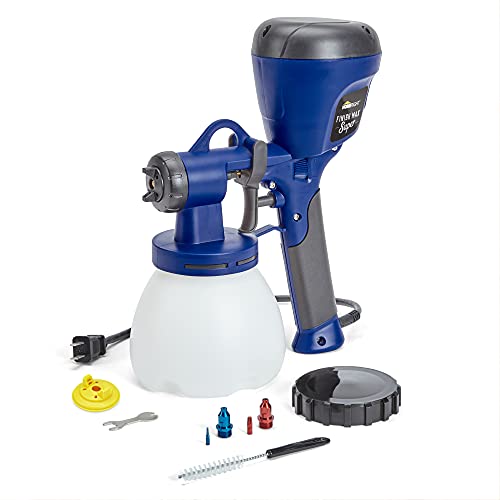

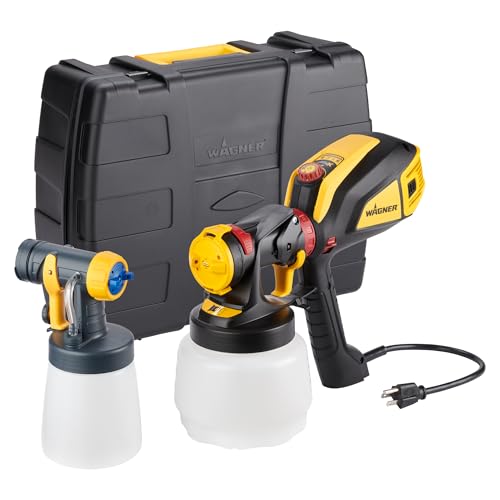
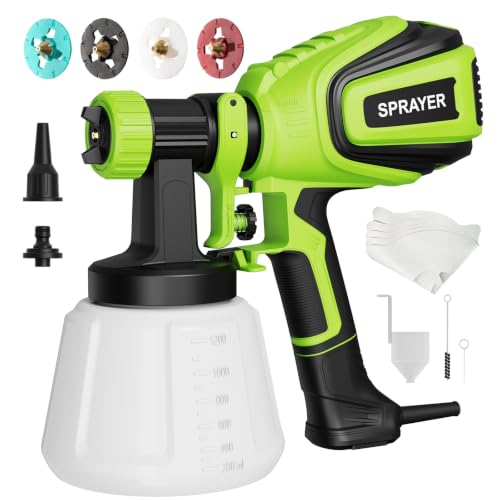

Airless vs HVLP at a Glance
The table sums up the trade in one view. Use it as a starting point, because the details on thinning, cleanup, and running costs below often decide the purchase in the end.
| Criteria | Airless | HVLP | Winner |
| Best use | Large walls, siding, fences | Cabinets, trim, furniture | Depends on project |
| Paint delivery | Fluid pressure only | Air plus fluid | Airless for volume |
| Finish quality | Good, slightly textured | Very smooth and controlled | HVLP |
| Overspray | More drift and masking | Less drift, more paint on target | HVLP |
| Thick coatings | Sprays thick latex with ease | Often needs thinning | Airless |
| Cleanup | Pump, hose, gun, and filters | Cup and gun only | HVLP |
| Learning curve | Fast once technique settles | Gentler for careful work | HVLP |
What Is Airless? What Is HVLP?
Airless Overview
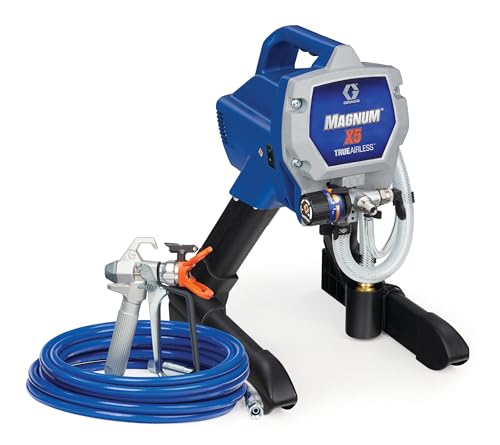
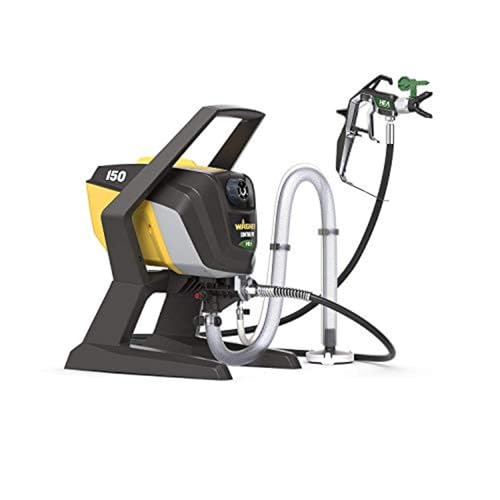
An airless sprayer uses an electric or gas pump to push paint through a long hose and out of a very small tip at high pressure, often 2000 to 3000 psi. The pressure alone breaks the paint into a fan of fine droplets, so no compressed air is involved. Because paint feeds straight from the can, you can lay down thick coats of latex or primer quickly and keep working without stopping to refill a small cup.
That pressure demands respect. Never point an airless gun at skin, and treat any paint injection injury as an emergency that needs urgent medical care, even when the wound looks tiny. Work with ventilation, eye protection, and a respirator rated for paint spray, and keep bystanders and pets out of the spray area until surfaces are dry.
HVLP Overview
HVLP stands for high volume low pressure. A turbine or an air compressor supplies a large flow of air at low pressure, with pressure at the air cap held to about 10 psi. The air wraps around the paint stream as it leaves the gun and breaks it into soft, slow moving droplets. Paint sits in a cup on the gun, either above it in a gravity feed design or below it in a suction feed design.
That soft spray cloud is the whole point. Droplets arrive gently, settle smoothly, and level out well on trim and cabinet doors. The trade is pace. The cup holds far less paint than a bucket feed, coats go on thinner, and many paints need thinning before a turbine unit can atomize them into an even fan.
Key Differences
Power and Performance
Airless wins on raw output. A larger tip and high fluid pressure move a lot of paint per minute, so a fence line, a garage interior, or house siding can be coated in a fraction of the time brushing would take. Thick latex, block filler, and heavy primers spray with little or no thinning, which keeps film build strong in one pass. The risk is applying too much at once, which leads to runs on vertical surfaces when your gun speed slows at corners and edges.
HVLP output is modest by design. Thinner coats suit lacquer, enamel, stain, and clear coats, where a heavy wet coat would sag or turn cloudy. You gain fine control over the fan width and fluid flow right at the gun, so detail work around spindles, drawer fronts, and door panels stays tidy. Plan on more passes and more refill stops, and accept that a whole house exterior would take far longer than most owners are willing to spend.
Power Source and Runtime
Most home airless units plug into a standard outlet, gas models suit job sites without power, and a growing group of cordless models runs on tool batteries for smaller jobs. Runtime in practice means paint supply, and pulling from a one gallon or five gallon container lets you spray for long stretches. HVLP systems split into self contained turbine units, which only need an outlet, and compressor driven guns, which need a compressor that can deliver enough air without constant cycling.
Battery runtime matters only for the cordless airless group, where a large tip and thick paint drain packs quickly. For plug in gear, your real limits are hose length, cup size, and how often you stop to stir, strain, or refill.
Ergonomics and Weight
An HVLP gun is light in the hand, and the heavy turbine stays on the floor, so long sessions on cabinets or furniture cause less arm fatigue. The air hose is wide but flexible, and it trails loosely as you move around a workpiece. Balance feels natural for horizontal surfaces and detailed passes, although the cup on top can block your view of tight corners and adds weight as it fills.
An airless gun is also fairly light, but the fluid hose is stiff under pressure and pushes back as you swing the fan across a wall. The pump unit itself is the heavy part, often on wheels or a stand, and moving it between rooms or up stairs takes effort. On ladders and scaffolding, hose drag deserves real attention, since a sudden pull can shift your balance or drag the gun off line.
Durability
Airless pumps work hard. Packings, seals, and piston parts wear as abrasive pigments pass under high pressure, and spray tips slowly enlarge until the fan pattern turns uneven and paint use climbs. Inlet strainers and gun filters clog when paint carries dried skins or debris, so straining paint before you start protects the whole system. Units built with serviceable pumps cost more upfront, but worn parts can be replaced instead of scrapping the machine.
HVLP gear lives an easier life at low pressure. Needles, nozzles, and air caps wear mainly from cleaning and from swapping sets for different materials, and a bent needle tip will spoil the pattern at once. Turbine motors depend on clean foam filters, because a starved motor runs hot. Guns with metal fluid passages tolerate solvent based finishes well, while plastic cups and seals can swell or crack when strong solvents sit in them for long periods.
Warranty
Warranty terms vary a lot between brands, so read them as a comparison point rather than assuming cover is equal. Pumps and turbine motors usually carry the longest cover, while guns often carry a shorter term. Wear parts such as tips, needles, packings, seals, and filters are normally excluded, since their life depends on the material sprayed and on cleaning habits. Some warranties also limit cover to home use, which matters if you plan paid work for neighbors or clients.
Before you buy, check how a claim is handled. A brand with local service centers and a clear parts list can be worth more than a longer term on paper. Keep your receipt somewhere safe, since makers usually ask for proof of purchase before they approve a repair.
Price and Value
Complete HVLP turbine systems for home and small shop use run about $120 to $450, with pro grade turbines costing more. Airless units for homeowners run about $220 to $650, and heavier pro rigs pass $1000 quickly. If a smaller airless model fits your plans, the graco magnum x5 review sets out what that class of machine covers. Judge value over several projects, not one, because a sprayer bought for a single fence may cost more than renting.
Running costs tilt the math further. Airless overspray wastes more paint on big open surfaces unless masking is thorough, and spare tips and filters add up over a season. HVLP wastes less paint per coat but may need added thinner, extra needle and nozzle sets for varied materials, and more of your time. Time has value too, so a faster system can be the cheaper one on a large job even at a higher purchase price.
Which Should You Buy?
Choose Airless If
Choose airless when your project list is measured in walls, not in doors. House exteriors, interior rooms in an empty home, fences, decks, sheds, and rental turnovers all reward speed and thick single coats. You will accept heavier masking, a longer cleanup, and a finish that looks great at normal viewing distance rather than flawless up close. If a step up in capacity is on your list, the graco magnum x7 review covers a larger home use airless option.
Choose HVLP If
Choose HVLP when the surface will be seen and touched up close. Kitchen cabinets, built in shelving, furniture, interior doors, and trim all benefit from thin, level coats and gentle overspray that is easier to contain indoors. You will accept slower progress, some thinning experiments on scrap wood, and a cup to refill. For a workshop that handles varied finishes, from stain to clear coat to enamel, that control usually matters more than pace.
Other Options to Consider
One hybrid worth knowing is air assisted airless, which pairs a fluid pump with a small amount of air at the gun to soften the fan and sharpen the finish. Pro shops use it to spray cabinets at a pace HVLP cannot match, but the gear costs far more than most home projects justify. For a single small job, a good brush and a short nap roller remain the lowest cost option, with no masking and almost no cleanup.
FAQ
Is airless better than HVLP for a first sprayer?
For a first sprayer, HVLP is usually the kinder place to start. The gun responds gently, mistakes show up as thin spots you can recoat, and a test panel teaches you fan control within minutes. Airless rewards confidence and punishes hesitation with runs and heavy edges. One point new buyers miss is practice cost. Scrap cardboard and water based paint give you cheap lessons on either system, so budget an hour of practice before real paint ever reaches your project surface.
What is the main difference between airless and HVLP sprayers?
The main difference is what breaks the paint apart. Airless uses fluid pressure alone, while HVLP uses a flow of low pressure air. When you shop, that split shows up in the specs worth comparing. For airless, look at maximum tip size and flow rate, since those set which coatings you can spray. For HVLP, look at turbine stages and the needle and nozzle sets included, since those set how thick a finish the gun can handle well.
Which is easier to clean, airless or HVLP?
HVLP is easier to clean for most owners. The cup, fluid tip, and air cap come apart quickly, and the total paint path is short, so a small amount of water or solvent clears it. An airless system holds paint through the pump, a long hose, and the gun, so flushing takes more water, more time, and planning for the waste liquid. Store an airless pump with the storage fluid the maker recommends, because dried residue inside the pump is a common cause of failure at the next use.
Which sprayer type lasts longer, airless or HVLP?
Neither type has a fixed life advantage, because both fail early for the same reason, paint left to dry inside. What separates long lived machines is parts support. A sprayer with spare packings, needles, seals, and filters that you can actually order years later will outlast a cheaper unit with no parts network. Check the maker parts diagram before you buy, and favor models whose wear parts are sold separately rather than only as a full replacement gun or pump assembly.
The Bottom Line
There is no single winner in airless vs hvlp, only a better match for the work in front of you. Airless brings speed, thick coatings, and long spraying runs for large surfaces. HVLP brings control, smooth finishes, and easy cleanup for detailed work. Match the system to your biggest planned project, confirm the running costs in the product table above, and either choice will serve you well for years of projects.