Air Fryer vs Deep Fryer: Which One Fits Your Home Better? (2026)
Disclosure: We may earn a commission when you buy through links on this page, at no extra cost to you. As an Amazon Associate I earn from qualifying purchases. Learn more
Air Fryer vs Deep Fryer: see how they differ in everyday use, features and value, and which one makes more sense for your home and budget.
Picture a Friday night in a small apartment kitchen. Counter space is tight, two kids are hungry, and a bag of frozen fries is waiting in the freezer. You want food that comes out crisp and golden, but you also want a cleanup you can finish before the movie starts. That everyday tension is the heart of the air fryer vs deep fryer choice. Both appliances promise crunchy results, yet they ask very different things of your space, your routine, and your wallet.
This guide compares the two through the lens of home life: how much room each one takes, how many people each one feeds, how much effort each one demands on a weeknight, and what each one costs to own over time. The comparison table below gives you the short version first.


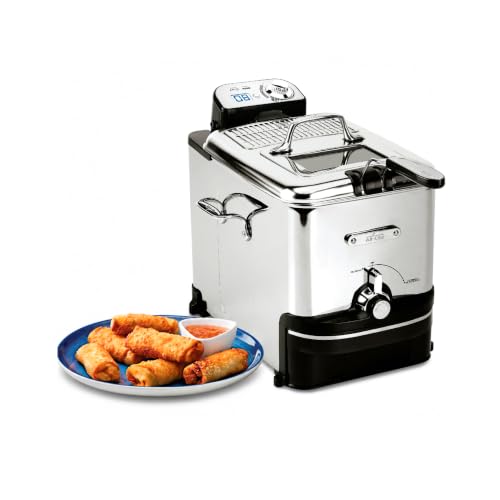

Air Fryer vs Deep Fryer at a Glance
The fastest way to see the difference between air fryer and deep fryer models is to line up the factors that shape daily life at home. Neither appliance wins every row, and the rows that matter most depend on your household.
| Criteria | Air Fryer | Deep Fryer | Winner |
|---|---|---|---|
| Counter and storage space | Compact to midsize, often left out | Wide and bulky, usually stored away | Air Fryer |
| Batch size for a family | Smaller batches, may need two rounds | Large batches in one session | Deep Fryer |
| Taste of battered foods | Good, but wet batter struggles | Classic crisp and even browning | Deep Fryer |
| Everyday ease | Set a timer and walk away | Oil heating, watching, and draining | Air Fryer |
| Cleanup | Basket and drawer, often dishwasher safe | Filtering, storing, and disposing of oil | Air Fryer |
| Running costs | Electricity only | Electricity plus fresh oil often | Air Fryer |
Meet the Contenders: Air Fryer and Deep Fryer
Air Fryer Overview
An air fryer is a compact countertop oven that cooks with fast moving hot air. A fan pushes heat around a small chamber, so food crisps on the outside while staying tender inside, using little or no added oil. Most models hold between two and eight quarts, and many include presets for fries, wings, vegetables, and reheating leftovers. Because the chamber is small, it heats quickly and suits the rhythm of busy homes where dinner needs to happen fast and cleanup needs to stay simple.
Deep Fryer Overview
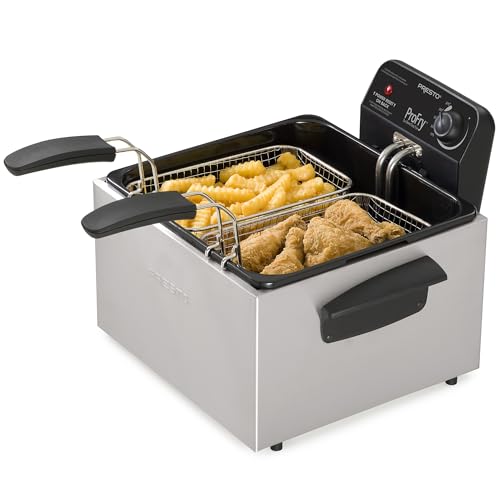
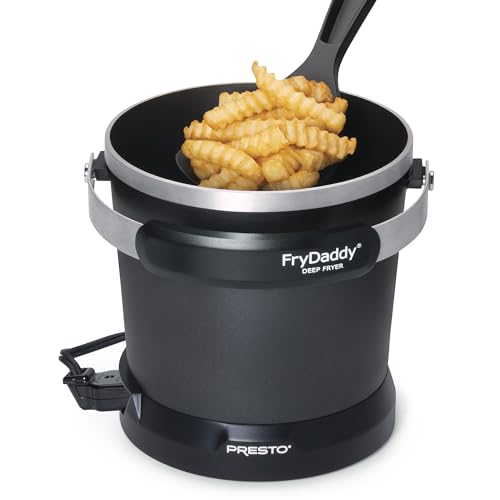
A deep fryer cooks food by submerging it in a tank of hot oil, usually held at a steady temperature by a thermostat. That full immersion is what gives fried chicken, battered fish, and doughnuts their even color and shattering crust. Home models range from small one liter units for a couple up to large multi basket designs built for gatherings. The trade off is everything the oil brings with it: splatter on nearby surfaces, lingering smell in the room, and a tank of used oil that needs filtering, storing, or disposal after each session.
Head to Head: Where They Really Differ
Capacity: Air Fryer vs Deep Fryer
Capacity decides whether dinner comes out in one round or three. A midsize air fryer basket holds about a pound of fries in a single layer, and crowding that layer traps steam and softens the crust, so a family of five may cook in two rounds. A deep fryer handles bigger loads at once because food floats freely in the oil and cooks from every side. If your home hosts game days or extended family dinners, the deep fryer feeds a crowd with less waiting. If most meals serve one to three people, the air fryer capacity is rarely a limit.
Cooking Performance: Air Fryer vs Deep Fryer
Hot oil surrounds food completely, so a deep fryer browns batter evenly and keeps delicate coatings intact. Wet batters that drip and puddle in an air fryer basket set into a crisp shell within seconds in oil. An air fryer shines with foods that carry their own fat or a dry coating: wings, roasted vegetables, breaded cutlets, and frozen snacks all come out crisp with far less oil. Wide and shallow basket designs spread food out for better browning, and our typhur dome 2 review looks at that layout in more detail. For weeknight staples, most households find air fried results close enough that the easier routine wins.
Ease of Use: Air Fryer vs Deep Fryer
Daily effort is where the air fryer or deep fryer decision often settles. With an air fryer, you load the basket, set the time and temperature, shake once partway through, and serve. There is no oil to preheat for ten minutes and no basket of dripping food to drain over a tank. A deep fryer asks for more attention: filling to the marked line, waiting for the oil to recover between batches, and watching the food so it does not overbrown. Some cooks enjoy that hands on ritual on a weekend. On a Tuesday, most people do not.
Cleaning: Air Fryer vs Deep Fryer
Cleanup is the least glamorous factor and the one owners mention most after a month of use. An air fryer leaves a basket and a drawer or tray, and most of those parts go straight into the dishwasher or wash clean with hot soapy water in a few minutes. A deep fryer leaves oil on the basket, the lid, the tank walls, and often the counter around it. The oil itself must be cooled, strained, and stored for reuse or bottled for disposal, a chore that adds real time to every session and tempts many owners to use the appliance less and less.
Noise: Air Fryer vs Deep Fryer
An air fryer runs a fan for the full cooking time, so it produces a steady hum that is roughly on par with a microwave. In an open plan home, you will hear it from the next room, though normal conversation still carries over it. A deep fryer is mostly quiet, with gentle bubbling once the food goes in and a louder sizzle in the first minute. If you cook early in the morning or late at night in a small apartment with thin walls, the quieter deep fryer may suit your routine better.
Safety and Warranty: Air Fryer vs Deep Fryer
A tank of oil at frying temperature is the biggest safety gap between the two. Splashes can burn skin, a bumped fryer can spill, and water dropped into hot oil erupts violently, so a deep fryer needs a stable surface, full attention, and distance from young children. Never use water on a grease fire; smother it with a lid or use an extinguisher rated for grease. An air fryer keeps its heat enclosed, and most models shut off when the basket opens, which lowers the risk for households with curious kids. Warranties on both types usually run about one year, and registration with the maker sometimes extends coverage.
Price and Value
Purchase prices overlap more than many shoppers expect. Compact air fryers start at about $40 to $80, and larger family models land around $100 to $200. Home deep fryers run about $40 to $120 for most sizes. The real gap shows up after the purchase. A deep fryer needs several cups of fresh oil per session, and even with careful straining, that oil breaks down after a handful of uses, adding a steady grocery cost. An air fryer spends a little electricity and the occasional sheet of parchment. Over a year of weekly use, the air fryer is usually the cheaper appliance to own.
Our Recommendation for Your Home
Pick Air Fryer If
- Your counter or storage space is limited, and the appliance needs to earn its spot.
- You cook for one to four people and value a fast weeknight routine.
- You want crisp food with little oil and a cleanup that takes minutes.
- You would rather avoid storing and disposing of used cooking oil.
Solo cooks and small households can go even smaller than a standard basket model. If a clear glass cooking chamber sounds easier to monitor than a drawer, our ninja crispi review examines that approach. And if counter space is your main worry, the dash compact air fryer review covers a footprint built for tight kitchens.
Pick Deep Fryer If
- You regularly cook fried food for a crowd and want it all done at once.
- Battered fish, fried chicken, and doughnuts are traditions in your home.
- You have storage room for a bulky appliance and a safe spot for used oil.
- The weekend cooking ritual itself is part of the pleasure for you.
Not Sold on Either? One More Option
A countertop convection toaster oven is the quiet middle path. It holds more food than most air fryer baskets, toasts and bakes as well as it crisps, and asks for no oil management at all. It heats more slowly than a dedicated air fryer and takes more counter room, so it suits homes that want one appliance to cover many jobs. If that trade off appeals to you, start with our guide to the best air fryer models to see how compact units compare before you widen the search.
Your Questions, Answered
Which lasts longer, an air fryer or a deep fryer?
A deep fryer has fewer moving parts, just a heating element and a thermostat, so the appliance itself can run for many years. Its real wear point is the oil, which degrades with every session. An air fryer fan motor does steady work each time you cook, and heavy daily use can wear it sooner. In practice, how often you clean the heating area and avoid overfilling matters more than the appliance type for lifespan.
Which is easier to clean, an air fryer or a deep fryer?
The air fryer wins this one clearly. Beyond the basket and drawer, one extra trick helps: a short soak in hot water with a drop of dish soap loosens baked on residue without scrubbing the coating. A deep fryer adds oil handling on top of washing parts, and the tank often cannot go under the tap if the control unit is attached. Plan on wiping the exterior after every session, since oil mist settles on nearby cabinets too.
What is the main difference between an air fryer and a deep fryer?
The main difference is the cooking medium. A deep fryer surrounds food with hot oil, which transfers heat fast and evenly and sets wet batter on contact. An air fryer surrounds food with hot moving air, which crisps surfaces more gently and needs the food itself or a light oil coating to carry the browning. That single difference explains nearly every other gap in this comparison, from cleanup effort to running cost to the foods each appliance handles best.
Is an air fryer better than a deep fryer for everyday home cooking?
For most homes, yes, and the reason is routine rather than raw results. Most home cooks land on the same point: the appliance that gets used three times a week beats the one that stays in a cupboard. An air fryer reheats leftovers, roasts vegetables, and crisps frozen snacks with almost no setup. The deep fryer still wins on dedicated fry nights, but everyday cooking rewards the machine with the lowest effort per meal.
The Bottom Line
The deep fryer remains the specialist: nothing else at home matches its crust on battered food or its speed with big batches. The air fryer is the generalist that fits more kitchens, more schedules, and more budgets. Look back at the product table above, weigh your space and your household size honestly, and the right choice usually becomes clear. For most homes, the air fryer vs deep fryer debate ends with the air fryer on the counter and the deep fryer reserved for the few occasions that truly call for it. Prices and availability can change, so check the product page before ordering.