Air Circulator vs Fan: Which Is Better in 2026?
Disclosure: We may earn a commission when you buy through links on this page, at no extra cost to you. As an Amazon Associate I earn from qualifying purchases. Learn more

Air Circulator vs Fan: we compare the key differences, pros and cons side by side so you can decide which one is right for you.
Choosing between an air circulator vs fan setup comes down to how you want air to move in the room. A fan aims a breeze at you, while a circulator throws air across the space so it keeps moving from wall to wall. The comparison table below sums up the main trade offs so you can spot the better fit fast.
Pick a circulator if you want even comfort in a whole room, especially with air conditioning running. Pick a standard fan if you mainly want a direct breeze at a desk, bed, or sofa for the lowest cost. Neither type lowers the air temperature on its own. Both cool you by moving air across your skin.


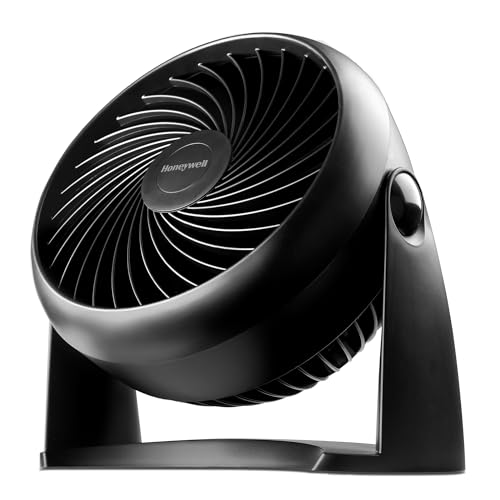


Air Circulator vs Fan: Comparison Table
Use this side by side view as a quick filter before you read the detail. The winner changes with the job, because direct comfort and whole room mixing are different goals.
| Criterion | Air Circulator | Fan | Winner |
| Best use | Moving air across a whole room | A breeze aimed at one spot | Depends on the room |
| Air pattern | A focused stream that bounces off walls | Wide or oscillating flow at close range | Circulator for reach |
| Cooling feel | Even and indirect | Strong and immediate | Fan for instant relief |
| Noise | Steady whoosh, louder at high speed | Varies by size and speed | Fan at low speed |
| Energy use | Often higher on the top setting | Often lower on low and medium | Fan for light use |
| Cleaning | Grille and blade need regular dusting | Grille and blade need regular dusting | Tie |
| Cost | Usually higher | Usually lower | Fan |
A tie on cleaning and a split on cost show why price alone is a poor guide. Placement and reach decide most of the real difference.
What Is an Air Circulator? What Is a Fan?
Air Circulator Overview
An air circulator is a compact fan built to move air in a continuous loop around a room. Its deep housing, angled blades, and tight grille shape the flow into a stream that can travel to the far wall, bounce back, and keep the air mixing. Many models tilt far up or down so you can aim the stream at a wall or ceiling. Our vornado 660 review shows this focused design in a typical home model.
Fan Overview
A standard fan is built to blow air toward the people near it, not to mix the air in the whole room. Tower, pedestal, desk, and box designs spread flow over a wider area, and many swing from side to side to cover a sofa or bed. The breeze feels strongest within a few feet of the grille. Once you step outside that path, the cooling effect drops fast.
Key Differences
Coverage
Circulators suit rooms where air must travel, such as a living room of about 200 to 400 square feet with seating spread out. A standard fan covers the zone in front of it well, but it leaves corners and far seats much calmer. Neither type carries a CADR rating, since neither one cleans air, and neither lists BTU, since neither one removes heat. Judge coverage by airflow ratings, room size guidance, and how far you sit from the unit.
Performance
A circulator performs best when it can run for a while and set the whole room in motion, so the comfort feels even rather than gusty. It also helps an air conditioner spread cooled air into corners that the vent misses. A fan performs best in the first minute, giving instant relief on skin when you sit in its path. If you want a chill that feels direct and personal at close range, the fan wins this round.
Noise Level
Circulator noise rises fast on the top setting because the motor pushes a tight stream of air, and the sound can carry in a quiet bedroom. On low it becomes a steady background whoosh that many sleepers accept. Standard fans tend to sound softer at low speed, though small desk models can whine and large blades can thump if the grille rattles. Run any model on the speed you will use at night before you judge it.
Energy Use
Most home fans draw modest power, often about 30 to 80 watts on common settings, while stronger circulators can draw more on high. The gap matters less than hours of use, since a fan on low all evening can cost less than a circulator on high for the same period. Using either type can let you set the thermostat a few degrees higher while staying comfortable. That pairing is where the real saving usually appears, not in the unit alone.
Maintenance and Filters
Neither a basic circulator nor a basic fan has a filter to replace, so upkeep means dusting the grille and wiping the blades before dust builds up and cuts flow. Circulator housings can be harder to open, while many fans use clips or a few screws. If you want filtration as well as a breeze, a combined purifier fan is a different purchase, and our dyson purifier cool review explains how that hybrid approach works. Keep cords and vents clear either way.
Smart Features
Standard fans lead on choice here, with remotes, timers, oscillation, and app or voice control appearing across many price points. Circulators focus more on tilt range, speed steps, and simple dials or remotes, though some add timers and quiet modes. A timer helps most at bedtime, letting the unit stop after you fall asleep rather than run all night. Check that the controls work without the remote too, since small remotes are easy to lose.
Price and Value
Standard fans often cost about $20 to $120, while circulators often cost about $60 to $200, with larger or quieter models above that range. The extra money for a circulator buys reach and room mixing, not colder air. If your room is small and you sit close, that premium adds little. Spend more only when the room layout makes a normal breeze fall short, such as seating on both sides of a large space.
Which Should You Buy?
Choose Air Circulator If
A circulator fits homes where comfort has to spread beyond one chair.
- You run air conditioning and want cooled air to reach far corners
- Your seating is spread across a large or long room
- You dislike a direct blast but still want steady air movement
- You can place the unit so the stream can travel and bounce back
Choose Fan If
A standard fan fits when the breeze only has to serve the spot where you sit or sleep.
- You want instant relief at a desk, bed, or reading chair
- Your budget is tight and the room is small
- You need oscillation to share the breeze across a sofa
- You plan to move the unit from room to room often
Other Options to Consider
If neither style fits, a ceiling unit can move air over a wide area without using floor space, though it needs fitting and a suitable ceiling height. A window unit can pull in cooler night air in some climates, but it depends on the weather outside. For a wider shortlist of desk, tower, and pedestal styles, see our guide to the best fan before you decide.
One middle path is a flexible model that works indoors and out and can run with or without a cord. That design suits patios and rooms far from an outlet, though it costs more than a basic fan. Our shark flexbreeze review looks at how that kind of hybrid tries to cover both jobs.
FAQs
Is Air Circulator better than Fan?
Not in every room. A circulator is better when the room feels patchy, with warm and cool zones that a normal breeze cannot even out, while a fan is better when one or two people sit close together and want relief right away. Room shape matters too, since long rooms reward reach while small square rooms rarely need it. Pick for the layout you have, not for a general ranking.
What is the main difference between Air Circulator and Fan?
The main difference is the shape of the airflow. A circulator builds a stream that keeps its speed over distance, so placing it a few feet from a wall and aiming across the room matters. A fan spreads its flow wider and loses speed sooner, so it works best close to you. Try this test: if you still feel the breeze across the room, you are using the unit like a circulator.
Which is easier to clean, Air Circulator or Fan?
A basic fan is usually easier to clean because its grille often opens with clips and the blades are simple to reach. Many circulators hide the blade deeper in the housing, so you may need a screwdriver and more patience. Cleaning little and often helps either type, since a light layer of dust wipes off in minutes. Always unplug the unit and let the blade stop fully before you open any grille.
Which lasts longer, Air Circulator or Fan?
There is no fixed winner on lifespan, because daily hours and dust load wear a motor faster than the design itself. A circulator run on high all day works its motor harder than a fan used on low in the evening. Check the warranty length and whether the maker sells spare parts such as remotes and grille clips. A unit you can clean and get parts for will usually serve you longest.
The Bottom Line
Start with how your room is used, then match the tool to the job. If you need air to travel and mix, choose the circulator, and if you need cheap, direct relief where you sit, choose the fan. Look back at the product table above to confirm the trade offs for air circulator vs fan before you order. The right choice feels obvious once you picture where the air has to go.