3D MAXpider Kagu Review (2026): Is It Worth the Money?
Disclosure: We may earn a commission when you buy through links on this page, at no extra cost to you. As an Amazon Associate I earn from qualifying purchases. Learn more

Our 3D MAXpider Kagu review covers performance, design, cleaning, pros and cons, and who should buy it. Plus top alternatives.
A floor mat looks simple until melted snow, spilled coffee, and gritty shoes reach the carpet under it. This 3d maxpider kagu review looks at a molded liner style mat with a vehicle specific shape, raised edges, and a textured surface you can rinse clean. Instead of repeating marketing claims, this guide walks through fit, containment, comfort underfoot, cleaning effort, and the tradeoffs at this price level.
Use the comparison table below to check the basics, then read on for details a spec list cannot show. If you are still choosing between mat styles in general, start with our guide to the best car floor mats and come back once you know you want a molded liner rather than a flat mat.


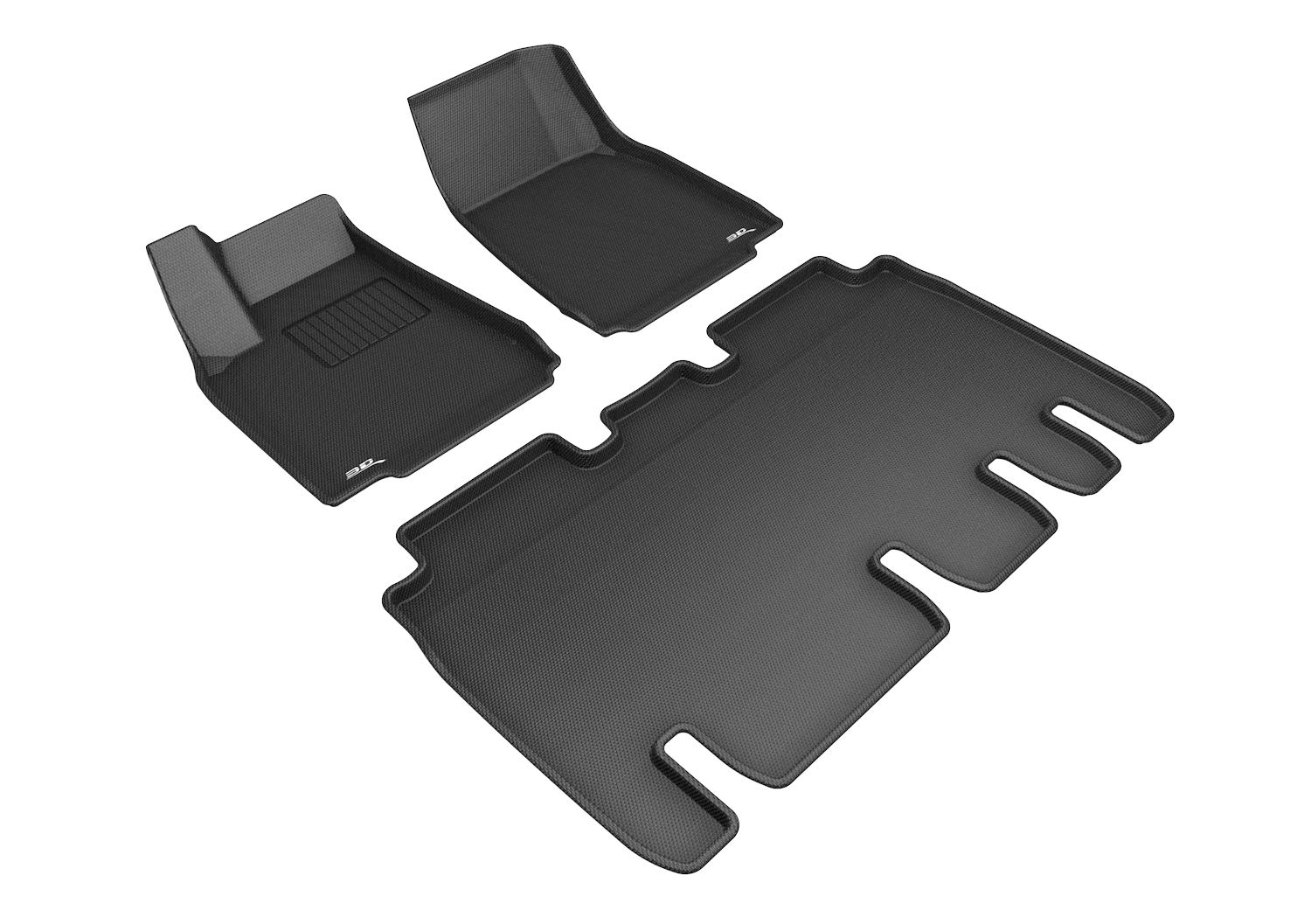

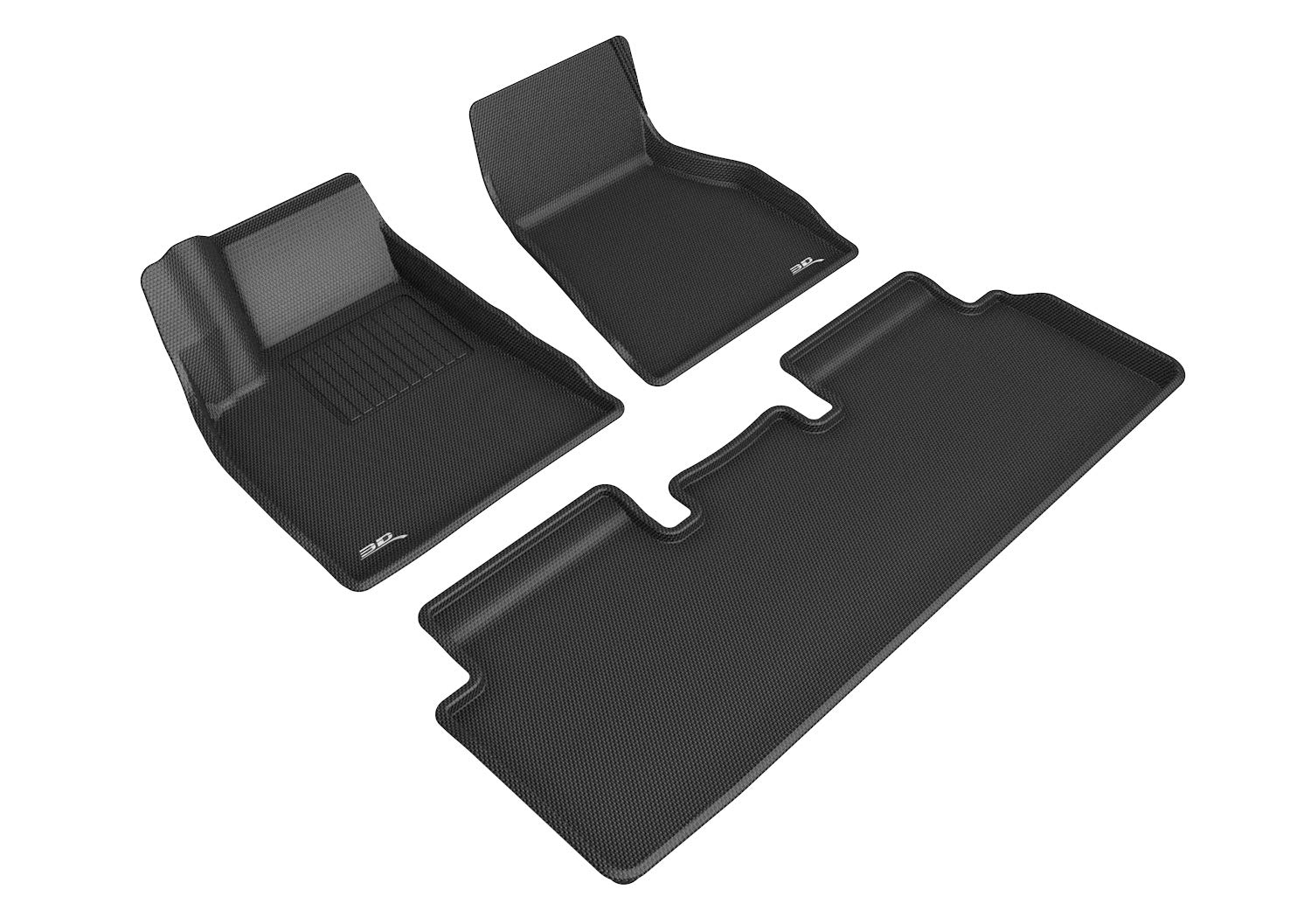

Quick Verdict
The Kagu style liner suits drivers who want neat footwells that still catch water, mud, and road salt. Its molded shape and raised rim fit daily commuting, school runs, and wet climates better than flat universal mats do. It makes less sense if you want the lowest price, plan to move mats between vehicles, or need a heavy rubber work mat for a job site truck. Your decision comes down to fit accuracy, so confirm your exact vehicle variant before ordering.
3D MAXpider Kagu Specs at a Glance
Exact figures change with each vehicle application, so treat this list as the fields worth checking on the product page for your car rather than fixed numbers.
- Fit type: molded for a specific vehicle, year range, and trim, sold by row or as a full set.
- Material: a layered synthetic construction with a textured top and a grippy backing.
- Edge design: a raised rim that holds water and loose dirt inside the mat.
- Retention: shaped contours plus backing grip, with factory posts used where fitted.
- Care: shake out debris, rinse, wash with mild soap when needed, and dry before reinstalling.
- Coverage options: front row, second row, or combined sets, depending on the vehicle.
Design and Build Quality
The first thing you notice about this style of liner is the shape. Rather than lying flat, it is molded with curves that follow the footwell walls, a raised border, and a surface pattern of fine ridges. That keeps the mat looking like part of the interior instead of an add on. The surface feels slightly soft under shoes compared with hard plastic liners, and the texture hides dust and dried mud between washes.
Build quality shows in the edges. A good liner holds its shape when lifted by one corner, and the rim stands upright instead of folding over.
Performance
Compatibility With Your Vehicle
Fit is the whole point of a molded liner, and it is also where most disappointment starts. Choose the listing that matches your model year, body style, and seat configuration, because two door and four door versions of the same car can have different rear floors. Cab configuration matters for trucks, and some vehicles changed floor shapes midway through a model run. Before ordering, compare product photos with your own footwells.
Everyday Containment and Foot Grip
In daily use, the raised rim does the quiet work. Rain water, winter slush, and beach sand stay inside the border instead of soaking into carpet edges. The textured top gives shoes grip as you get in and out, and heels rest on a surface that feels stable rather than slick when wet. Crumbs and gravel land on a surface you can lift out and empty.
Ease of Use During Installation
Installation takes minutes and needs no tools. Remove the old mats first, vacuum the carpet so grit does not sit trapped underneath, then lay the liner in and press the corners into place. Engage any factory retention posts so the driver mat cannot creep forward. Press each pedal fully by hand before driving to confirm nothing binds.
Durability Over Time
The driver side heel area ages fastest, since the same small patch takes pressure and twisting every trip. On a layered liner, wear usually appears first as a smoothed patch in the texture rather than a hole, and the rim can soften if bent sharply in cold weather. Let a cold mat warm up in the cabin before flexing it.
Key Features to Compare
Molded Shape and Raised Rim
The molded shape decides how much carpet stays covered when shoes slide in at an angle. Look for coverage that climbs the footwell sides a little, especially beside the seat rails and near the door sill where slush drips off boots. Rim height matters less as a number and more in practice, since a firm rim holds a puddle while a soft rim folds and lets it escape.
Layered Construction and Surface Feel
This style of liner uses more than one layer, with a durable top skin, a cushioning middle, and a backing that grips the carpet. That build is why it feels quieter and less plasticky underfoot than a single sheet of molded plastic. Judge thickness with care, because a very thick mat can reduce pedal clearance in small cars. You want a mat that feels firm and springy, not spongy.
Backing That Limits Movement
A liner that slides is more than annoying, since movement on the driver side can bunch material near the pedals. The backing on this style uses a fibrous, grip focused surface that clings to carpet pile, working with the molded shape to hold position. It should not need extra clips in most vehicles, though factory posts add security. Treat any mat with only a smooth underside as a risk.
Coverage Around Pedals and Seat Tracks
Good coverage is a balance. The mat should protect the carpet under the pedals and where your left foot rests, without extending so far that it interferes with pedal travel. At the back, it should slide under the seat enough to catch debris kicked backward, while clearing the seat tracks. Move each front seat fully forward and back once after fitting to confirm the mat stays clear.
Ease of Use, Cleaning and Maintenance
Routine care is light. Shake each mat out weekly if you carry kids, dogs, or work gear, because loose grit gets ground into the texture by your heels. For a deeper clean, rinse the mat, wash it with mild soap and a soft brush, then rinse again and let it dry flat out of strong sun. Skip harsh solvents and stiff brushes, which can mark the surface.
3D MAXpider Kagu Pros and Cons
Pros
- Vehicle specific molded fit that covers more carpet than flat universal mats.
- Raised rim contains water, slush, and loose dirt in one removable tray.
- Textured surface hides everyday dust and looks neat between cleanings.
- Layered feel is quiet and comfortable underfoot compared with hard plastic.
- Backing grip and factory retention points keep the driver mat in place.
Cons
- Costs more than basic rubber mats, often about $100 to $250 for a full set depending on rows.
- Vehicle specific shape means the set rarely transfers to your next car.
- Fine dust settles into the texture and needs a brush, not just a shake.
- You must order the exact variant, and returns for a wrong fit waste time.
Who Should Buy the 3D MAXpider Kagu (and Who Should Not)
Drivers in Wet, Snowy, or Muddy Climates
If your shoes carry in slush, rain, or mud most weeks, the raised rim and rinse clean surface fit your life. Your carpet stays dry underneath, and cleanup after a storm is a shake and a rinse instead of a shampoo. You will use the containment design enough to justify paying more than a flat mat costs.
Families With Kids and Pets
Back seat mats earn their keep with spilled drinks, cracker crumbs, and muddy paws. A one piece second row liner covers the tunnel area where spills spread, and it lifts out in seconds when something sticky lands.
Commuters Who Want a Tidy Cabin
If you drive clients, coworkers, or rideshare passengers, appearance matters as much as protection. The neat molded look suits a cabin you want to present well, and the surface hides light dust.
Who Should Skip This Style
Skip it if you change vehicles often, since a tailored set loses its value when the car goes. Skip it if your truck floor takes tools and construction debris daily, where a heavier rubber tray suits the abuse better. And skip it if your budget only stretches to basic protection, because a simple mat you actually buy beats a premium liner you keep postponing.
3D MAXpider Kagu vs Alternatives
The main choice is between liner styles, not logos. Flat universal rubber mats cost the least and trim to fit, but they leave carpet edges exposed and hold little water. Hard shell liners feel firmer and shrug off heavy mud, though they can sound hollow under heels. Carpet mats feel plush, yet they absorb spills instead of containing them. If you want a liner with taller side coverage, our tuxmat review examines that approach in detail. Drivers who prefer a firm shell feel can read our weathertech floorliner review before deciding.
Where to Buy and Best Price
Buy from a listing that shows your exact vehicle application and a clear return policy, because fit disputes are the main reason these mats go back. Prices vary by vehicle and row count and can dip during seasonal sales, so check the full set price, not just the front row price. Before you finish reading any 3d maxpider kagu review, including this one, enter your vehicle details in the fit checker.
FAQs
Is the 3D MAXpider Kagu worth it?
It is worth it when your carpet would otherwise absorb seasons of water and grit, because cleaning or replacing factory carpet costs far more than a liner set. One point buyers overlook is trade in value, since clean original carpet is visible proof of careful ownership when you sell the car. If your driving is light and your climate is dry, the upgrade brings comfort and looks more than protection you truly need.
What are common 3D MAXpider Kagu problems?
Most problems trace back to fit or fitting, not the material. The most serious mistake is stacking this liner over an existing mat, which raises the floor under the pedals and can let the stack shift. Always remove the old mat first. Other complaints include ordering the wrong cab or seat variant and finding an edge that lifts near a seat track, which usually means the mat sits a few millimeters off. Reseat it slowly from the back forward before assuming the mold is wrong.
How long does the 3D MAXpider Kagu last?
Expect several years of service in a daily driven car, with the driver mat aging first. One habit extends that span more than any cleaner, and that is lifting the mats out during long parked stretches in hot weather so trapped moisture underneath can dry. Keep your purchase records too, because warranty claims go faster when you can show the correct set was fitted to the correct car.
What is a cheaper alternative to the 3D MAXpider Kagu?
A trim to fit universal rubber mat is the usual budget route. Before trimming, lay the uncut mat in the footwell and mark where it overlaps the sides, because cutting too small on the first pass is the common regret and it cannot be undone. These mats protect the center of the floor for far less money, and they make a sensible stopgap for a car you may not keep long.
How do you clean the 3D MAXpider Kagu?
Shake out loose debris, rinse with water, and wash with mild soap and a soft brush, then rinse again. The step people rush is drying, and it matters, because a mat reinstalled while still damp can leave the carpet underneath smelling musty within days. Stand the mats upright in shade until the backing feels fully dry, not just the top surface. In winter, drying them indoors overnight beats a cold garage.
Final Thoughts
Judged as a tailored liner rather than a basic mat, this design earns its price through fit, containment, and a cabin friendly look that flat mats cannot match. Check the product table above once more against your vehicle, your climate, and how many rows you need. If those line up, the 3d maxpider kagu review verdict is simple: it is a sensible buy for drivers who keep their cars for years and want the carpet underneath to stay clean.