
Best Window Tint for Home: Every Type Explained Side by Side (2026)
Disclosure: We may earn a commission when you buy through links on this page, at no extra cost to you. As an Amazon Associate I earn from qualifying purchases. Learn more

Home window films compared by type, from static cling privacy films to adhesive heat control and security films.
Home window film can cut glare, block UV, add daytime privacy and even help hold glass together if it breaks. Shoppers can choose from mirrored heat control films, natural dark tints, frosted and decorative films, blackout films and security films, in adhesive or static cling versions. This guide to the best window tint for home use compares each type side by side so you can match a film to the room and the problem you want to solve.
You will find a comparison table, a closer look at each type, a head to head between adhesive and static cling films and a buying checklist. Installation tips and common questions follow.

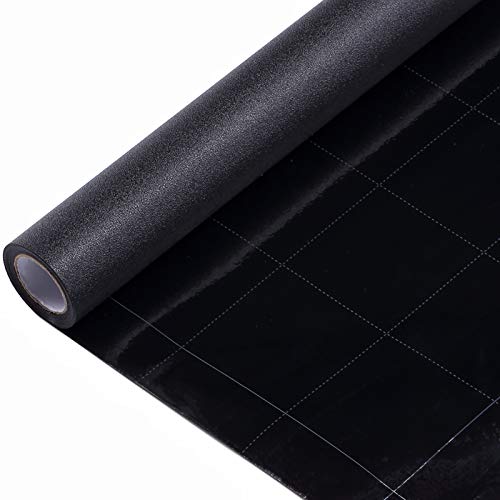


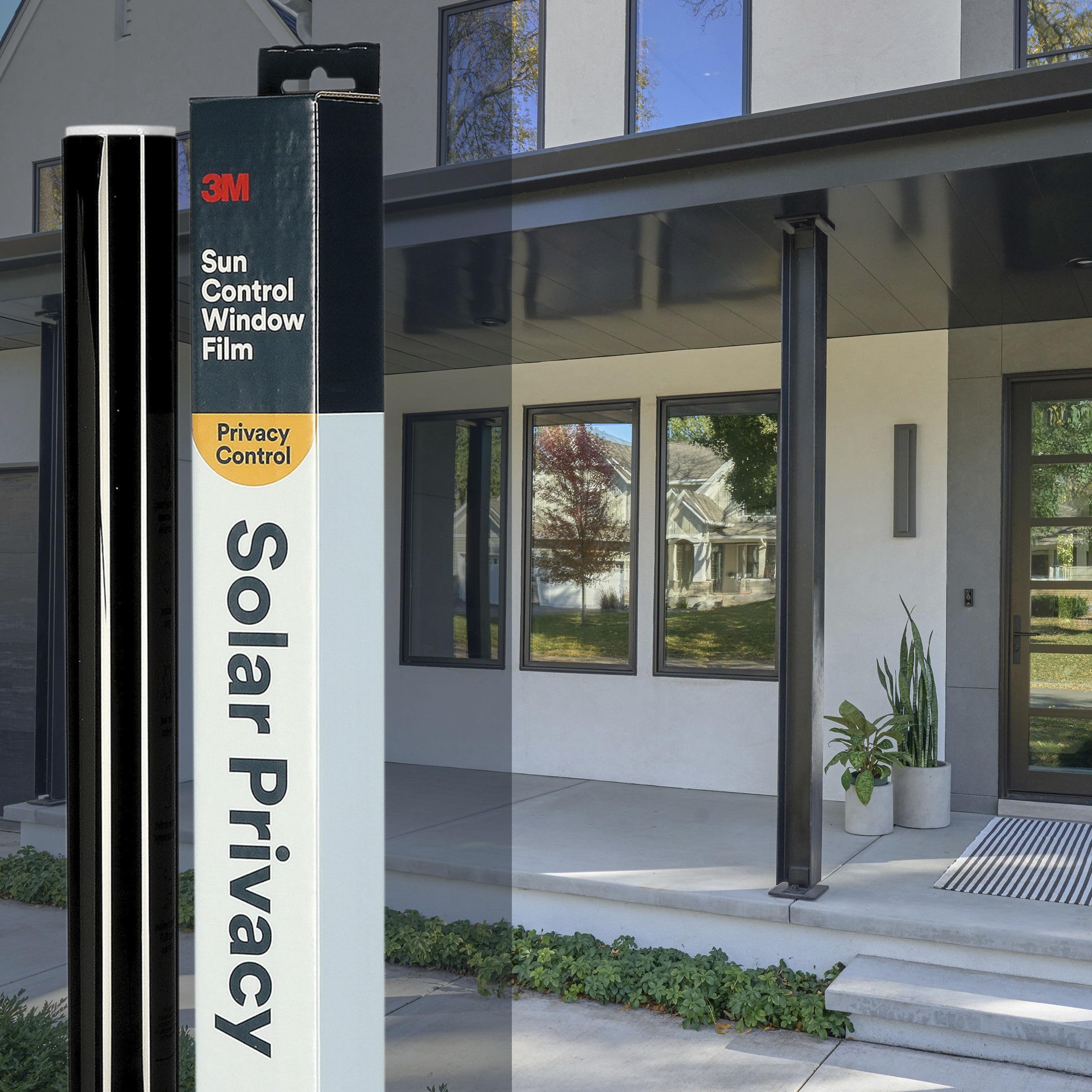


Types of Window Tints Compared
| Type | Best For | Pros | Cons | Typical Price |
|---|---|---|---|---|
| Static cling one way mirror film | Renters, daytime privacy | No glue, removable, cheap | Privacy reverses at night | Around $6 to $26 |
| Frosted and decorative film | Bathrooms, doors, sidelights | Privacy day and night, soft light | Blurs the view | Around $6 to $27 |
| Blackout film | Bedrooms, day sleepers, media rooms | Blocks nearly all light | No view, no daylight | Around $10 |
| Adhesive heat control film | Sunny rooms, west facing windows | Strong heat and glare control | Harder to install and remove | Around $61 to $111 |
| Security and exterior film | Ground floor glass, harsh sun | Holds broken glass, durable | Costs more, careful install | Around $65 to $134 |
Budget Options: Static Cling One Way Films
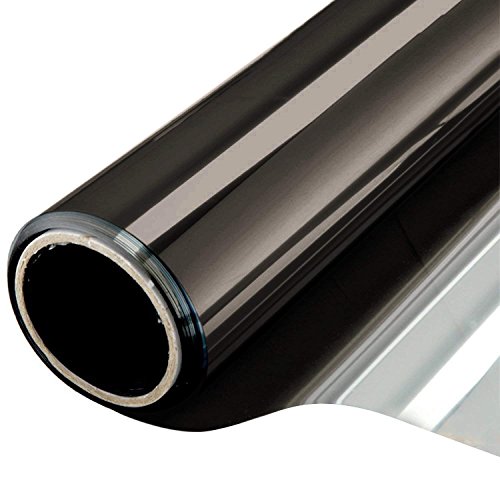
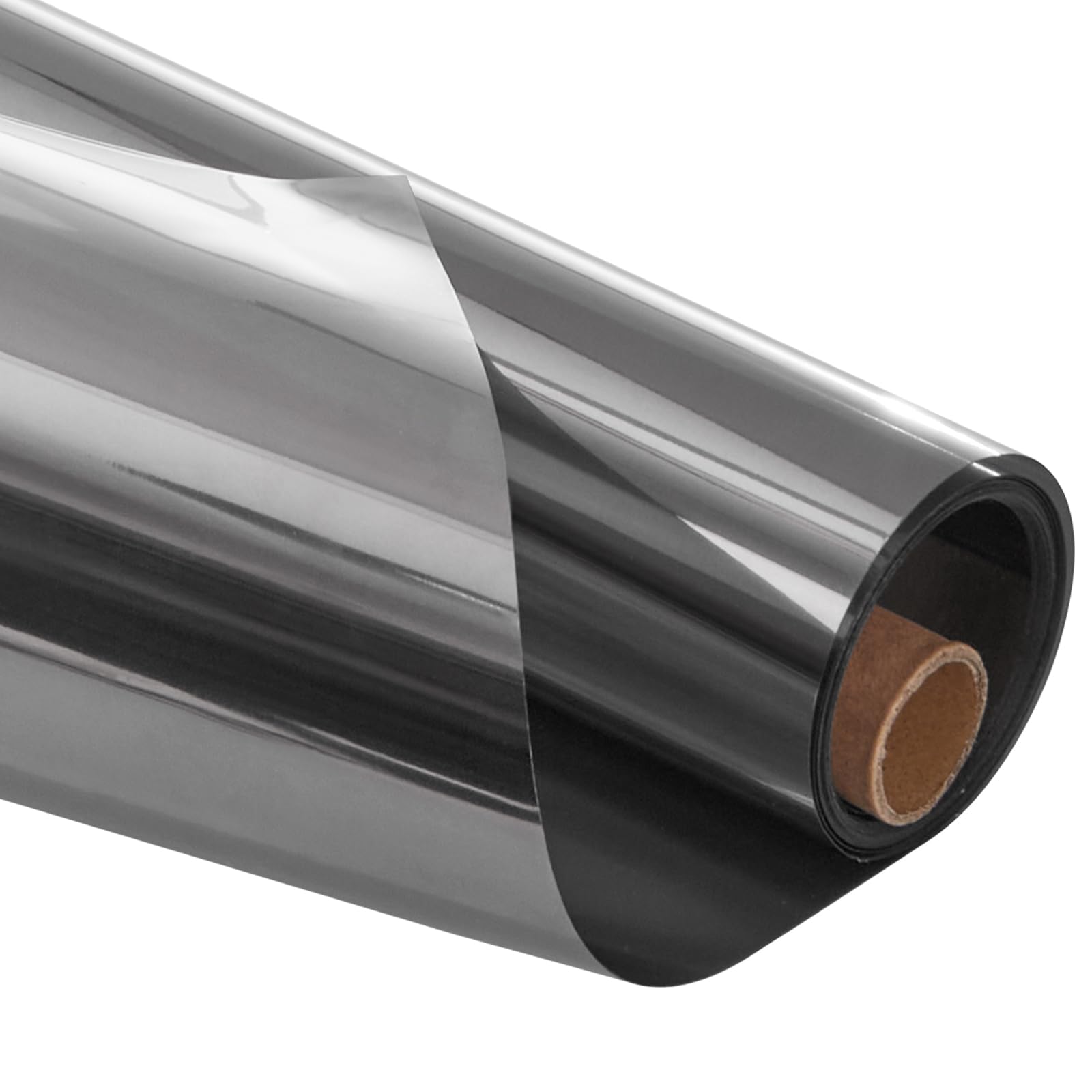
Static cling films stick to clean glass with soapy water instead of glue. One way mirror versions, like the WPCTEV film, have a reflective outer surface that gives daytime privacy. WPCTEV says its 6 mil film blocks 85% of infrared rays and 97% of UV rays. The ConCus-T and VEVOR films offer similar mirror finishes in wider rolls.
These films are cheap, renter friendly and removable without residue. The big caveat is that one way privacy works only when it is brighter outside than inside. At night, with lights on indoors, people can see in, so pair them with curtains or shades. They suit renters, home offices and anyone wanting to cut glare quickly.
Compact Options: Frosted, Decorative and Blackout Films
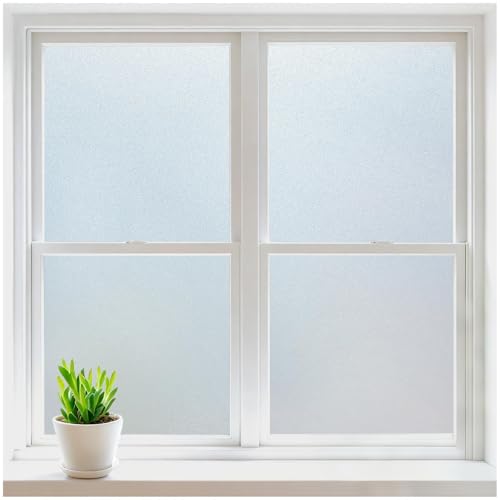
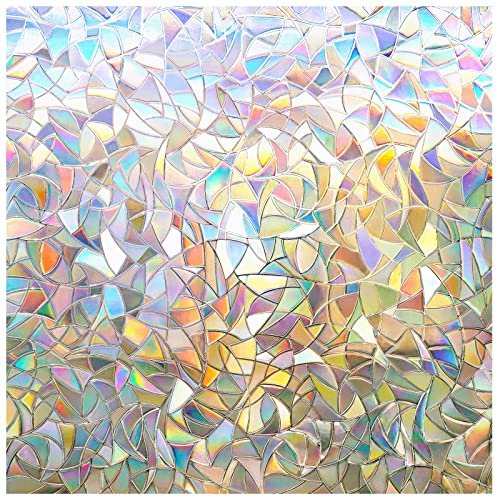
Frosted films, like the rabbitgoo frosted static cling film, blur the view while letting soft light in, and rabbitgoo says it blocks over 99% of UV rays. Decorative rainbow films, like the rabbitgoo rainbow film and SOMWISE stained glass film, cast colorful patterns in sunlight while adding partial privacy and UV protection. Blackout films, like the VELIMAX static cling film, block at least 99% of daylight for complete two way privacy.
These films come in small rolls that suit single windows, bathroom glass, doors and sidelights. They give privacy day and night, unlike mirror films, but you lose the clear view. Blackout film suits day sleepers, nurseries and media rooms.
Mid Range Options: Adhesive Heat Control and Natural Films
Adhesive films bond permanently to the glass for clearer optics and stronger performance. The BDF S05 mirror silver film is a very dark heat control film in a 36 inch by 49 foot roll, and the BDF NA05 natural black film adds daytime privacy and sun control without a mirror look. The 3M Sun Control Solar Privacy film is a smaller 3 by 5 foot piece from a known film brand.
These films handle heat and glare better than most static cling films and cover many windows from one roll. They take more care to install and are harder to remove, so they suit homeowners rather than renters.
Premium Options: Security and Exterior Films
Security films are thicker and help hold broken glass in place. The BDF S4MS15 is a 4 mil security and daytime privacy film in a 36 inch by 50 foot roll. Exterior films, like the BDF EXS15, mount on the outside of the glass, which rejects heat before it enters and can be a better choice for some dual pane windows.
These cost more and need careful installation, but they add durability and safety for ground floor windows, glass doors and storm prone areas.
Premium Options vs Budget Options: Which Should You Choose?
Comparing adhesive heat control or security film with budget static cling film on the points that matter most:
- Heat and glare control: Adhesive films generally perform better, especially dark and mirror finishes.
- Removability: Static cling films peel off cleanly, ideal for renters; adhesive films are semi permanent.
- Coverage: Adhesive rolls like the 36 inch by 49 foot BDF S05 cover many windows, while static cling rolls often cover one or two.
- Installation: Static cling is more forgiving for beginners; adhesive needs careful wetting, squeegeeing and trimming.
- Safety: Security films help hold broken glass together; static cling films do not.
Choose static cling for renters, quick fixes and single windows. Choose adhesive or security film for long term heat control, large projects and added safety.
How to Choose the Best Window Tint for Home Use
Intended Use and Who It's For
Start with the main goal. For daytime privacy with a view, choose a one way mirror film. For privacy day and night, choose frosted or decorative film.
For sleep or screen rooms, choose blackout film. For hot, sunny rooms, choose heat control film. For ground floor glass or storm protection, choose security film. Renters should stick with static cling films that remove cleanly.
Safety and Glass Compatibility
Dark or reflective films absorb heat, which can stress some glass. VELIMAX advises applying its blackout film only to single panes or toughened double glazed units with smooth, flat glass. Check your window maker's guidelines and warranty before applying film to dual pane, Low E or very large windows, since some warranties exclude aftermarket film. When in doubt, choose lighter films or exterior films made for that glass, or ask a professional installer.
Key Performance Specs
Look at visible light transmission (VLT), UV rejection and infrared or heat rejection. Lower VLT numbers mean darker film; the BDF S05 and NA05 are shade 5 films, labeled very dark.
UV blocking of 96% to 99% protects furniture and floors from fading. Thickness, such as 4 mil for security film or 6 mil for the WPCTEV film, affects durability. Match the specs to your goal rather than buying the darkest film.
Ease of Use and Setup
Most films install with soapy water, a squeegee and a sharp blade. Static cling films let you reposition until the water dries, which suits beginners.
Clean glass thoroughly first, since dust causes bubbles. Rabbitgoo lists a simple method: clean the glass, peel the backing, soak with soapy water, position and squeegee. Measure carefully and trim slowly for neat edges.
Size, Coverage and Value
Measure every window and add a little extra for trimming. Small rolls around 17.5 by 78.7 inches suit a single window or door panel, while large adhesive rolls cover a whole room or house. Large rolls cost more upfront but less per square foot. Static cling films cost around $6 to $26, while adhesive and security films cost around $61 to $134.
Tips to Get the Most From Your Window Tint
- Clean the glass thoroughly. Remove dirt, paint specks and grease before installing.
- Use plenty of soapy water. It helps position the film and push out bubbles.
- Squeegee from the center out. This removes water and air for a clear finish.
- Wait before cleaning. Let adhesive films cure for several days before washing.
- Pair with shades for night privacy. Our blackout shades for windows guide covers options.
FAQs
How long does a window tint last?
Quality adhesive window films often last many years indoors, especially away from harsh direct sun and moisture. Static cling films last a shorter time but can be removed and reused. Exterior films face weather and may wear sooner. Signs of replacement include peeling, bubbling, fading or cloudy patches.
What features matter most when buying window tints?
The most important features are the right type for your goal, appropriate VLT darkness, high UV rejection, compatibility with your glass and an install method you are comfortable with. Removability matters for renters, while heat rejection matters most for sunny rooms.
How do I maintain a window tint?
Clean film with a soft cloth or squeegee and mild soapy water. Avoid abrasive pads, ammonia cleaners and sharp tools that can scratch the surface. Wait several days after installing adhesive film before cleaning, so it can cure fully.
Are expensive window tints worth it?
They are worth it for large sunny rooms, long term heat control and security. Adhesive and security films last longer and perform better in many cases. For renters, single windows or decorative privacy, affordable static cling films do the job well and remove cleanly.
How much should I spend on a window tint?
Spend around $6 to $26 for static cling privacy, frosted or decorative film for a few windows. Spend around $61 to $111 for adhesive heat control film that covers many windows, and around $130 or more for security film. Professional installation costs extra but may be worth it for large or high windows.
Does one way window film work at night?
No. One way mirror film works only when it is brighter outside than inside. At night with lights on indoors, the effect reverses and people outside can see in. Add curtains or shades for nighttime privacy.
Final Thoughts
Three things matter most: choosing the right film type for your goal, checking glass compatibility and picking an install method you can manage. Renters do well with static cling films like WPCTEV, rabbitgoo or VELIMAX, homeowners with hot rooms benefit from adhesive heat control films like the BDF S05 or NA05, and ground floor glass gains safety from BDF security film. For vehicles, see our car window tint film guide, pair film with curtain rods and drapes for night privacy, then check the product table above to choose the best window tint for home use.


