
Best Blackout Shades for Windows: Complete Buying Guide
If your bedroom still gets bright at sunrise even with the shades down, the problem usually is not the fabric itself. It is the gaps around the edges, the mount type, or a shade style that was never built for true darkness in the first place. Finding the best blackout shades for windows means looking past the word "blackout" on the label and understanding how a shade is built, how it mounts, and how it raises and lowers, since all three affect how dark your room actually gets. This guide walks through the shade styles that deliver real light blocking, how mounting and sizing close the gaps that let light sneak in, and what to check before you buy so you are not stuck with a shade that only gets you halfway there.
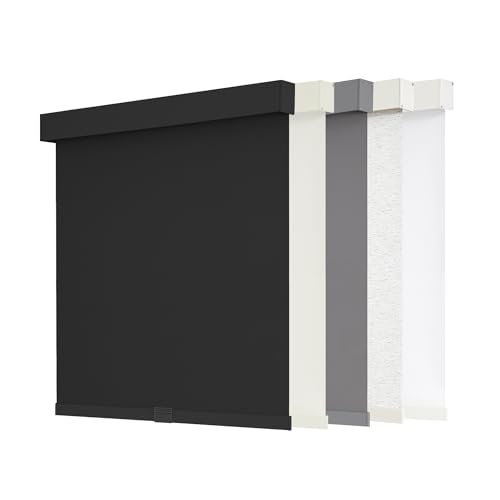
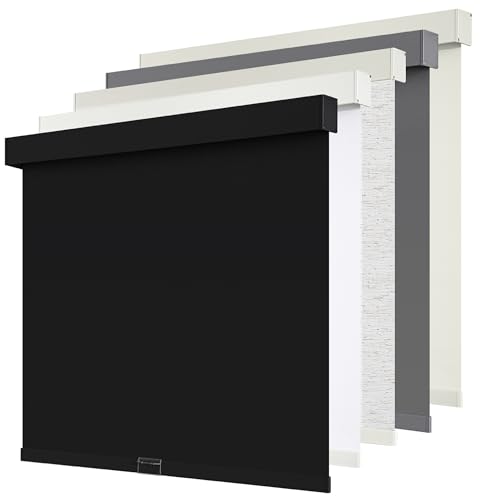
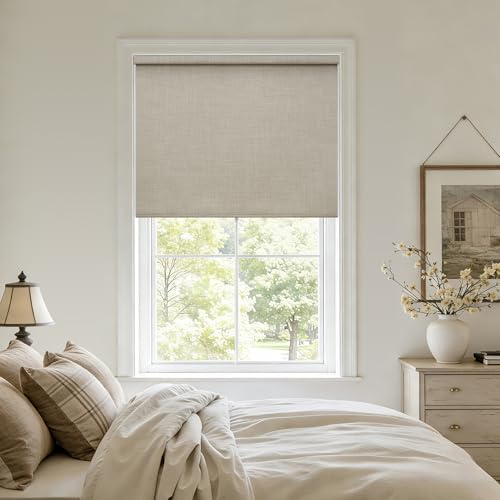
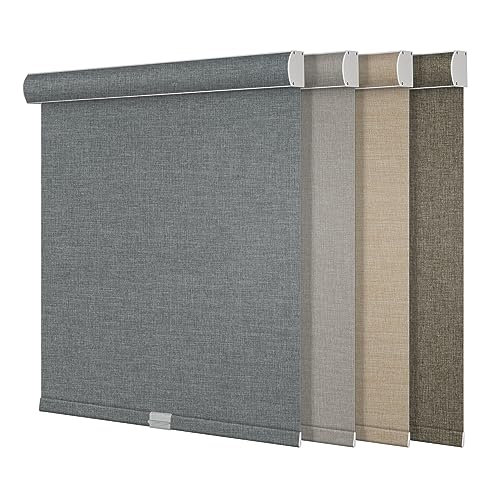
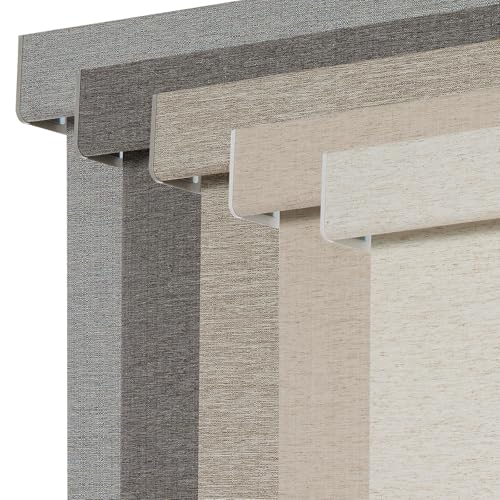
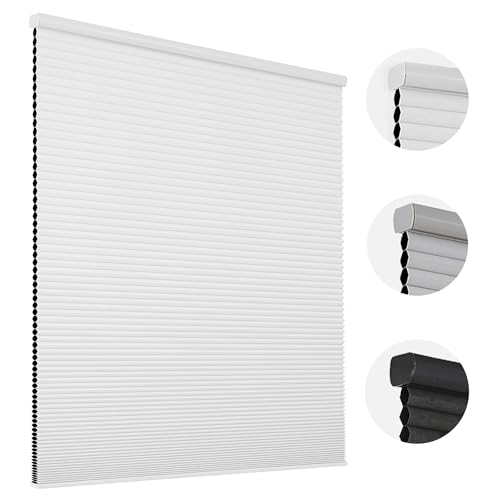

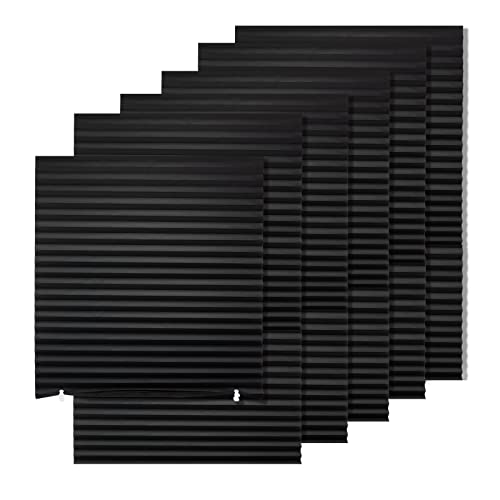
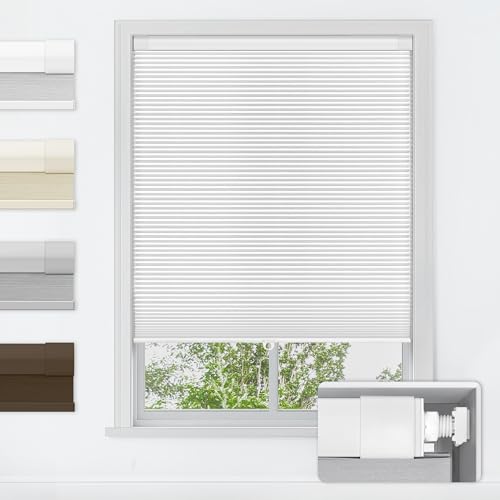
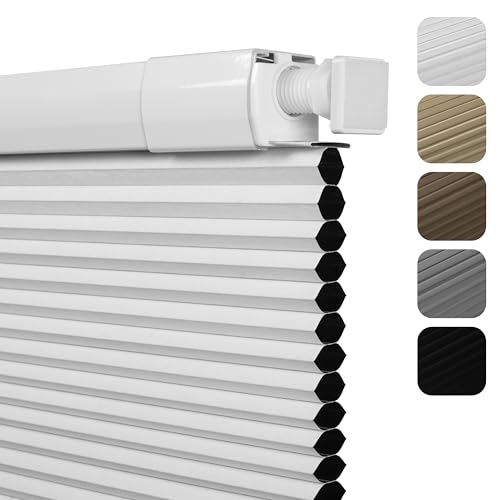
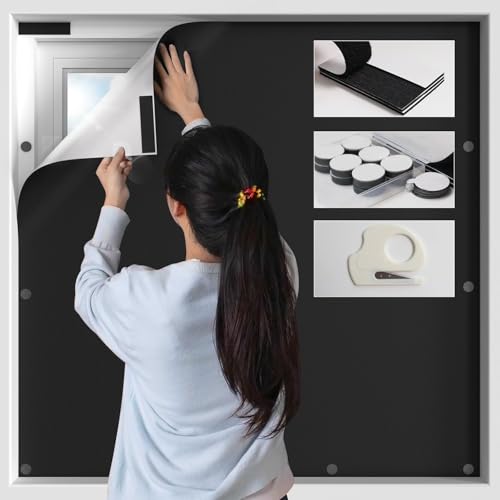
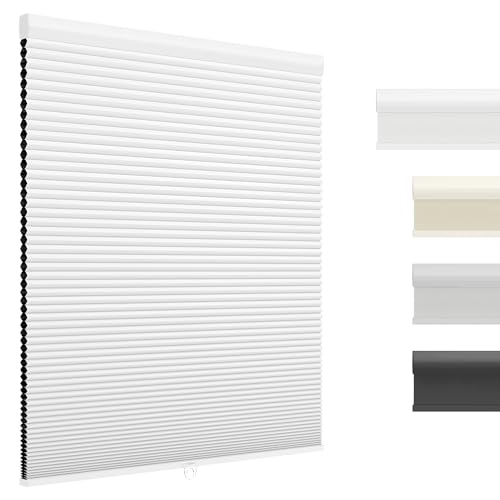
Shade Types That Actually Block Light: Cellular, Roller, and Roman
Not every shade style handles darkness the same way, and the construction behind each one matters more than the color or the price tag.
- Cellular (honeycomb) shades. Built from pleated fabric folded into rows of air-filled pockets, cellular shades add insulation along with light control. The blackout versions use a dense, opaque layer inside the cells, though tiny pinpoints of light can still show through the pleat folds themselves, especially in a fully dark room.
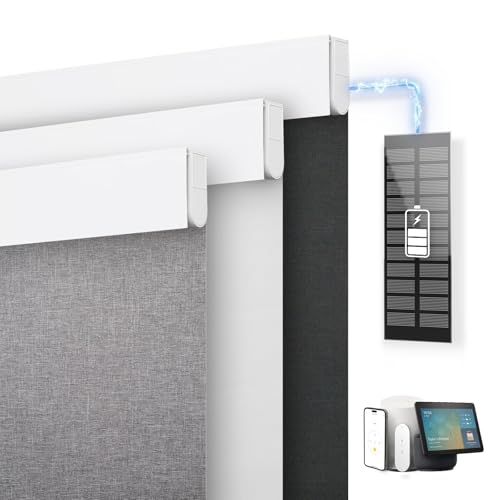
- Roller shades. A single flat piece of fabric that rolls up around a tube at the top. Blackout roller fabric is thick, often vinyl-backed or triple-woven, and the flat surface leaves fewer places for light to sneak through the material itself. Most of the light that gets past a roller shade comes in around the sides rather than through the fabric.
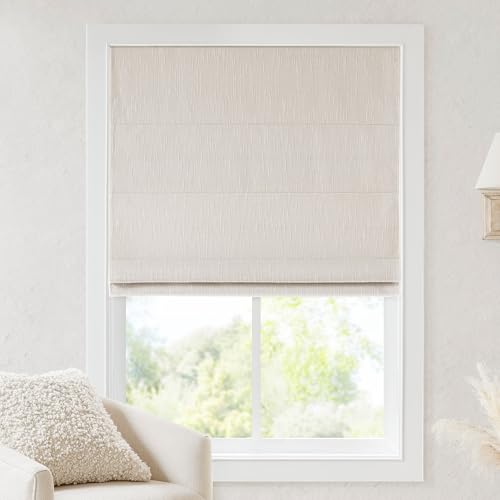
- Roman shades. A soft fabric shade that folds into neat horizontal pleats as it rises. On their own, roman shades usually let some light through the seams, so a true blackout roman shade needs a solid blackout lining sewn or attached behind the decorative fabric.
Between the three, cellular and roller shades built specifically as blackout shades for windows tend to edge out roman shades for total darkness, mainly because their construction leaves fewer seams and joins for light to travel through.
Cordless or Motorized: How the Shade Raises and Lowers
The lift mechanism affects both convenience and safety, and it is worth deciding on early since it usually locks in the price range you are shopping in.
Cordless shades use a spring or clutch system built into the headrail, so you raise and lower the shade by pushing or pulling on the bottom bar directly. There is no dangling cord, which makes cordless the simpler and more budget-friendly choice for keeping loose cords away from kids and pets.
Motorized shades go a step further, since there is zero contact needed with the shade at all. Many can be set on a schedule so they close automatically before sunrise or open at a set time each morning, which is genuinely useful in a bedroom where you want darkness at a consistent hour without remembering to touch anything. The tradeoff is a higher price and a battery or wiring setup to maintain, and most motorized shades do not have a simple manual backup if the battery runs out at an inconvenient moment.
A top-down, bottom-up feature is also worth looking for regardless of which lift you choose. It lets you drop the shade from the top for privacy or light control while keeping the bottom raised, or vice versa, which is handy on a window where you want some flexibility without losing blackout coverage entirely.
Inside Mount or Outside Mount: Closing the Light Gap Around the Frame
This decision has a bigger effect on how dark your room gets than almost anything else you'll choose when shopping for the best blackout shades for windows. An inside mount, where the shade sits inside the window frame, needs a small clearance on each side so the mechanism can operate without rubbing against the frame. That clearance, often around a quarter inch per side, becomes a permanent gap that light passes through no matter how opaque the fabric is.
An outside mount avoids this problem by hanging the shade on the wall above and around the window opening instead of inside it. Because the fabric extends past the frame on every side, there is far less edge for light to slip around, which is why outside mount is generally the better choice when full blackout is the priority.
If you need or prefer an inside mount for a specific window, side channels can close most of the gap. These are narrow tracks installed along the sides of the frame that the shade fabric slides into as it moves, sealing the edges the same way weatherstripping seals a door. They add a bit of cost and installation effort but make a real difference in a room where even a sliver of light is a problem.
What the Fabric Construction Tells You About Blackout Performance
Two shades labeled "blackout" can perform very differently once they are actually hanging on a window, and the difference usually comes down to how many layers the fabric has. A multi-layer or triple-weave construction sandwiches an opaque core between two outer layers, and it consistently outperforms a single-layer fabric that only has a dark coating on one side.
Foam-backed shades use a coated layer instead of woven layers to block light, and they tend to perform well while also adding a bit of extra insulation against heat and cold. The coating can crack or peel with years of rolling and unrolling, so it is worth checking how the manufacturer rates the fabric for long-term wear rather than just initial light blocking.
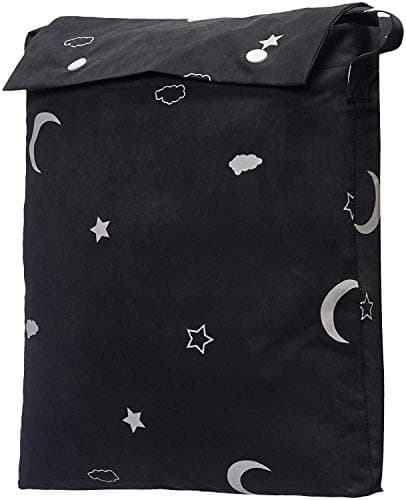
If you already own fabric curtains you like and just want them to get darker without replacing the hardware, a blackout curtain liner takes a different approach than a shade entirely, adding a light-blocking layer behind curtains you already have instead of a separate hard-mounted unit.
Matching the Shade to the Room It's Going In
The right shade changes depending on who is using the room and what time of day darkness actually matters.
In a bedroom for a light sleeper or someone working night shifts, prioritize an outside mount blackout cellular or roller shade over anything with visible seams, since even a small amount of light leaking in at dawn can cut sleep short. In a nursery or kids' room, cordless lift is the safer starting point, and parents who prefer a softer, fabric-forward look sometimes pair a shade with layered blackout curtains made for a nursery rather than relying on the shade alone.
A home theater or media room benefits the most from the strictest blackout setup you can afford, including side channels, since even small amounts of ambient light reduce picture contrast. In a kitchen or bathroom, humidity and easy cleaning matter more than absolute darkness, so a vinyl-backed roller shade that wipes clean tends to hold up better than a fabric cellular shade over time.
Frequently Asked Questions
Do blackout shades really block all the light in a room?
Not completely. The fabric itself can block nearly all direct light, but gaps around an inside-mounted shade almost always let in a thin line of light along the edges. Outside mounts and side channels close most of that gap, but very few setups reach truly zero light.
What's the real difference between blackout cellular shades and blackout roller shades?
Cellular shades add insulation through their honeycomb pockets but can leak tiny points of light at the pleat folds. Roller shades have a flat, seamless surface that blocks light more evenly across the fabric, though most of their light leakage happens at the sides instead.
Should I choose inside mount or outside mount for the best blackout performance?
Outside mount generally wins for pure darkness, since the fabric extends beyond the window opening and covers more of the frame. Inside mount looks cleaner and sits flush with the wall, but it needs side channels to close the gaps that come with the recessed installation.
Are cordless or motorized shades safer for kids and pets?
Both eliminate the dangling cord that makes older corded blinds a hazard. Motorized shades go a step further since there's no physical contact needed at all, which some parents prefer for nurseries, while cordless shades still offer a strong, more affordable level of safety.
Do honeycomb shades leak light at the folds even in blackout versions?
Yes, to a small degree. The pleated construction that makes cellular shades good insulators also creates tiny seams where a small amount of light can pass through, even with a blackout layer built in. It is usually far less noticeable than the light coming in around an inside-mounted edge.
Can side channels be added to a shade I already own?
In many cases, yes, as long as the shade is an inside mount and the frame has room to install the tracks. Side channels are typically sold separately and sized to the width of the existing shade, so double check measurements before ordering.
Do blackout shades help with room temperature, not just light?
Yes. The same dense layers that block light also add a barrier against heat gain in summer and drafts in winter, and cellular shades in particular are known for their insulating air pockets. It is a secondary benefit but a meaningful one on older or single-pane windows.
Getting a Room That Actually Goes Dark
The label "blackout" only tells part of the story. Finding the best blackout shades for windows comes down to matching the shade type, mount, and lift mechanism to the room, not just picking based on fabric color or price.
Measure your window carefully, lean toward an outside mount or add side channels if full darkness is the goal, and match the lift mechanism to who is actually using the room. Getting those details right the first time is what separates a shade that looks like it should work from one that actually does.