Best Compressor Dehumidifier: A Buying Guide for 2026
Disclosure: We may earn a commission when you buy through links on this page, at no extra cost to you. As an Amazon Associate I earn from qualifying purchases. Learn more
The best compressor dehumidifier depends on room size, temperature and drainage. Compare capacity, noise and running cost for your space.
A compressor dehumidifier pulls moisture from indoor air with a fan, cold coils, and a refrigerant circuit, much like a small air conditioner that keeps the water. If your basement feels clammy, laundry dries slowly, or window glass fogs on humid days, choosing the best compressor dehumidifier for your room size and temperature matters far more than chasing the largest pint rating on the box.
This guide compares compressor types by daily removal capacity, coverage, noise, energy use, and drainage, so you can match a model to a warm living space, a cool basement, or a small bathroom. Use the product table to line up real models, then read on for sizing and care details. For the broader category, see our guide to the best dehumidifier.


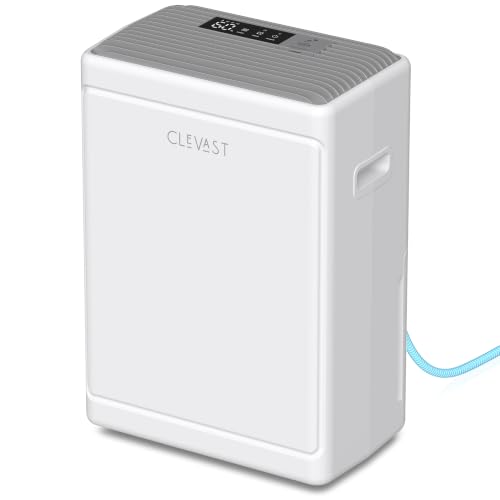
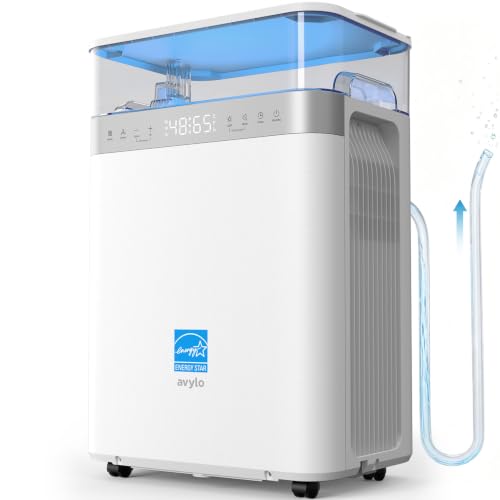
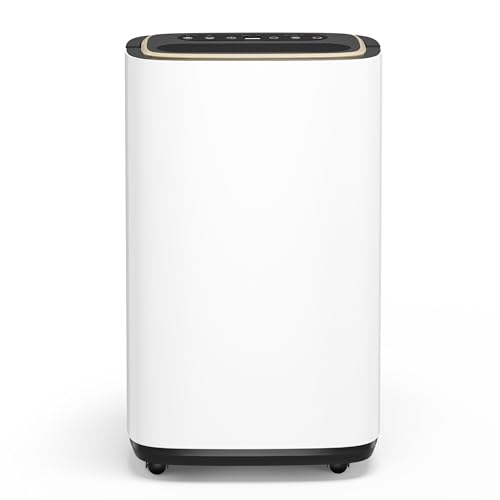
Compressor Dehumidifier Types at a Glance
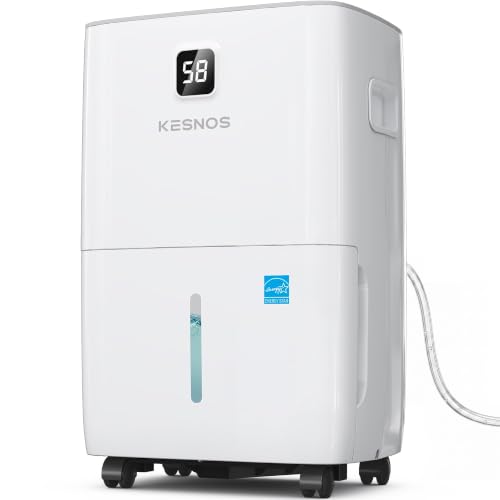
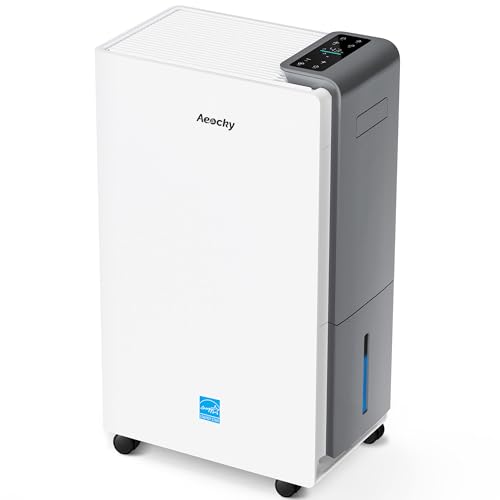
Compressor units fall into three families. Standard portable units suit most living areas and basements. Compact units serve bathrooms and small bedrooms where floor space is tight. Units with a built in pump suit spaces with no nearby floor drain, since they can push water upward to a sink. Compare pint capacity, tank size, and drain options first, then noise and controls.
Compressor Dehumidifier Types Compared
Standard Portable Units for Most Rooms
Standard portable units are the most common choice for basements, living rooms, and open plan areas. Most remove about 30 to 50 pints of water per day under standard test conditions and roll on casters between rooms. You get a removable tank and a hose outlet for continuous drainage when a floor drain is close. They balance removal power, price, and size well for homes that need steady moisture control through a humid summer.
Compact Units for Bathrooms and Small Spaces
Compact units trade raw removal power for a smaller footprint and a lighter body that is easier to carry or tuck beside a vanity. Typical models remove about 20 to 30 pints per day and cover a single bathroom, laundry closet, or small bedroom. The tank is modest, so plan on emptying more often during wet weeks unless you run a short hose to a tub or sink. For placement ideas, see our guide to the best dehumidifier for bathroom.
Units With a Pump and Smart Controls
Premium units add a built in condensate pump, WiFi controls, and a more precise humidistat. The pump matters most in a basement with no floor drain, since it can lift water to a sink without you carrying a full tank up the stairs. App controls let you check the tank from another room. You pay more, about $250 to $400 for many models in this group, so choose this type only when pumping or remote control solves a real problem.
What Sets Compressor Types Apart
The factors that change daily use the most are rated removal capacity, coverage, operating temperature range, noise on low speed, energy use per pint removed, drainage design, and filter upkeep. Coverage numbers on a box assume warm and very humid air that your room may not match, so treat them as a ceiling and compare the stated specifications and Energy Star listings instead.
How to Choose the Best Compressor Dehumidifier
Sizing and placement decide whether a unit keeps up or runs all day. Work through the factors below in order.
Size and Form Factor
Measure the spot where the unit will sit and leave several inches of clear space around the intake and outlet so air can circulate. Taller narrow units suit a corner, while shorter wide units slide into a closet. Check door width if you plan to move the unit between floors, and note the weight with a full tank, since water adds about one pound per pint. A unit that fits your lifting comfort will get used more consistently.
Type and Operating Temperature
All models in this guide use a compressor and refrigerant coils, and that design works best in air above about 65 degrees Fahrenheit. In warmer air the coils collect water quickly and the unit removes close to its rated pints per day. In a cold basement the coils can frost, the defrost cycle runs often, and removal drops sharply. If your space stays below about 60 degrees for long stretches, a compressor model may help in summer but struggle in winter. Match the type to your coldest month, not your warmest.
Features Worth Paying For
Pay first for a clear digital humidistat, an auto restart after a power outage, and automatic defrost that protects the coils in cool air. A washable filter you can reach without tools saves time every month. A built in pump is worth the cost only when gravity drainage is impossible. WiFi and voice control are pleasant extras, but they do not remove extra water. Skip ionizers or scent features, since they add cost without improving moisture removal.
Room Size and Coverage Ratings
Coverage ratings on the box assume a very damp room, so treat them as a ceiling rather than a promise. As a rough guide, a 20 to 30 pint unit suits a damp room of about 500 to 1000 square feet, a 35 pint unit suits about 1500 square feet, and a 50 pint unit suits a wet basement of about 2500 to 3000 square feet. Choose one size larger if your basement has bare concrete. For target levels, our guide on what humidity should a basement be explains why most homes aim for about 30 to 50 percent relative humidity.
Running Cost and Energy Use
A compressor unit draws roughly 300 to 700 watts while the compressor runs, and your cost depends on daily run hours and your local power rate. Energy Star certified models remove more water per unit of electricity, which matters most in a long humid season. Raising your target from 35 percent to 45 percent can cut run time a lot. For the math on your own bill, see our explainer on does a dehumidifier use a lot of electricity.
Noise Levels for Bedrooms
Compressor units make two sounds at once: fan airflow and a low compressor hum that starts and stops as the unit cycles. On low speed many models run at about 45 to 55 decibels, roughly a quiet conversation, while high speed is louder and better saved for daytime. Place the unit on a flat hard floor away from the bed head. If light sleep matters, our guide to the best dehumidifier for bedroom covers timer strategies that keep nights quieter.
Filters, Tanks, and Maintenance
A larger tank, often about 1.5 to 2 gallons on a 50 pint unit, means fewer trips to the sink during a damp week, but a full tank is heavy. Most units shut off when the tank fills, and a clean float switch keeps that shutoff reliable. Rinse the washable filter about once a month in dusty rooms so airflow stays strong. Continuous drainage through a hose removes the emptying chore, so weigh tank size against whether a drain is within hose reach.
How Much Should You Spend?
Compact compressor units often cost about $120 to $200, standard 50 pint models about $200 to $300, and pump equipped smart models about $250 to $400. Units priced under $50 are almost always small thermoelectric devices rather than true compressor models, so they remove far less water per day and suit only a closet. Spending more mainly buys removal capacity, a pump, and quieter low speed operation. Set your budget after you fix size and drainage.
Compressor vs Other Dehumidifiers: Pros and Cons
Compressor models remove the most water per dollar in warm indoor air, use less electricity per pint than desiccant models, and come in the widest range of sizes. Shoppers working on a damp lower level often start with our guide to the best dehumidifier for basement before deciding on capacity. Their limits are real, though. Performance falls in cold air, the compressor adds weight and a hum, and you should keep the unit upright after moving it and let it stand a few hours before the first run.
Desiccant units use an absorbent wheel and a heater, so they keep working in cold garages and tend to run more quietly, but they use more power and add warm air to the room. Small thermoelectric units are silent and tiny, yet they remove only about a pint per day. Choose a compressor model when your room is warm and the moisture load is moderate to heavy.
Care and Maintenance
Wipe the tank with mild soap and water every few weeks so slime and odor do not build up, and let it dry fully before you refit it. Vacuum dust from the grille, and check a drain hose for kinks, since a blocked hose can back water into the tank. Store the unit clean and dry with the tank empty. If you see a large area of mold on walls, have a professional inspect for a leak rather than relying on a dehumidifier alone.
FAQ
What is the best compressor dehumidifier?
The right answer depends on your room size, temperature, and drainage, not on one universal model. For most warm basements, a 50 pint standard portable unit with a hose outlet and an Energy Star rating covers the widest range of homes. Smaller rooms do better with a 20 to 30 pint compact unit that fits the space and runs more quietly. Match capacity to your dampest month.
Are compressor dehumidifiers worth it?
Yes, for warm rooms with a steady moisture load they are usually worth it, since they remove far more water per day than small thermoelectric units and cost less to run per pint than desiccant models. They earn their price when damp air is making paint peel or stored items smell musty. They are less worthwhile in a cold space below about 60 degrees, where a desiccant design will often serve you better.
What size dehumidifier do I need?
Base your size on both room area and how wet the room feels. A slightly damp bedroom may need only a 20 pint unit, while the same area with wet walls or a recent leak may need a 35 pint unit. One practical check is the tank: if a correctly placed unit fills its tank more than twice a day for a week of normal weather, step up one size so the compressor cycles less often and holds your target more steadily.
What humidity level should you keep indoors with a compressor dehumidifier?
Most homes feel comfortable and resist mold growth at about 30 to 50 percent relative humidity. Aim near 45 percent in living areas during humid months and a little lower in winter if window condensation appears. Use a separate small hygrometer in the far corner to verify the reading, because the sensor inside the unit measures air at the intake and can read lower than the rest of the room.
How do you clean a compressor dehumidifier?
Unplug the unit, remove the filter, and wash it with water only unless the manual allows mild soap, then let it dry completely before refitting it. Wash the tank separately and dry the inside well. Once or twice a year, vacuum the coil fins gently through the grille with a soft brush attachment, taking care not to bend the thin fins. Never use bleach inside the tank unless the maker allows it.
Does a compressor dehumidifier add heat to a room?
Yes, a little. The compressor and fan return the heat removed from the air back into the room, so the air leaving the unit feels slightly warm and room temperature can rise by a few degrees during long runs. That warmth helps laundry dry faster and is rarely a problem in a basement. In a small bedroom on a hot night it can feel noticeable, so run the unit during the day with the door open.
Final Thoughts
Start with room size and lowest temperature, then choose drainage you can live with, and the right type will be clear. A standard 50 pint portable suits most warm basements, a compact unit suits a bathroom or small bedroom, and a pump model suits any space without a floor drain. Look again at the product table above to compare capacity, tank size, and noise, and you will be well placed to choose the best compressor dehumidifier for your rooms and your budget.